Care Doctor
Banana-Peel Hacks: Useful Ideas and Health Claims to Rethink
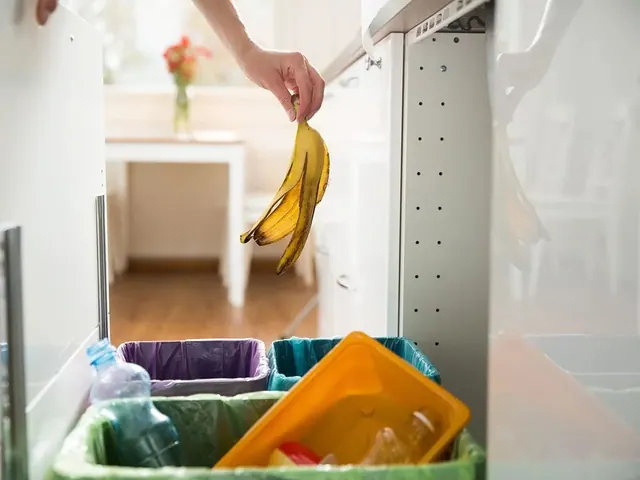
A banana peel can go into a suitable compost system. That doesn't make it a treatment for a wart, a tooth whitener or a repair kit for scratched discs. Lists of household hacks often put all of these ideas together, even though they need very different kinds of evidence.
This guide revisits ten claims from an older banana-peel article. A few involve ordinary food handling or waste reduction; others promise changes to your skin or teeth. Keep the useful ideas, and don't let a kitchen remedy delay care for an injury or an unexplained skin change. The original photographs illustrate the topics, rather than proving that a remedy works.
1. Skip banana peel as a disc repair

Rubbing a peel over a scratched CD isn't an established repair method in the disc-care guidance reviewed here. The U.S. National Archives recommends a soft, lint-free cloth for visible fingerprints, wiping straight from the center toward the edge. Cleaning a deposit and repairing a scratch are different jobs. Follow the disc or equipment maker's instructions before applying any liquid. Don't add food residue or an improvised glass-cleaner polish to a disc you're trying to preserve. If the contents are valuable and the disc won't read, get preservation advice rather than experimenting on the only copy.
2. Remove a splinter with appropriate care
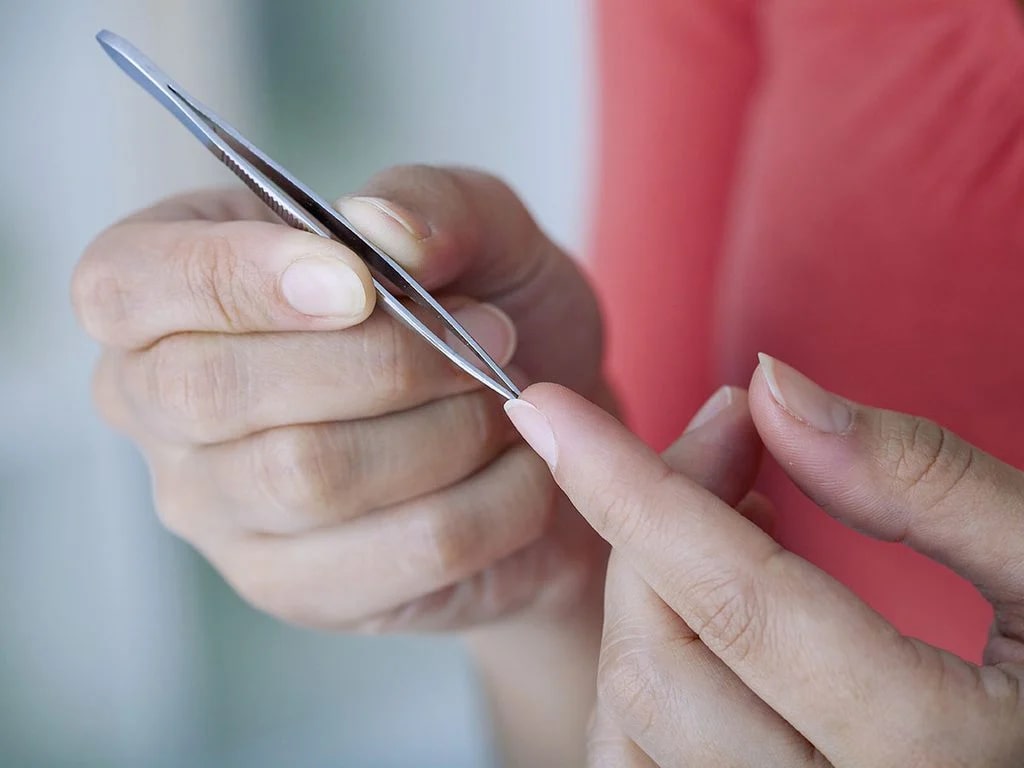
The claim that banana enzymes force a splinter to the surface isn't a reason to tape a peel onto injured skin. The American Academy of Dermatology describes washing and drying the area and, for a protruding splinter, using tweezers whose tips have been cleaned with rubbing alcohol. Pull in the direction the splinter entered; don't squeeze it. Seek medical help for a large or deep splinter, one near an eye, or signs of infection. If you can't remove it safely, stop rather than digging into the skin or waiting for a food remedy to work.
3. Don't count on a peel to whiten teeth

A promise of whiter teeth after a week or two of peel rubbing needs evidence that the original tip doesn't supply. The ADA's whitening guidance warns that prolonged contact with acidic fruits or abrasive DIY scrubs can damage enamel. That is general guidance, not a clinical test of this particular banana-peel method. Keep brushing twice a day for two minutes and cleaning between your teeth daily. If you want whitening, ask your dentist about an appropriate option rather than adding an unverified fruit treatment to your routine.
4. Compost the peel in the right system
Fruit and vegetable scraps belong among the green materials in the EPA's backyard composting guidance. Remove produce stickers, mix scraps with suitable brown material such as dry leaves, and manage moisture and air. The EPA advises covering food scraps with four to eight inches of dry leaves or other browns to help deter pests. A peel alone isn't a balanced fertilizer, and not every collection service accepts the same materials. If you use municipal collection instead of a home pile, check that program's instructions before adding scraps or packaging to the bin.
5. Separate fruit ripening from peel reuse
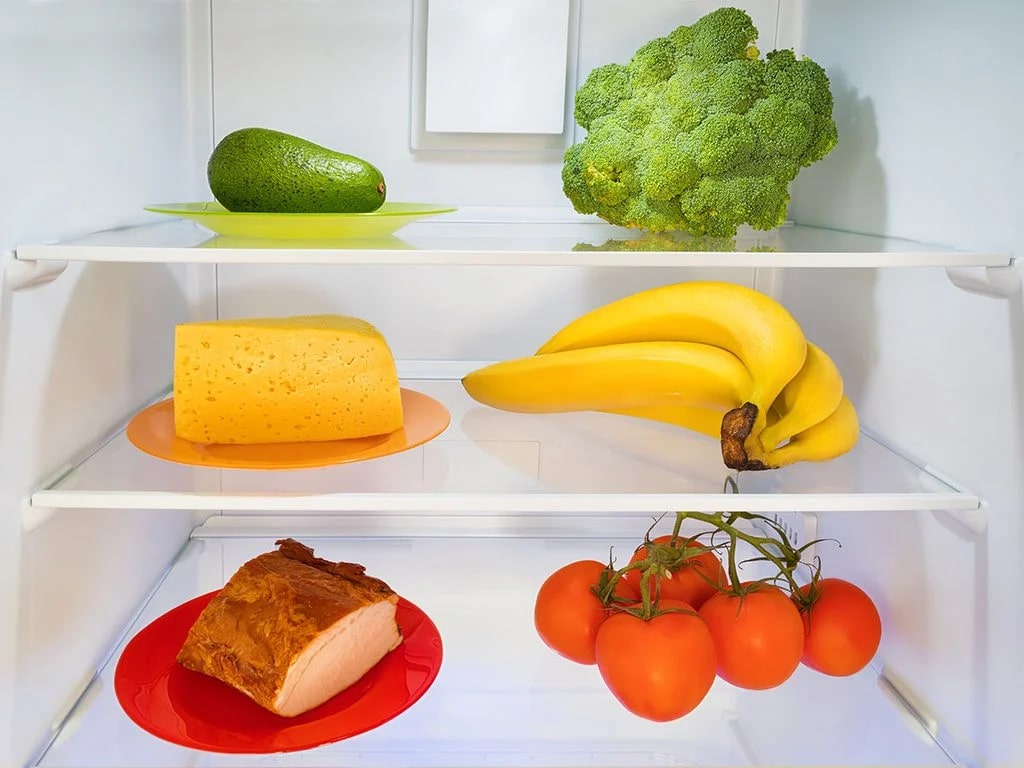
The original avocado trick used a whole banana in a paper bag, so it wasn't actually a use for an empty peel. Fruit growers describe using ethylene-producing fruit to encourage ripening. The California Avocado Commission recommends an apple or kiwi with avocados in a paper bag at room temperature. Check the fruit as it softens; a rigid timetable won't fit every avocado. Don't turn the bag into an airtight plastic container or assume a microwave will ripen the fruit. Once an avocado is ripe, refrigerating it can slow further softening.
6. Use proper sunburn care
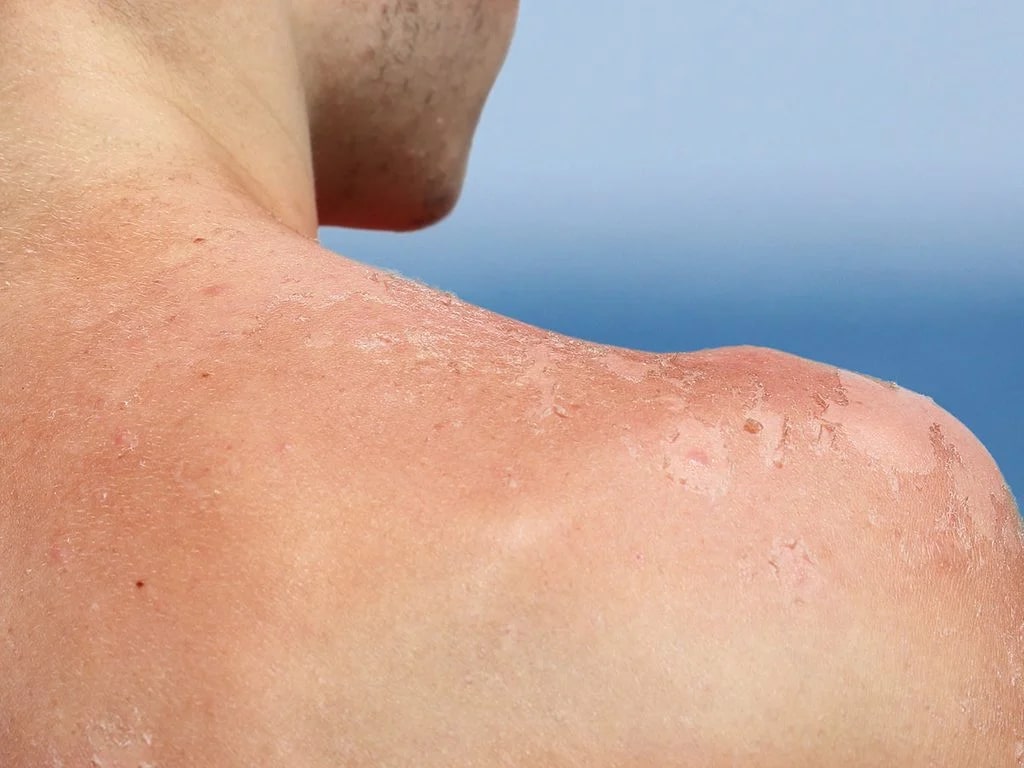
Don't treat a banana peel as an established remedy for sunburn, poison ivy, bites or open cuts. Those are different problems, and one household ingredient isn't a treatment plan for all of them. For sunburn discomfort, the American Academy of Dermatology recommends getting out of the sun and using cool baths or showers; a cool, damp washcloth can also help. Let blisters heal without popping them. Seek medical advice for a severe burn or if you feel unwell. Don't rub food onto broken skin or let a peel replace the care an injury needs.
7. Have an uncertain skin bump checked
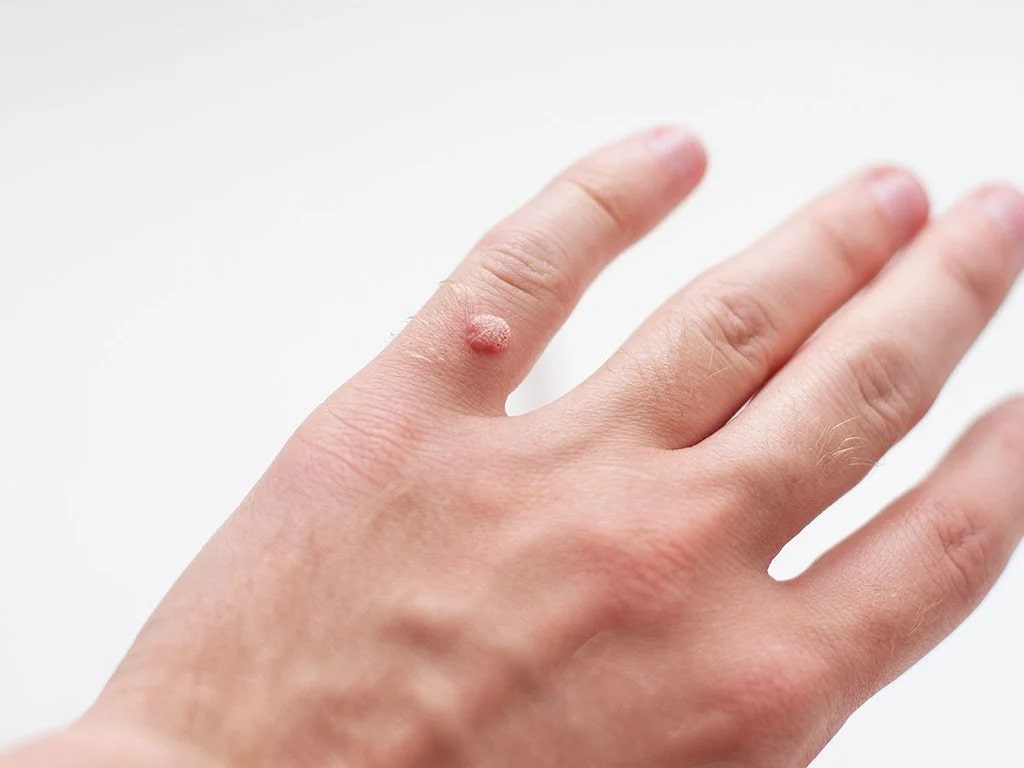
Taping peel over a bump overnight doesn't establish that it is a wart, even if its appearance changes. AAD guidance recommends seeing a dermatologist if you're unsure what the growth is, if it changes, hurts or bleeds, or if it is on the face or genital area. People with diabetes or a weakened immune system should also seek advice about suspected warts. Established home treatments have their own directions and limits. Don't shave a bump, promise overnight shrinkage or use a response to a food remedy as a diagnosis.
8. Don't mistake peel for a cooking guarantee
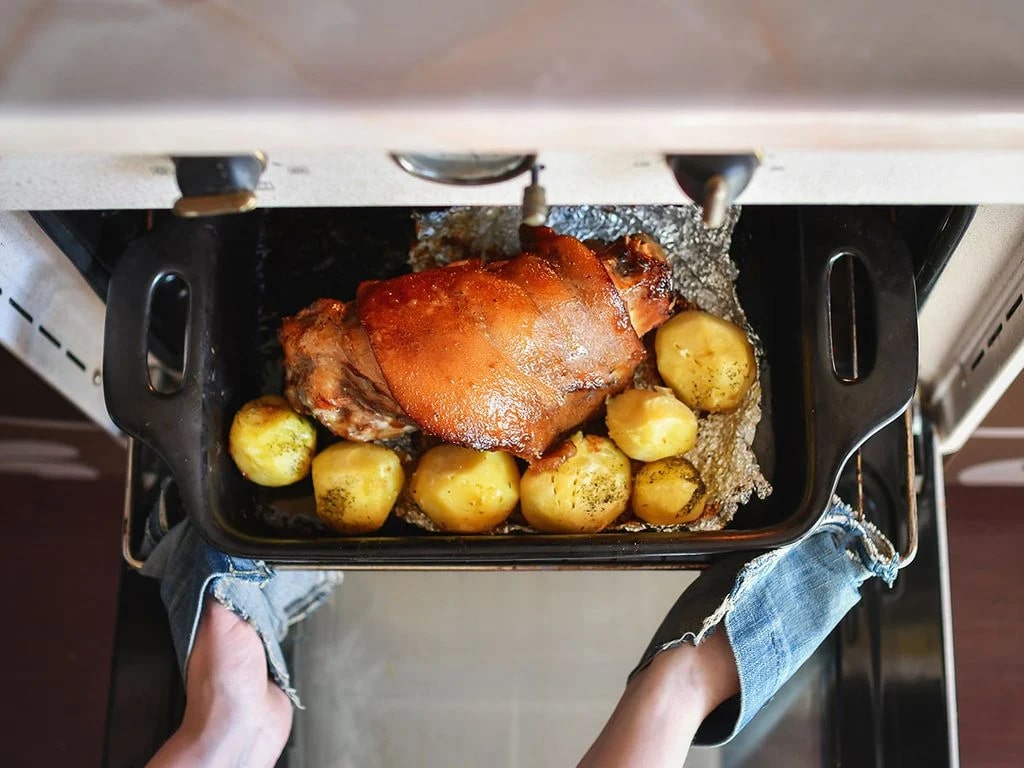
Banana leaves used in some recipes and a fruit peel tossed into a roasting pan aren't interchangeable ingredients. Follow a tested recipe rather than expecting a peel to tenderize any cut of meat or prevent it from drying out. Wash produce under running water before preparation and keep it separate from raw meat juices. Most of all, check the meat's internal temperature with a food thermometer. Whole beef, pork, lamb and veal roasts need at least 145°F followed by three minutes of rest; poultry needs 165°F. A moist appearance doesn't establish safe cooking.
9. Be cautious with homemade skin scrubs
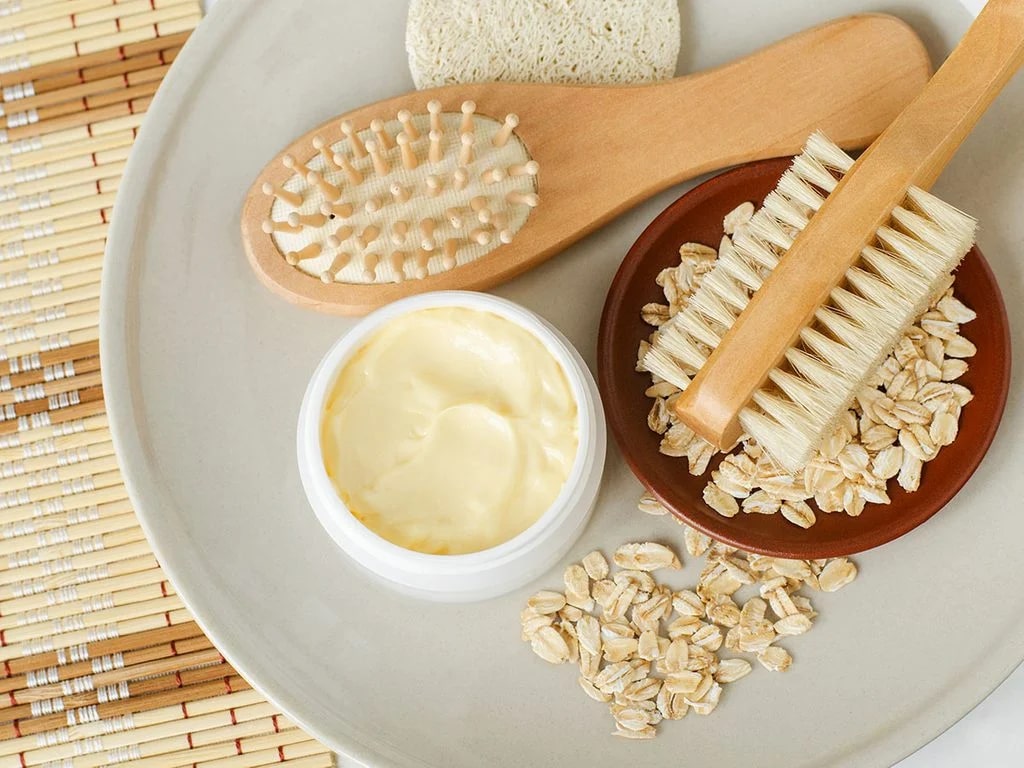
Mashed banana doesn't make sugar, salt or ground apricot pits suitable for every face. The American Academy of Dermatology says exfoliation can irritate skin and should be matched to the person's skin type and other products. Never exfoliate open cuts, wounds or sunburned skin. If you do exfoliate, be gentle and follow with moisturizer. Stop if your skin becomes irritated, and ask a dermatologist if you're unsure what suits you. There's no need to make a scrub stronger because a recipe calls the result a deeper pore cleanse.
10. Follow care instructions for leather and silver
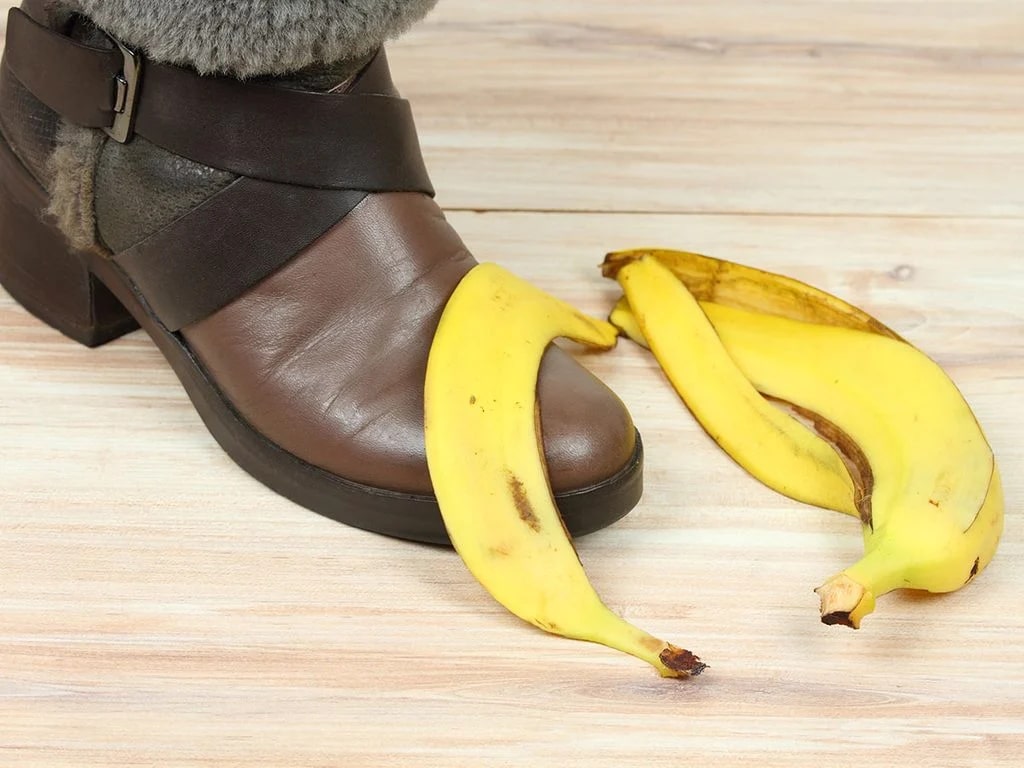
A banana peel isn't a cleaning product approved for every boot, sofa or piece of tableware. Leather finishes differ, and silver-plated objects need care that protects their thin surface layer. The Canadian Conservation Institute notes that polishing removes some silver along with tarnish. Check the item's care instructions instead of rubbing food over a valuable or delicate finish. The archive image of a peel near a boot doesn't demonstrate successful polishing. Keep any discarded peel out of walkways, and send it to an appropriate food-scrap collection or compost system when you can.