Care Doctor
Bee Pollen’s Viral Breast-Growth Claim Comes With Real Allergy Risks
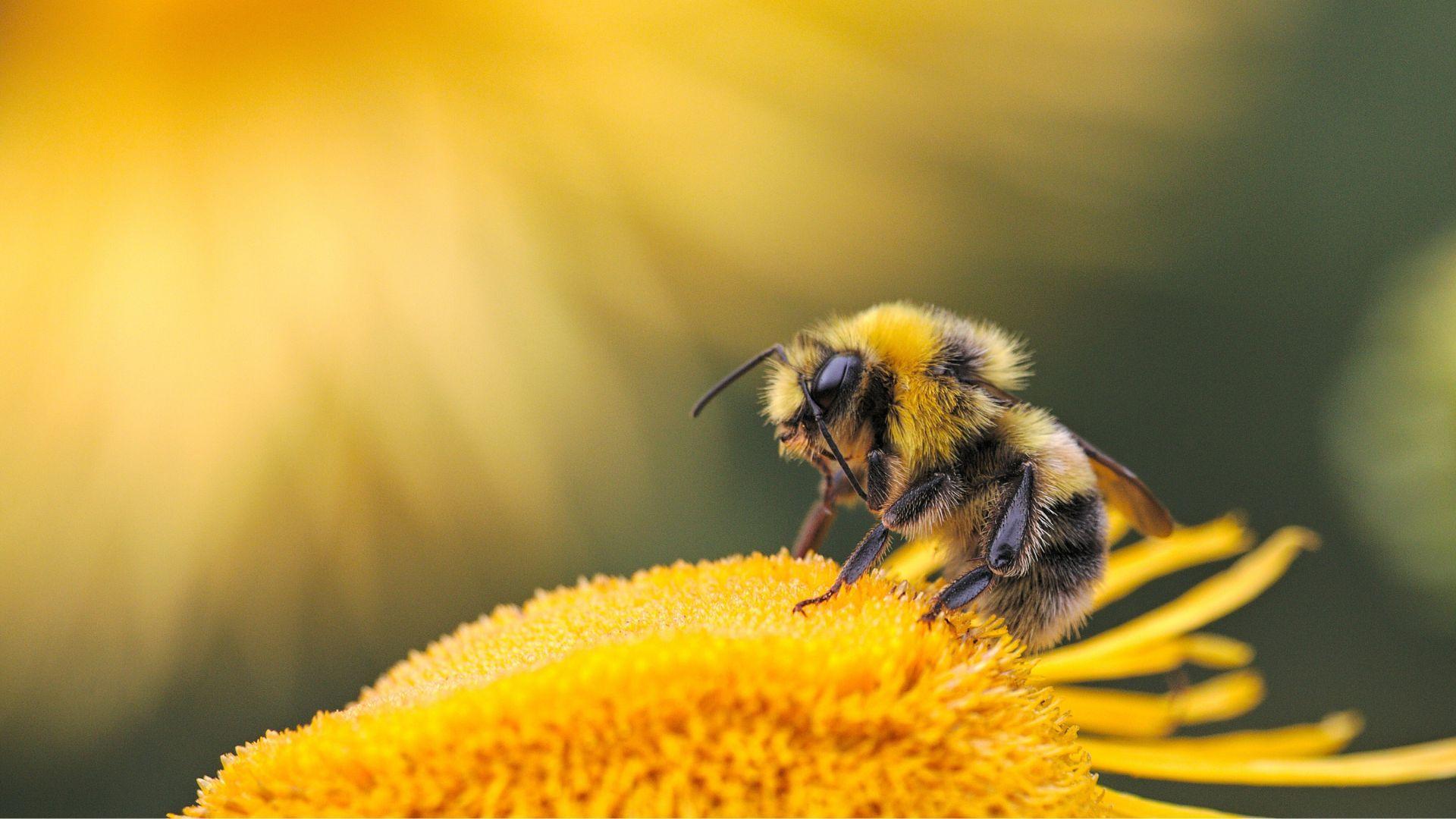
A spoonful of bee pollen became a beauty tip on TikTok, with users claiming it could increase breast size. Some added it to breakfast hoping for a change. Others described allergic reactions or changes in their periods. None of those posts, on its own, can establish what a supplement does or how safe it is.
How a Health Tip Spreads
A convincing personal story can travel faster than a careful explanation. Before-and-after posts seem simple, while the reasons a body changes may be complicated. The original reports about this trend included women who tried bee pollen after seeing other users recommend it. Their experiences deserve to be heard without being treated as clinical trials.
An Old Product, a New Promise
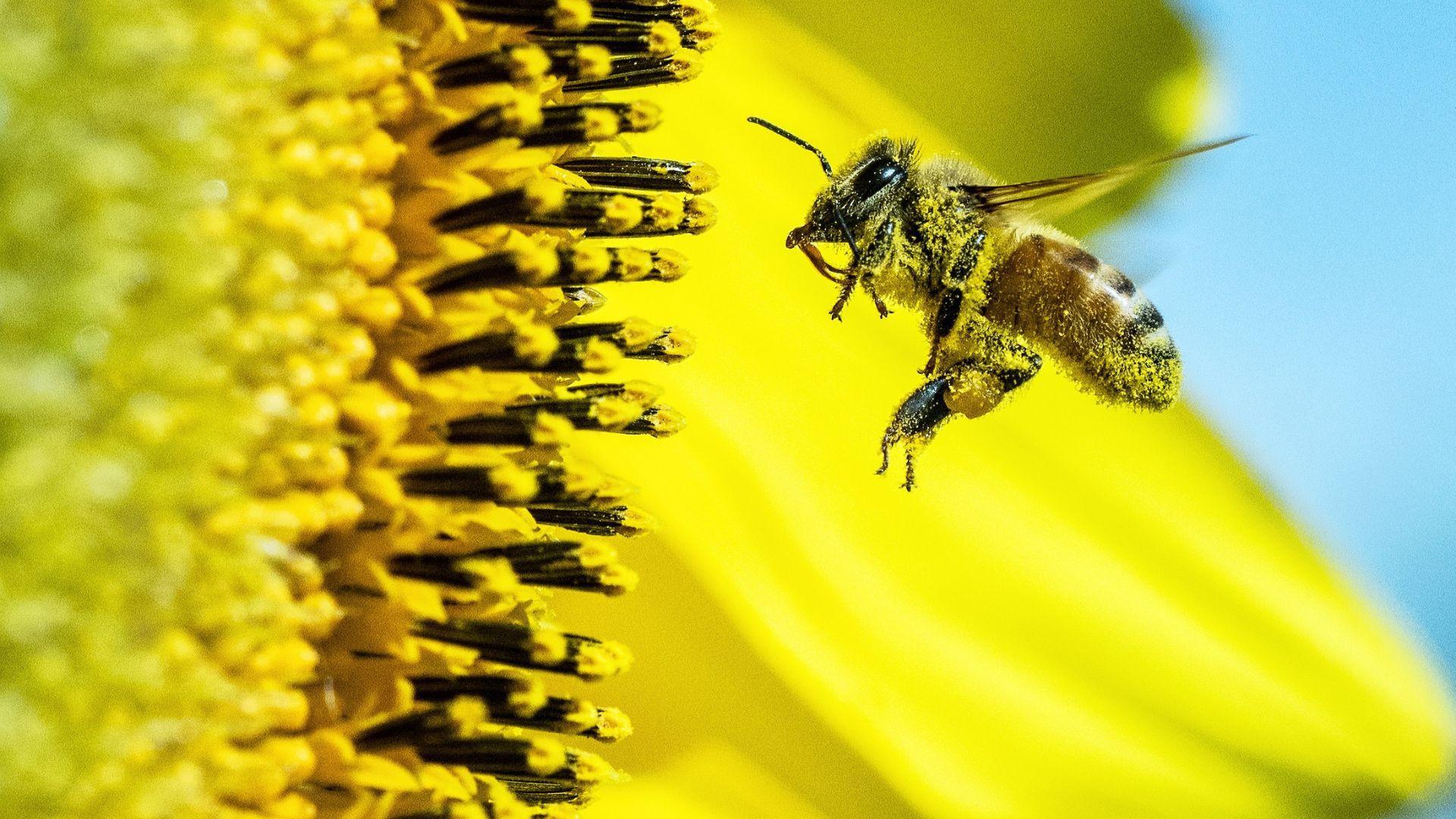
Bee pollen has a long history of use, but that doesn't validate every new claim attached to it. Selling a familiar supplement as a way to change breast size gives buyers a specific expectation. That expectation needs evidence about breast growth, not just a list of nutrients or a reference to traditional remedies.
One Woman’s Reported Experience
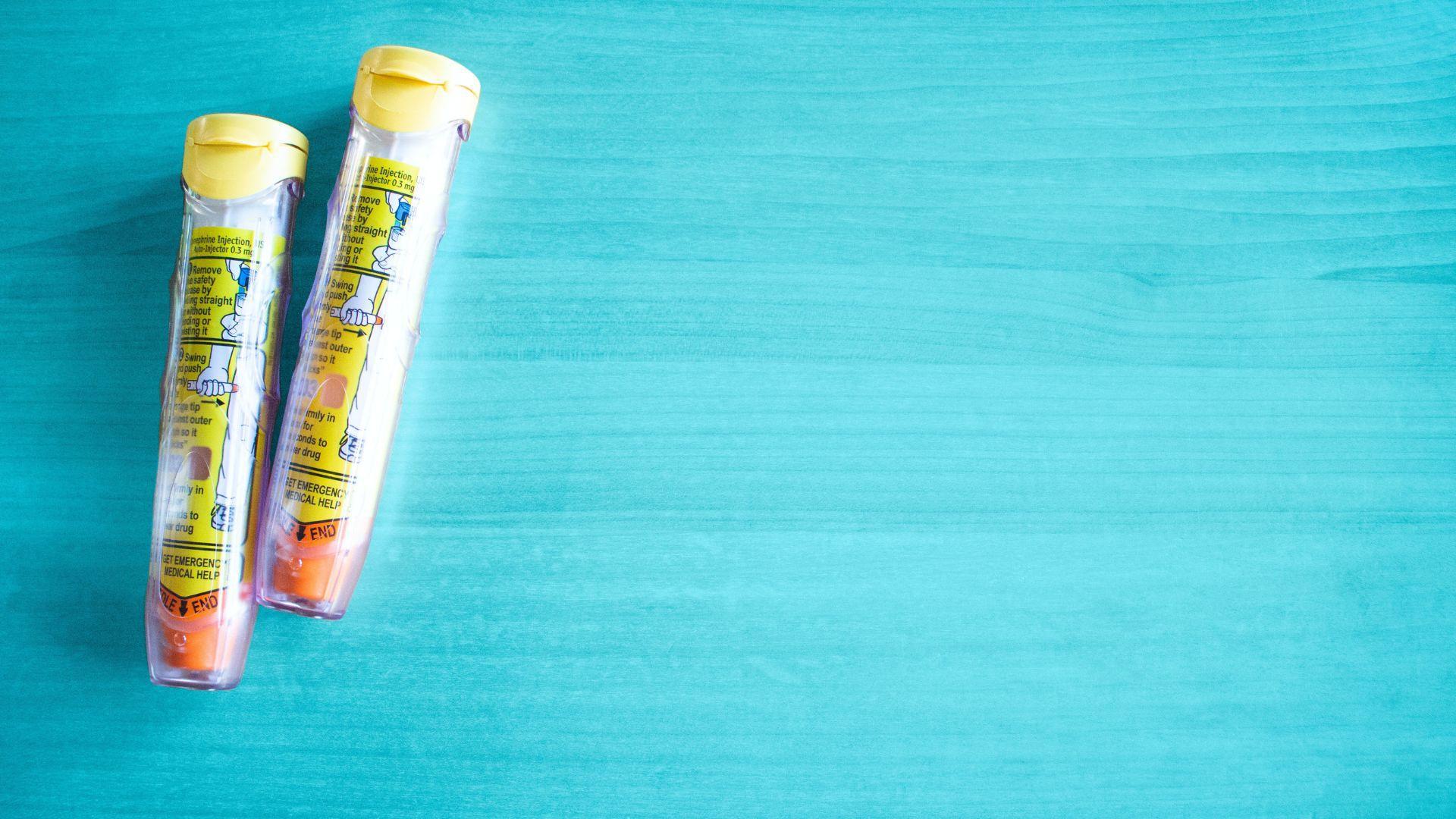
Janna Kim was among the people who described trying bee pollen after encountering recommendations online. In the original coverage, she said she had been looking for help with symptoms after stopping contraception. She later reported a severe allergic reaction. Her account is a reason to take possible harms seriously, not a controlled test of what caused every symptom.
A Breakfast Addition Became a Health Scare
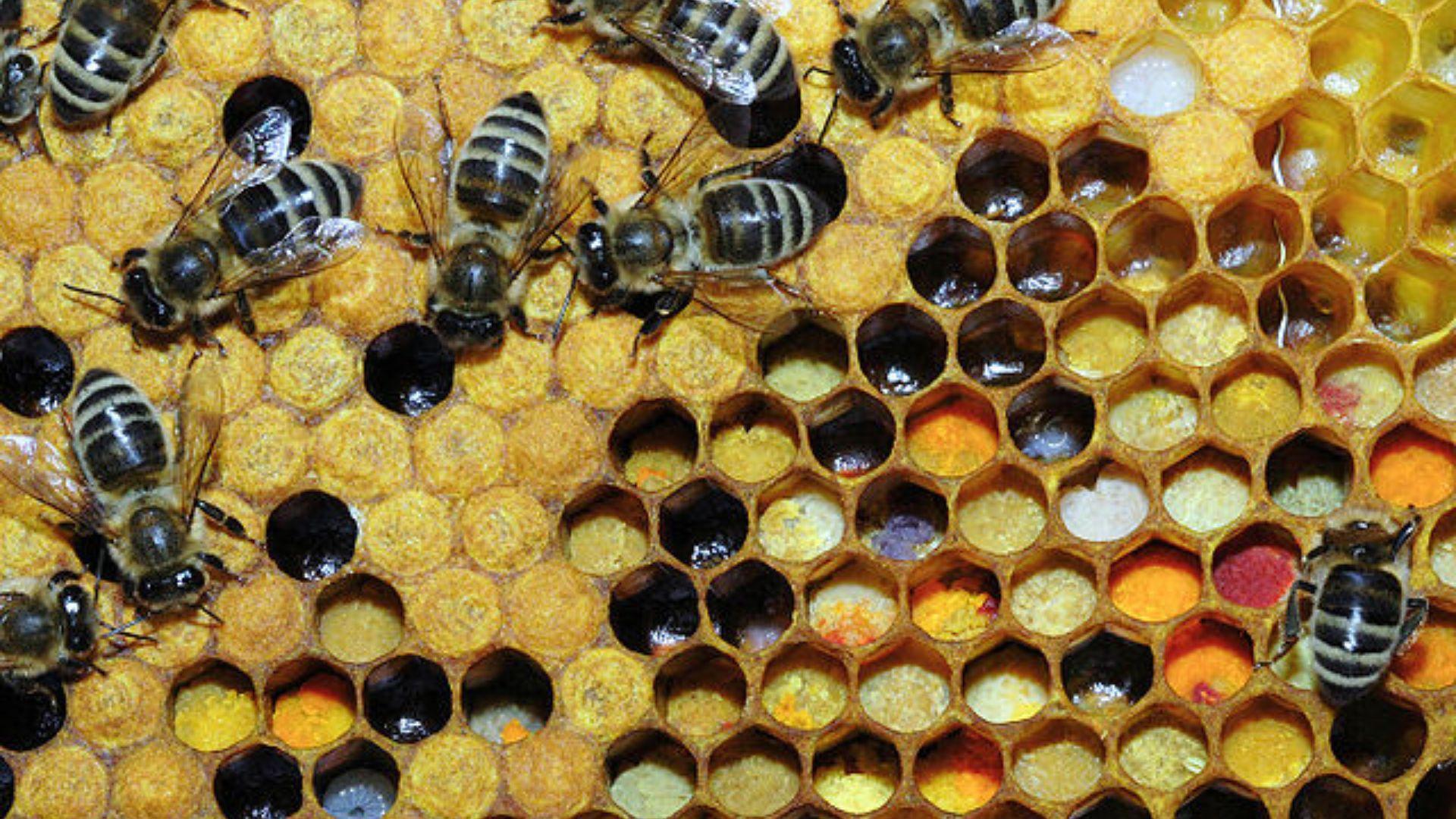
Kim described initially using bee pollen without trouble before the reaction. That detail is easy to overlook when reading a supplement recommendation: an uneventful first try doesn't promise that later use will be uneventful too. A food or supplement can look quite ordinary on a spoon and still be unsuitable for the person taking it.
What “Natural” Leaves Out
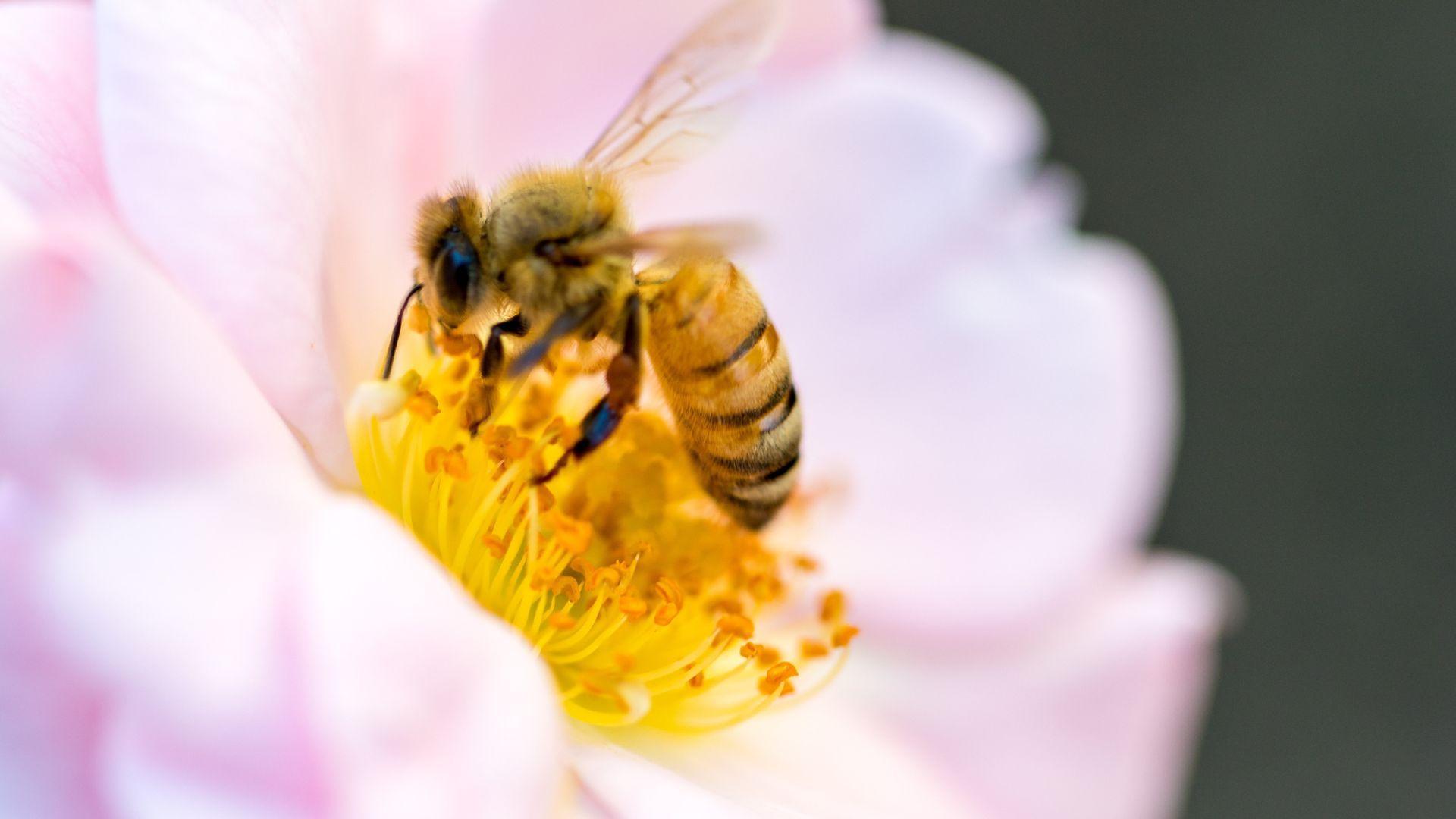
Wanting relief is understandable. So is wanting a simple option. But a natural origin tells you where something came from; it doesn't tell you whether it will help a particular condition. The useful questions are more concrete: what is the evidence, what are the risks, and could it interact with something you already take?
The Breast-Growth Claim Lacks Evidence
Cleveland Clinic's review says there is no evidence that bee pollen increases breast size. A testimonial can't separate the supplement from other possible explanations for a change. Nor does calling a product hormone-balancing establish that it has a demonstrated effect on human hormones.
Period Stories Need Context
Social media users also credited bee pollen with changes in their menstrual cycles. Ali Velas was one of the women discussed in the original coverage. A period returning after someone starts a supplement does not show that the supplement brought it back. Timing is a clue to investigate, not proof of a treatment effect.
Avoid Diagnosing From a Post
The same caution applies to explanations involving PCOS or contraception. A reader cannot diagnose someone from a short online account, and an individual account can't establish that bee pollen treats a menstrual condition. Persistent or concerning cycle changes are a reason to seek medical advice rather than trying to reproduce another user's experiment.
Allergies Are a Real Concern
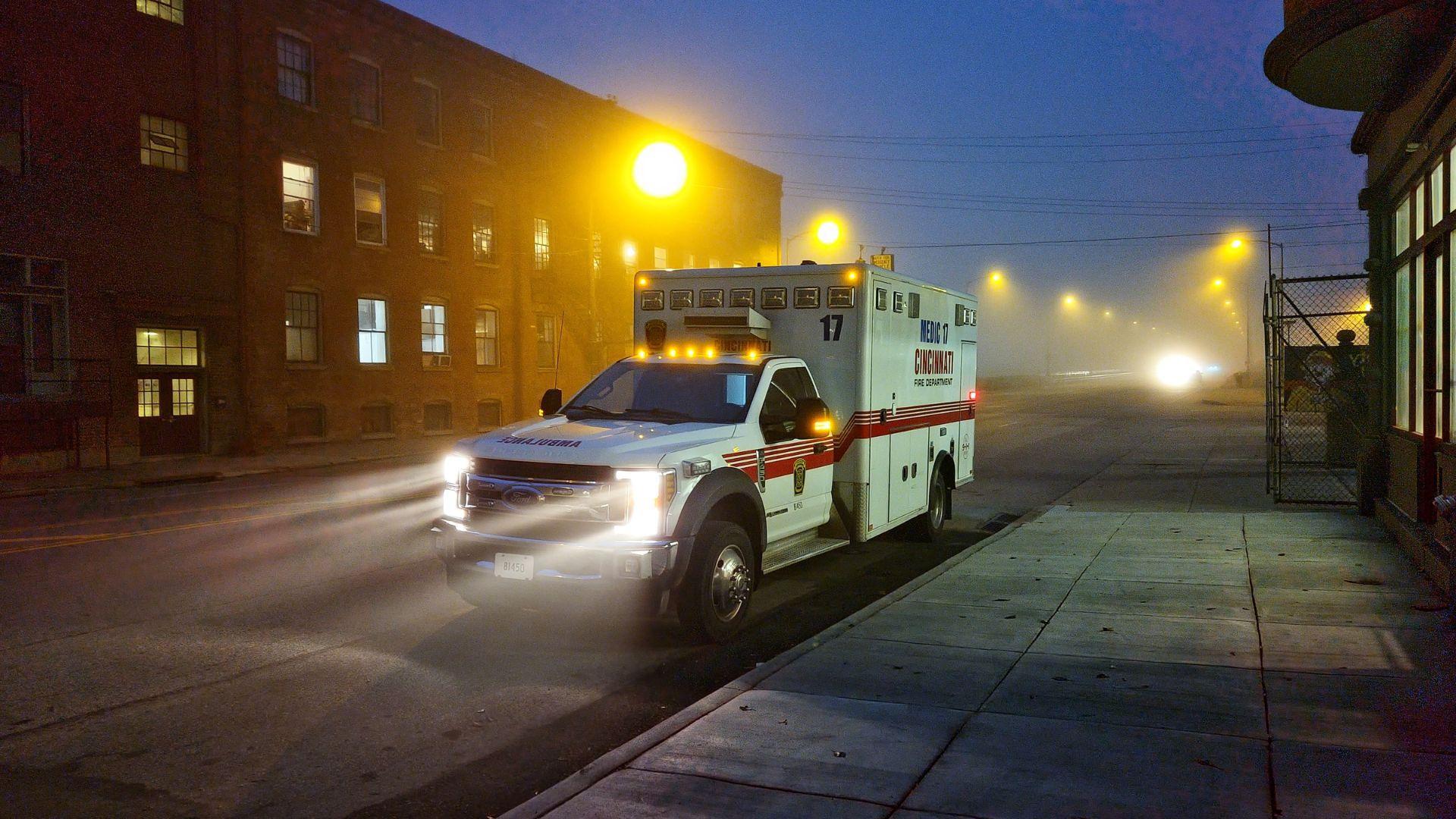
Bee pollen can cause allergic reactions, including severe reactions. Cleveland Clinic advises people with seasonal or pollen allergies to avoid it. Symptoms such as trouble breathing or swelling of the tongue or throat need emergency help. Don't try to build tolerance by exposing yourself to pollen at home.
Reports Are Not a Risk Estimate
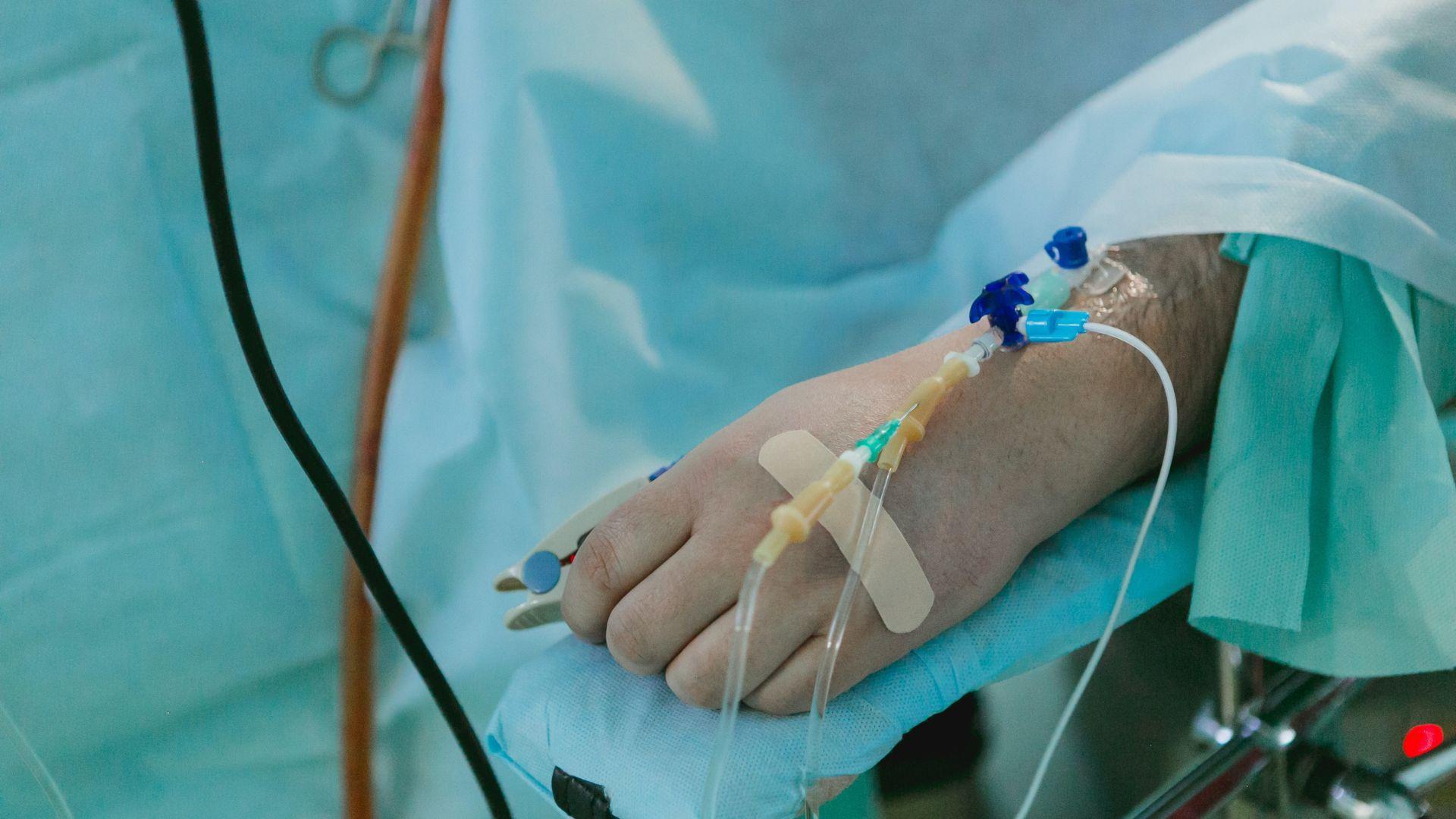
Alexia Erkman also described an unpleasant reaction in the original reporting. Such accounts matter, but a collection of viral stories doesn't tell us how often reactions occur. The number of posts appearing in a feed can change for many reasons. It isn't a reliable measure of a rising rate of illness.
Check the Claim Before Buying
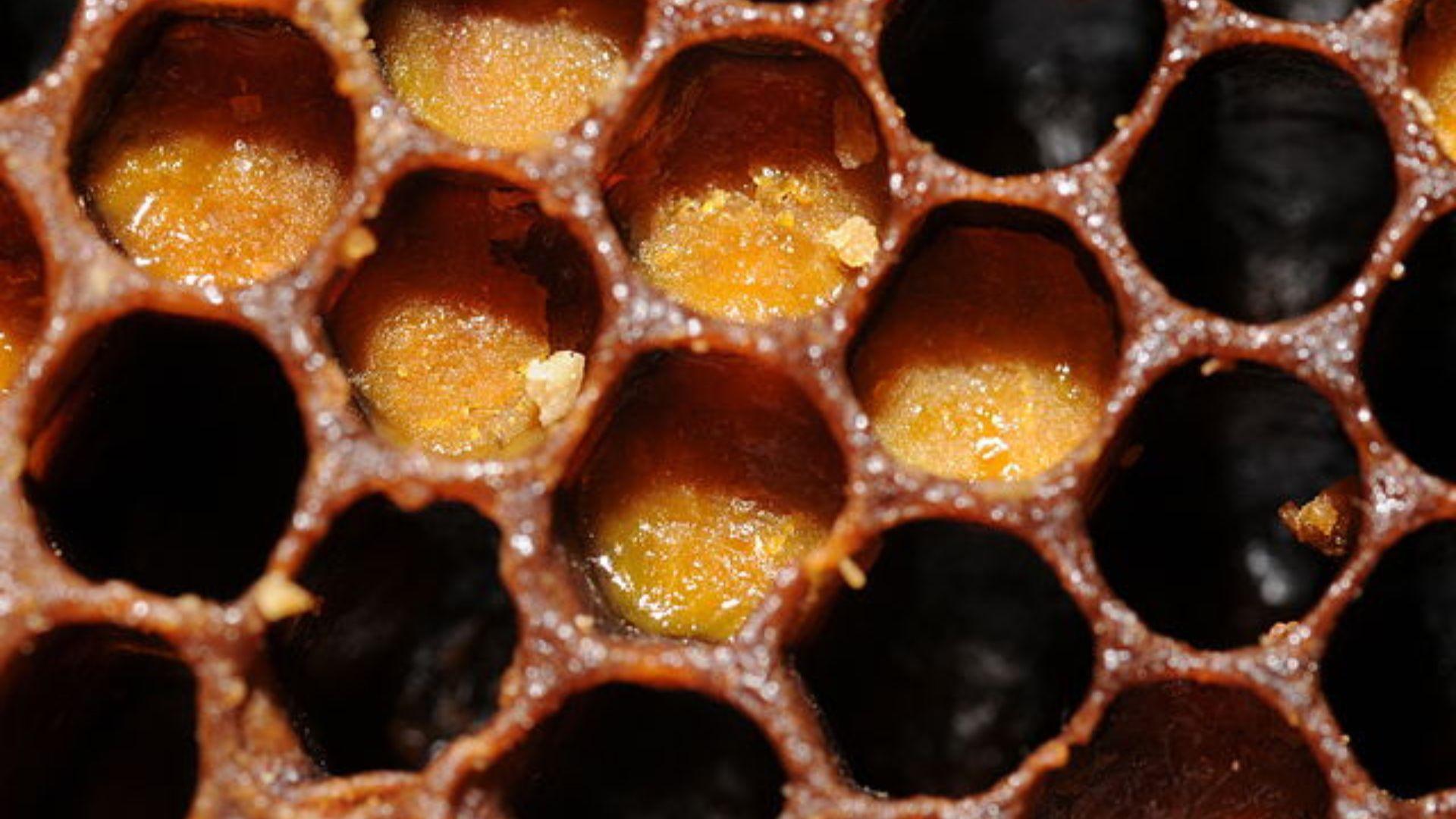
The FDA regulates dietary supplements, but generally does not approve them for safety and effectiveness before sale. That is different from having no oversight at all. Tell a healthcare professional about supplements you use, particularly if you have allergies or take medicines. Bee pollen's popularity is not evidence for its breast-growth promise.