Care Doctor
Nine Household Items Worth Checking Before You Keep Using Them
Check the bottle or jar itself before deciding from the date alone. Was it stored as directed? Is the package sound? Does age affect safety, effectiveness or mainly quality? Different products call for different answers.
The nine items below are common around the house, but they are not all the same kind of risk. Keep the label as your guide for the one you own. Where directions are unclear, a pharmacist or another suitable professional can help. An older product is not automatically an immediate health threat.
1. Toothpaste
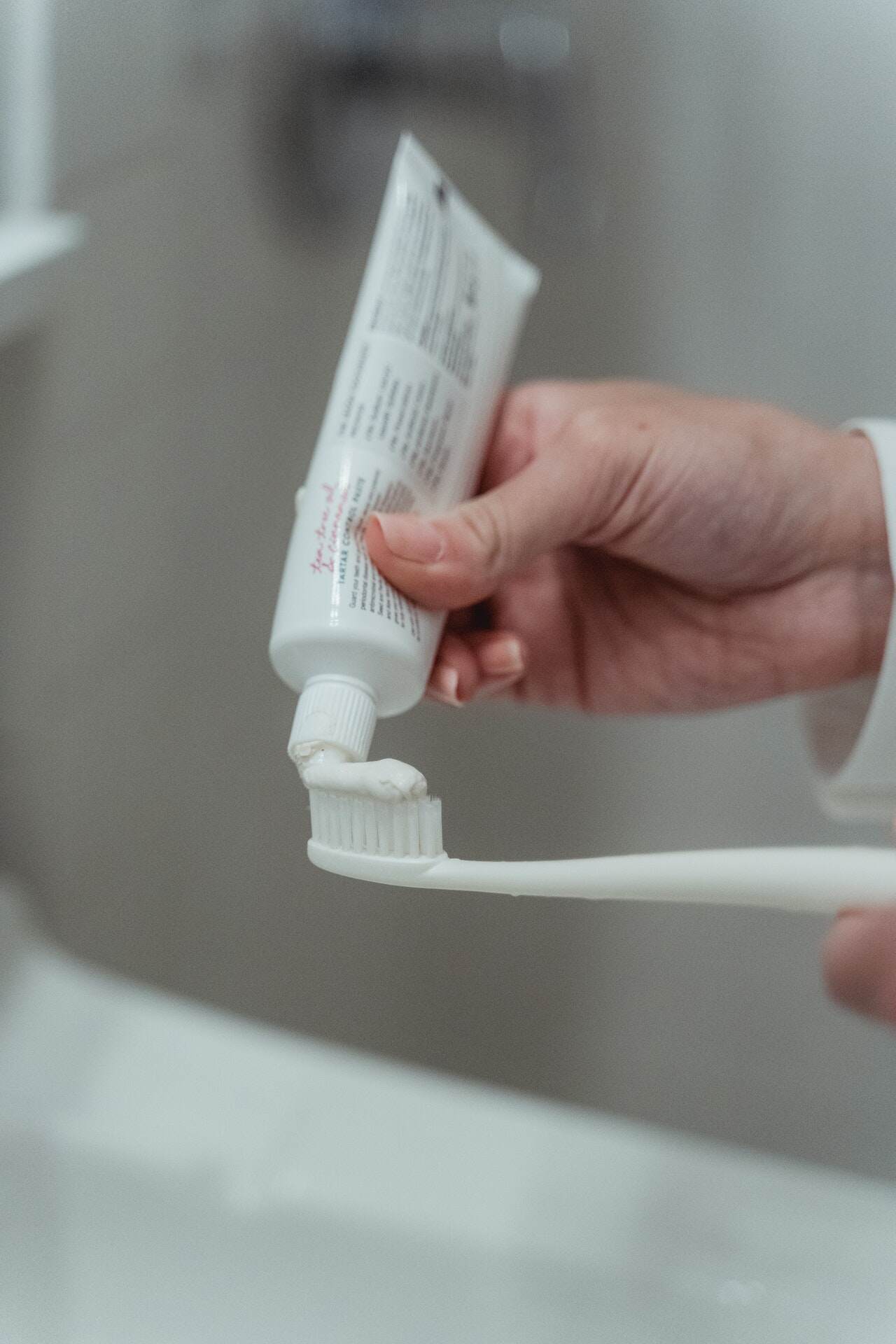
Look for the maker’s expiration and storage directions, particularly on fluoride toothpaste. Heat, storage conditions and time open can matter; a half-used tube does not have an identical useful life in every bathroom.
Replace a tube you cannot identify or one whose contents have noticeably changed. The date is also about whether the product can do its job. It does not mean that a single day automatically changes familiar toothpaste into something dangerous.
2. Toothbrushes
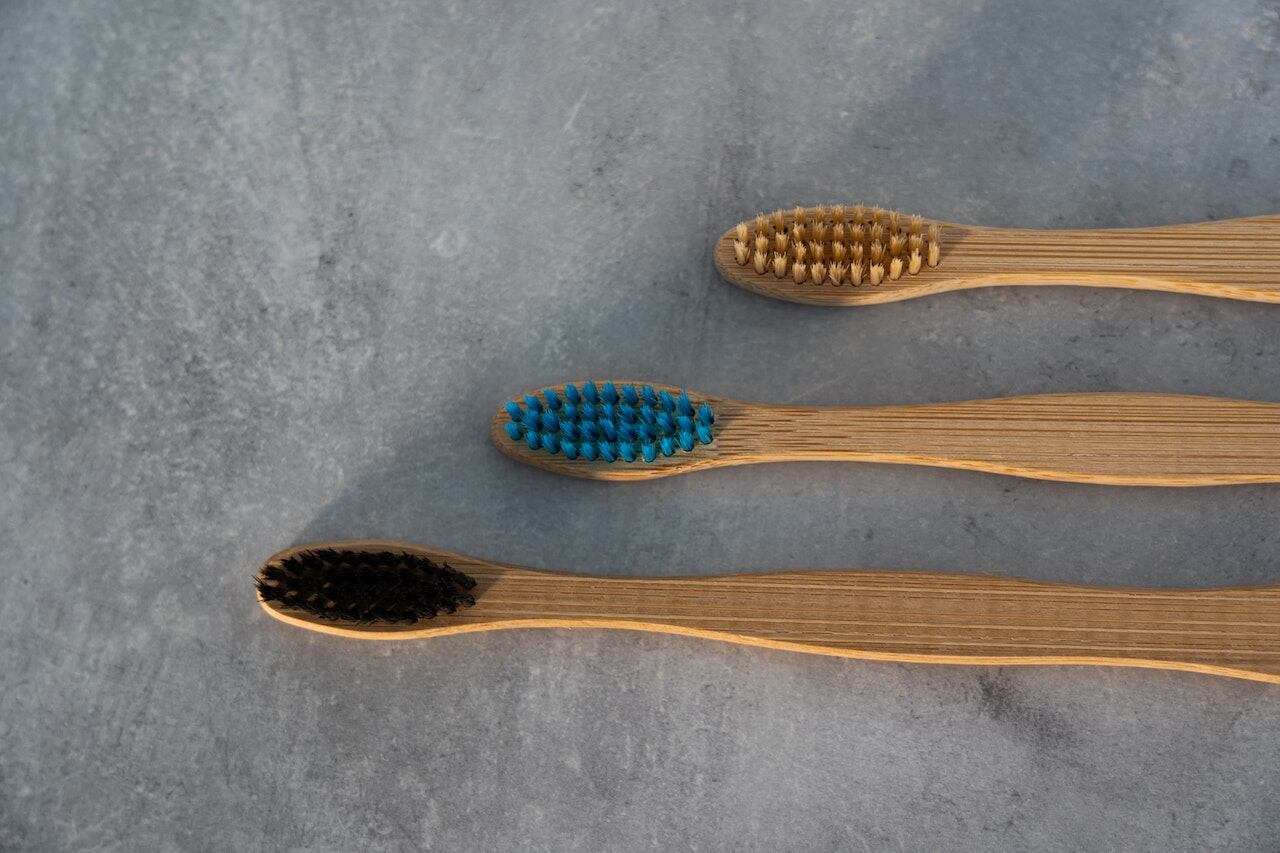
Three to four months is the American Dental Association’s recommended replacement interval, with an earlier change if bristles are frayed or matted. That applies to checking a powered brush head too; the handle need not be broken for the head to need replacing.
Rinse after use, stand it upright and let it air-dry. Keep brushes to their own users. A travel cover serves a purpose on a trip, but a wet brush should not remain enclosed all the time.
3. Dried spices
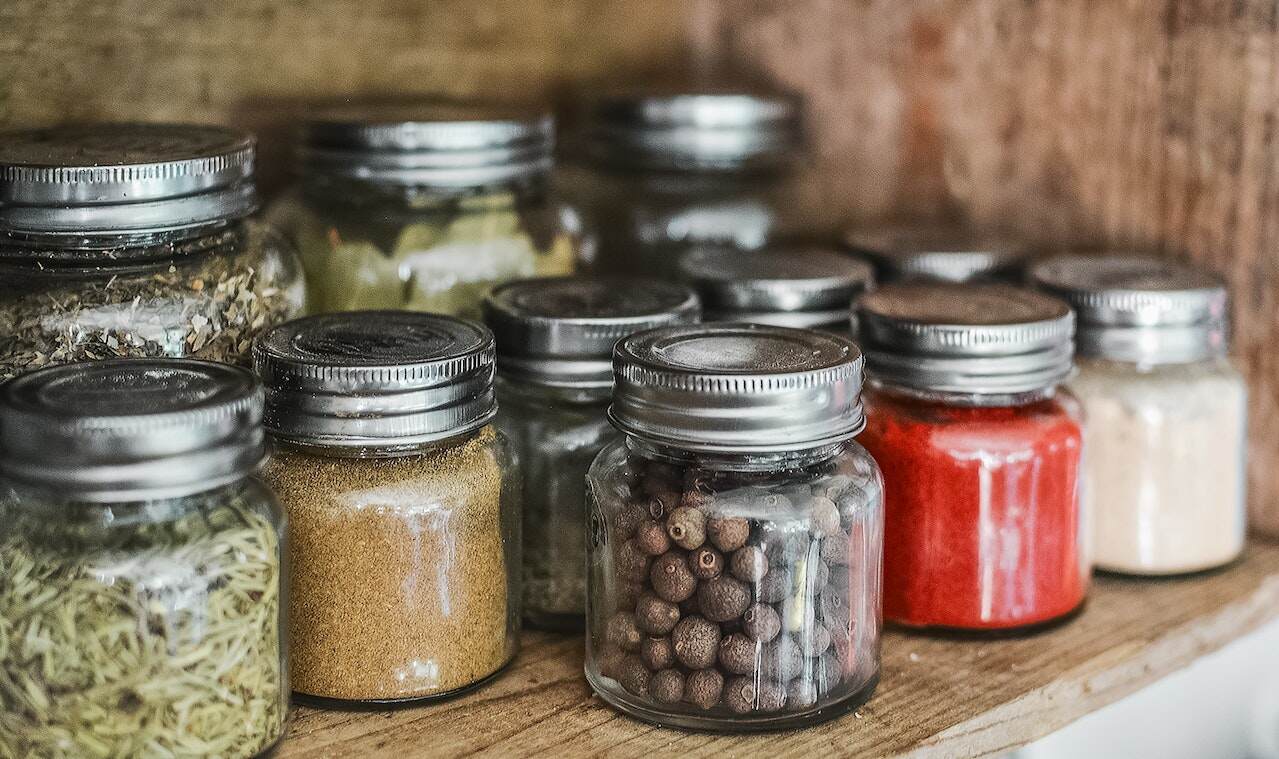
Dates on spices often concern best quality. An aging product may add less aroma or flavor without suddenly turning poisonous. Follow its storage directions and keep the lid closed, away from unnecessary heat and moisture.
Look for a different problem if contents are damp, moldy, contaminated or unexpectedly changed. Discard contamination and do not taste a suspect jar to investigate. Weak flavor in an otherwise ordinary old spice is not evidence for a broad claim of digestive harm. The condition matters as well as the date.
4. Eye drops
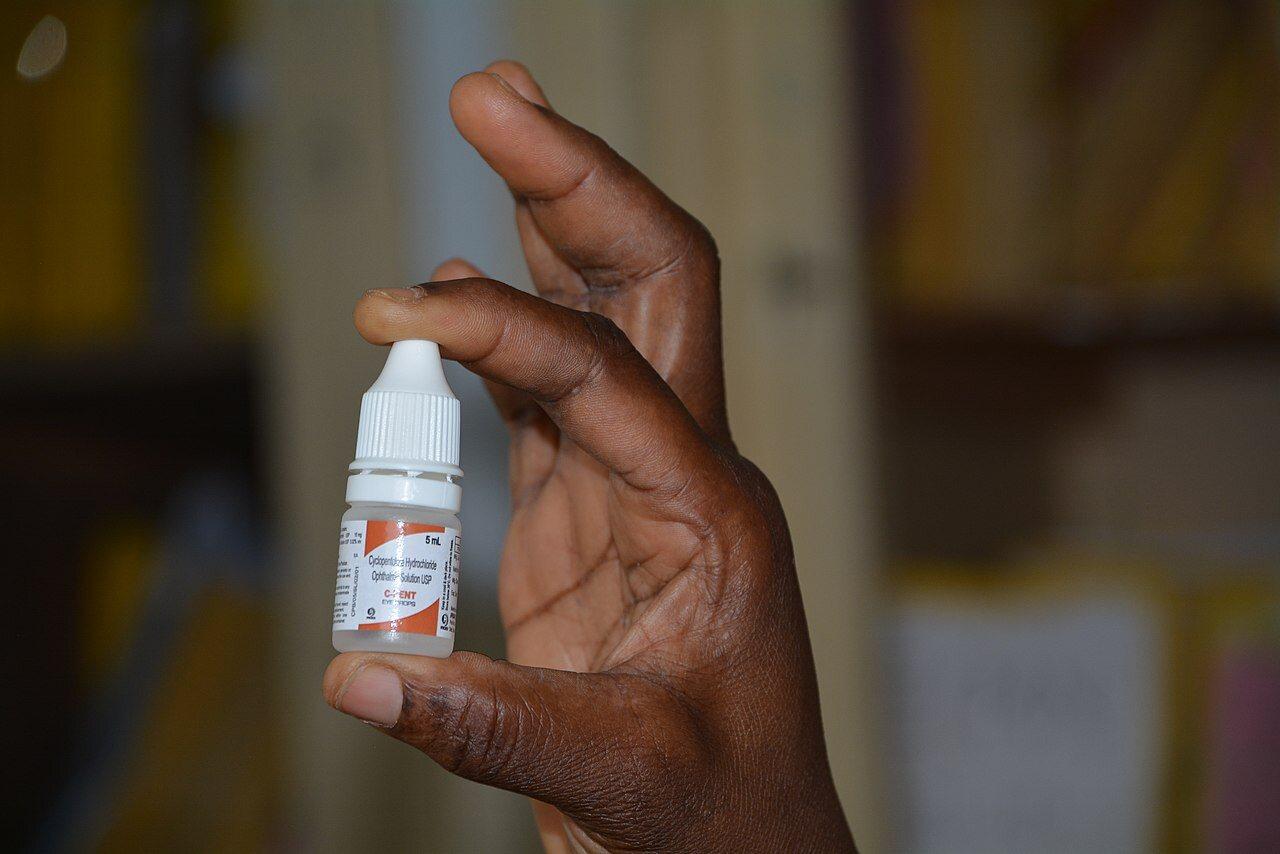
Do not apply one after-opening period to every eye drop. Read the instructions and expiration on the specific product; single-use containers and bottles can have different requirements. A pharmacist can help if you cannot tell when to discard an opened bottle.
Avoid touching the tip to an eye or another surface, and keep the drops to one user. Contamination can matter before the date. Stop using a recalled item or one that has changed appearance instead of relying solely on the printed expiration.
5. Canned food
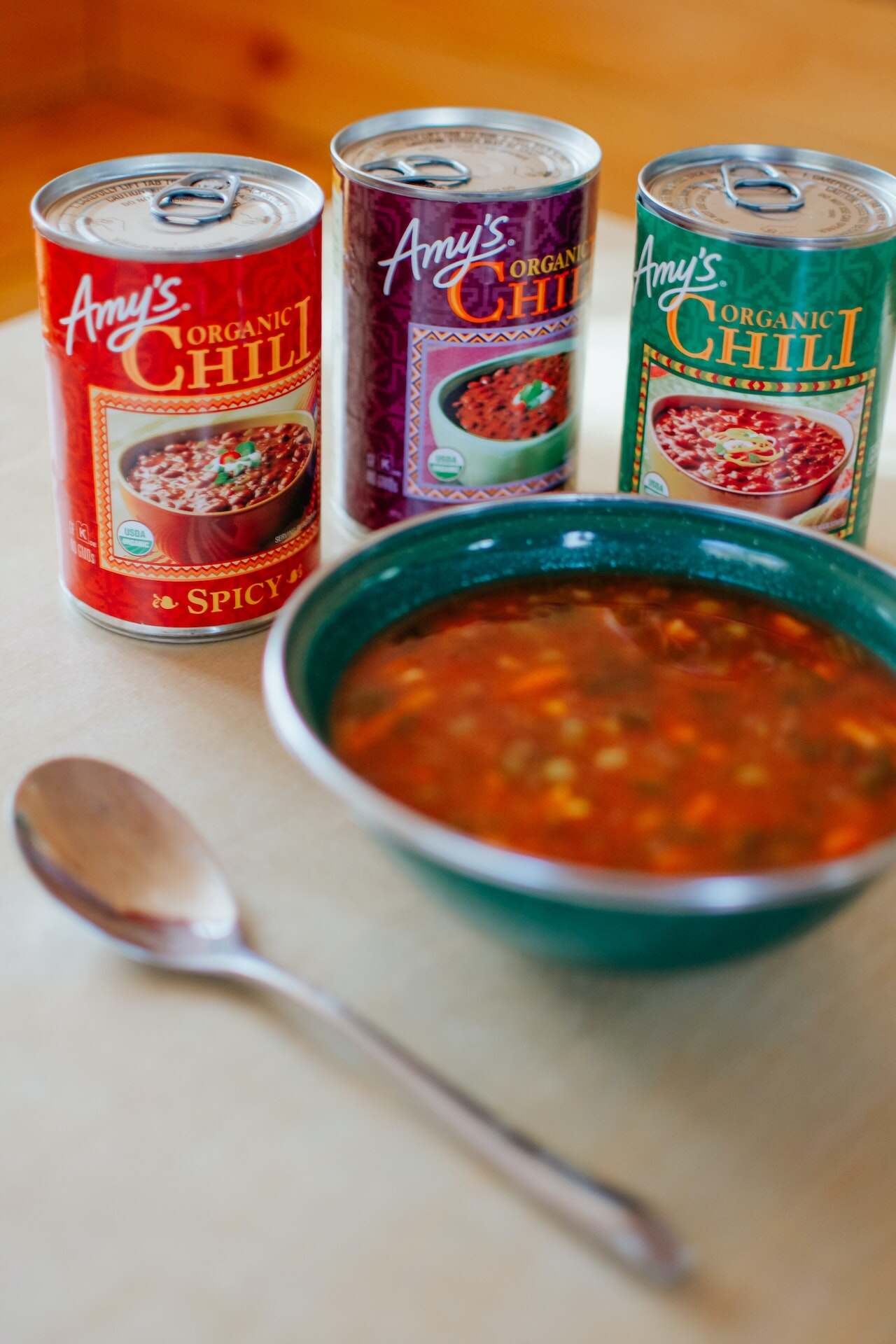
Check the can's condition as well as the storage instructions. Swollen, leaking or badly damaged cans shouldn't be opened and tasted to decide if the food is safe.
USDA distinguishes many food dates from safety deadlines. A best-quality date isn't automatically an instruction to discard an otherwise properly stored, intact can that day. Once opened, however, the food has different storage limits. Put leftovers into suitable storage and refrigerate them promptly.
6. Boxed wine
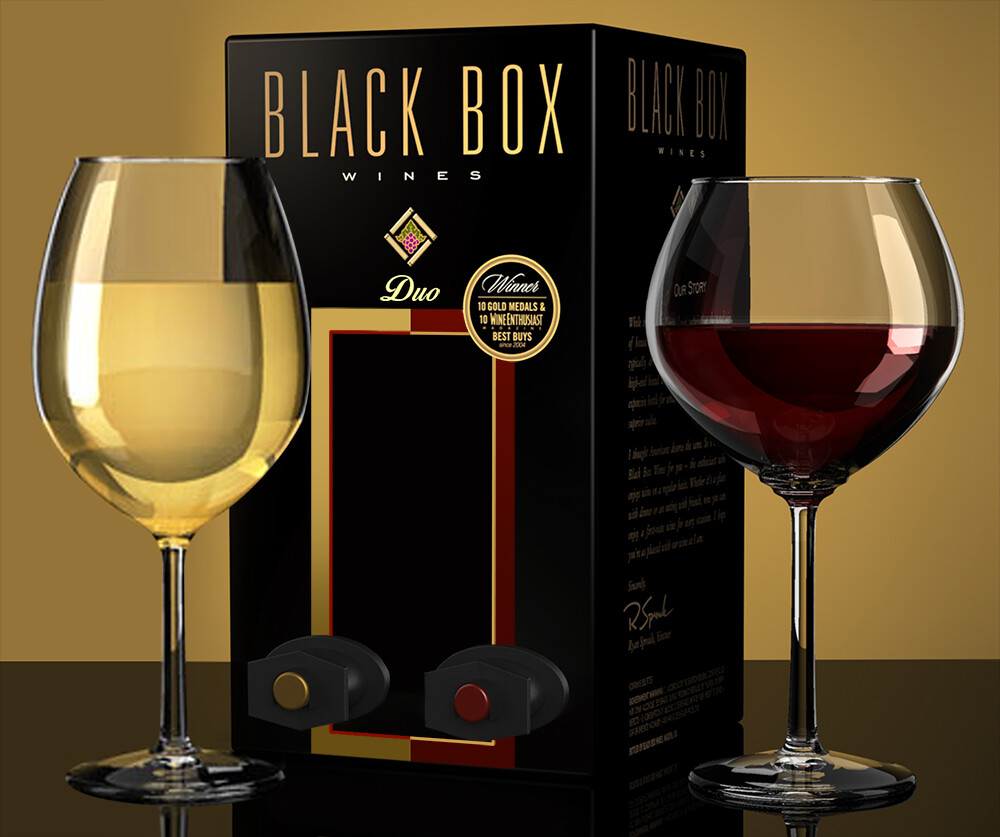
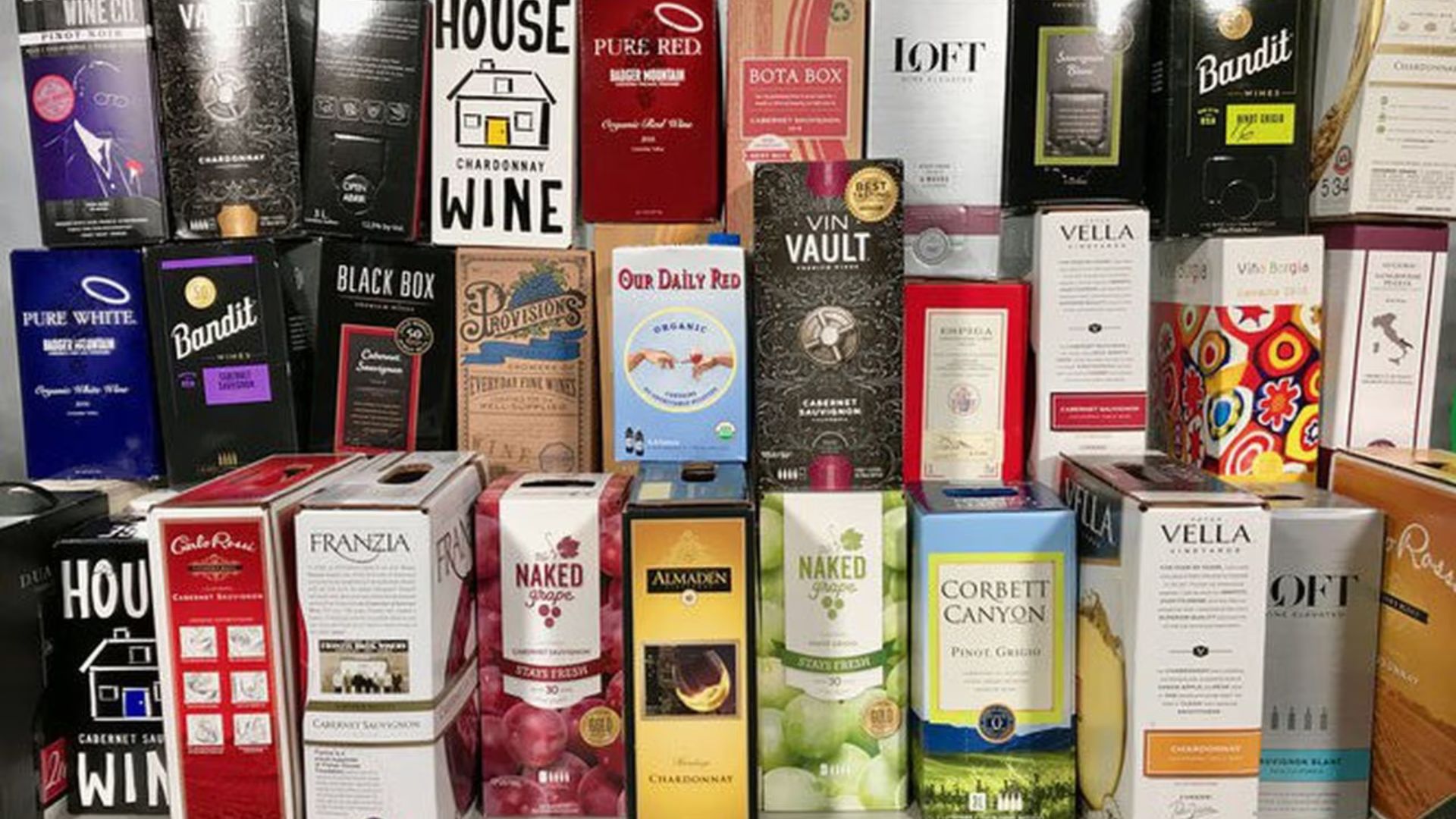
Follow the producer's advice for storage and how soon to use it after opening. Boxed wine isn't necessarily designed for long aging, and an open package doesn't preserve the wine indefinitely.
Older wine losing quality isn't evidence that the packaging will cause infertility or heart disease at a particular date. The original claim made that leap without support. If you choose to drink alcohol, storage instructions don't remove the separate health considerations associated with drinking it.
7. Mouthwash
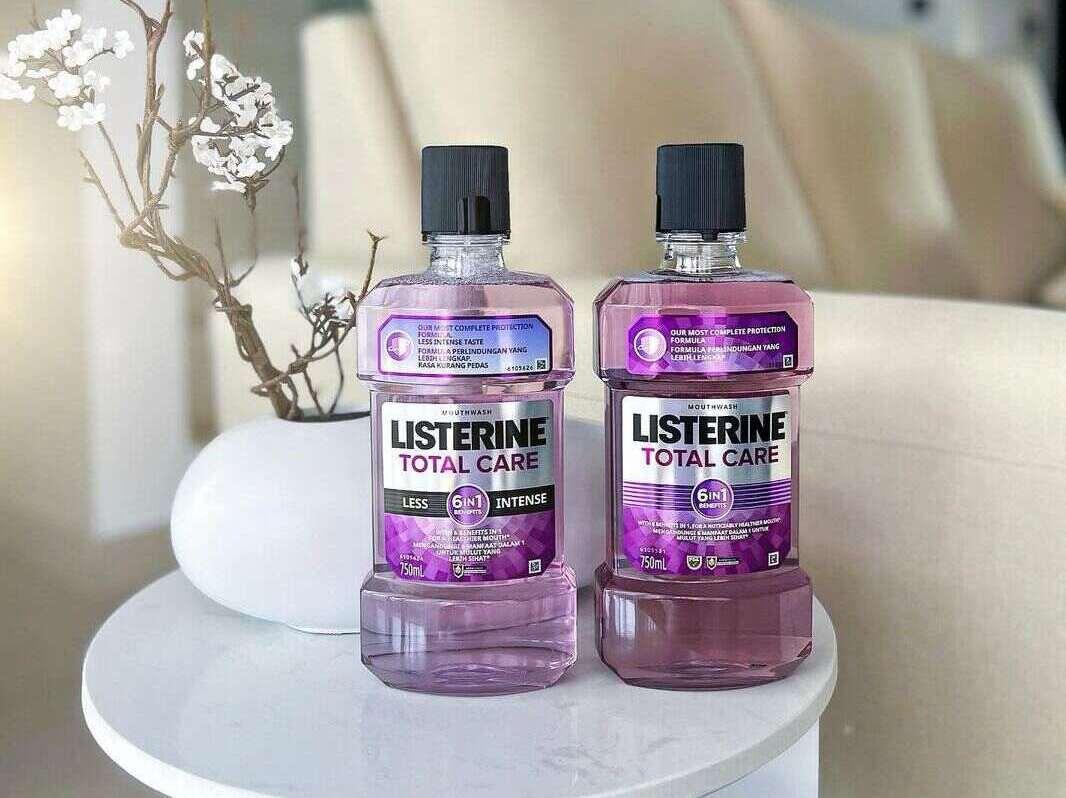
Keep the label with the mouthwash by leaving it in its original container, stored out of children’s reach. Check its date and directions. Products differ in ingredients and purpose, so a rule for one rinse is not necessarily a rule for another.
Do not use a product you cannot identify. Keep brushing and cleaning between teeth as well; mouthwash does not replace them. A dentist can advise whether a specific rinse has a place in your care.
8. Cooking oil
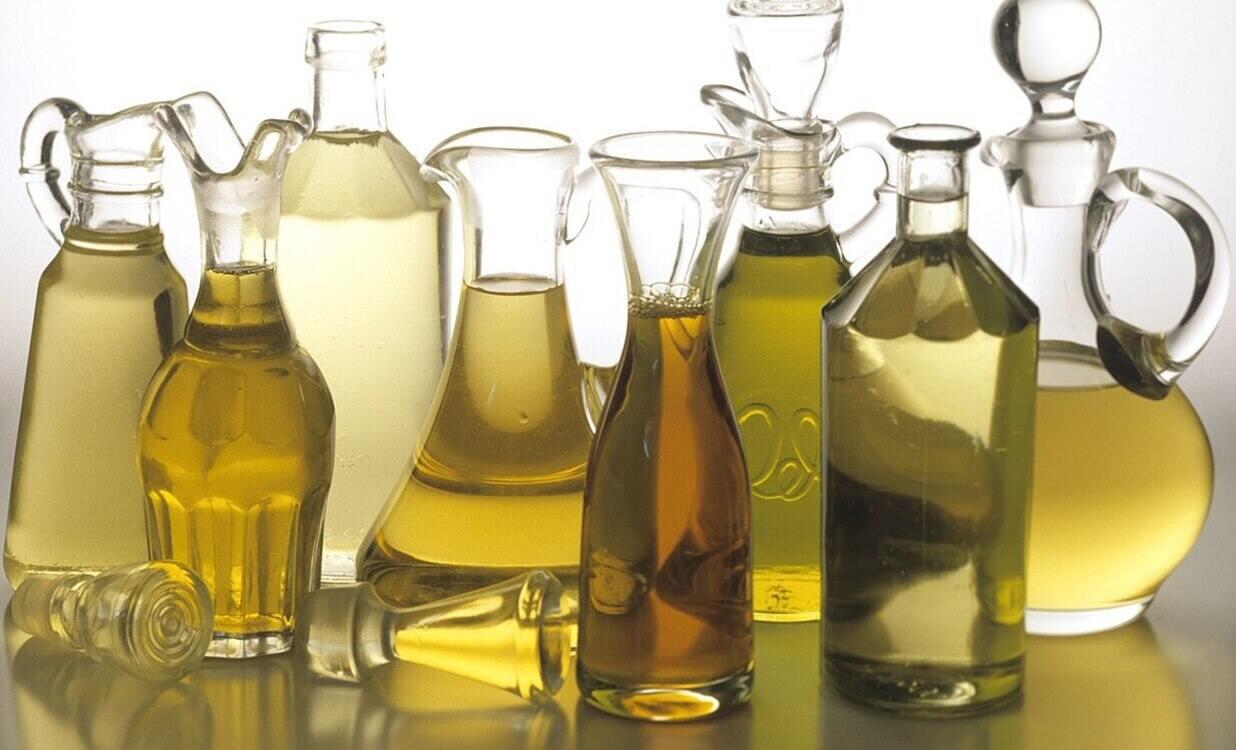
Buy an amount you are likely to use, especially once the bottle is opened. Air, light and heat can affect quality, so close the container and follow its storage instructions.
Check for changes in smell and appearance. Discard rancid, contaminated or poorly handled oil. A quality date passing does not establish that an ordinary serving causes cancer or heart disease. The directions for the specific oil and its condition give you more to work with than an invented universal deadline.
9. Sunscreen

FDA recommends throwing away sunscreen once it expires. If the bottle has no expiration, the limit is three years after purchase. An unknown age is a reason to replace it.
Think about storage as well as dates: excessive heat is something to avoid. Check the container ahead of a day outdoors, while there is still time to obtain a suitable replacement. Then use that product according to its directions.