Care Doctor
Hand, Foot, and Mouth Disease: When Mouth Sores Make Drinking Hard
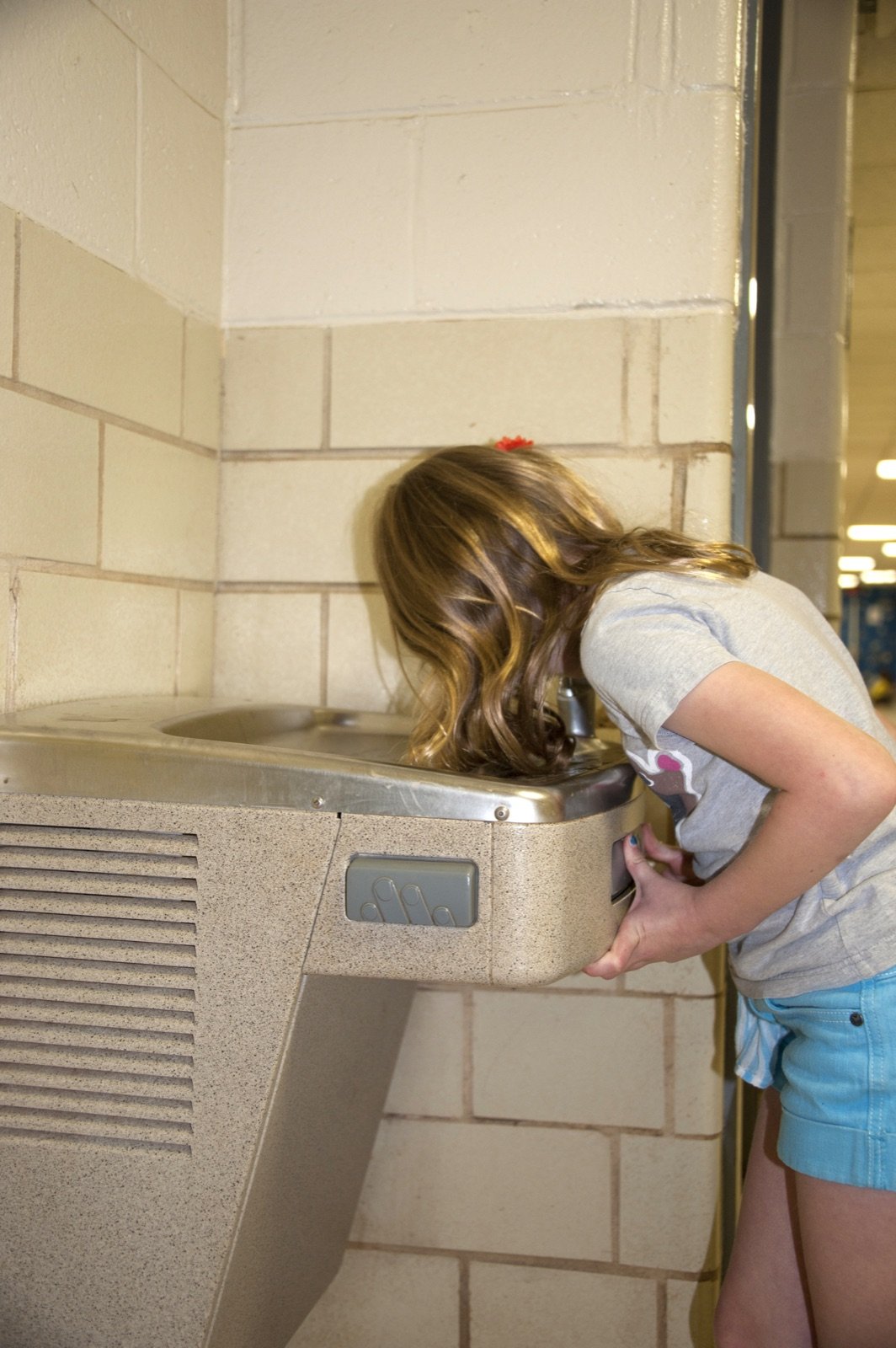
If your child has a sore mouth and keeps pushing a cup away, tell the healthcare provider what they’ve managed to drink and when. Hand, foot, and mouth disease can cause painful mouth sores. If swallowing seems to hurt, note whether your child has been drinking less. MedlinePlus lists dehydration as a possible complication. Changes in how often your child pees or how many wet diapers you see can help a clinician understand what’s happening.
When you call, start with what happened the last time you offered a drink. Say if your child turned away, tried to swallow and stopped, or took a few sips before setting the cup down. Ask the doctor what they want you to do next, given how your child has been drinking and acting.
What symptoms usually look like
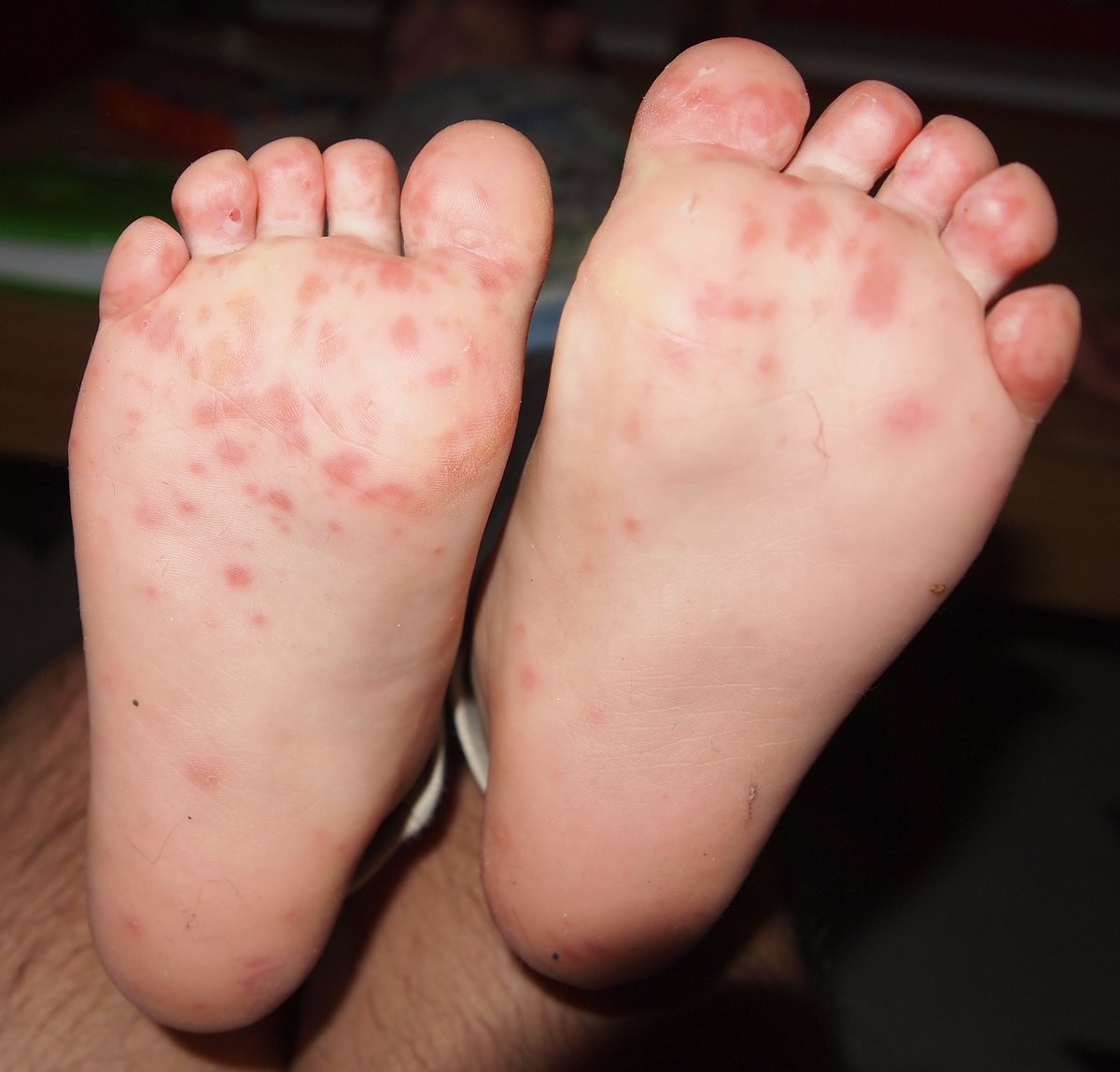
MedlinePlus lists fever, mouth sores and a rash that can affect the hands and feet. The NHS also describes painful mouth ulcers. If you call the office, you can say when the fever began, when you first noticed the sores, and where the rash appeared. That gives the provider a sequence they can ask about. If your child is not drinking fluids, call their doctor. If you suspect dehydration, call the doctor right away or seek emergency care. Get help before preparing a summary.
The UK’s NHS guidance says hand, foot, and mouth disease usually gets better within seven to ten days. That estimate differs from the five to seven days MedlinePlus gives for complete recovery. The NHS advises getting help if symptoms have not improved after seven to ten days. Seek help promptly if your child is peeing less than usual. That advice applies at any point in the illness.
If you are sharing care with someone else, compare notes on when your child last drank and when they last peed. A simple report such as “He took a few sips at lunch, and there was one wet diaper this afternoon” gives the clinician something specific to ask about. Use whatever details you know.
Why a sore mouth can turn into a fluid problem
If your child drinks less, look for signs of dehydration as well as the sore mouth. MedlinePlus lists a dry mouth and tongue, crying without tears and going at least three hours without a wet diaper as possible signs in infants and young children. Call your child’s doctor right away or seek emergency care if you suspect dehydration. Tell the clinician which changes you have seen.
A child who can manage cold drinks but refuses their usual drink is giving you a detail you can pass on. So is a child who tries to drink but stops. You do not have to work out the cause on your own. Tell the clinician whether they could drink earlier, how much has changed, and how long the difficulty has been going on.
How to notice a child who is struggling to drink
Noticing starts with a comparison you can already make: what a usual day of drinking looks like for this child, and what the last day looked like. You do not need measurements. Cups, sips and refusals described in ordinary words give a clinician something to work with. Separate the reasons too. Three possible reports, offered as examples and not findings, are a child who stops after one sip and cries, a child who takes a cold drink but not a warm one, and a child who drinks more when a caregiver offers the cup. A clinician may weigh them differently.

If you have already reached the doctor and need a note for a follow-up, three details are enough. Which day of illness is it? How does today’s drinking compare with a usual day? What has changed since yesterday? When your child is not drinking or you suspect dehydration, get help first.
It can help to describe what changed in familiar terms. Maybe there is still water in the cup your child normally finishes before lunch, or you are changing diapers less often than on a typical day. Give the clinician the comparison and when you first noticed it so they can ask what they need to know.
What to tell the office when you call
Once you are on the phone, describe what your child drank and what changed. You can use a short comparison, such as how much was left in a cup your child typically finishes. If the office asks for more detail, give the best time or amount you remember.
When you call about a child who is drinking less, you might ask this question. Given how much my child has been drinking compared with usual, is this something you want to see today, or is there something specific I should watch for and call about? Your child's age matters to the doctor, so give it before asking what to watch for.
When to call about dehydration
The American Academy of Pediatrics advises calling your child’s doctor immediately or going to the emergency department if you suspect dehydration. It also advises calling if your child is not drinking fluids or has a fever lasting more than three days. MedlinePlus lists reduced or darker urine and reduced alertness as signs of dehydration. Get help promptly if your child is peeing less, has fewer wet diapers than usual, or seems less alert. If the office asks about a fever, say when you first noticed it and what you have measured since.
MedlinePlus lists signs that call for immediate medical help, including fainting, no urination, confusion, a fast heartbeat or fast breathing. Seek emergency care right away if you notice those signs. The pediatrician can help with questions about drinking or other symptoms when there is no emergency. If your child usually takes a bottle, you can say how many feeds they took and how that compares with a typical day. If you are uncertain about amounts, say when you last saw your child drink.
If the child has another caregiver during the day, ask what they were able to drink and when. It is fine to say you know about breakfast and dinner but have no good account of the hours between them. Do not let that gap postpone a call when you are concerned. The provider can ask for more details.
What to have ready when you call
If your child is not drinking fluids or you suspect dehydration, get help first. When you speak to a clinician, tell them when your child last drank and what changes you have seen. Follow the clinician’s advice on what to do next. Notes may help later if you need to answer more questions.