Care Doctor
How to Make One Medication List for a Doctor’s Appointment
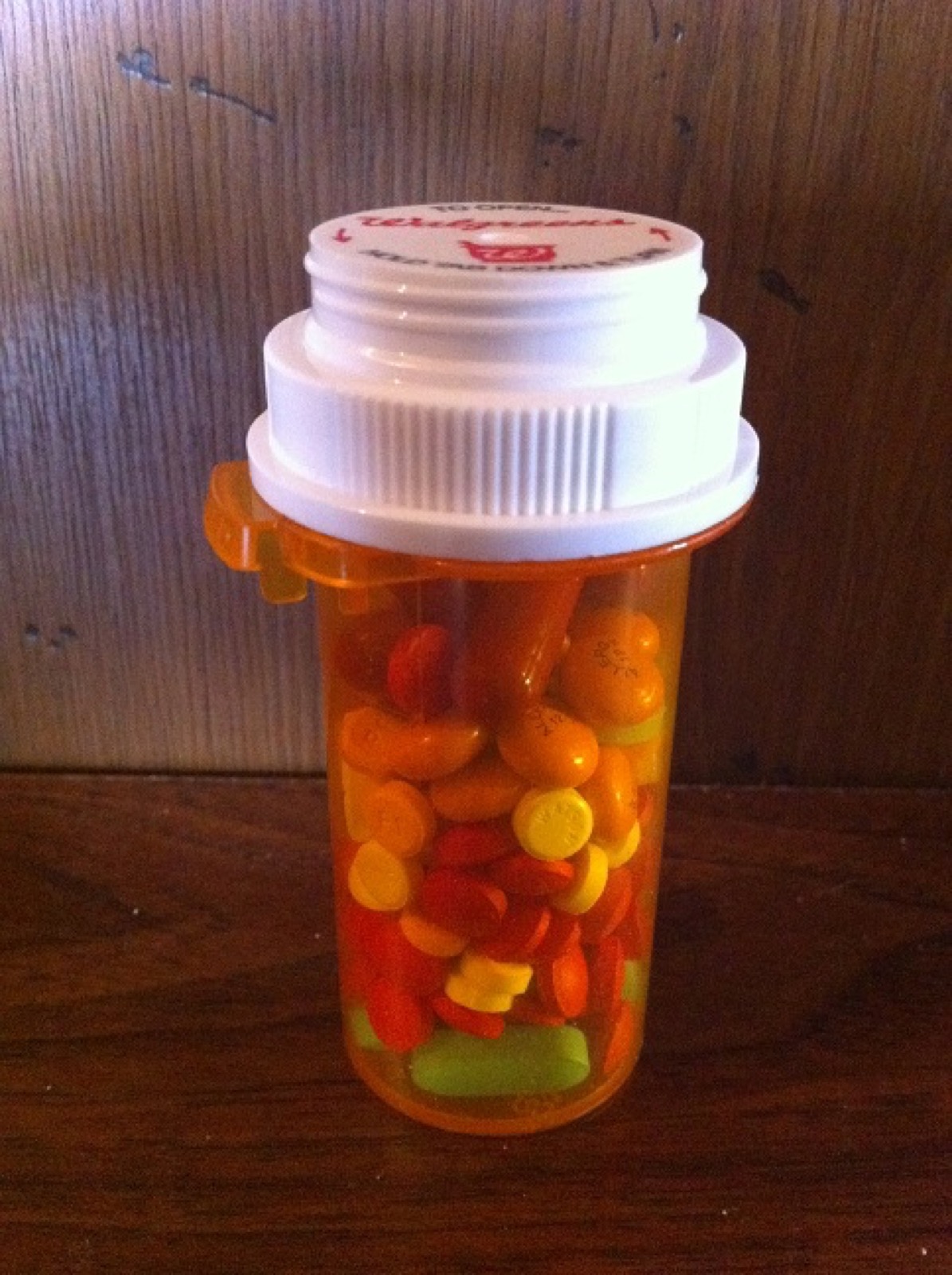
Why one list beats memory
Picture the appointment as a comparison. The clinic holds a record of what has been prescribed. You know what you actually take in an ordinary week, including the bottle in the bathroom cabinet and the vitamin you started on your own. If the two differ, nobody can see it unless someone writes it down. One list puts both versions in front of the same person at the same time.
The U.S. Food and Drug Administration (FDA) recommends keeping a current medication list and sharing it with health care professionals. In its consumer update, last marked current on January 8, 2025, the agency says the list should cover prescription medicines, over-the-counter (OTC) medicines, vitamins and supplements. OTC means sold without a prescription, such as a pain reliever or an allergy tablet.
The agency says a list helps health care professionals know about your current health and minimize medication errors and adverse drug interactions. That is the FDA’s stated purpose for the list, and its consumer update does not put a number on how much a list reduces errors.
Two points from the FDA explain why the vitamin belongs next to the prescription. Some medications should not be used with other drugs, foods or supplements, it says, and certain combinations can make treatment less effective or too strong. The agency also notes that medicines can occasionally cause false results on bloodwork or other lab tests, and that a medication list can help sort those out.
What goes on the list
Start with everything, then sort it. Walk through the kitchen, the bathroom and the bag you carry, and write down every prescription, OTC product, vitamin and supplement, including ones you use only now and then. As a fictional example, a list might hold Medicine A, a prescription; Product B, an OTC pain reliever; Supplement C, an herbal capsule; and Vitamin Product D, a daily multivitamin.

For each item, the FDA says to record the name, the strength, what you take it for, and when, how and how much you take it. Its consumer update also asks for your allergies and emergency contacts. Copy the name and strength from the label or package instead of relying on memory, because a close guess is harder to check than an exact entry.
The FDA’s My Medicines template turns this into columns: the medicine, its strength, its use, the times you use it, and start and stop dates. Those headings work as a checklist for the conversation. When the clinician reads down the page, each column asks a separate question: is this the same product, the same strength, the same purpose, the same schedule and the same dates as the record? Nothing about filling it in changes what was prescribed.
How to note a discrepancy
A discrepancy is a difference between what the record says and what you actually take. It is not a mistake you need to hide, and it is not a verdict. It is information. Give each difference one short entry with three parts: what the record says, what you actually take, and the date or period if you know it.
Three fictional entries show the pattern. First: the record lists Medicine A in the morning, and you usually take it in the evening, which began last month. Second: the record does not list Product B, and you use it some weeks. Third: the record lists Supplement C, and you stopped it about two weeks ago.
Write what happens, not what you think should happen. Do not stop, skip or change anything so the page looks tidy before the visit. A list that matches the record because you adjusted your routine hides the very difference the clinician needs to see. Whether Medicine A in the evening, Product B or a stopped Supplement C matters is a judgment for a clinician or pharmacist, not for the list.
Questions that keep the visit manageable
A page of differences can tempt you into a page of questions. Pick one or two, put them in plain words, and let the list carry the detail. Try an opening such as: Does this match what you have on file for me? Or, for a single entry: The record says morning for Medicine A and I take it in the evening, so could you look at that with me?
Questions about Product B or Supplement C can be just as plain: Is it all right that I use this alongside what you have prescribed? The answer belongs to the clinician. The list only makes sure the clinician is answering about the right products.
Keeping it with you, and where it falls short
The cost is mostly time, and the format is flexible. The FDA says the best list is the one that is easy for you to create, maintain and remember to share, and it names a paper list, an app, a downloadable form and a template from a health care provider as options. If one evening is all you have, a handwritten page with the name, strength, purpose and timing of each product is a workable start.

Once it exists, keep it where you will find it. The FDA suggests carrying a copy, for example as a photo on a smartphone or a paper copy kept with your health insurance card, updating it whenever a prescription is new, a dosage differs or a medicine has stopped, and sharing it with a trusted relative, friend or caregiver who may go with you to appointments.
The approach has limits. A list cannot fix a label you cannot read, a bottle you cannot identify or a routine someone else manages for you; in those cases, bring the containers or ask the person who helps you to come along. A list also cannot judge whether a combination is a problem. Only a clinician or pharmacist reviewing it can do that. And if symptoms feel urgent, seek urgent care first and finish the list later.
What to understand before you go
Before the appointment, you only need to understand one thing: the list is a record of what you actually take, written so someone else can compare it with theirs. It does not need to explain, justify or correct anything. The explaining, checking and deciding belong to the person across the desk.
A bounded next step for tonight: gather every container and package, write one entry for each using the My Medicines headings, and add a three-part note wherever your routine and the record differ. Then take the page to the visit and ask for a review. If you cannot tell which products you take, or the list runs past a single page, say so at the start of the visit and let the clinician decide how to sort it.