
Care Doctor
How To Stop Humans From Dying as the Avian Influenza Affects Millions
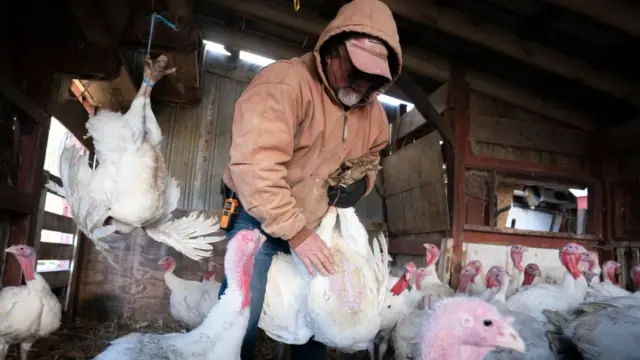
The past few years have marked the largest outbreak of bird flu, with millions of wild and domesticated flocks becoming infected. Most of the infected birds are either culled by farmers or die of the illness.
As farm workers become infected with avian influenza (H5N1), excerpts worry that they aren't doing enough to keep humans safe from serious complications.
The Virus
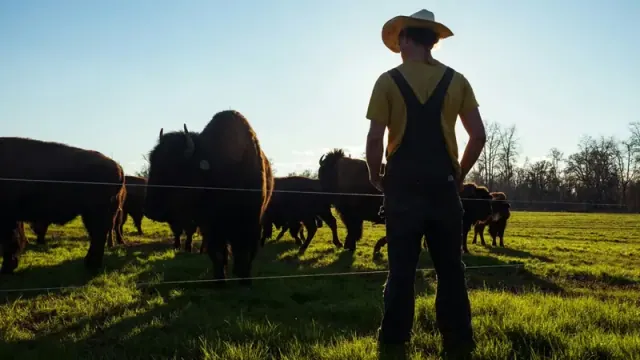
So far, the virus has infected millions of wild and domesticated flocks. Wild bird deaths have reached the millions, and many farmers in the United States have had to cull their entire flocks.
The increased incidence of the virus makes it easier for the illness to be spread from animal to human. Several farm workers across bird and cattle farms have become infected.
Hard to Predict
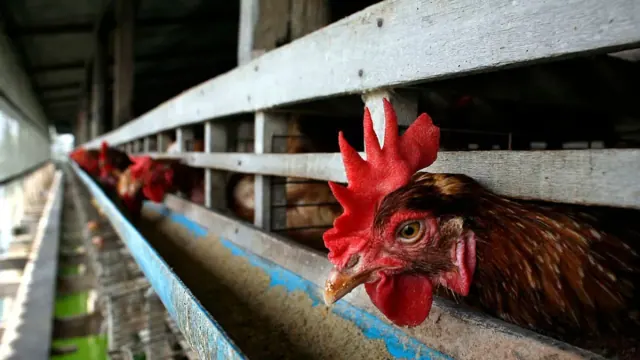
The rapid transmission and mutation of the disease means that it's especially hard to predict.
However, many experts say that the time to prepare for the worst is now. Many scientists remark on how different the COVID-19 pandemic would have been if they had known about it earlier.
Spreads Easily Among Animals
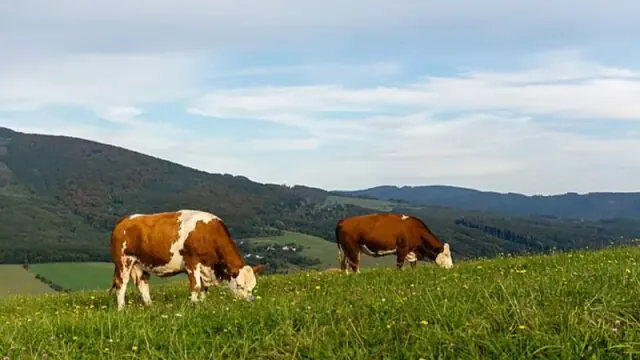
In the past year, the bird flu has spread especially easily to cattle. It's spread several ways, but one of the hardest to control is water contaminated by wild flocks.
Infected flocks of birds stop on farms throughout the American south and mid-west to rest. While there, any sick birds easily leave behind traces of the illness for cattle and other farm animals to pick up.
Infections Spreading to Farm Workers
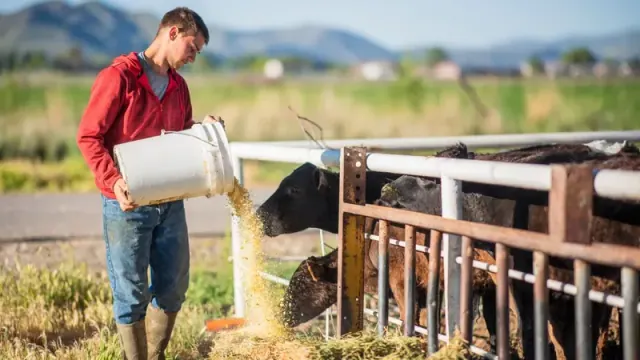
After cattle became infected so quickly, the virus soon spread to farm and dairy workers who come into contact with the animals daily.
The first confirmed case was recorded in April in Texas. Since then, dozens more infections have popped up. The symptoms have ranged from mils to severe and in many cases, farm workers don't have access to the most update medicines or care.
Mutating Rapidly

Scientists note that the quick spread of the illness shows just how fast the sickness can mutate.
Experts worry that the bird flu could soon become an airborne pathogen. In this case, another Covid-19-like pandemic would occur.
No Case of Human to Human Spread

There is one good piece of news so far in this debacle: there haven't been any confirmed cases of human-to-human spread.
Jumping from an animal to a human is just one step in the mutations that an illness can take. From there, another evolutionary jump needs to be made to be able to pass through people.
Be Prepared
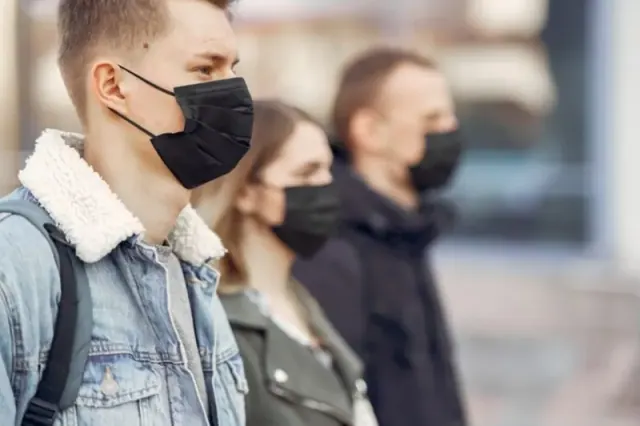
Experts note that if the COVID-19 pandemic taught the world anything, it's that the next big virus can spread just as easily and catching it early is the most essential component.
By the time that Covid was labelled and discovered, it had already left mainland China and spread throughout the globe. This time, scientists hope that being prepared for a new illness can save humans from disaster.
Drugs Could Be Created

The early detection of human infections also means that scientists are already working on a drug treatment for the illness.
For influenza, an antiviral drug can often be used to treat the infected. Vaccines take much longer to produce as they need to go through months or years of clinical trials to be deemed safe for humans.
More Surveillance Could Be in Place

Other countries like China and Korea have much more advanced detection systems for the illness.
If the United States wants to avoid mass casualties when the virus begins spreading through people, then they will need a much more advanced method of tracking the illness.
Could the Bird Flu Kill Humans?
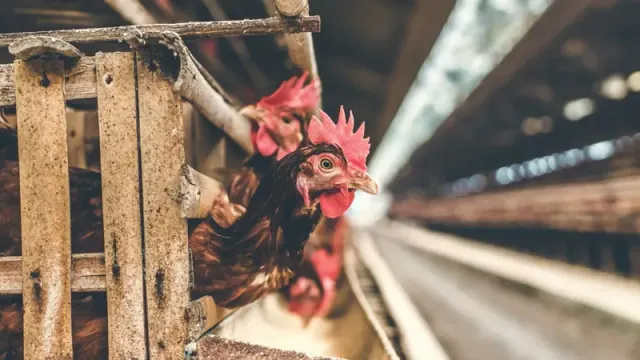
So far, none of the farm workers infected with the illness have died or had any severe symptoms. However, this is only a small sample of people.
How the virus might mutate and change as it infects people is unknown. At-risk people like the elderly and babies may be more susceptible to dying.
Not the First Bird Flu Epidemic
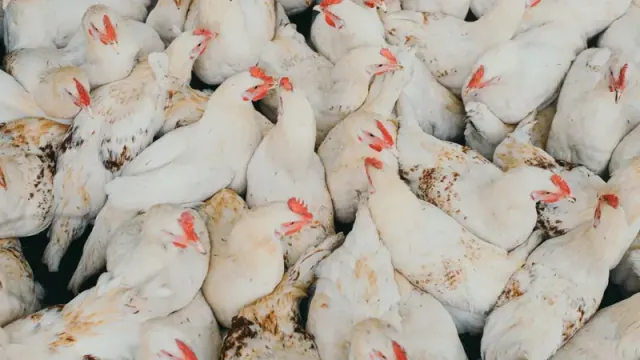
There have been three other massive spreads of the avian flu in the 20th century alone. Although incredibly common, it does wipe out millions of birds each time, bringing some wild flocks close to extinction.
This is the first time that the illness has made the massive evolutionary jump from bovine to human. Experts hope that the spread can be mitigated soon so that any human deaths can be absolutely avoided.
Related stories



Stephanie Bontorin
Stephanie Bontorin is a Vancouver-based writer and editor whose work covers news, lifestyle, travel, and literature. She also writes short stories, zines, and fiction.