Care Doctor
Kendra and Maliyah Herrin’s Lives After Separation Were More Than a Surgical Milestone
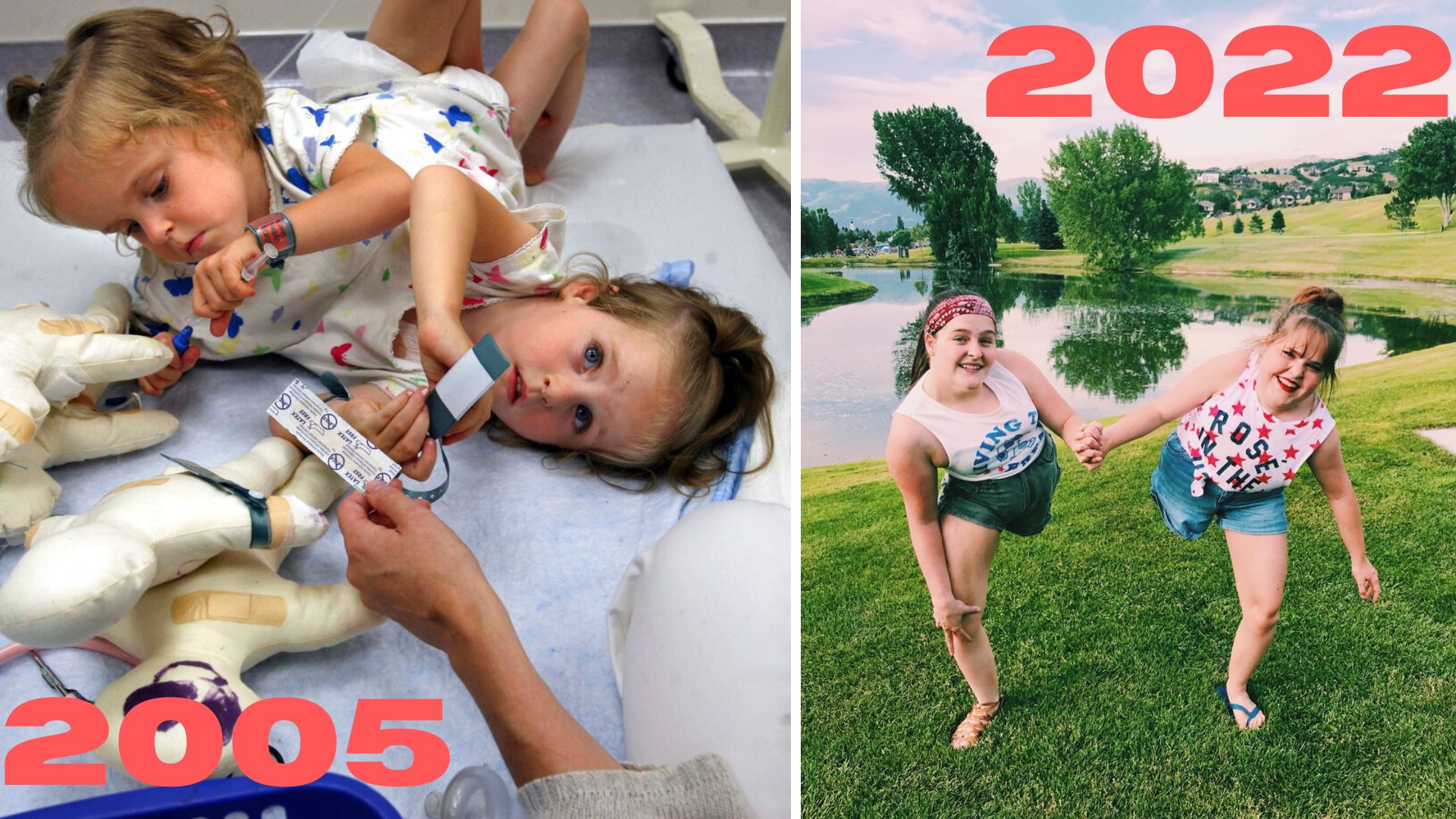
When Kendra and Maliyah Herrin were separated in 2006, the operation attracted international attention. The sisters had been born joined at the abdomen and pelvis, sharing several structures, including a single functioning kidney. Separating them meant planning for two different medical situations afterward.
The surgery was a milestone, but it was not the final chapter. Their family's accounts and the sisters' later interviews describe treatment, school, friendships and increasing independence. This retrospective follows that archived history, rather than presenting childhood photographs or earlier interviews as an update on their health today.
Born in Utah in 2002
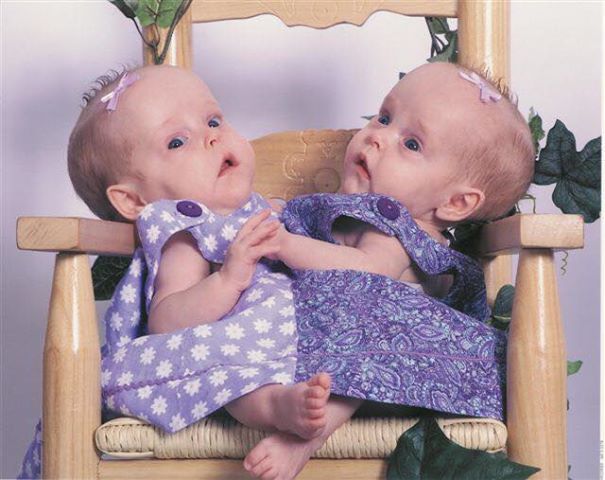
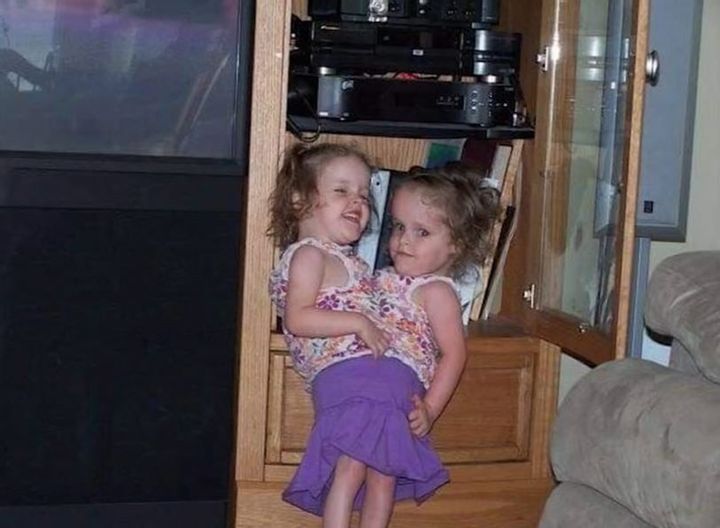
Kendra and Maliyah were born on February 26, 2002, in Salt Lake City. Their parents, Erin and Jake Herrin, were raising two children whose anatomy required unusually coordinated care. Each twin controlled one leg, while the way their bodies were joined affected how they moved together.
Their anatomy shaped care from the start. The archive does not establish every prediction made during their first day.
The Shared Kidney Shaped the Planning
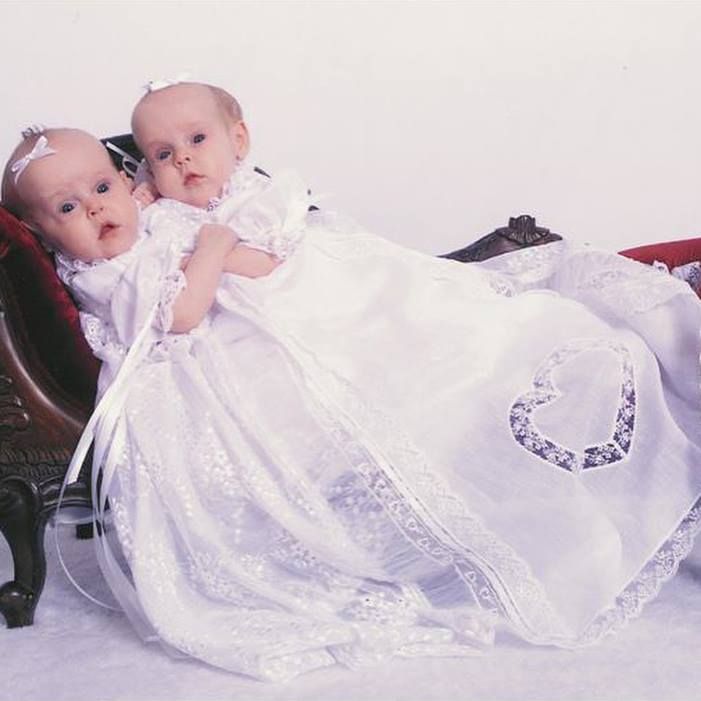
The kidney was a particularly important issue. Kendra would retain it after separation, while Maliyah would need dialysis and a plan for transplantation. That difference meant the operation could not be described simply as giving both children an identical medical outcome.
It also explains why the family needed more than a general account of successful separations elsewhere. Their daughters' particular anatomy and anticipated care were central. A claim that one kidney can never support two connected bodies is too broad to substitute for that individual assessment.
Separation Was a Family Decision With Medical Advice
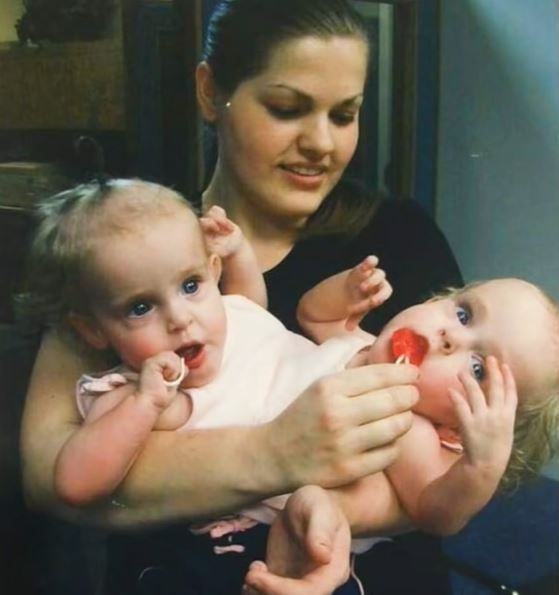
The parents consulted specialists while considering the risks of surgery and of remaining conjoined. Later archived accounts describe discussions with doctors and psychologists. They were trying to understand both the physical procedure and how their daughters might experience it.
Different anatomy creates different possibilities for conjoined twins. The Herrins made a decision about their daughters, with advice directed to their particular circumstances.
The Children Needed an Explanation They Could Understand
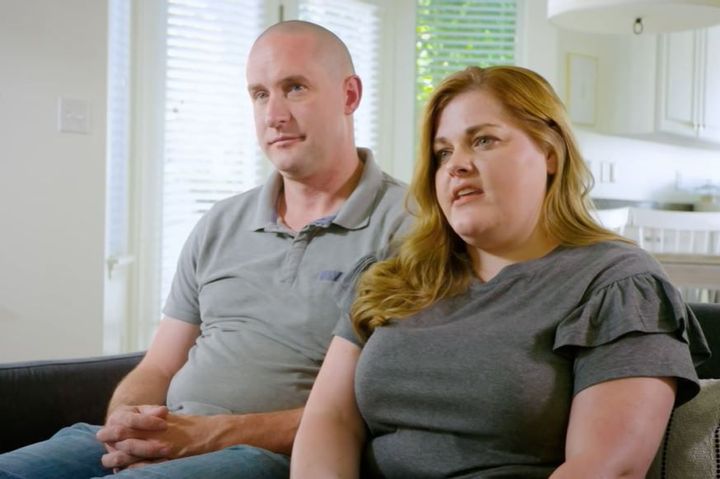
In later interviews, the sisters recalled being young when the possibility of separation was explained. They could understand the idea of having separate bodies more easily than the full range of medical risks. Their parents and hospital staff had to prepare them at that level.
It is not necessary to invent a private conversation to appreciate the difficulty. A four-year-old's understanding of an operation is different from an adult's. The family's account describes trying to make an unfamiliar experience manageable without expecting the children to assess it like surgeons.
Preparation Extended Beyond the Operating Room
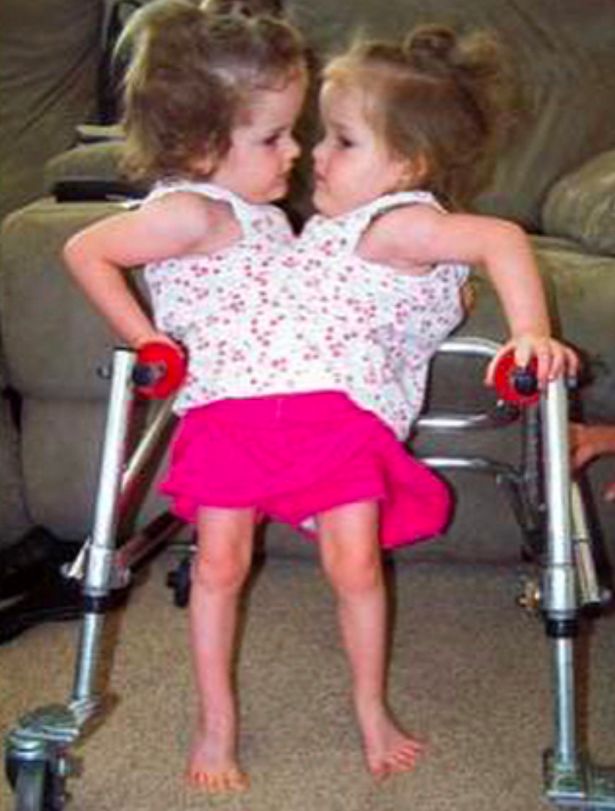
The operation did not begin as an unplanned response on the day of admission. Teams had studied the anatomy and anticipated what each child would need. The planning included how to close the resulting wounds and how to provide care once the twins were in separate beds.
Imaging, discussions and coordination preceded the operation. The time in the operating room was only one part of that work.
Tissue Expansion Had a Purpose
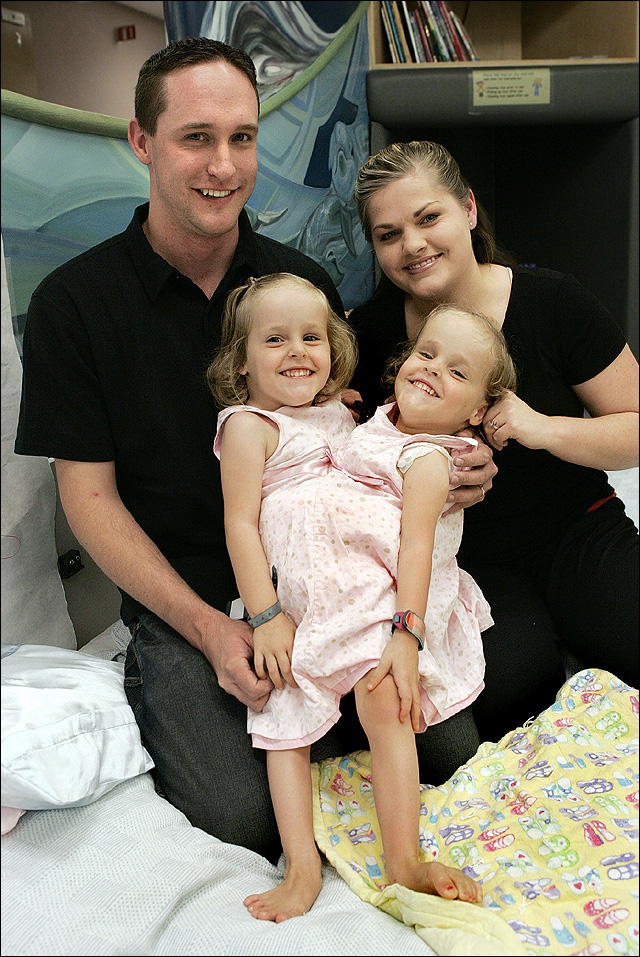
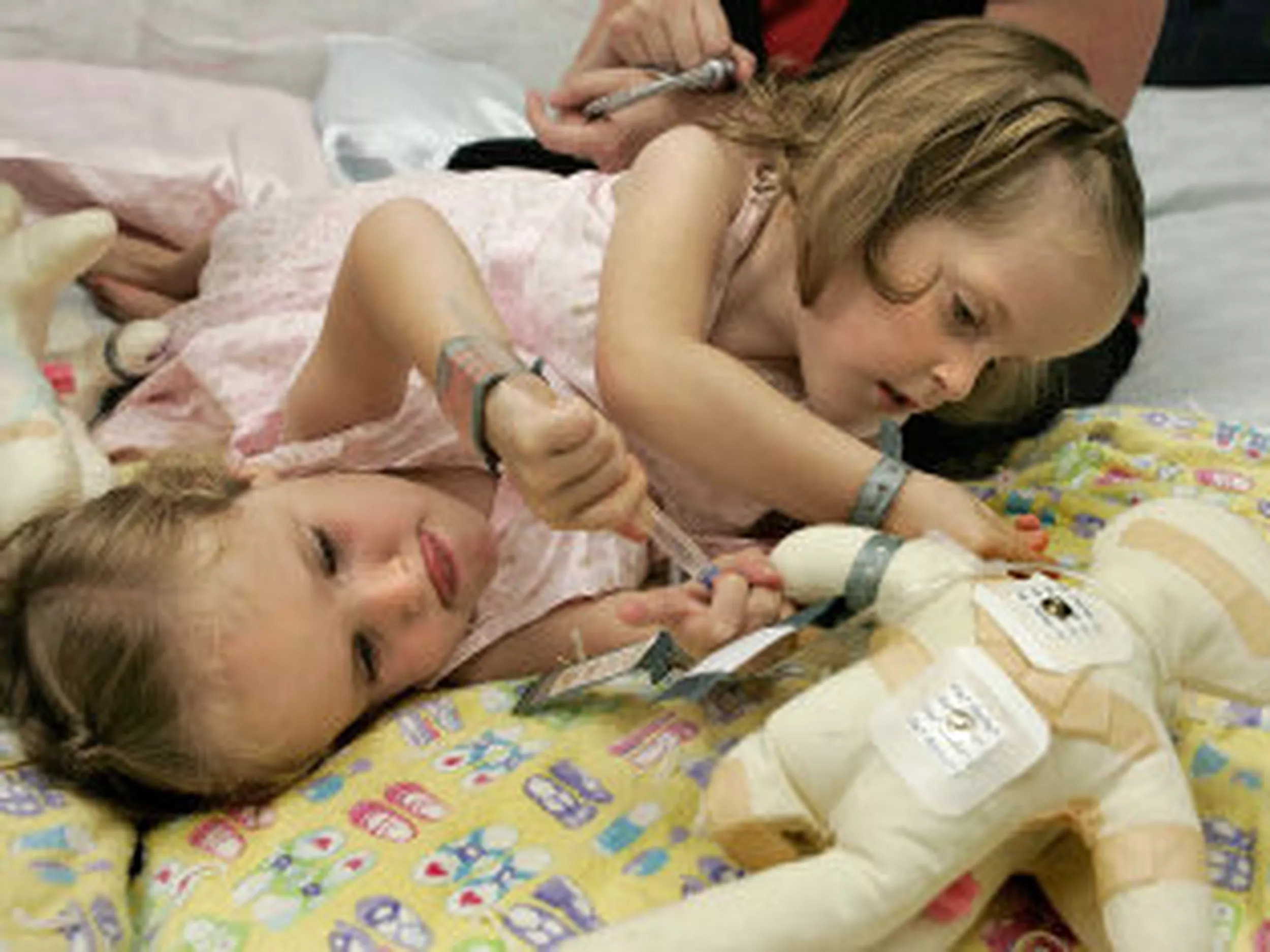
The sisters' archived recollections include tissue expanders placed under the skin. These were gradually enlarged so that additional skin would be available for closure after separation. The description helps explain one practical issue that a simple before-and-after photograph cannot show.
The amount of available tissue and the arrangement of shared structures differ between patients. Their preparation was specific to their anatomy.
Hospital Staff Made Room for Play
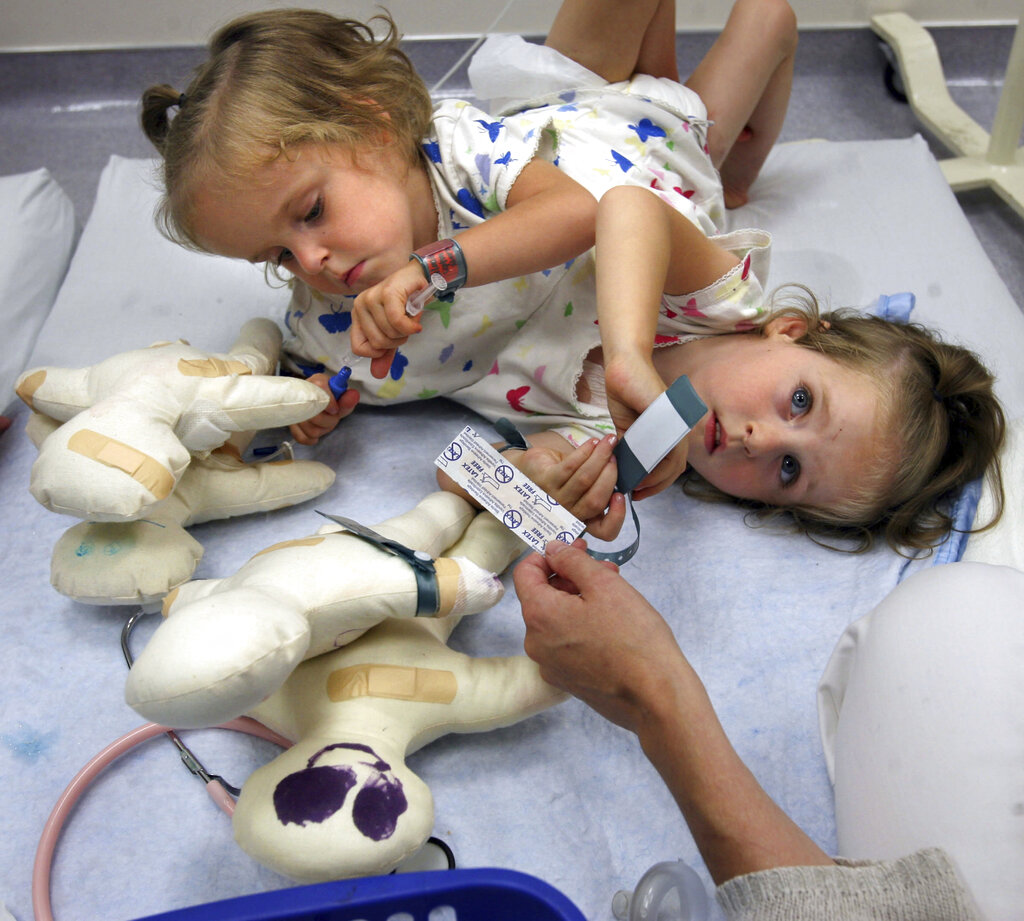
The original account describes a playroom, nurse badges and staff who helped the children feel welcome. Those details are small compared with the operation, but they explain how a hospital stay could contain ordinary childhood activity alongside medical preparation.
A child does not stop needing play or familiar people because the treatment is unusual. In the sisters' memories, those parts of the stay mattered. They also provide a more human picture of care than an account made entirely from the number of specialists or hours involved.
The Last Days Before Surgery Were Still Family Days
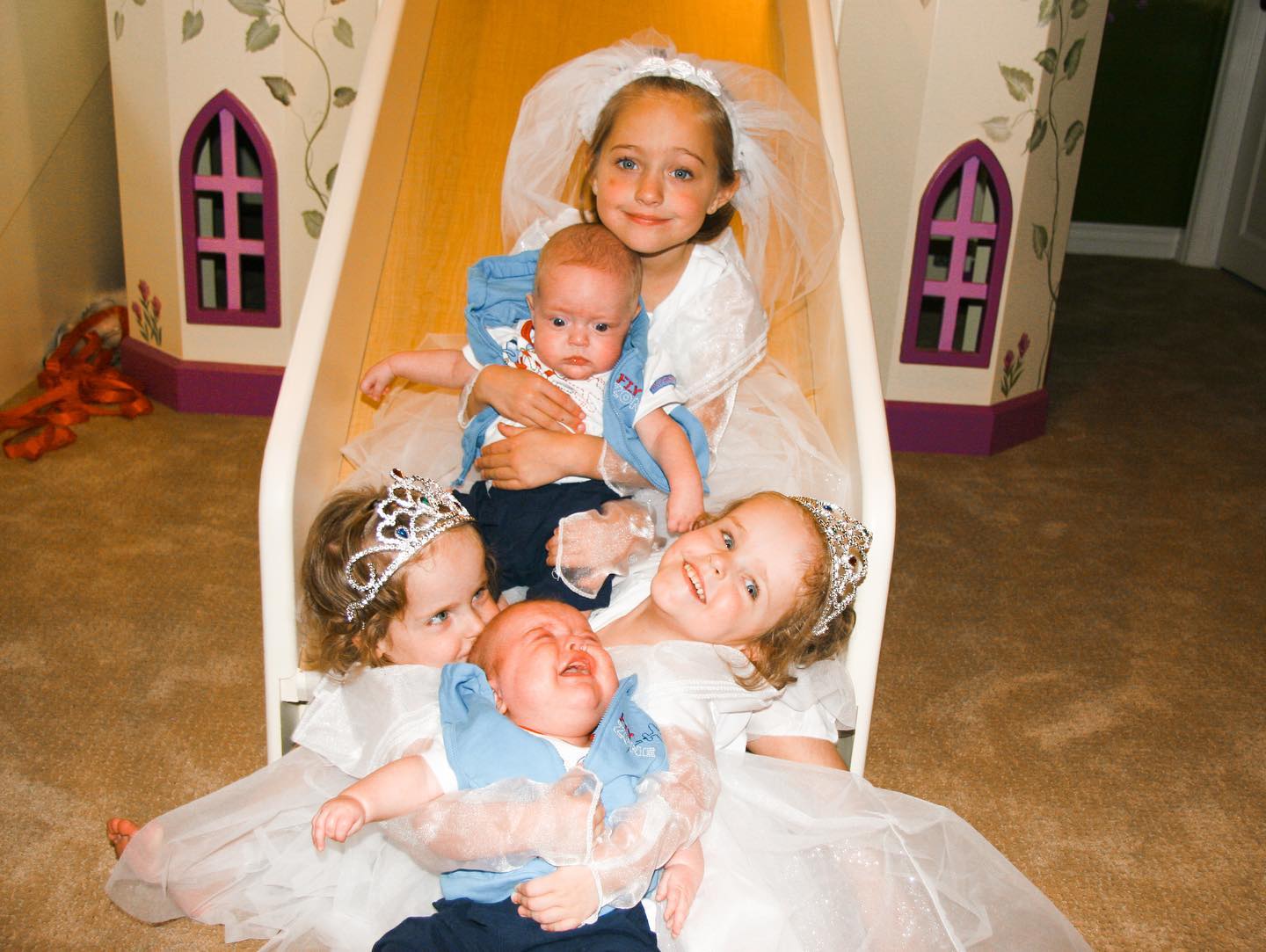
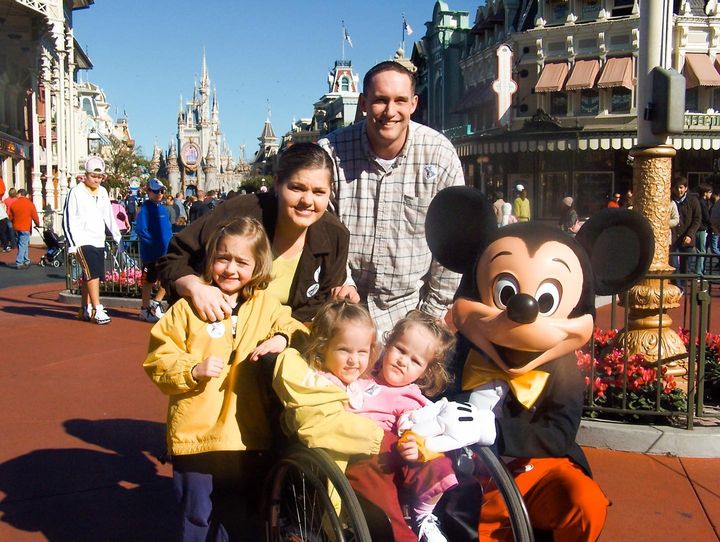
The archived family story includes outings and time together before the operation. It would be easy to turn those memories into a dramatic prediction that nobody expected the girls to return home. The available account does not require that embellishment.
The family was preparing for something serious while continuing to enjoy time together. The memories describe that time without documenting every private fear.
A Scavenger Hunt Helped Mark the Route
Kendra later recalled a scavenger hunt involving numbers on the way toward the operating room. It was one way staff made a frightening transition more approachable. The original account preserves it as a memory of care, rather than as a medical intervention with a measurable surgical effect.
Details like that can stay in the story without being made into proof that the children understood every risk. They show adults finding a practical, age-appropriate way to accompany them through a difficult day.
The Operation Began in August 2006
The separation began on August 7 at Primary Children's Medical Center in Salt Lake City. Contemporary reporting followed the work of the surgical teams through the following morning. The overall sequence, including continued reconstruction, was reported as taking about 26 hours.
Different reports sometimes counted particular stages separately. The important point is that it was a prolonged, carefully coordinated operation. The archive's suggestion that it had originally been expected to take only an hour does not fit the documented scale and is not a reliable description.
Each Child Then Needed Her Own Care
Once separated, Kendra and Maliyah had different immediate needs. Closing and protecting the surgical sites was only part of the work. Their teams also had to manage the consequences of the organs and structures each child retained.
A successful separation therefore did not mean both could leave the hospital immediately. The public milestone and the private work of recovery ran on different schedules. Contemporary reports of two beds captured a striking change, while the care behind that change continued well beyond the photographs.
Leaving Hospital Was Another Milestone
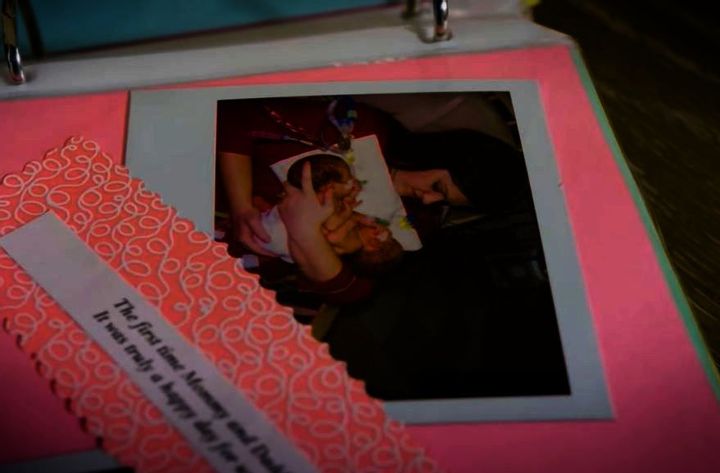
The twins went home in September 2006. Reports described a lengthy hospital stay that included preparation before the operation as well as recovery afterward. Counting all those days as postoperative treatment would give a misleading timeline.
Returning home still required adjustment. The family now had children recovering from a major operation and learning ways of moving separately. The discharge was good news, but it was not a declaration that medical appointments, rehabilitation or practical challenges had all ended at the hospital door.
Kendra Retained the Shared Kidney
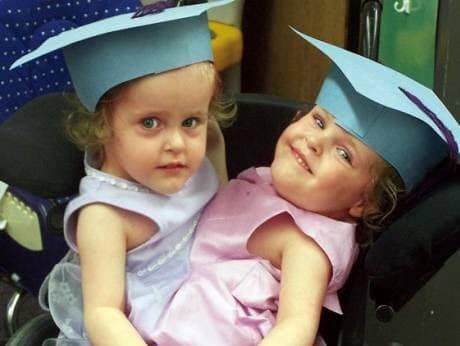
The surgical plan left the functioning kidney with Kendra. Maliyah began dialysis, which takes over some of the work normally performed by kidneys. This was an anticipated part of the separation plan, rather than a complication that appeared without warning afterward.
The sisters' different treatment needs are important to the account. They shared a history and remained close, but they did not have interchangeable medical experiences. Following both of them means paying attention to that difference rather than describing every later development as something that happened equally to the twins.
Erin Donated a Kidney in 2007
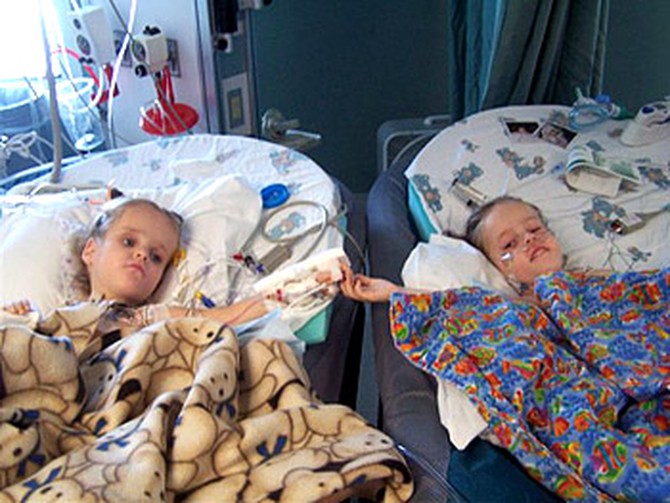
On April 3, 2007, Maliyah received a kidney donated by her mother. She was five. Contemporary hospital reporting described the transplant and the family's relief as both donor and recipient recovered from their operations.
The donation gave Maliyah a new stage of treatment after months of dialysis. It should not be described as a permanent guarantee that no further kidney problems could occur. Transplantation changes a patient's care; it does not make the need for ongoing medical supervision disappear.
The Family Later Reported Further Kidney Problems
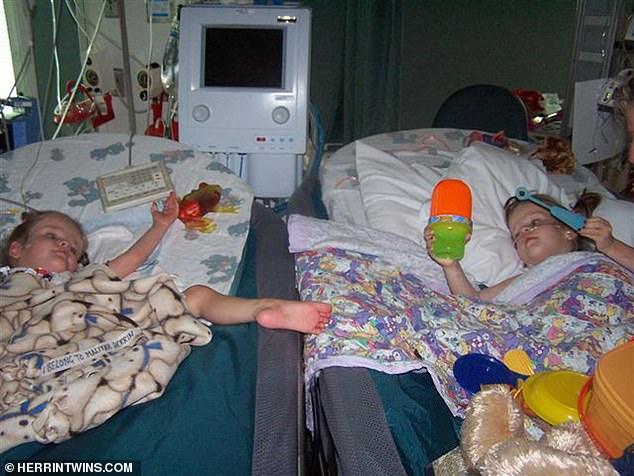
In an April 2018 blog update, the family described rejection and the eventual failure of the first transplanted kidney, followed by a return to dialysis. Those were later developments, separate from the successful early recovery reported in 2007.
Keeping the sources and dates attached avoids two opposite mistakes: claiming the first transplant immediately failed, or implying it settled the issue forever. The family's public update explains why another transplant became part of Maliyah's story without requiring speculation about what her doctors expected at every stage.
Another Donor Became Part of the Story
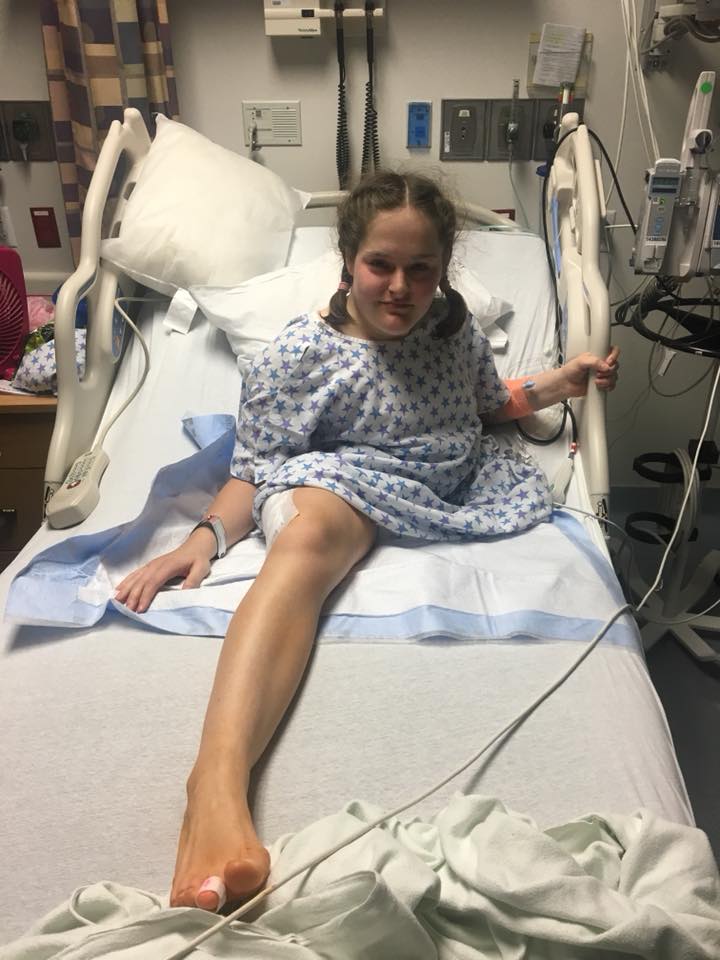
The 2018 family update announced plans for another transplant. Later archived accounts described a second donated kidney and the care that followed. The original story credited a donor outside the immediate family with making that next stage possible.
This retrospective does not turn those older reports into a current medical status. A successful procedure at one point in time and a person's health years later are different claims. The former can be documented from the archive; the latter would require a recent, reliable update.
Follow-Up Was Part of Treatment
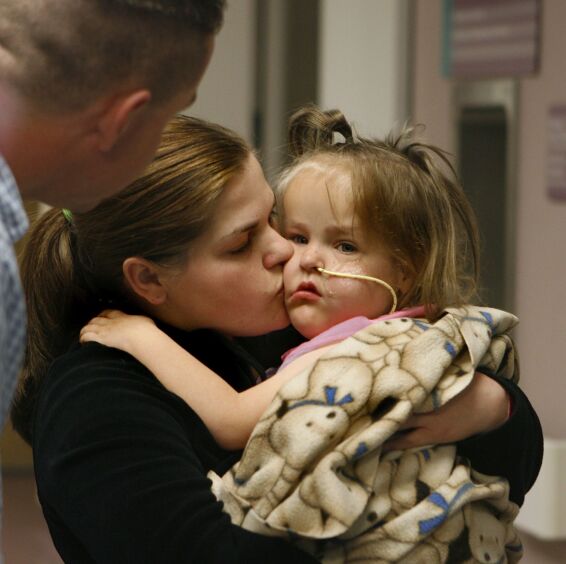
The source account describes repeat appointments and periods of concern after transplantation. That ongoing care belongs in the story alongside the moments of celebration. It helps explain why a single operation is often a beginning rather than the end of a patient's relationship with a clinical team.
There is no need to predict how long someone could survive on dialysis or describe every setback as a defeat. Those claims add fear without helping explain the documented sequence. The important point is that treatment and monitoring continued.
Moving Separately Took Practice
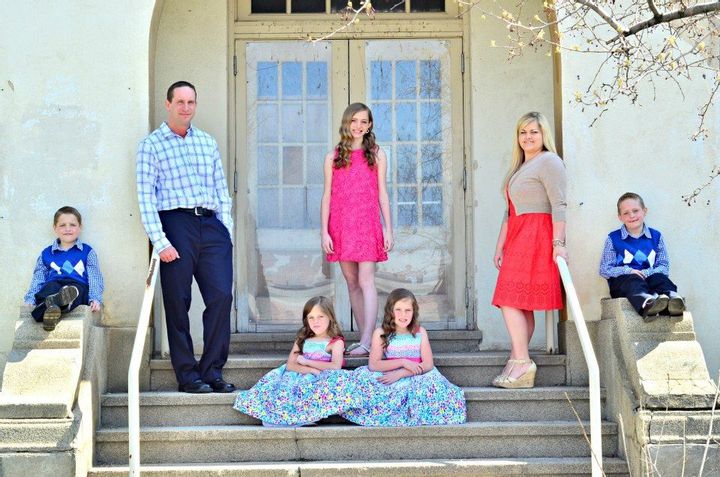
After separation, the sisters developed ways of getting around that suited their bodies and circumstances. Their archived accounts mention crutches, wheelchairs, scooters and other practical aids. They were not all steps on a ladder toward one supposedly superior way of moving.
Equipment can change with the distance, environment and energy required. The useful outcome is access to chosen activities; using a chair does not diminish independence.
A Rolling Stool Solved a Household Problem
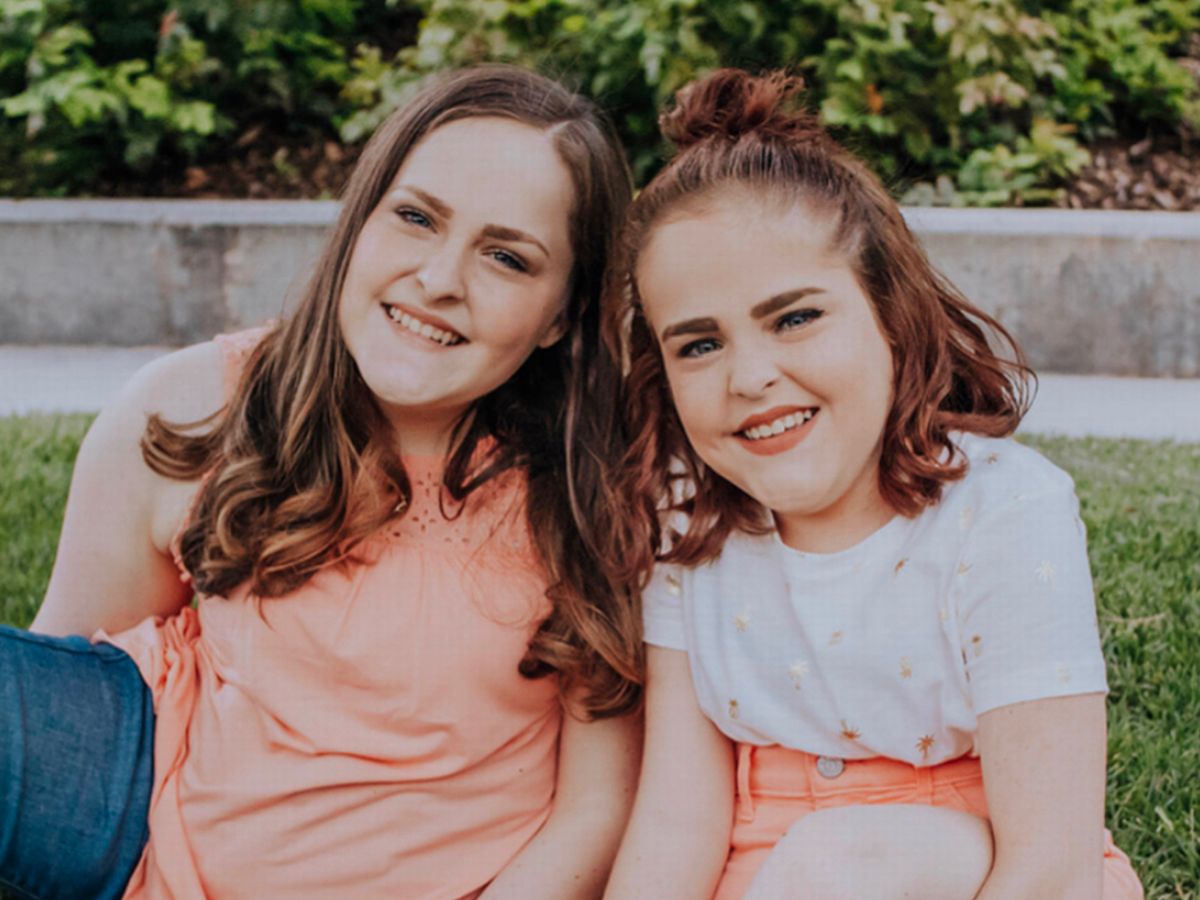
One memorable detail in the original profile was a wheeled stool like those used in medical offices. Their father had encouraged them to try it, and the sisters found it useful for moving around at home. An ordinary piece of equipment became a practical adaptation.
The story is not a recommendation that every household copy the setup without considering safety. It illustrates how the right solution can be specific to the people using it. Independence often depends on a suitable environment as much as on a person's physical effort.
Longer Outings Called for Different Equipment
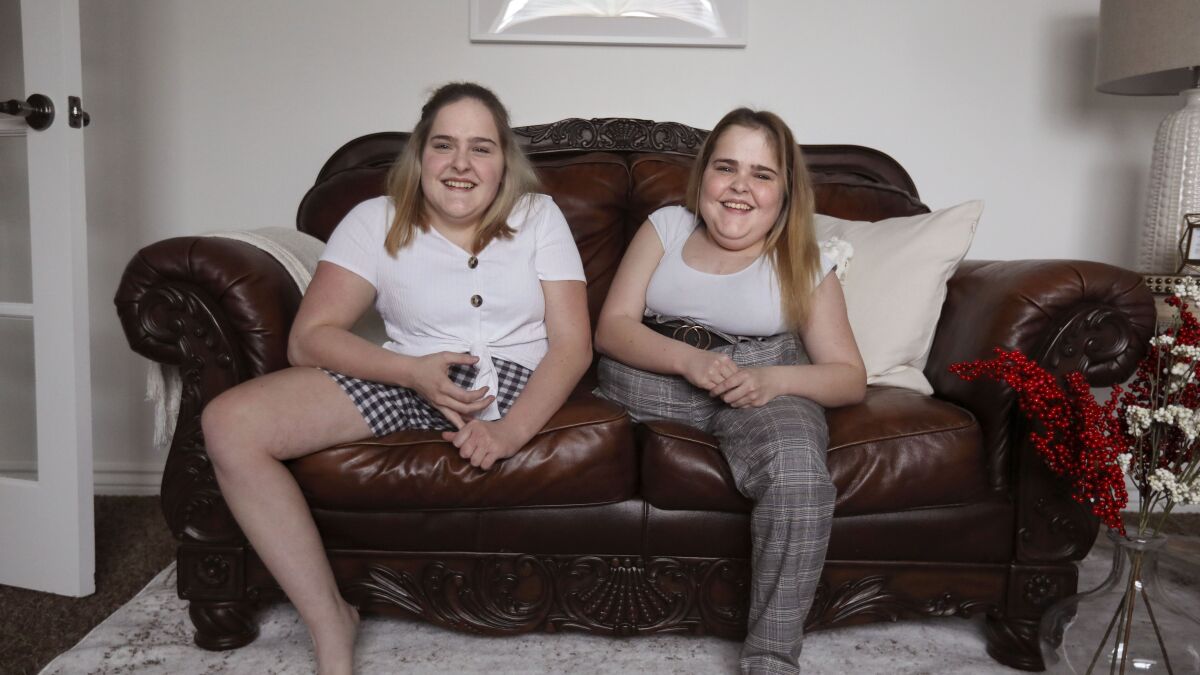
For places involving more distance, such as a zoo or amusement park, the archived account described electric scooters. That choice allowed the sisters to participate without making the outing primarily a test of endurance.
It is a familiar principle even when the circumstances are unusual: the best way to get around can change with the destination. A device that works well in a kitchen need not be the best one for a full day outside. Having options expands what a person can choose to do.
School Included Ordinary Concerns
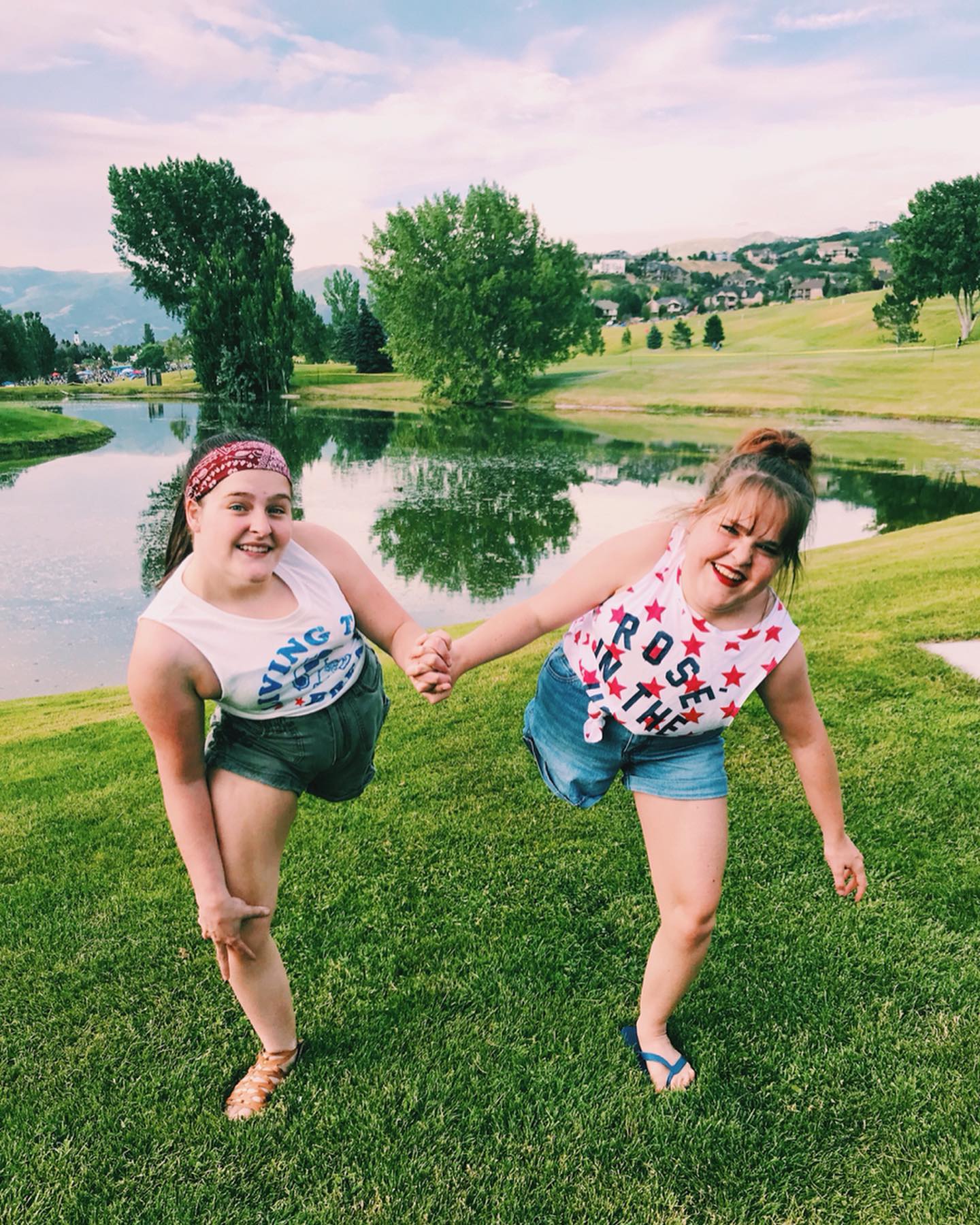
The sisters' recollections of high school included friends, teachers and the problem of getting between rooms in time. Their medical history did not replace the ordinary experience of being students. It did make some practical details, such as distance between classes, particularly relevant.
An accessible school experience involves more than a welcoming attitude. Routes, time and useful support affect whether a student can take part comfortably. Their positive account of school should be understood as their experience, not as proof that every disabled student receives the same opportunities.
Their Friends Knew More Than the Headlines
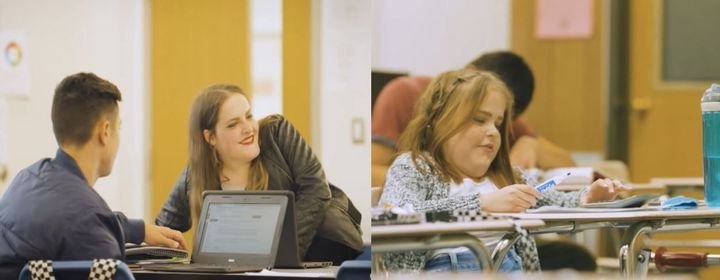
The original profile quoted friends describing the sisters' humor and resilience. Those friendships gave the account another scale: people spending time together, rather than strangers reacting to an unusual birth story. A medical history can be significant without being the only thing friends notice.
It is also worth preserving the sisters' own description of being accepted. They were not obliged to make every social interaction an educational presentation. The point of inclusion is that ordinary companionship can remain ordinary, even when a person's story is widely known.
Their Personalities Were Their Own
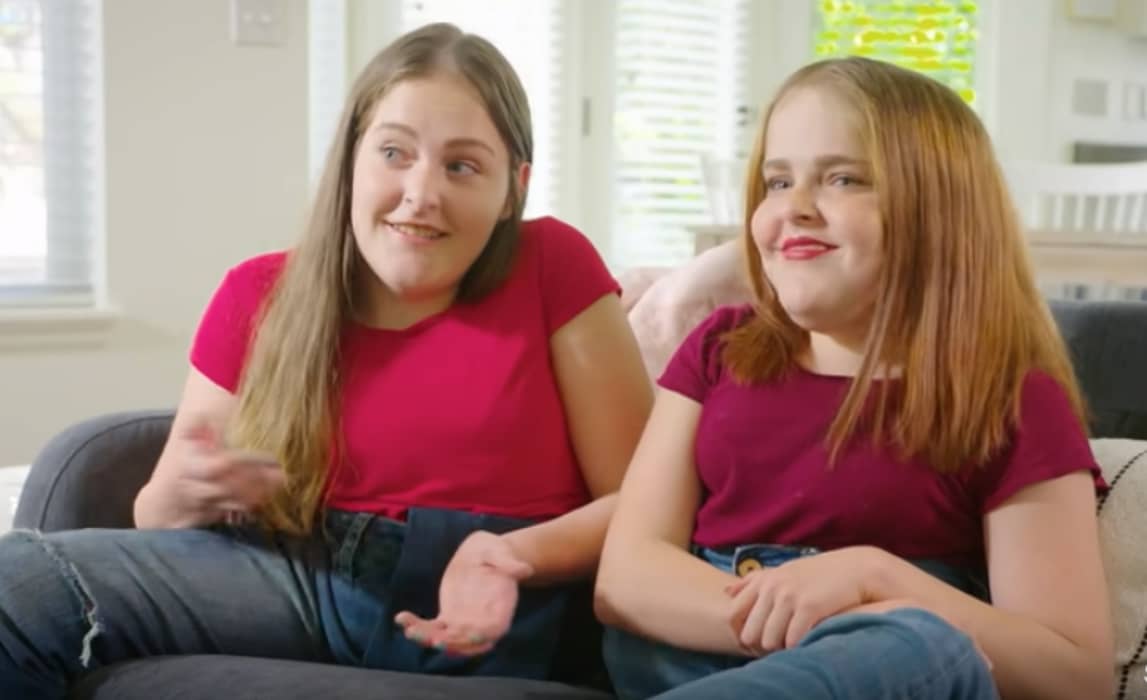
In archived interviews, Maliyah described Kendra as the more outgoing sister. That observation offered a glimpse of how they understood each other at the time. It was not a permanent personality diagnosis or a reason to assume they always wanted different things.
Twins can have close relationships and separate preferences. The Herrins' medical history makes that point especially visible, but it does not make their individuality something newly awarded by surgery. They were two people before the operation as well as afterward.
Rehabilitation Included Personal Goals
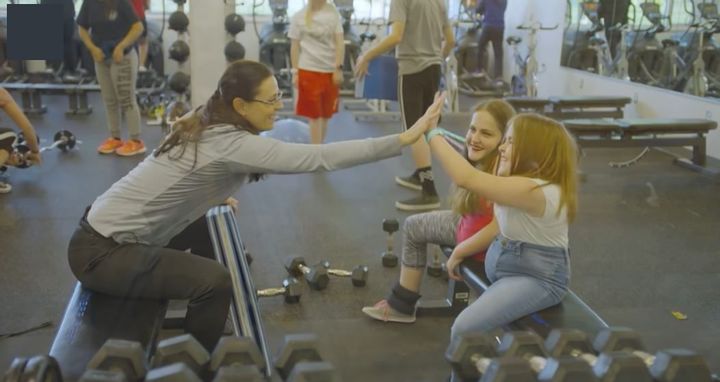
The school account described a physical-education teacher supporting their goal of using crutches. Working toward that aim mattered because it was something they wanted to achieve. It did not make other forms of mobility less valid.
Support can be most useful when it responds to the person's priorities. The teacher's role belongs alongside medical care and family help because daily progress often depends on several kinds of assistance. No single professional or inspirational moment can stand in for all of that work.
Videos Let the Sisters Speak for Themselves

The twins began making online videos while they were teenagers. The archive described a mixture of humor and accounts of their own experience. That gave viewers a chance to hear their voices, rather than encounter them only through a reporter's description of a surgical case.
Their channel also allowed them to decide which parts of life to share. Public interest does not create an obligation to supply every medical detail. A funny video and a discussion of surgery can exist on the same channel without either becoming the complete definition of its creators.
Humor Was Part of Their Account
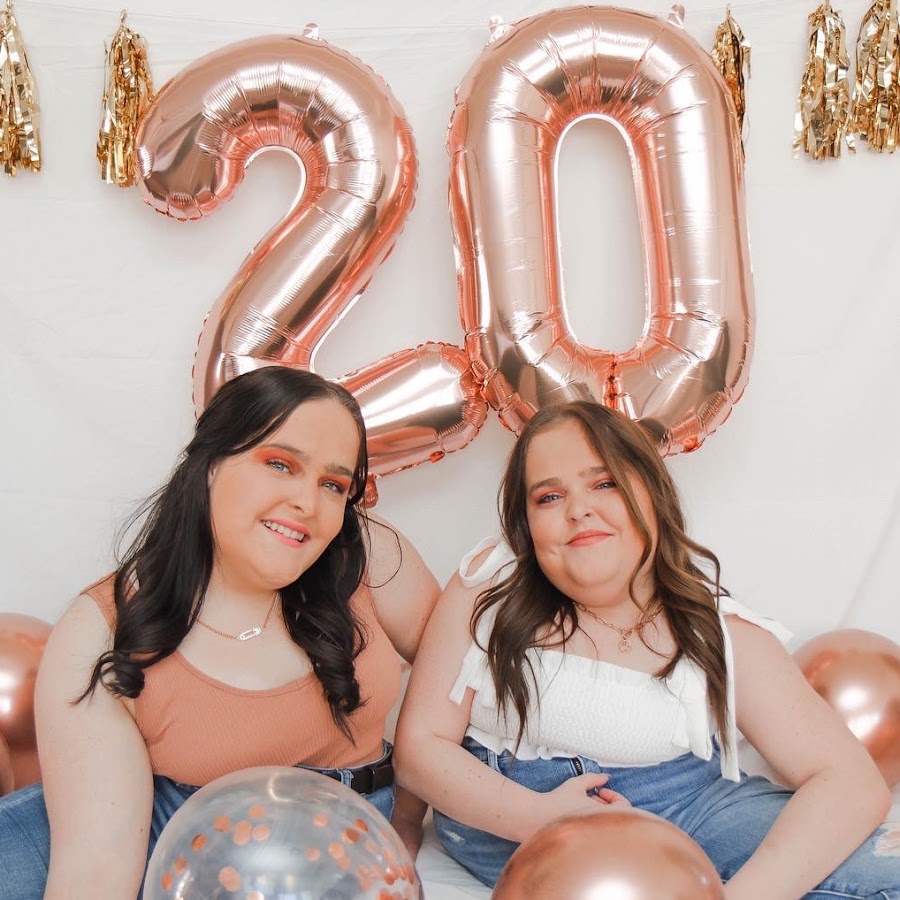
One anecdote in the original profile involved joking about having fewer toenails to paint. It was the sisters' humor about their own bodies, offered in the context of how they talked about life. A narrator does not need to turn it into a demand that they always remain cheerful.
People can joke about a difficult experience and still have difficult days. Leaving room for both makes the profile more believable and more respectful than assigning them an endlessly positive outlook because the audience finds that reassuring.
Advocacy Followed Their Own Interests
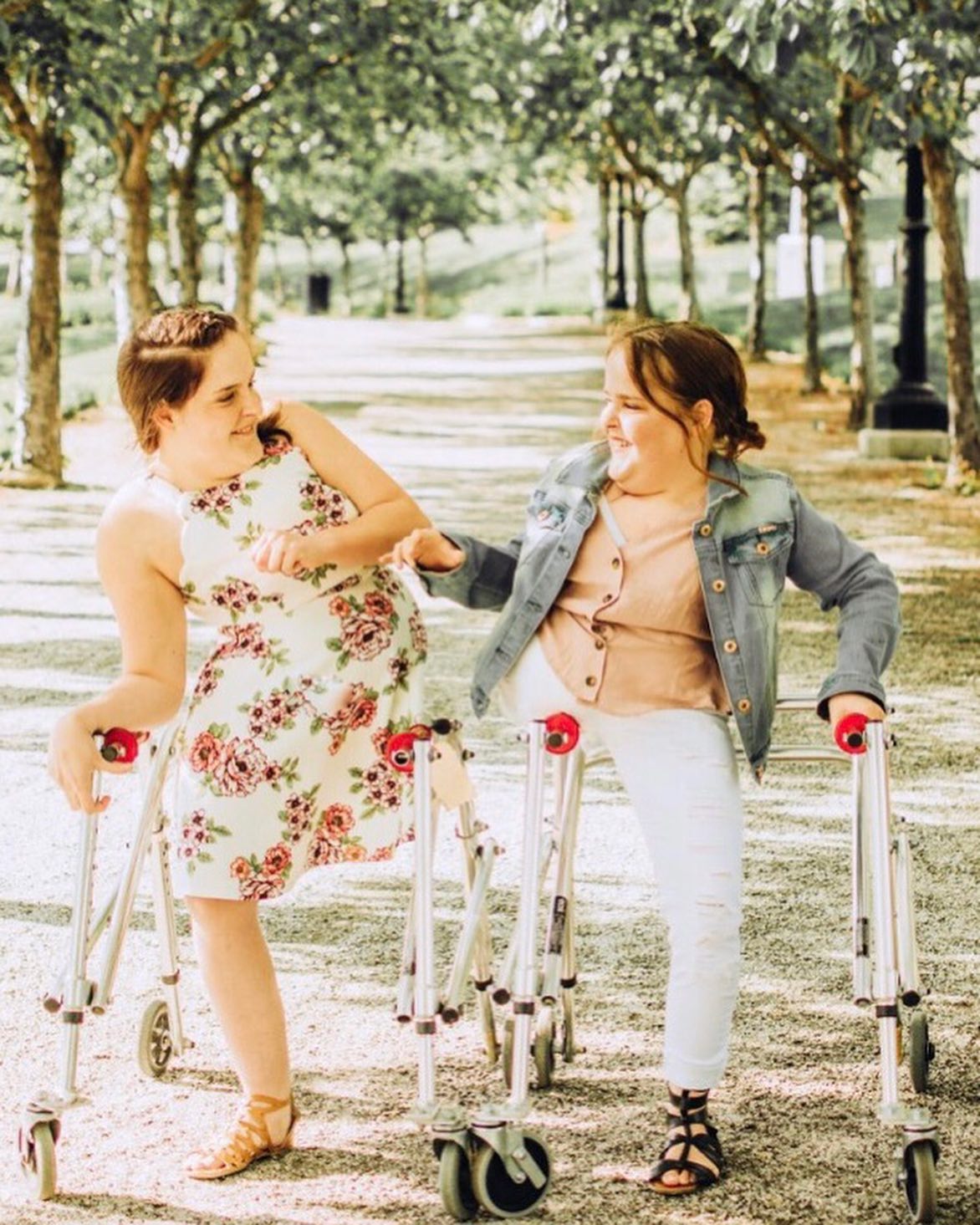
The archive describes the sisters discussing inclusion and supporting kindness-related initiatives. Their willingness to answer respectful questions was part of that public role. It should not be treated as permission for every stranger to ask anything in any setting.
Advocacy is also work a person can choose rather than a debt owed for receiving attention. Kendra and Maliyah's story includes an interest in helping others, alongside personal plans, friendships and the ordinary right to decide what they want to do next.
Their Early Adult Plans Were Different
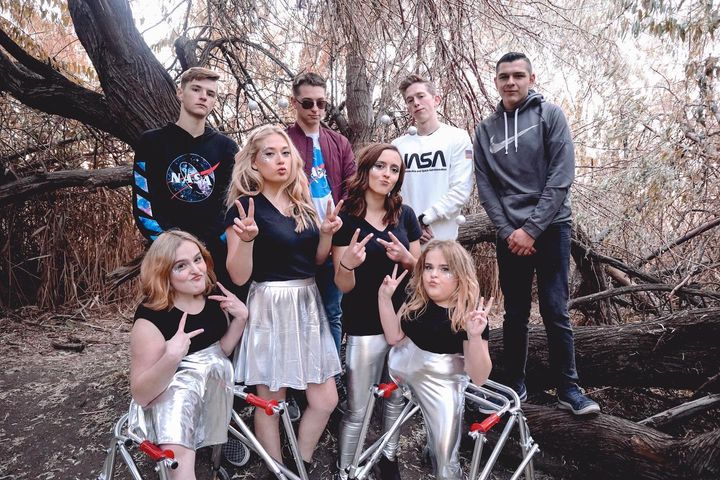
A 2022 profile described the sisters turning twenty and building more independent lives. It reported Kendra working at a grocery store and considering medical-assistant training, while Maliyah had studied digital media and was pursuing graphic design. Those details describe that period.
They should not be silently converted into current jobs or completed qualifications beyond what the source establishes. Keeping the date visible allows the reader to appreciate their different interests without pretending an older interview is a fresh conversation about where each sister works today.
Sharing a Home Did Not Mean Sharing Every Choice
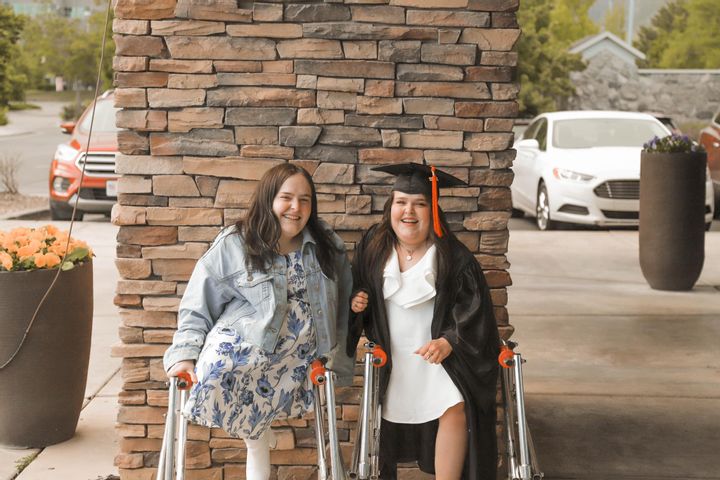
The original account described living together and taking turns preparing dinner. After a childhood in which movement required unusual coordination, those ordinary household arrangements had particular meaning. Each sister could take responsibility for something separately while still choosing to share a home.
Independence does not require doing everything without help or living alone. It can mean having a meaningful say in routines, equipment, work and relationships. Their account offers concrete examples of that, without requiring the reader to imagine that medical follow-up or practical support had become unnecessary.
The Operation Was One Chapter, Not Their Whole Identity
The Herrin twins' separation remains an important medical story. The photographs preserve stages of a childhood and young adulthood shaped by major treatment. Their later accounts add something the operating-room milestone cannot provide: how they wanted to spend their own lives.
Following that wider story means keeping dates and medical claims accurate, allowing room for setbacks and listening to the sisters' own descriptions. It also means recognizing that a remarkable shared history can sit alongside two separate sets of interests, ambitions and everyday decisions.
ABC: planning the 2006 separation
ABC: the operation and first recovery
Deseret News: separate beds in August 2006
Church News: September 2006 discharge
Related stories