Care Doctor
Ten Microwave Tips: Useful Shortcuts and Hacks to Skip
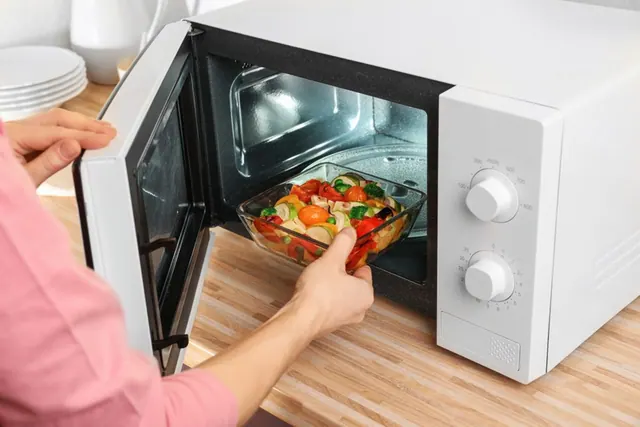
A microwave can take some work out of food preparation, but a useful shortcut still needs the right container, quantity and cooking time. Those details matter more than a promise that one setting works for everything.
Start with your appliance's manual. FDA's microwave guidance emphasizes suitable cookware and the manufacturer's instructions, and notes that most microwave injuries involve heat, hot containers or liquids. Keep that in mind with these ten familiar kitchen ideas.
Peel garlic in a way that suits the recipe
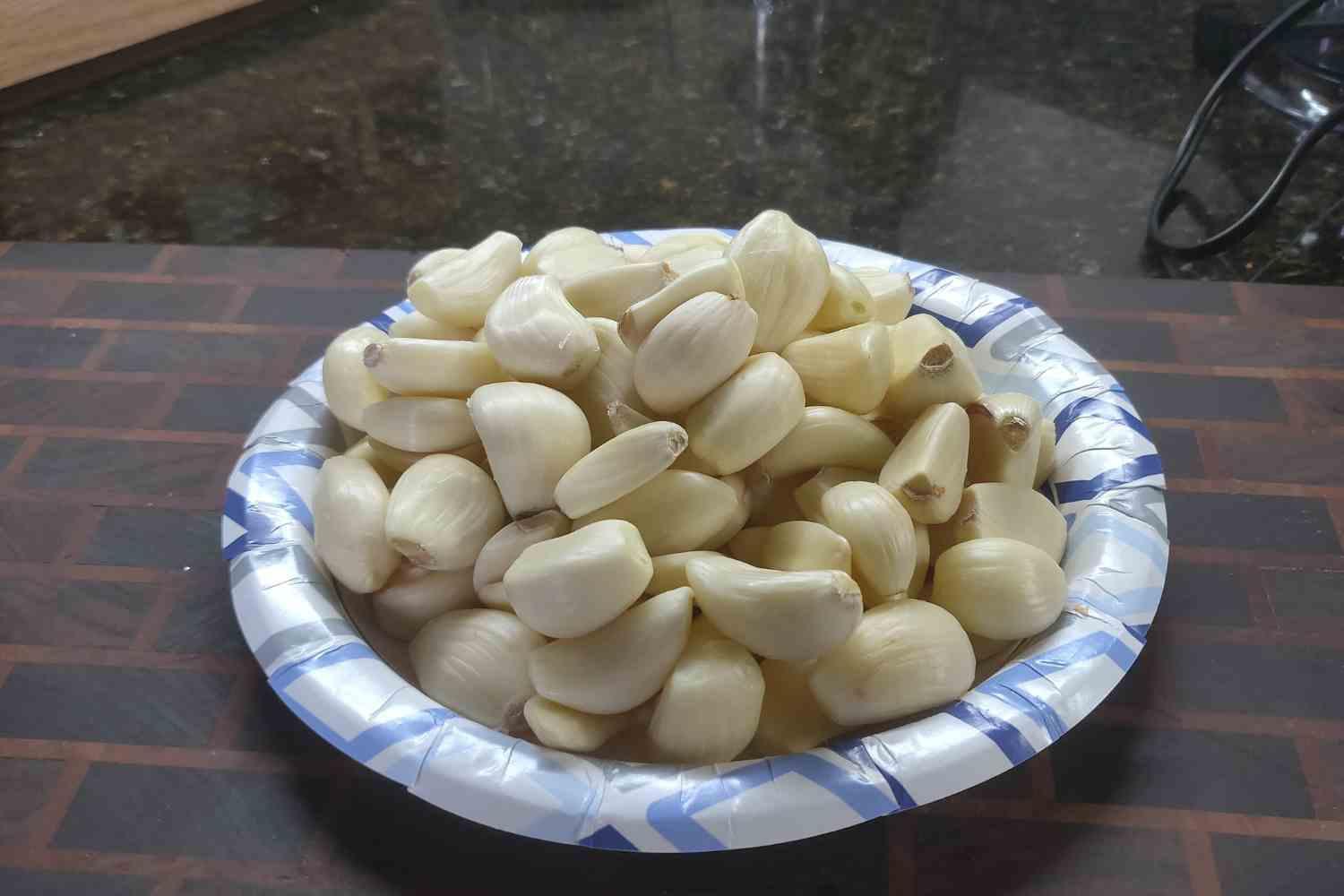
Heating garlic can help loosen its skin. In a firsthand Kitchn article updated in 2021, food editor Meghan Splawn described using her microwave to prepare heads of garlic for peeling. That doesn't make a single time setting right for every oven or quantity. Follow the complete method, allow hot cloves to become safe to handle, and use ordinary hand peeling when you don't want to heat the garlic.
Skip the homemade rice-sock heating pack
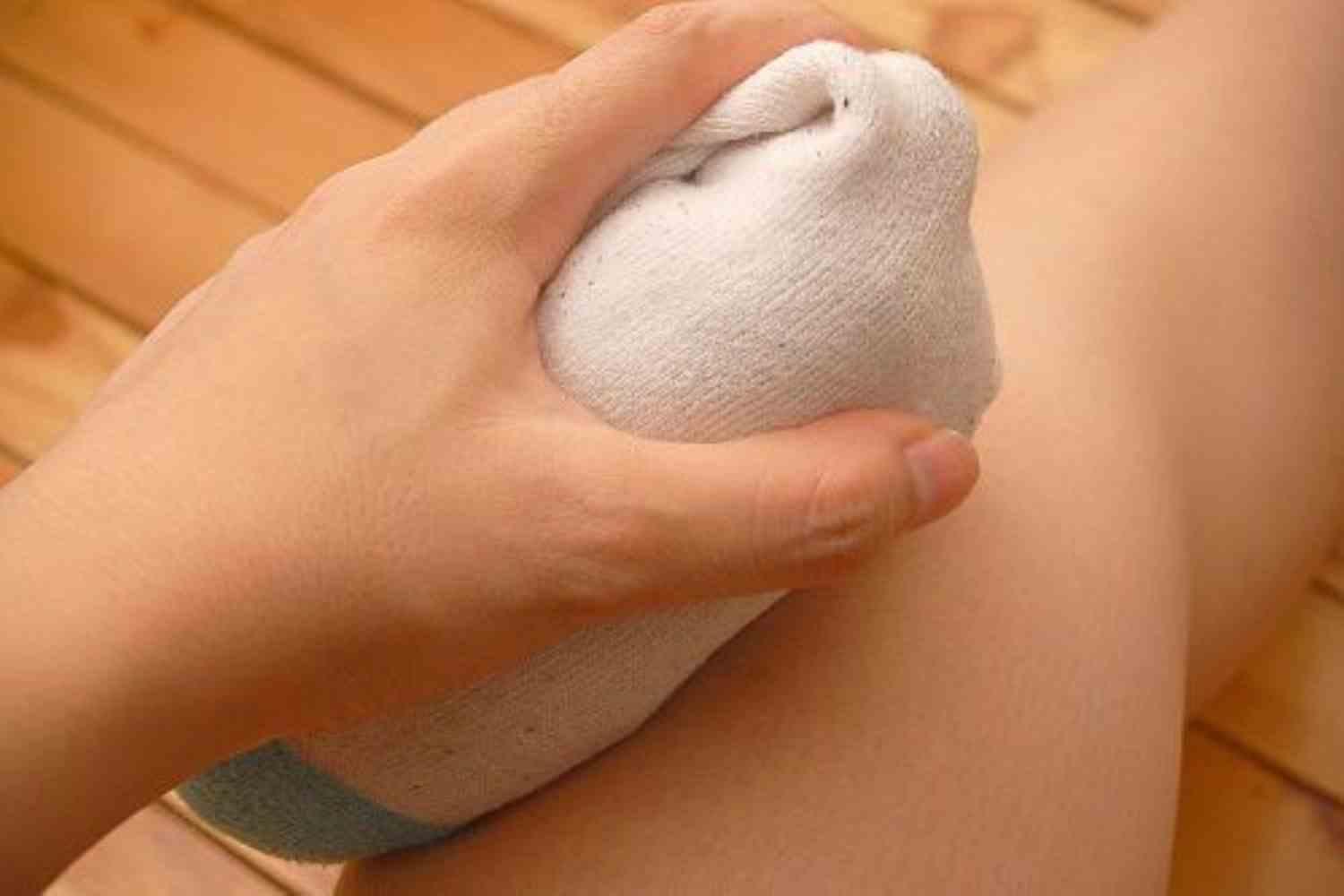
A sock filled with rice is a poor substitute for a heat pack with clear instructions. Dorset & Wiltshire Fire and Rescue Service warns that homemade grain-filled bags have unknown moisture content and volume, so a safe heating time can't simply be recommended. Choose a product intended for the purpose and follow both its instructions and your microwave's manual. Never leave it heating unattended or use it to warm bedding.
Do not count on a tear-free onion
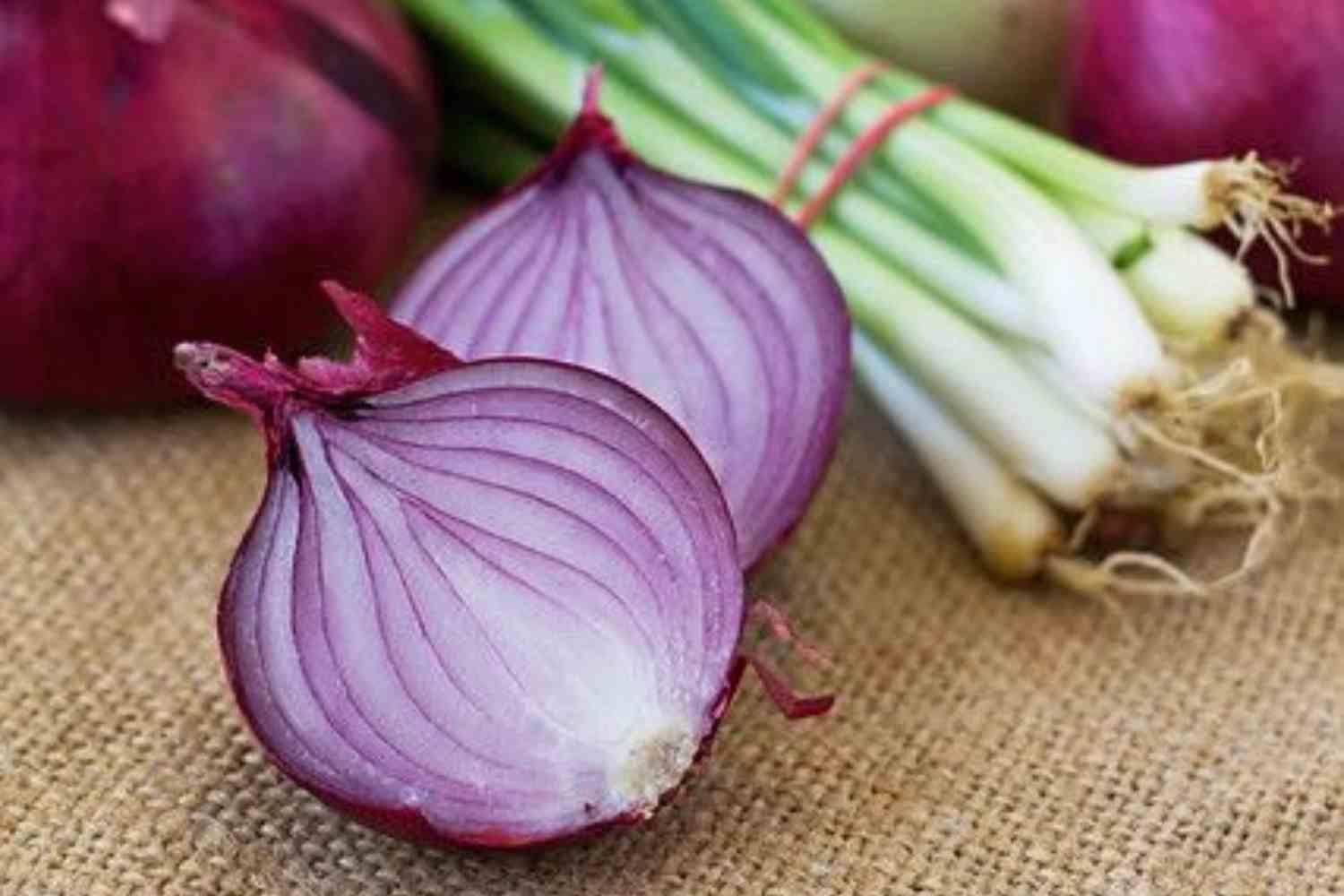
The eye irritation begins with a chemical reaction when onion cells are cut. Washington State University's explanation describes the onion's own enzymes and sulfur-containing compounds; the problem isn't enzymes floating in the surrounding air. Briefly heating an onion isn't a universal guarantee of tear-free chopping. Choose a preparation method that fits whether the recipe needs raw or cooked onion, and use safe knife handling.
Warm the meal, not a stack of empty plates

Don't put empty chinaware in for five or ten minutes as a general plate-warming trick. Use only cookware approved for your microwave and follow its instructions. For reheated leftovers, USDA recommends reaching 165°F throughout, covering and rotating or stirring the food, then allowing standing time before checking several places with a food thermometer. A hot plate doesn't establish that the food on it is properly reheated.
Treat warming lemons as a small kitchen experiment
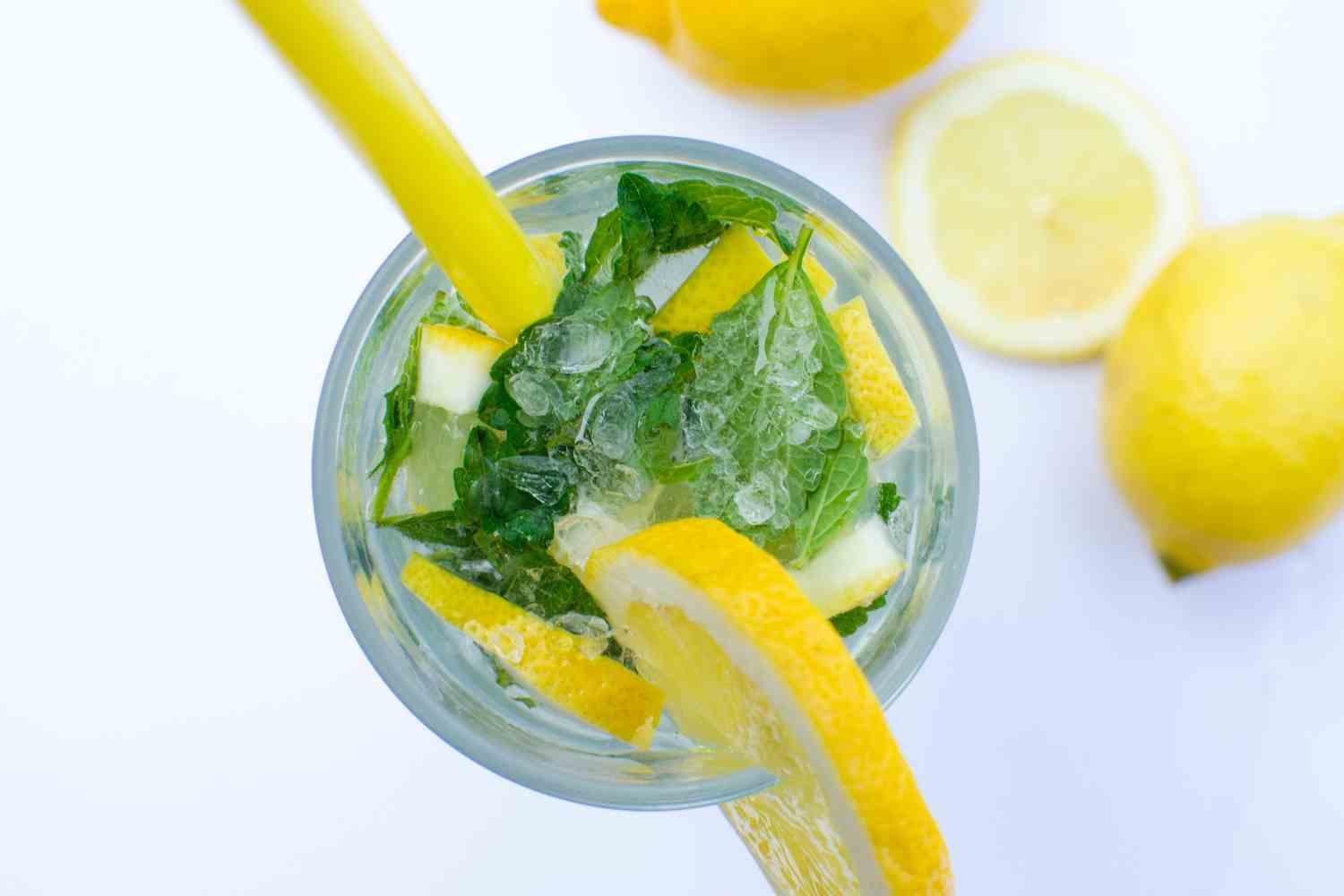
In a 2016 Kitchn test, recipe developer Kelli Foster compared similarly sized refrigerated lemons with fruit briefly warmed in a microwave. Her warmer batch yielded more juice. That was a small kitchen comparison, not a promise about every lemon. If using a tested method, follow its quantities and timings and let the fruit cool enough to handle. Don't keep adding time in pursuit of an unlimited improvement.
Match tomato peeling to the dish
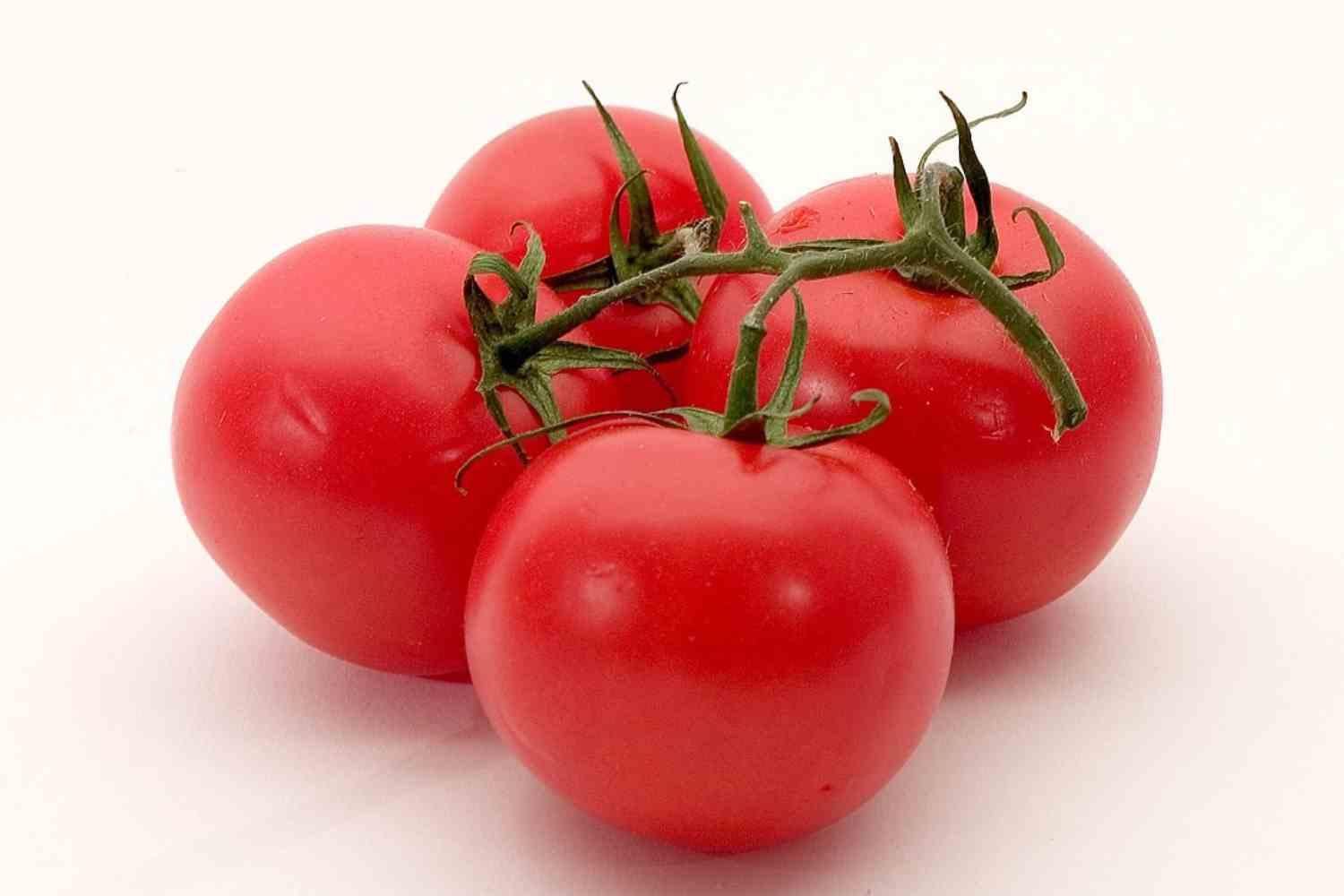
If your recipe needs peeled tomatoes, use a complete preparation method from that recipe. A fixed twenty-second microwave instruction leaves out the size, number and condition of the tomatoes and the appliance's power. Health Canada advises adjusting microwave cooking to the food, recipe and wattage. Use suitable cookware, leave room for steam to escape when covering food, and remember that hot food and steam can burn.
Give potatoes their own cooking plan
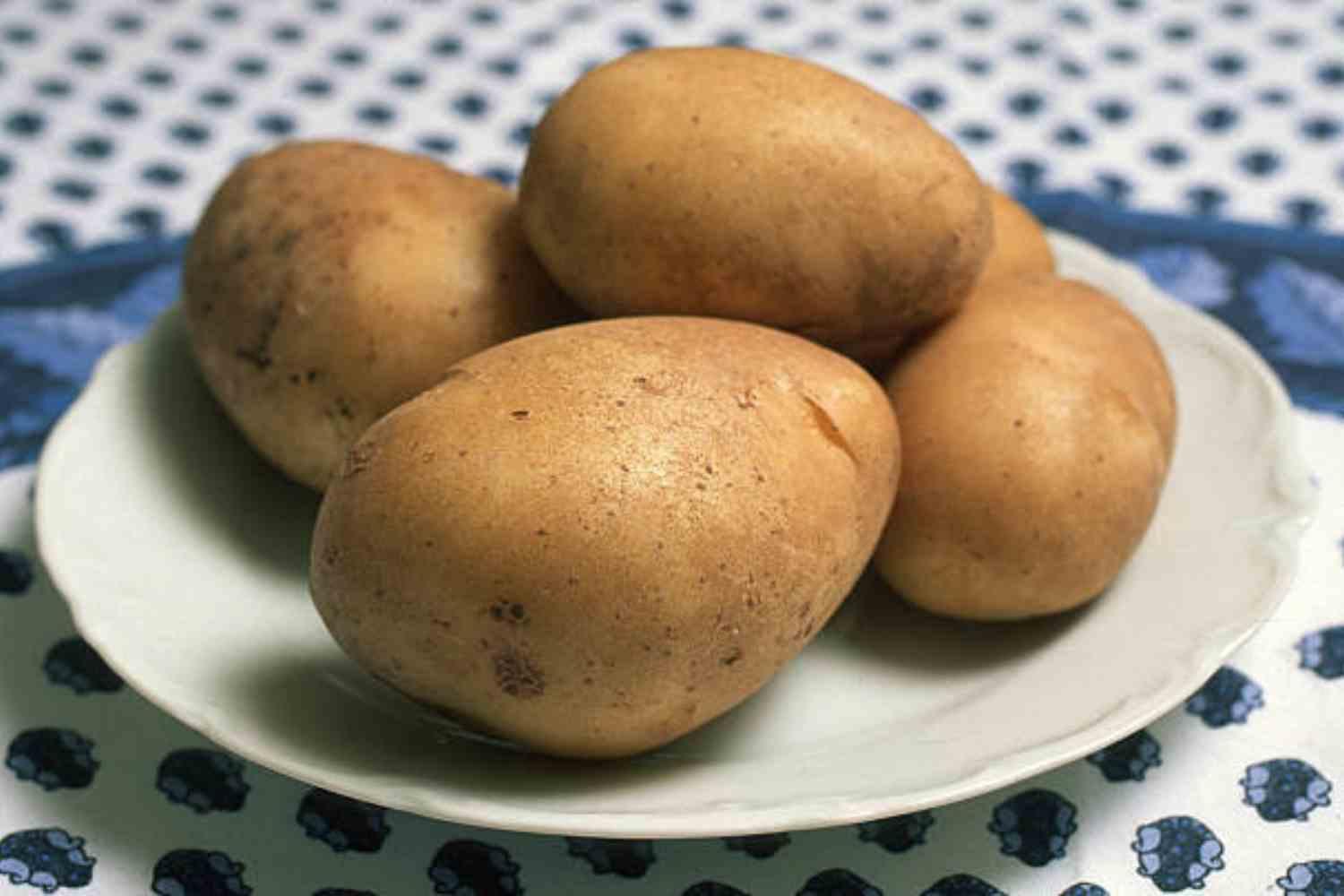
A large potato and several small ones won't necessarily cook alike. Follow your appliance's potato instructions or a tested microwave recipe, including any directions to pierce the skin, arrange the potatoes, turn them and allow standing time. Check the center for the doneness the recipe calls for. Five minutes on each side shouldn't be treated as a guarantee for every size or oven, and hot potatoes need careful handling.
Use a complete microwave cake recipe
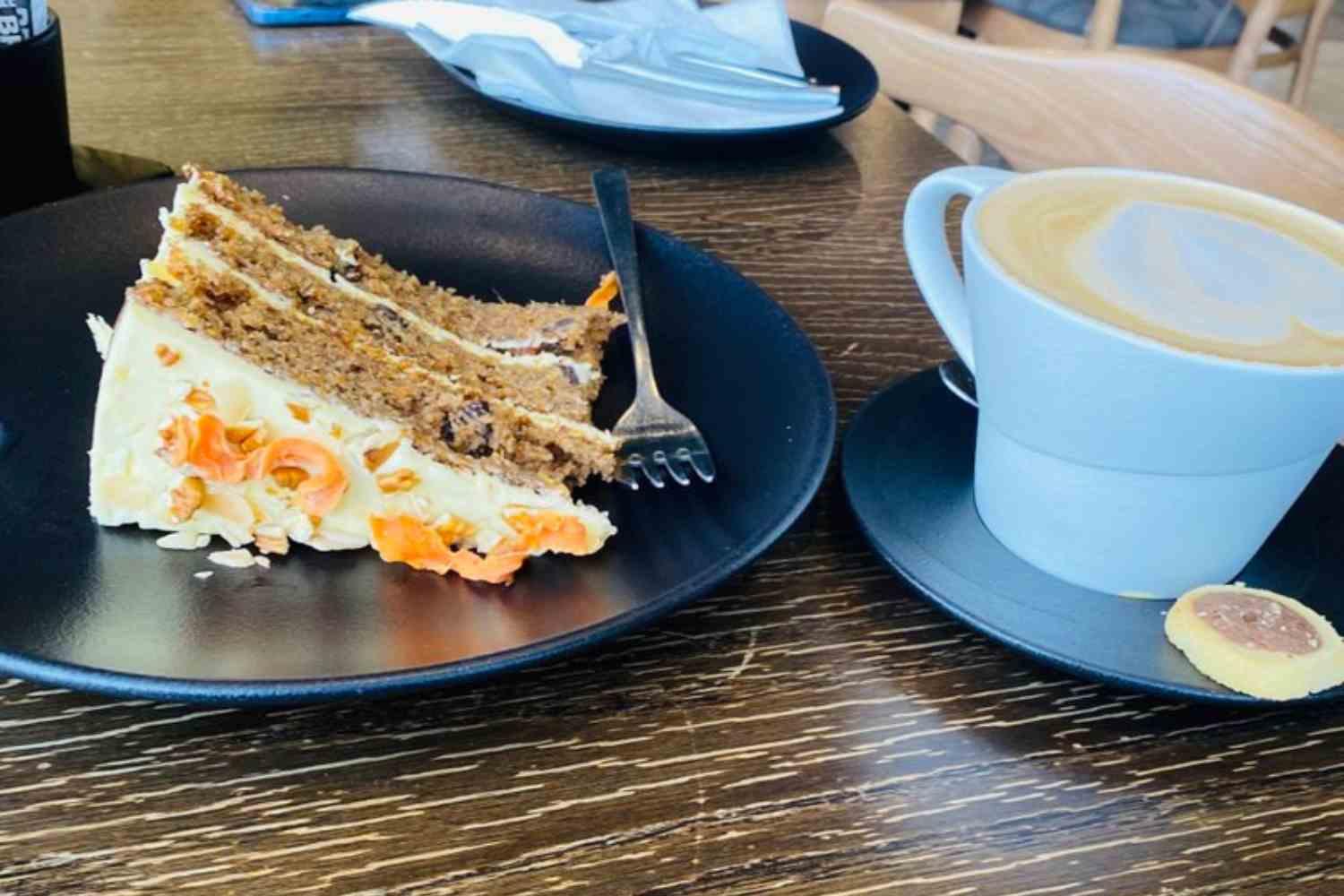
A mug dessert needs a recipe designed for its container and your appliance. King Arthur Baking's vanilla mug cake, for example, specifies the container size and explains how its timing relates to microwave wattage. Use the full recipe instead of guessing from the finished top. FDA advises against tasting raw flour, dough or batter. Treat the mug as hot, allow the specified cooling time, and supervise children.
Dry herbs only with suitable instructions
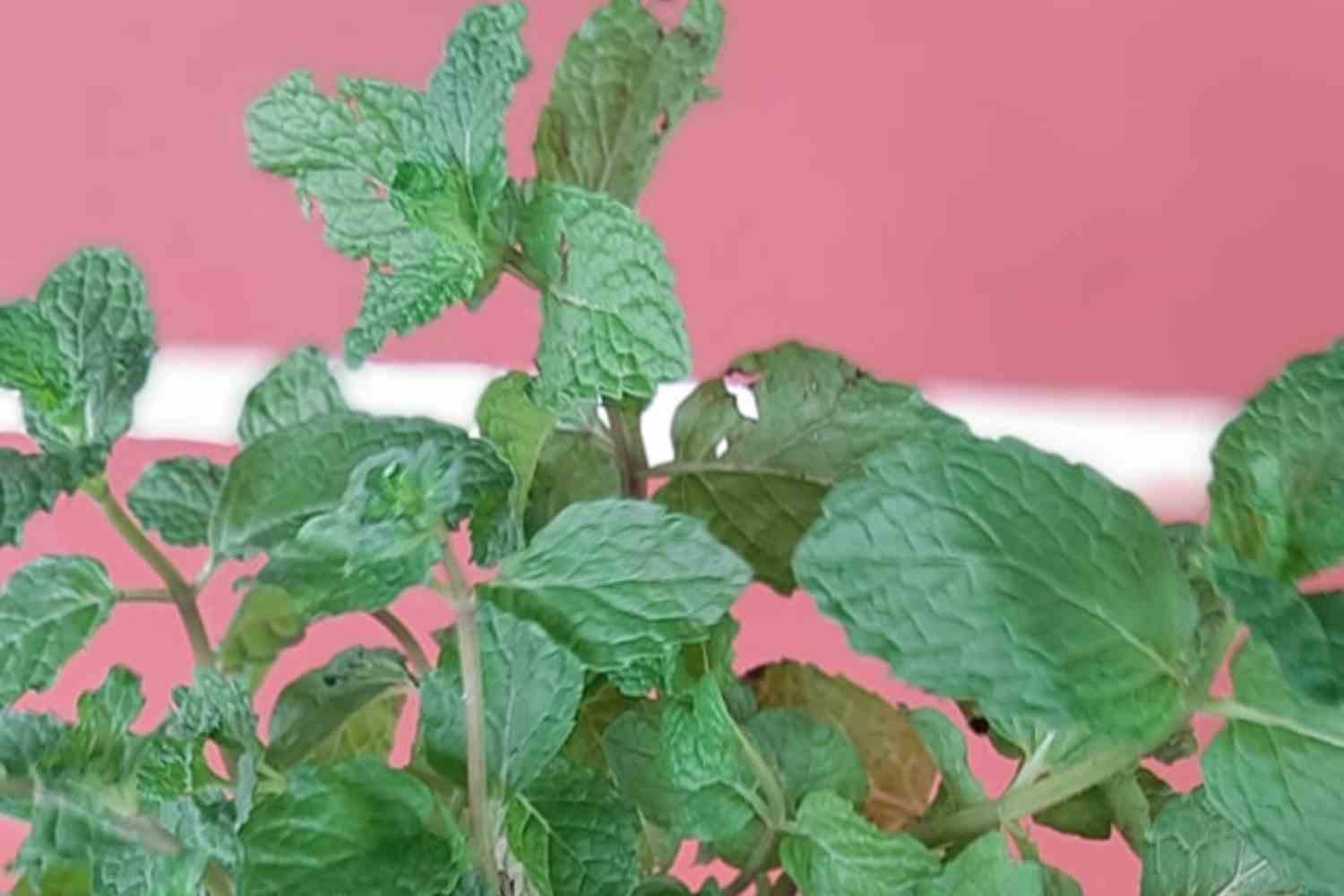
Microwave herb drying is possible, but it isn't a matter of running five identical cycles and assuming they're ready. University extension guidance calls for small amounts, frequent checks and attention to the manufacturer's recommendations because herbs and paper towels can scorch or catch fire. Follow a method suitable for the herb and oven, stay nearby, and cool thoroughly dried herbs before storing them in a labeled, airtight container.
Toast nuts according to type and amount
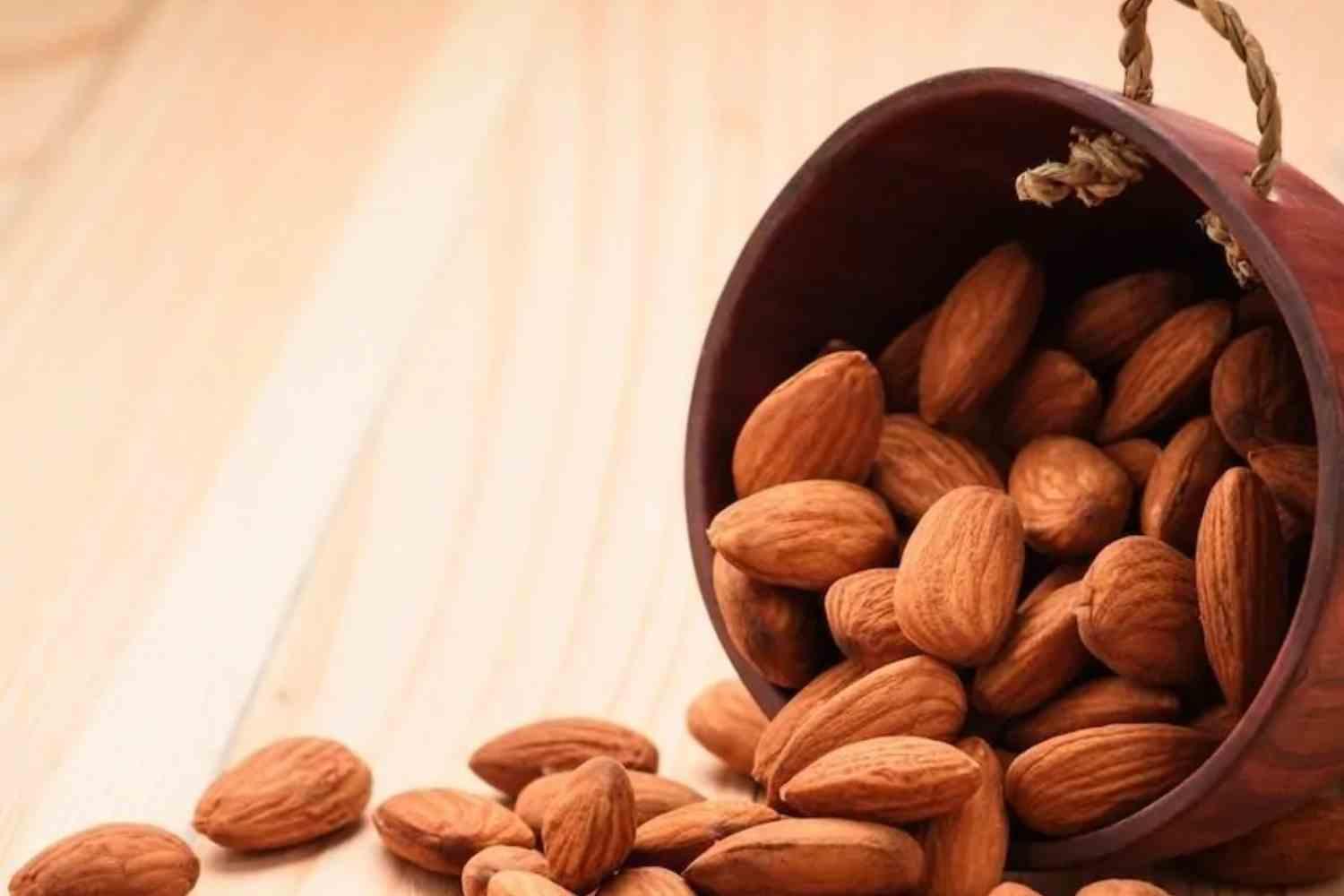
GE Appliances publishes different microwave-toasting guidelines for different nuts and quantities. That alone shows why a single three-to-eight-minute range is incomplete. Choose instructions that match what you're making, use the specified microwave-safe dish and watch the batch rather than walking away. Let the nuts cool as directed. Toasting is about preparation and flavor; it doesn't turn a snack into a guaranteed way to prevent disease.