Care Doctor
What Children’s Baby Teeth Revealed About Nuclear Fallout
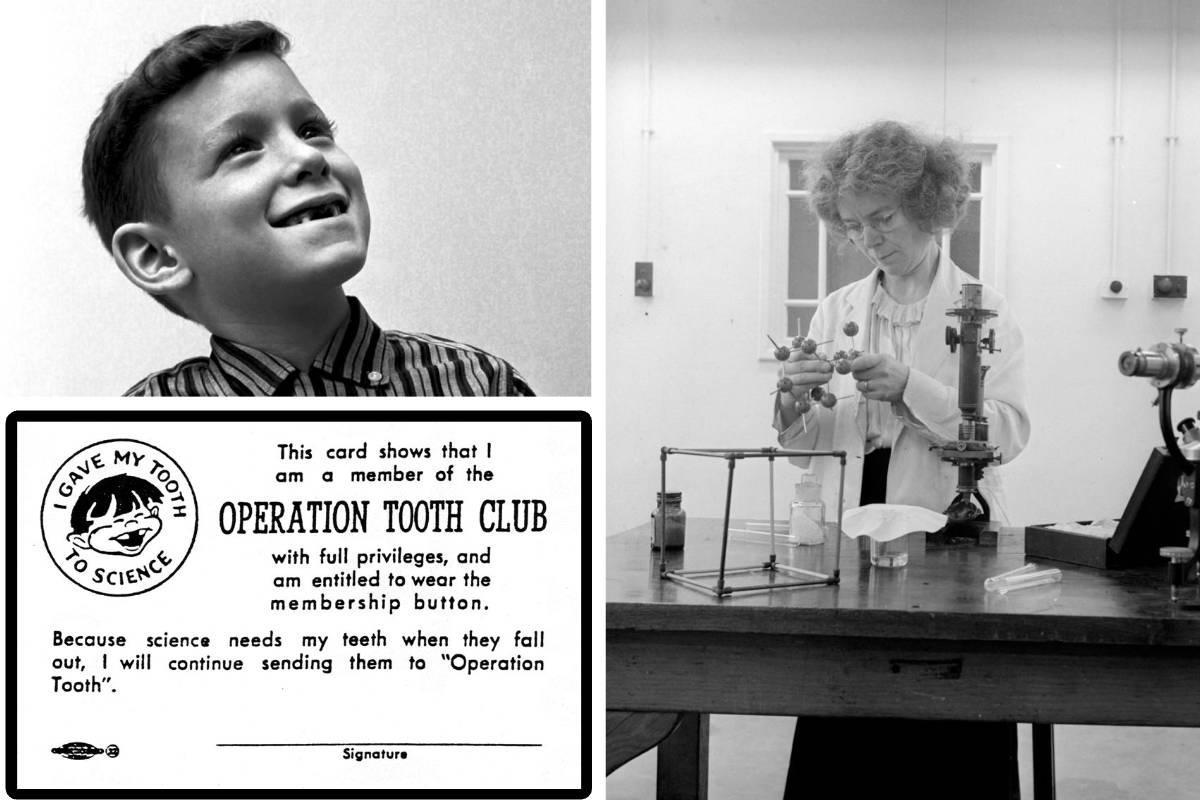
A lost baby tooth usually ends up in a keepsake box or under a pillow. In St. Louis, families sent theirs to scientists. The teeth became samples in a study of radioactive fallout, linking ordinary childhood milestones with a debate about nuclear testing.
The Baby Tooth Survey asked a question that could not be answered by looking at a distant mushroom cloud: were radioactive materials from nuclear explosions finding their way into children's bodies?
Testing Continued After the War
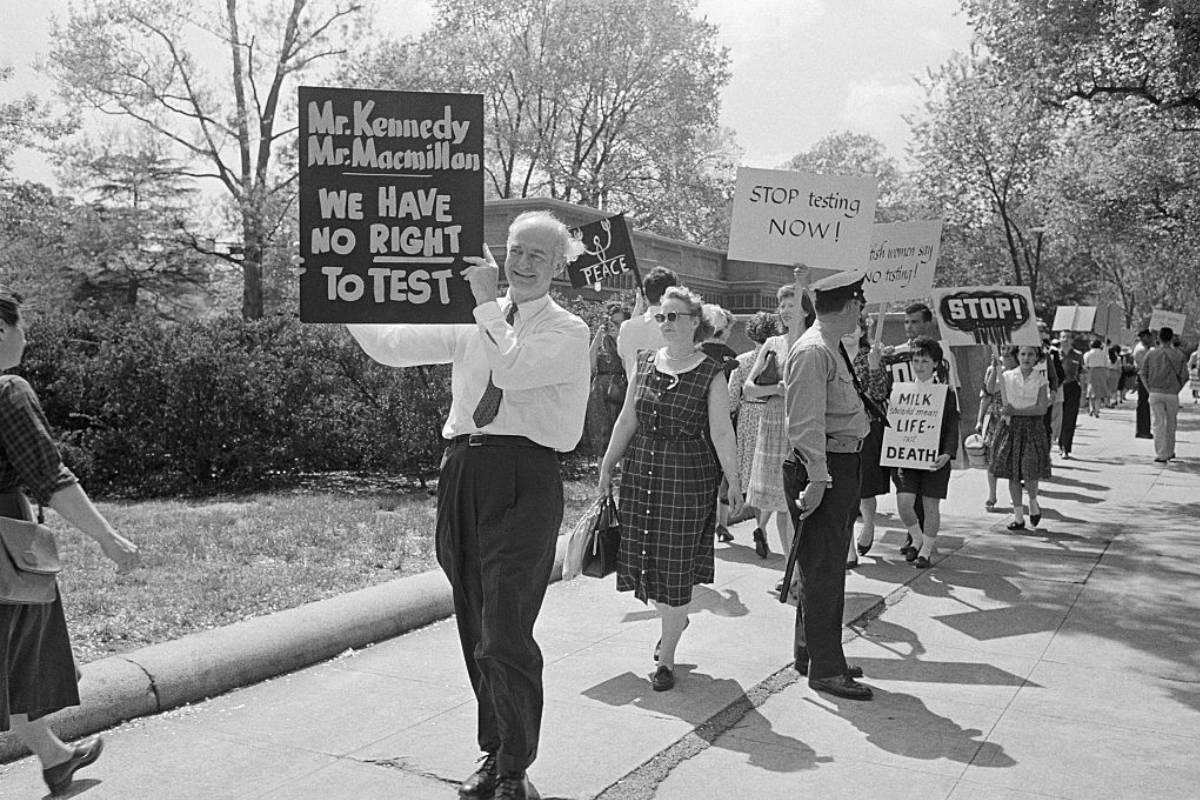
The atomic bombings of Hiroshima and Nagasaki ended neither nuclear-weapons development nor testing. Above-ground explosions in the following years spread radioactive material beyond the test locations. Fallout could settle on land and enter food and water.
For families far from a test site, the danger was difficult to picture. There might be no visible sign at home that anything had changed. Researchers needed a way to measure exposure rather than rely only on distance from an explosion.
Why Strontium-90 Mattered
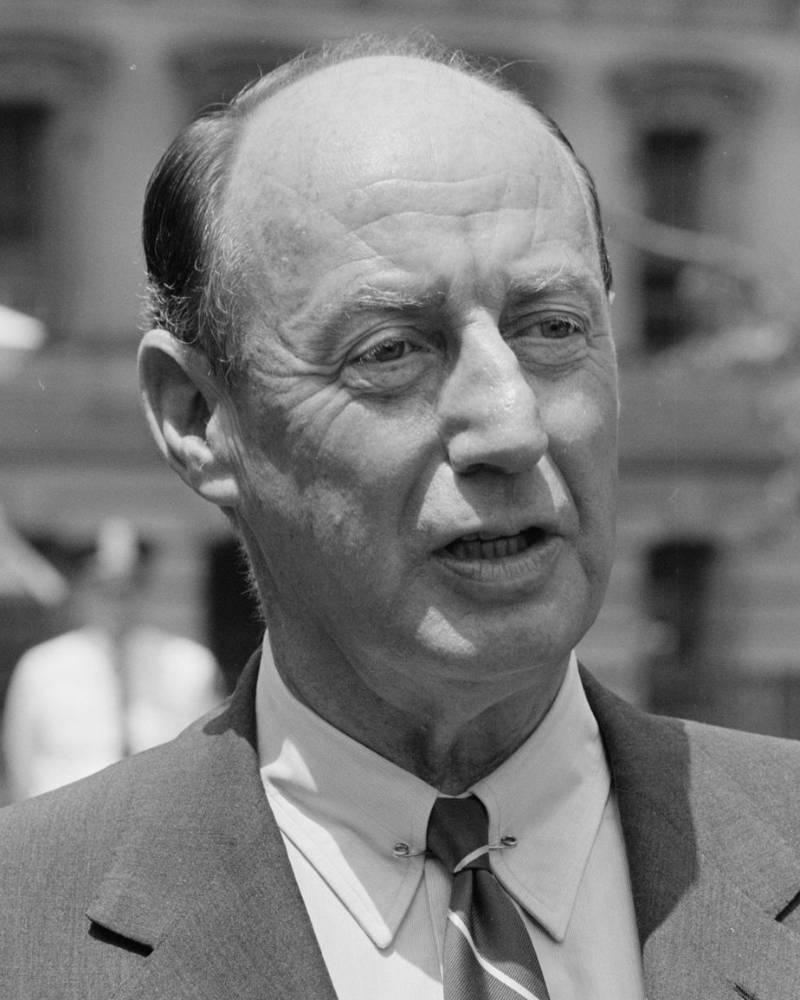
Strontium-90 is a radioactive isotope produced in nuclear fission. It can follow pathways similar to calcium and become incorporated into bones and teeth. That made it a particular concern when fallout reached the food supply.
It is not a harmless natural version of strontium that turns toxic only after a test. The isotope itself is radioactive. Measuring it in teeth gave researchers a way to investigate exposure during the period when those teeth formed.
A Sample Families Could Provide
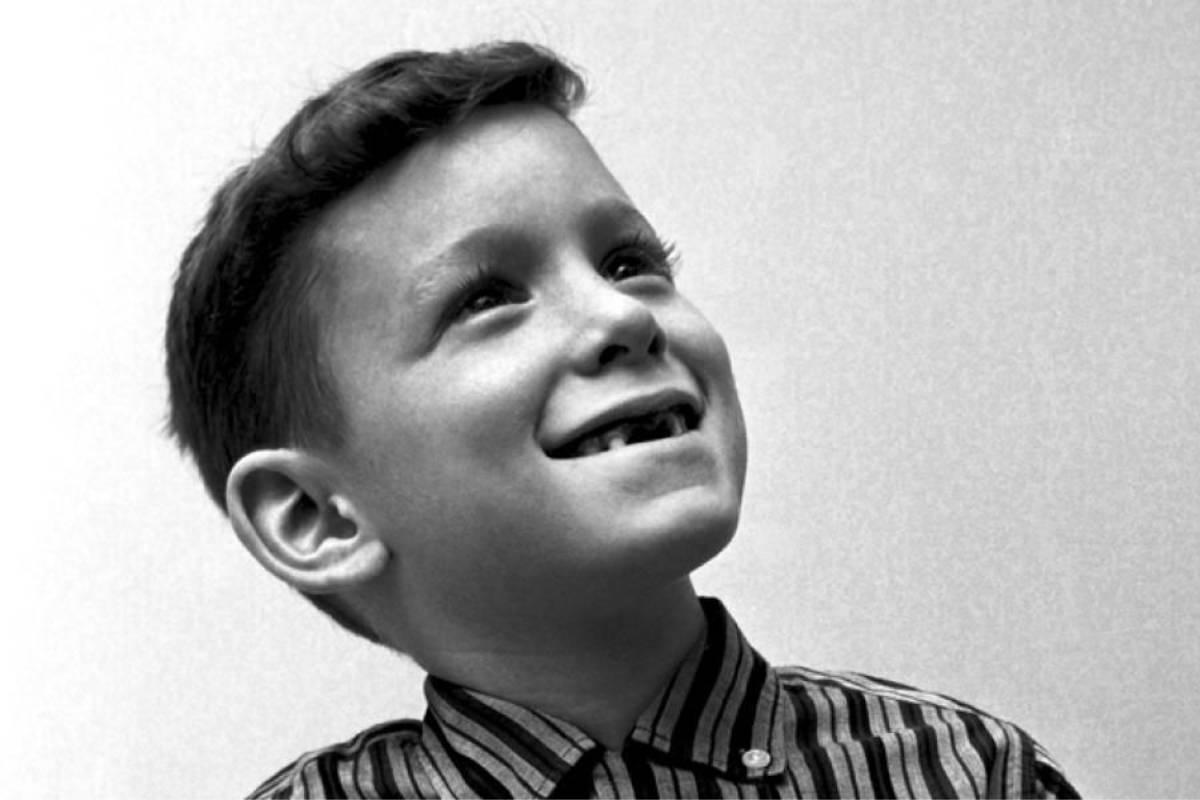
Baby teeth offered a practical advantage: children shed them naturally. Families could contribute without a researcher removing a tooth for the study. A collection also made it possible to compare children born in different years.
The work brought together scientists and the Greater St. Louis Citizens' Committee for Nuclear Information, with support from local institutions and families. The samples mattered, but so did the information accompanying them, including details that allowed researchers to place a tooth in a particular group.
Making an Invisible Risk Understandable
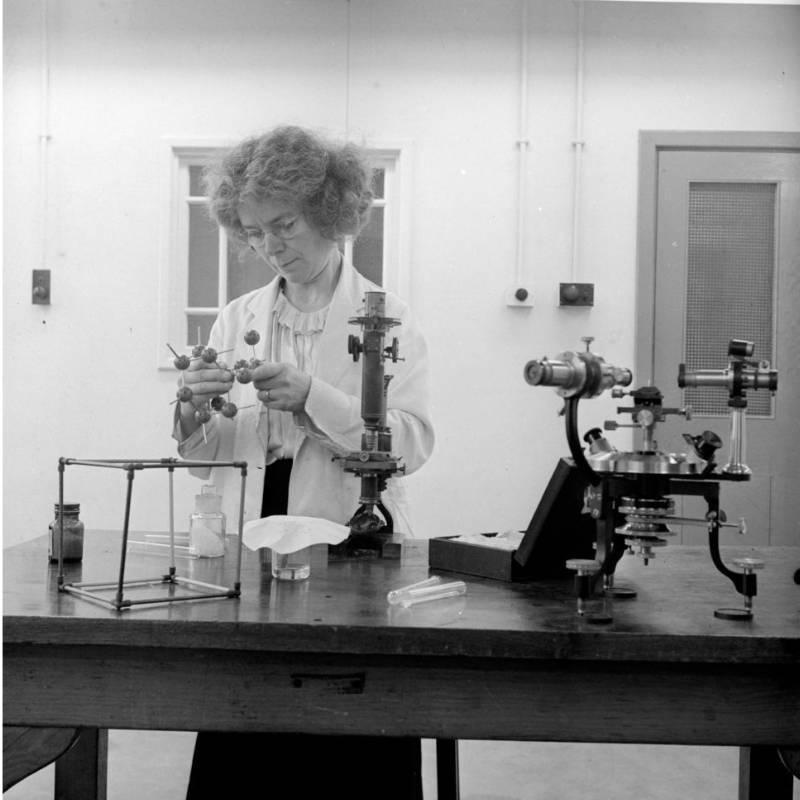
The public debate was not simply about the power of a bomb. It was also about what happened after an explosion, as radioactive material moved through the environment. A child drinking milk could be far removed from the place where fallout began.
Teeth made that concern tangible. Instead of asking people to imagine an invisible process, researchers could point to measured material in a familiar object. The study helped connect nuclear policy with something parents could recognize in their own homes.
Families Joined the Survey
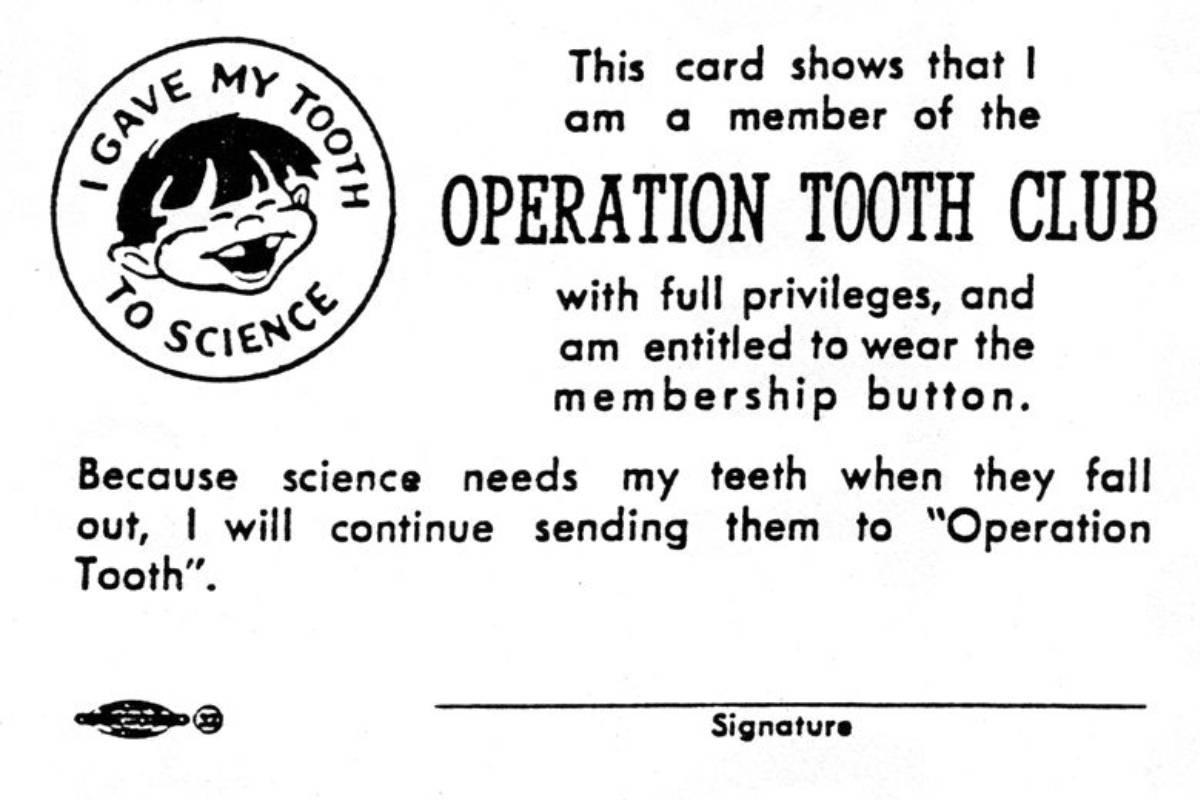
Researchers including Louise and Eric Reiss and Barry Commoner helped bring attention to the work. Children and their families were encouraged to send in lost teeth, with the memorable message that a tooth could be given to science.
Each donation was small. Together, the samples created a much larger collection. The effort depended on people outside a laboratory choosing to participate, and it gave families a direct part in investigating a public-health concern.
What the Collection Showed
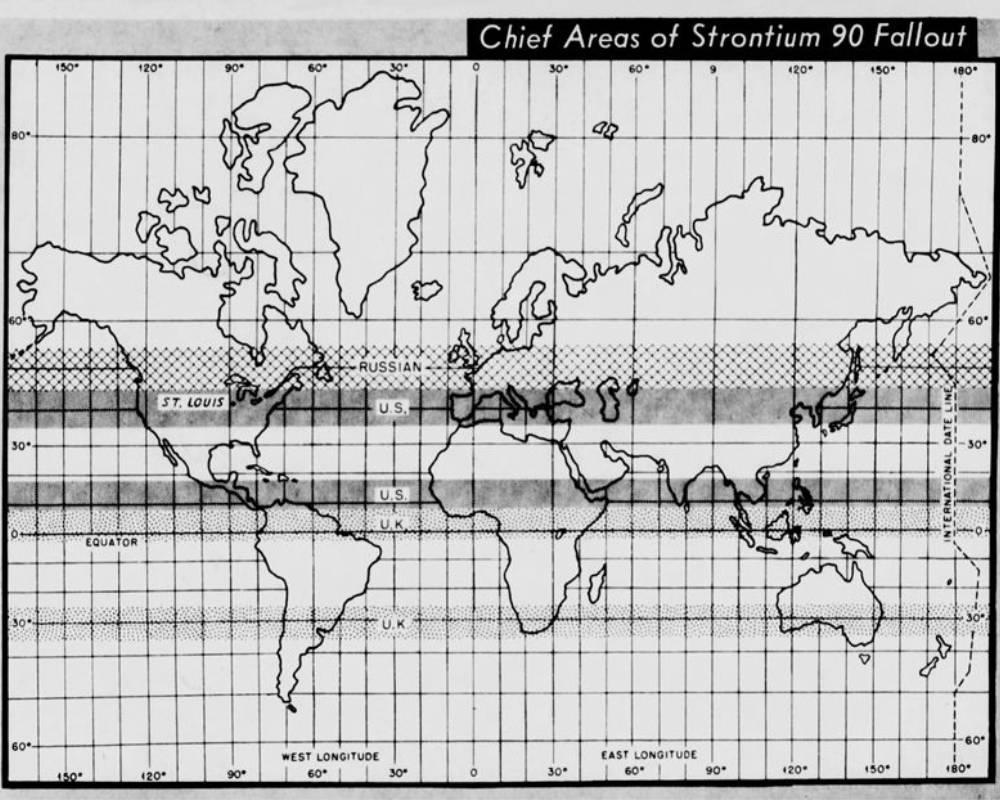
The survey ultimately collected more than 300,000 teeth. Its findings showed an increase in strontium-90 in children born during the years of atmospheric testing compared with those born earlier. The differences helped demonstrate that fallout was reaching children far beyond the immediate test areas.
A measurement of exposure is not the same as diagnosing illness in an individual donor. The study's importance lay in the broader pattern and the evidence it added to the discussion of radioactive contamination.
The 1963 Treaty
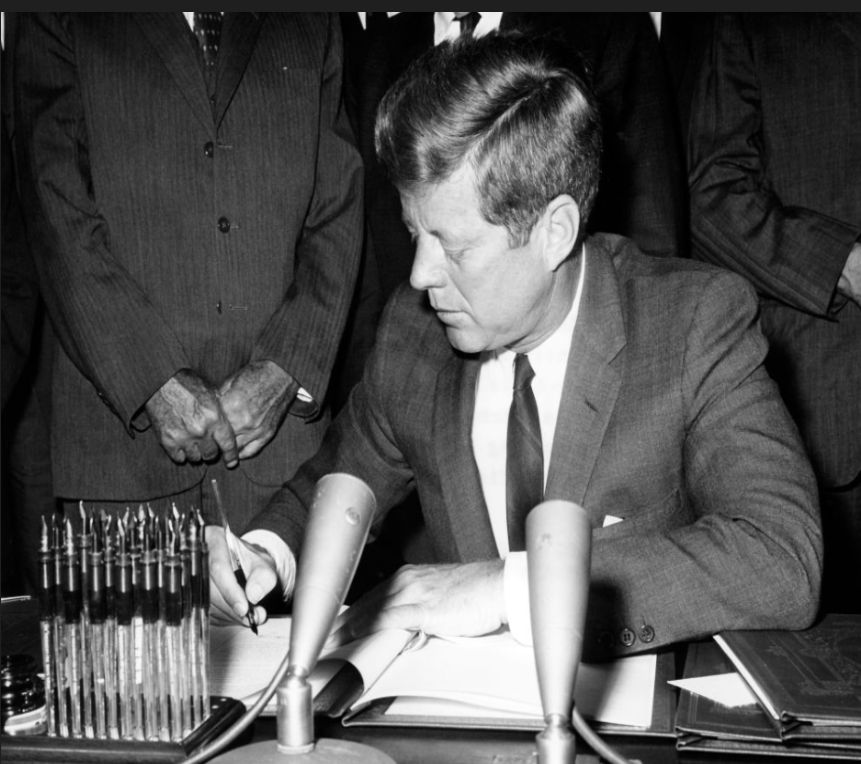
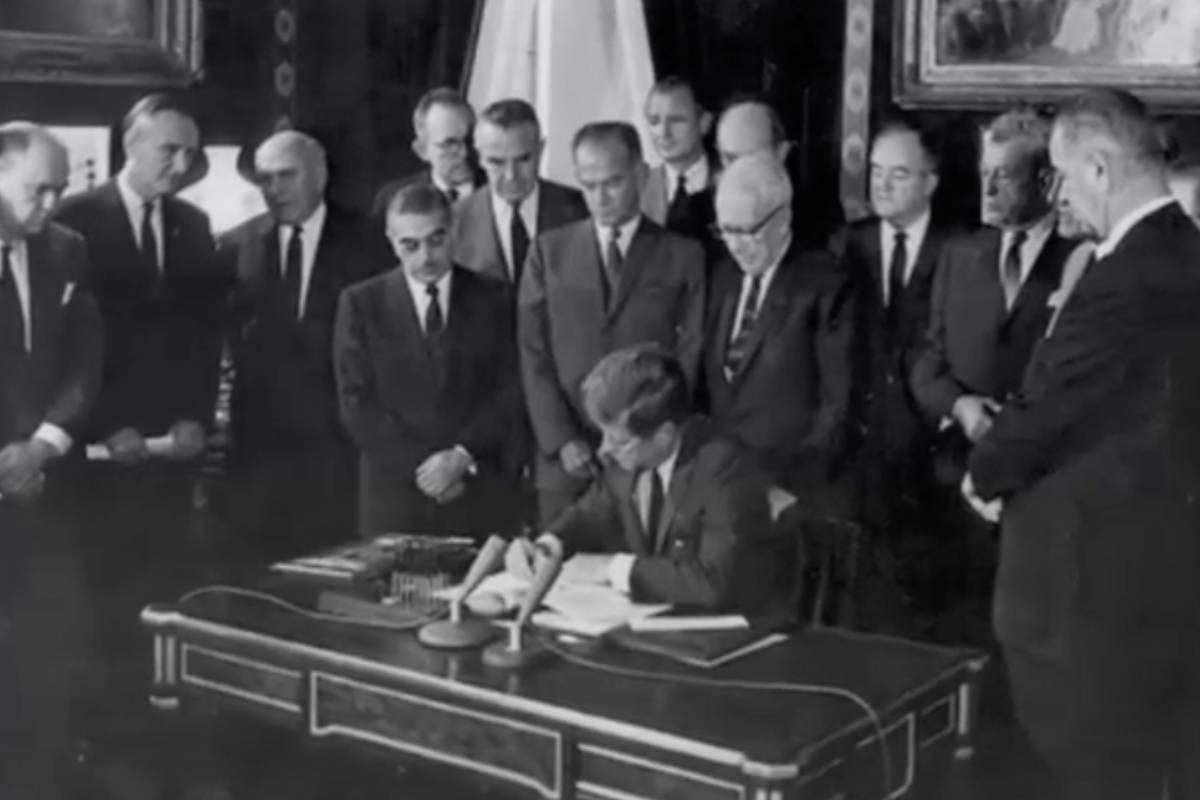
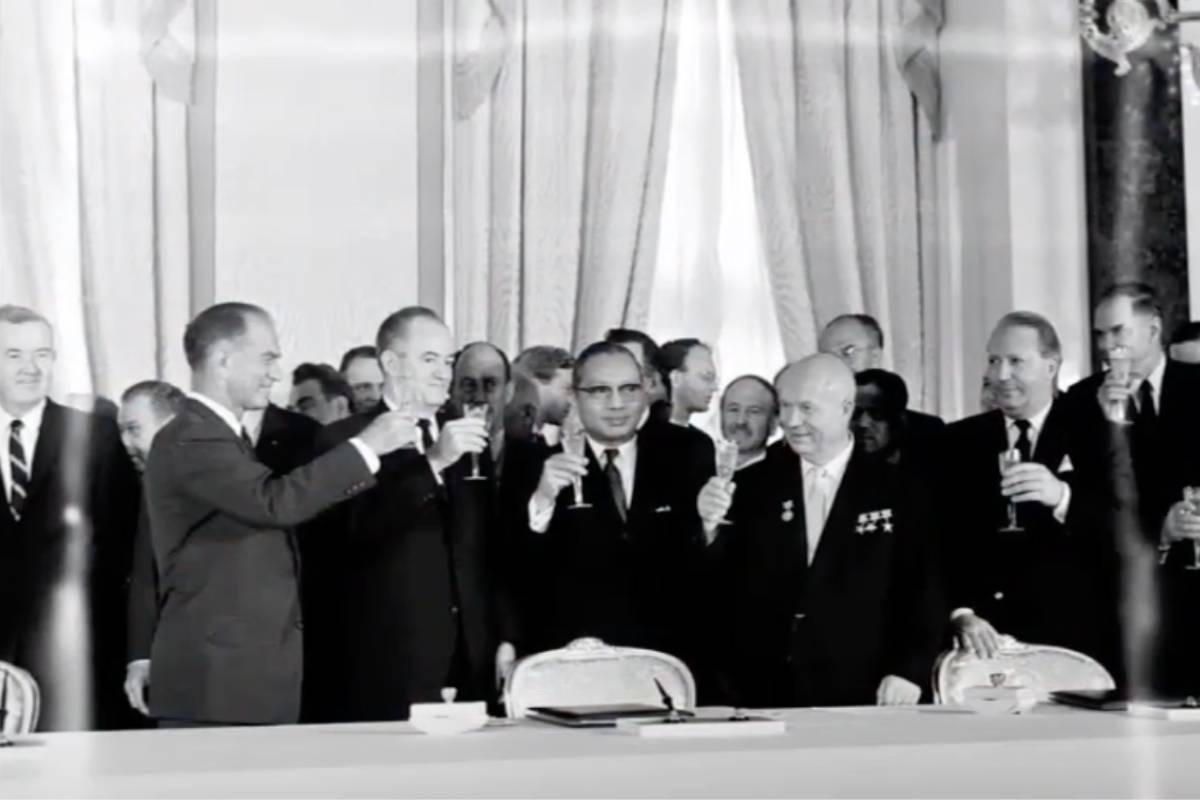
The findings contributed to public pressure for restrictions on testing. In 1963, the United States, Soviet Union and United Kingdom signed the Partial Test Ban Treaty, which prohibited nuclear explosions in the atmosphere, underwater and in outer space.
The survey was part of a wider scientific and political effort. It would be too simple to credit a major international agreement to one study alone, but the evidence from children's teeth gave the argument a powerful, understandable form.
A Partial Ban Was Not a Complete One
The 1963 agreement did not prohibit every underground test. Decades later, the Comprehensive Nuclear-Test-Ban Treaty opened for signature in 1996, seeking to ban all nuclear test explosions. It has not entered into force.
That distinction is easy to lose in a short history. A treaty being negotiated or signed is different from all the requirements for it to become legally operative being met. The later agreement did not simply make every aspect of nuclear testing a settled issue.
Why the Records Still Matter
The surviving teeth and donor records also became an archival resource. Preserving the connection between a sample and its accompanying information allows later researchers to understand what was collected and how the original work was organized.
The Baby Tooth Survey remains a striking example of public participation in science. Families supplied ordinary objects that researchers could use to investigate a difficult question, and the findings helped make a remote-looking threat part of an everyday conversation.
Washington University: Baby Tooth Survey archival collection