Care Doctor
What Scientists Mean by the Brain's Waste-Removal System
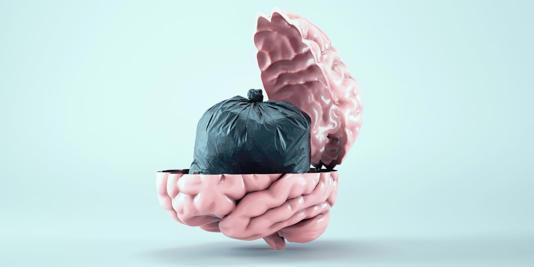
The brain's waste-removal research has produced a plumbing metaphor. The findings need more care than a claim that sleep clears a fixed nightly waste percentage.
Much of the work concerns mice. Researchers still debate how fluid movement and clearance should be measured.
What the Famous 60% Figure Measured
The 2013 Science study reported roughly 60% more space between brain cells during sleep or anesthesia in mice. That change accompanied greater exchange between cerebrospinal and interstitial fluid.
It wasn't a measurement showing that people discard 60% of their brain's waste nightly.
Why Researchers Follow Fluid
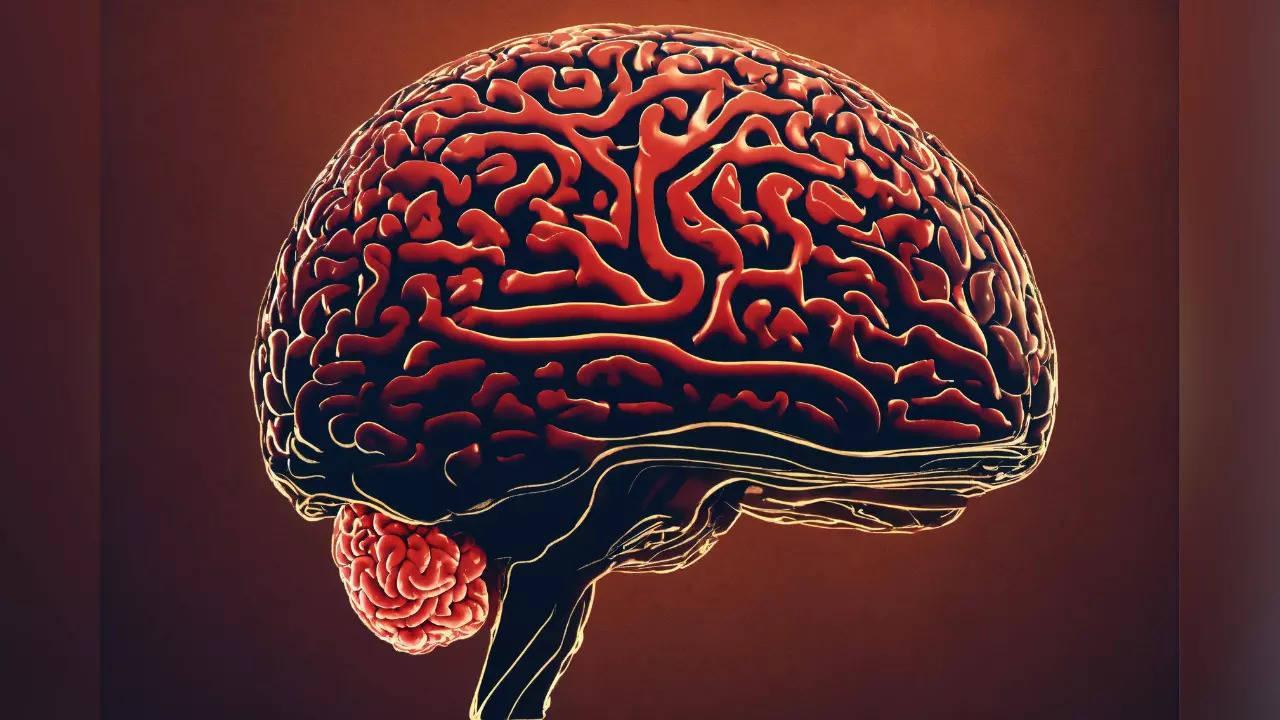
Fluid around the brain is called cerebrospinal fluid. Fluid between its cells is interstitial fluid. The glymphatic hypothesis describes exchange between them and removal of dissolved substances.
'Plumbing' is a comparison. It doesn't describe household pipes or a drain someone can unclog at home.
The Brain-Wave Experiments

A 2024 Nature paper examined coordinated neuronal activity and fluid movement. The researchers' WashU account described experiments in sleeping mice.
Suppressing the waves impeded fluid infiltration and molecular clearance. That experimental result doesn't establish a consumer treatment or a schedule for flushing a human brain.
A Tracer Has a Specific Job
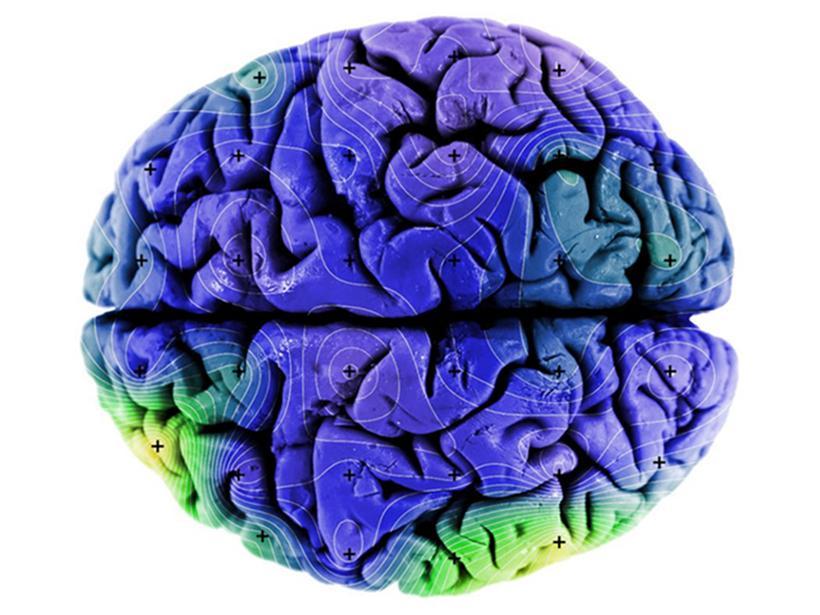
Researchers use fluorescent tracers to follow movement that would otherwise be difficult to see. The substance, injection location and measurement method belong in the interpretation.
Following one tracer under laboratory conditions doesn't measure every waste product or show that an individual person has a disease.
One Study Reported a Different Result
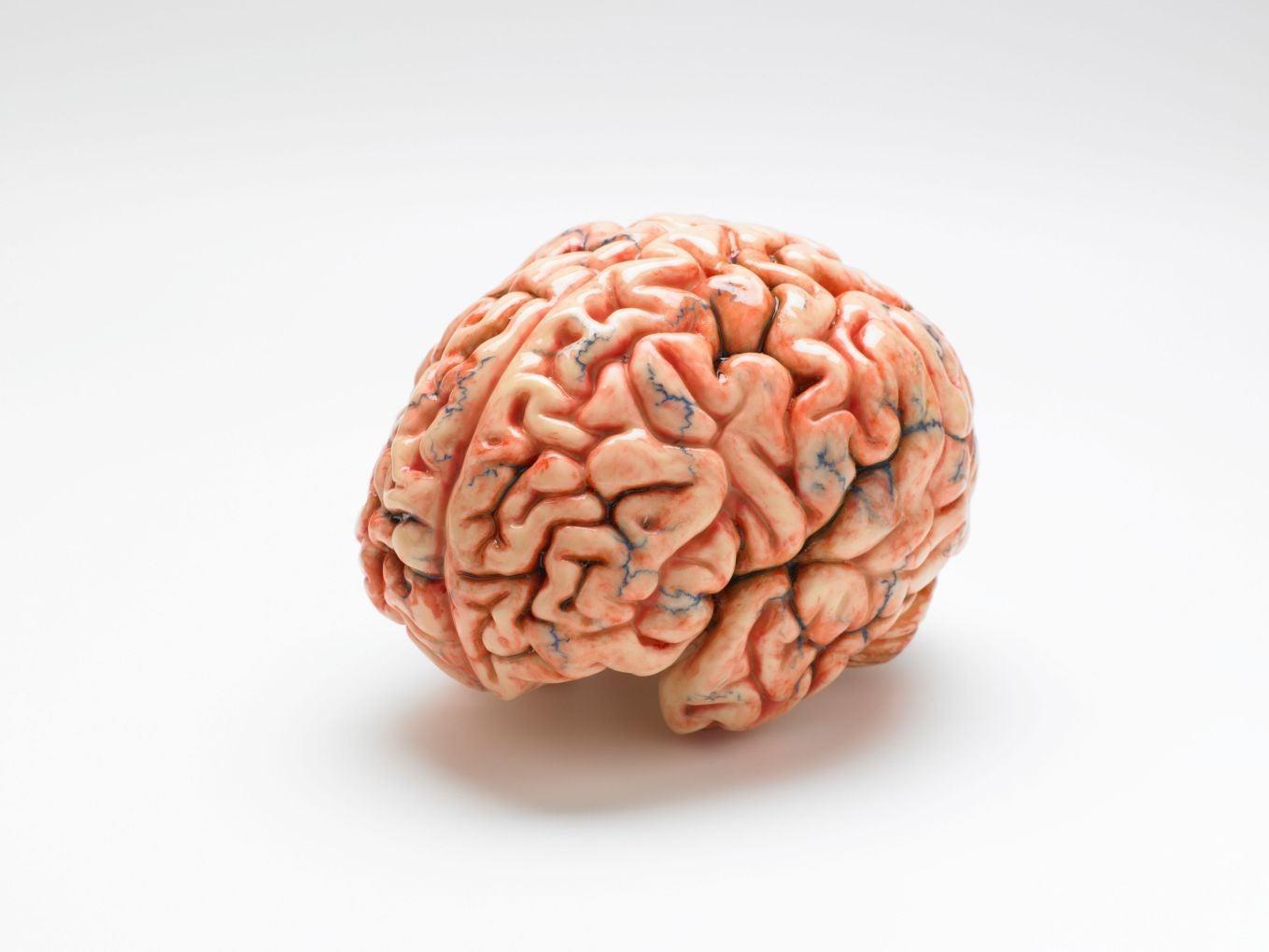
A separate 2024 mouse study used fluorescent molecules and reported reduced clearance during sleep and anesthesia. Its authors distinguished molecular movement from clearance.
That finding challenged a simple account of sleep as universally increasing clearance. It also became the subject of a published methodological dispute.
The Disagreement Continued
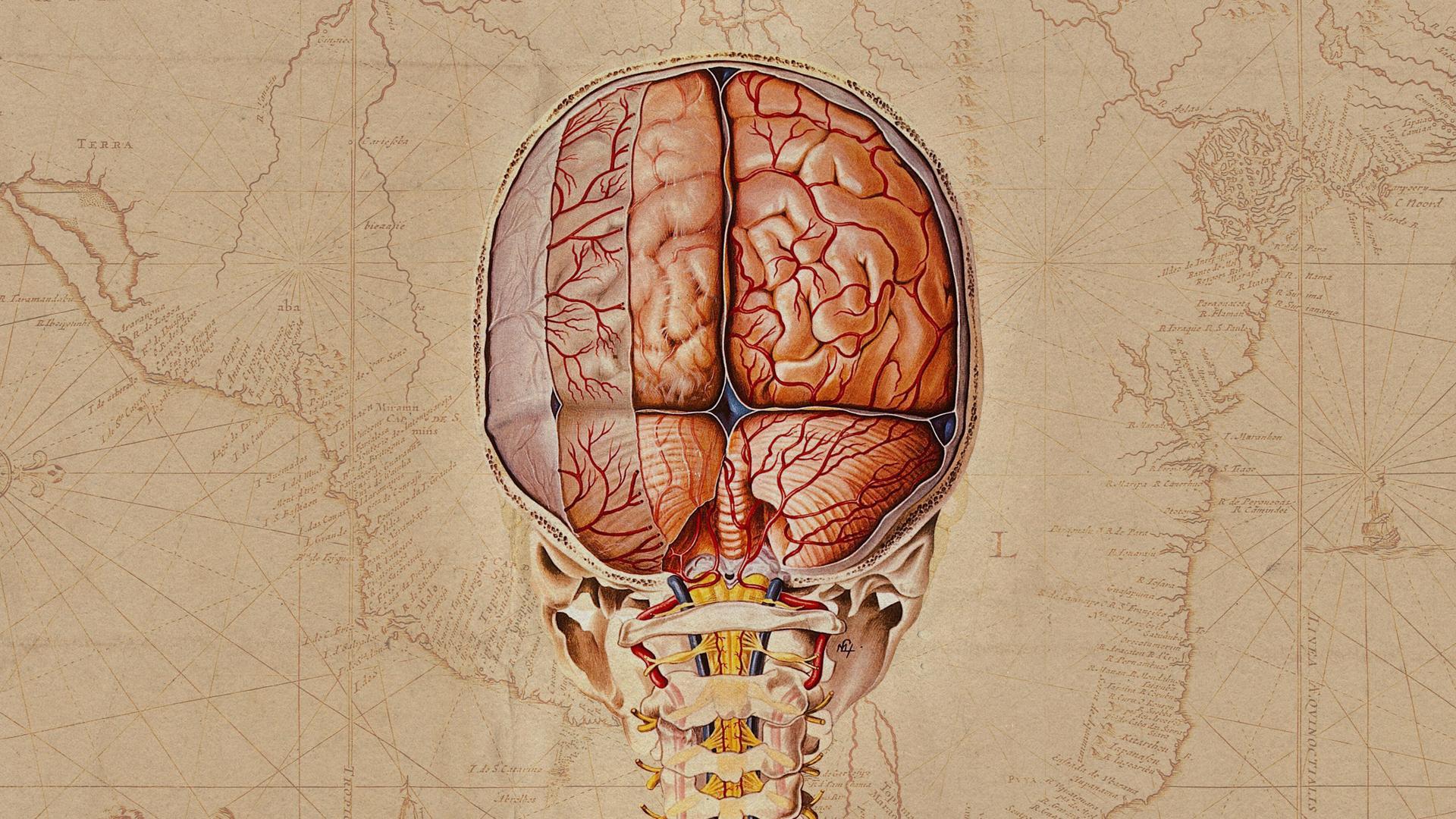
In 2025, other researchers questioned that study's methods, analysis and conclusions. The original authors replied, defending their approach and disputing the criticisms.
Readers should know that exchange exists. Neither side's introductory statement settles every question about the pathways, measurements or mechanisms involved.
A Mechanism Isn't a Diagnosis

Including amyloid-beta clearance in the 2013 work raised questions relevant to neurodegeneration. It didn't show that a blocked pathway explains every person with Alzheimer's.
Nor did those mouse experiments create a home diagnosis or demonstrate that changing clearance prevents dementia.
What an Illustration Can Show
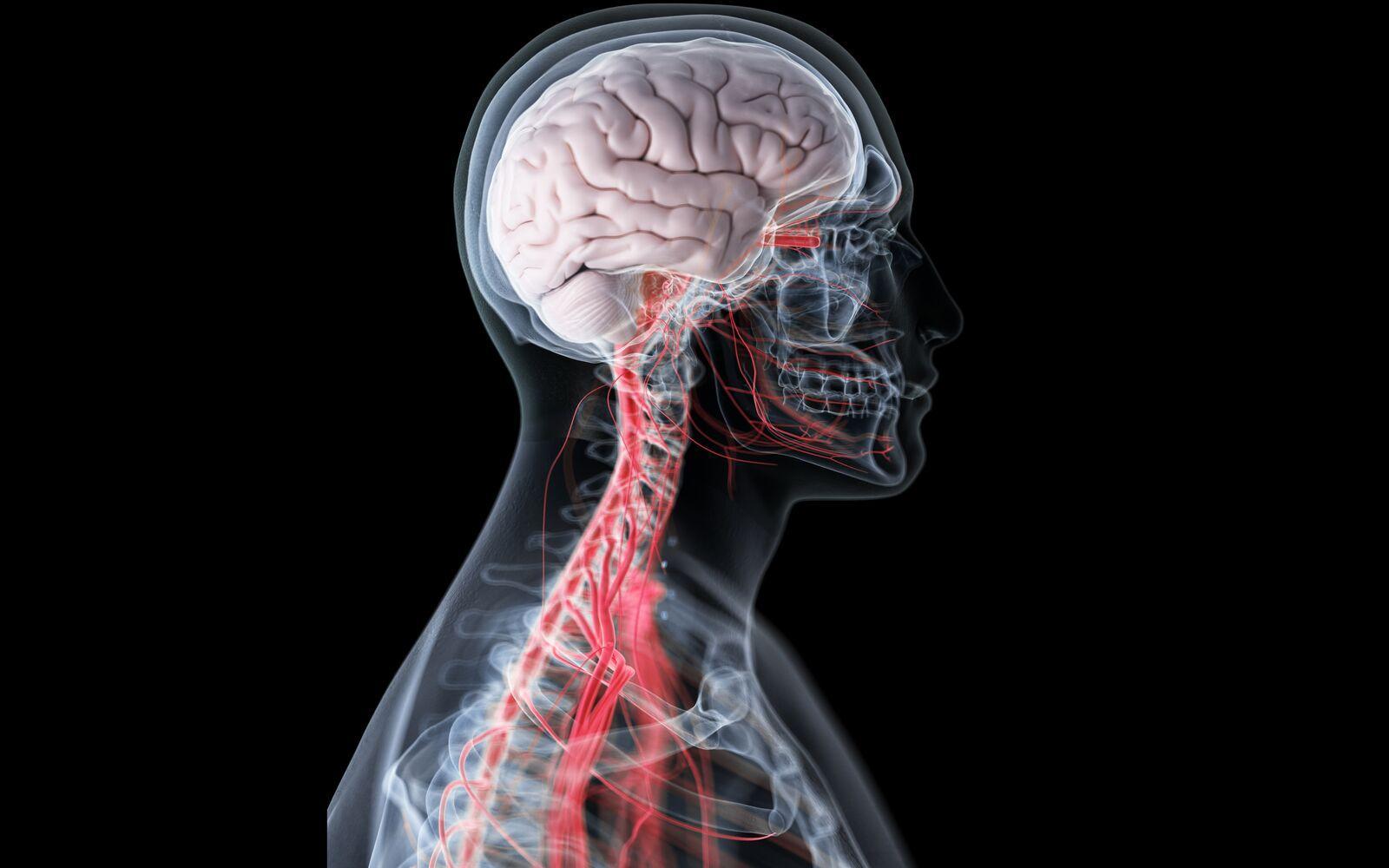
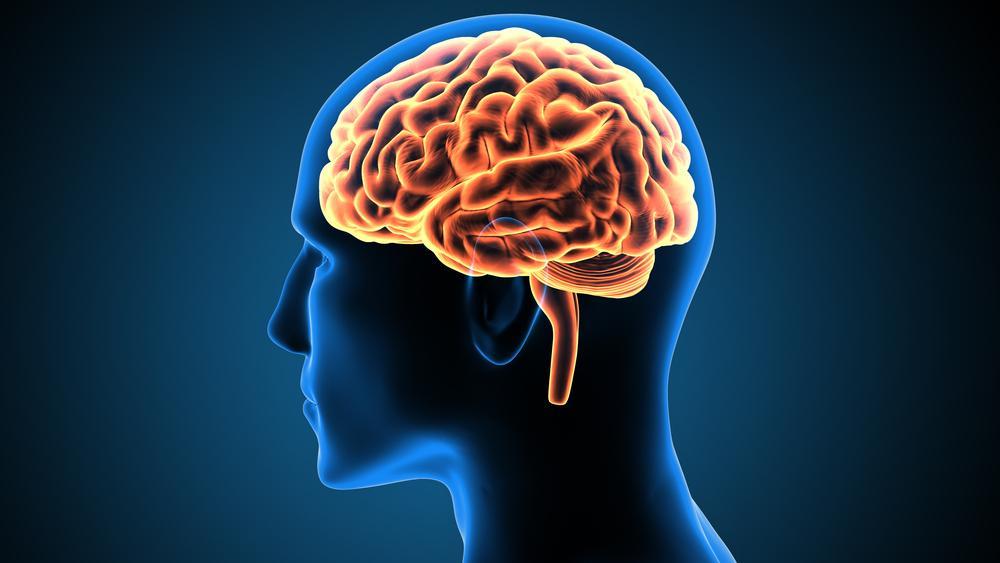
A brain image can help explain an idea. Without its methods and source, it cannot establish which fluid moved or whether the experiment involved people.
The archive images here are illustrative. They aren't new participant scans or proof of treatment effects.
Read the Claim Alongside the Experiment
Was the work in mice or people? Did it measure fluid entering tissue, movement or material leaving? Those questions explain conflicting headlines.
The research is useful without a nightly waste percentage, an Alzheimer's-prevention promise or a do-it-yourself brain-cleansing routine.