Care Doctor
How His Mother’s Recovery Led Tabay Atkins to Teach Yoga
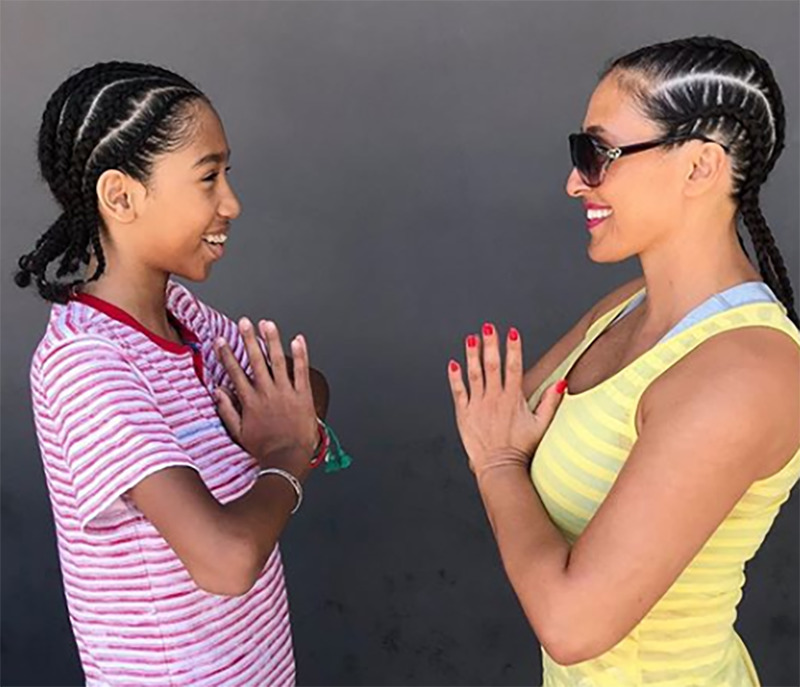
Tabay Atkins first encountered yoga through his mother, Sahel Anvarinejad, after she had undergone cancer treatment. He watched her begin a teacher-training course and wanted to learn too. Before long, accompanying his mother had become an interest of his own.
This is a look back at those early years: the course that caught his attention, the classes he went on to teach and the family partnership that later extended into food. It began with a difficult period at home.
A Mother and Son Through Treatment
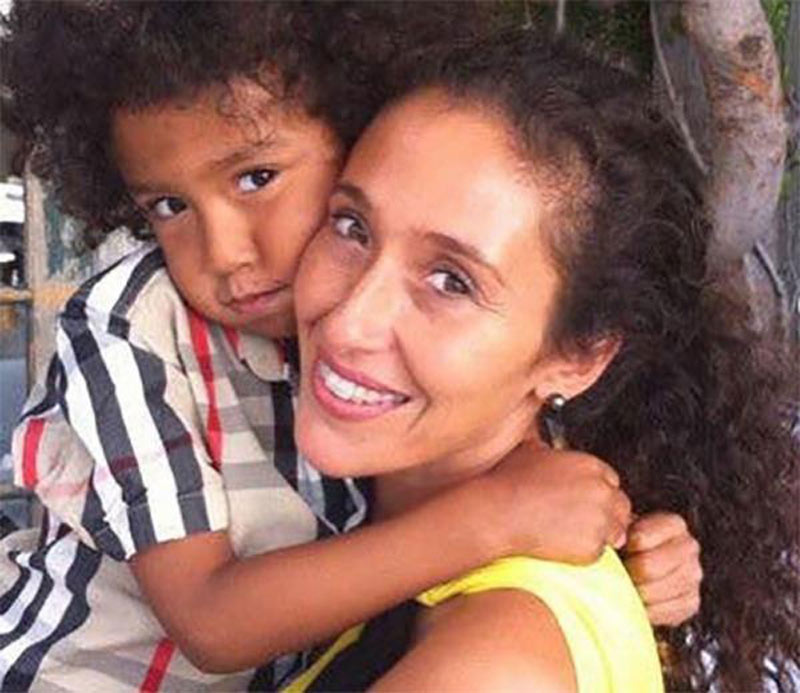
Sahel was diagnosed with non-Hodgkin lymphoma when Tabay was a young child. In the family's account, he stayed close through treatment and shaved his head when she lost her hair. There was little he could do about the illness itself, but he could be there with her.
After chemotherapy, Sahel was declared cancer-free. The next stage involved rebuilding strength and finding a routine after treatment. Yoga entered their lives during that recovery; it did not replace her cancer care.
Rebuilding a Routine
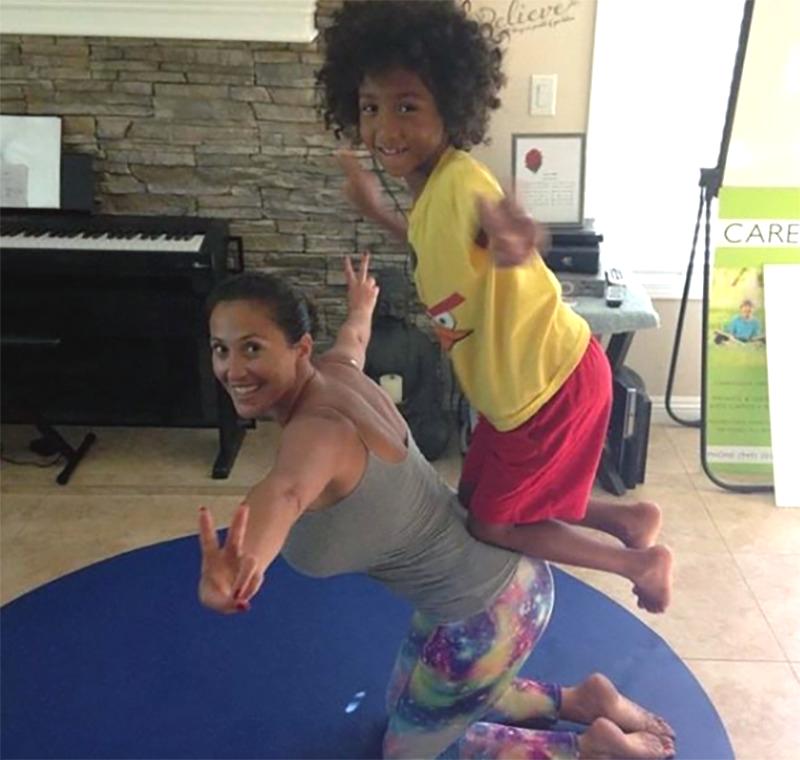
Finishing treatment did not mean Sahel immediately felt strong again. The family's story describes the physical and emotional strain she still faced, even with the relief of being cancer-free. A yoga course offered a new activity to work toward.
She enrolled in a 200-hour teacher-training program. That was a substantial commitment for someone rebuilding daily life, and the experience would have consequences for both her career and her son's interests.
Tabay Came Along
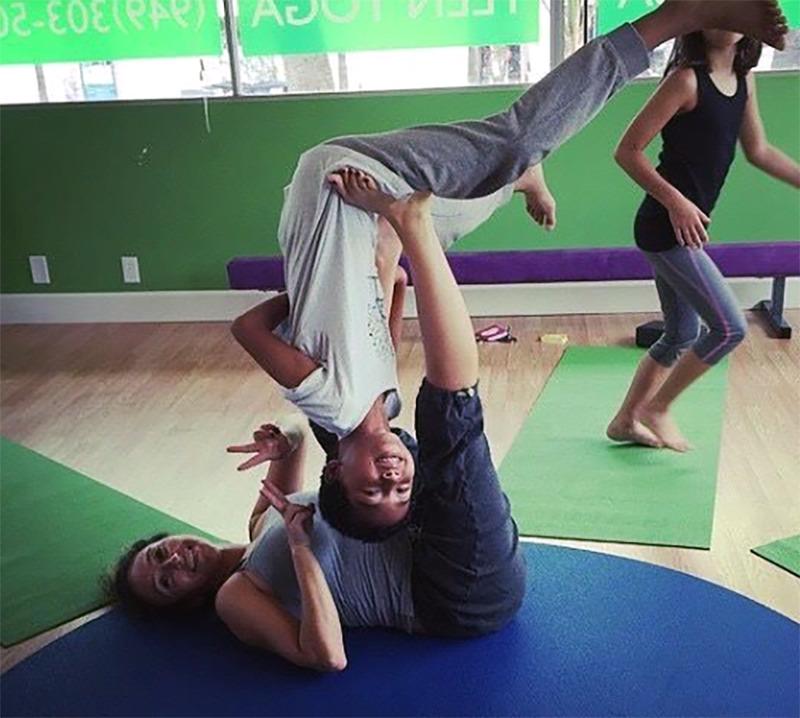
According to Tabay's biography, he was seven when he accompanied his mother, who had recently been declared cancer-free. He watched the classes as she worked through the training. What began as time spent alongside her gradually became something he wanted to do himself.
The family credits yoga with helping her feel better during recovery. That is their experience, not evidence that a particular course or exercise program will have the same effect for every person after cancer.
Following Her Into the Studio
After completing her training, Sahel began teaching and eventually opened a studio. Tabay had seen the classes from the sidelines and wanted a more active part. He practiced and helped with the work around the studio.
Learning together gave them something to share outside the earlier hospital routine. It also meant Tabay had a close view of what teaching involved: preparing for a class, showing movements and helping people with different levels of experience.
Training at Ten

Tabay completed a 200-hour yoga teacher-training course at ten. Most people in a course like that are adults, making his age an unusual part of the story. The hours and practice still had to be completed.
Early coverage focused on how young he was, but his motivation was closely tied to what he had seen at home. He wanted to help other people enjoy the practice that had become important to his mother.
His Father Tried a Class
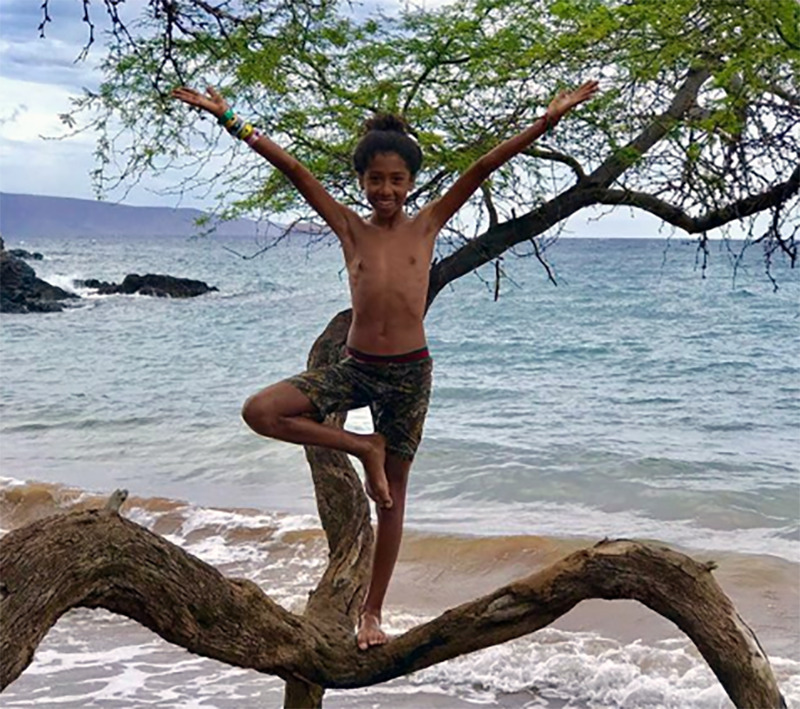
Tabay's father, former NFL linebacker Larry Atkins, also supported him. The original account describes Larry trying a long yoga class and discovering that balance, sustained positions and concentration could be demanding in ways he had not expected.
For a parent used to a different kind of athletic training, it offered a closer look at his son's interest. It was also a reminder that an activity can be challenging without resembling the sports someone already knows.
A Young Teacher in Front of the Room
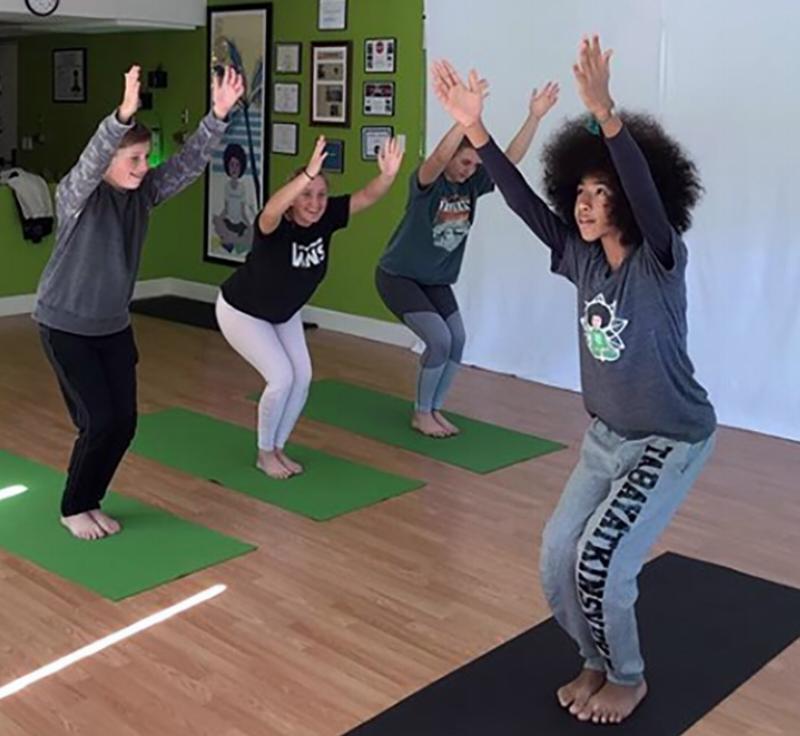
With his training complete, Tabay began teaching at his mother's studio. He worked with younger students and adults, including people who were surprised to discover the age of their instructor.
That surprise was part of the attention he received, but a class still depended on what happened after the introduction. He needed to explain movements and respond to the people in front of him. Being unusually young brought curiosity; teaching gave him a way to use it.
He Kept Studying
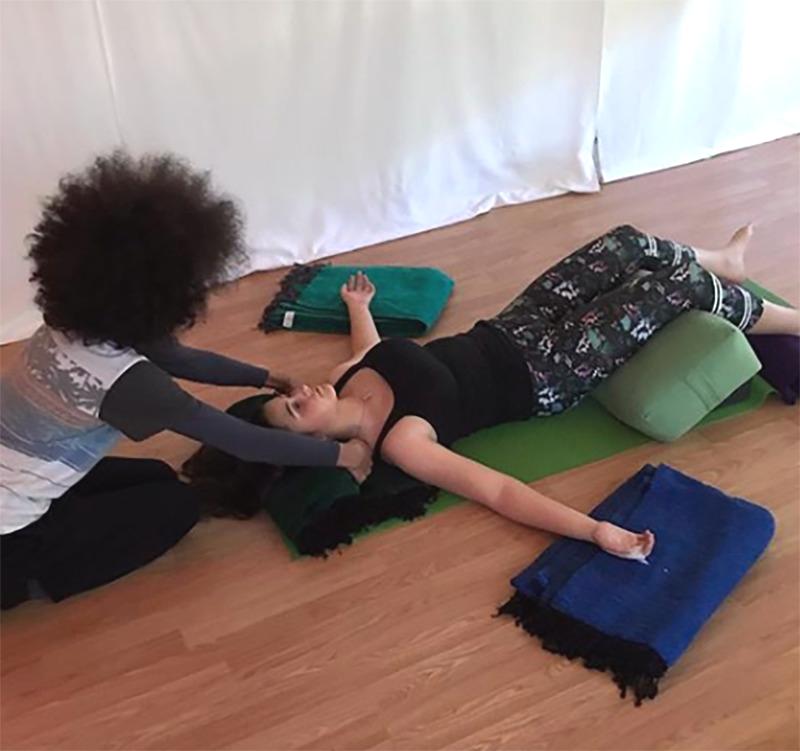
Tabay's own biography says he gained a 500-hour certification at fourteen and continued with specialty training. His interests included working with children, restorative practice and adapting classes for different needs. A 500-hour certificate is an advanced training milestone, not the highest qualification that can exist in every yoga setting.
Learning did not end when he began teaching. The additional courses reflected how much there was still to understand about supporting people with different abilities and expectations.
Adapting to the Students
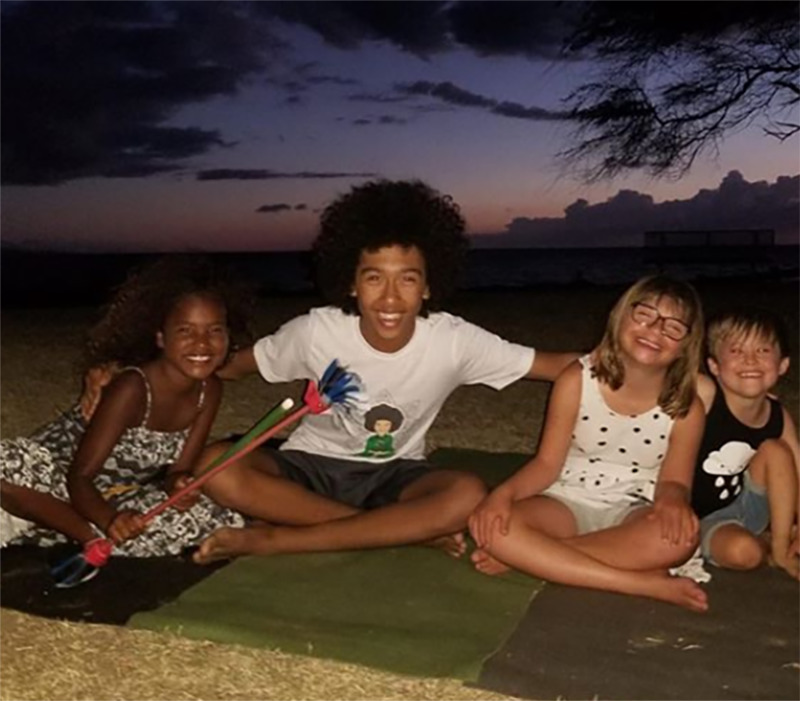
One experience described in the original coverage involved a school serving autistic children. Staff explained what might make students uncomfortable and helped Tabay understand how to approach the class. He adjusted rather than assuming that his usual routine would suit everyone.
The account describes students choosing to participate in a meditation. Their response belongs to that particular visit. It should not be treated as a claim that yoga treats autism or that every autistic student enjoys the same activities.
A Family Milestone
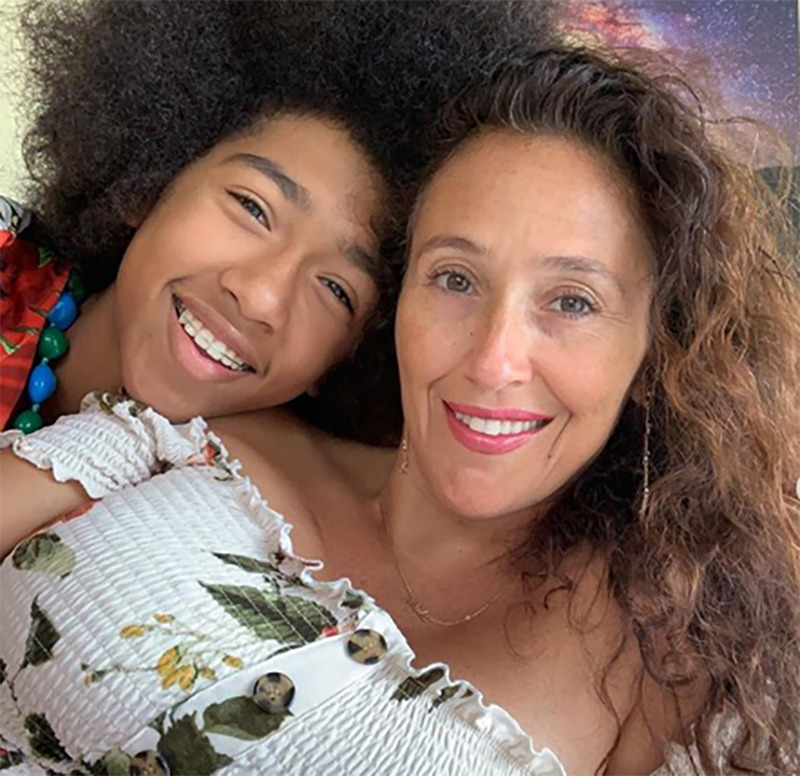
The family later celebrated Sahel's tenth anniversary of being cancer-free. The photographs from that period include a Hawaiian celebration and a watermelon arranged as a cake. It was a personal milestone after the illness that had changed their routines.
Tabay also used teaching to support cancer-related causes, with donation-based work described in his biography. Those efforts connected his growing public profile with the experience that first brought him into yoga.
A Wider Audience
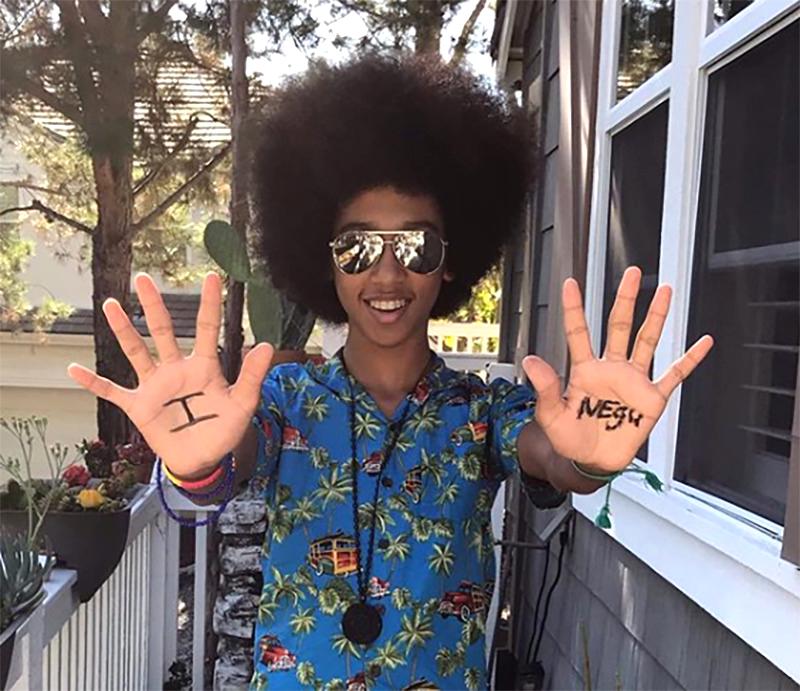
As his story spread, Tabay reached people beyond the studio. Interviews, social posts and brand work brought attention to the young instructor. His online material also began to show another interest: cooking.
The early profile followed him through his teenage years as he shared yoga practices and plant-based recipes. Those ages belong to that period of his life. The photographs are part of that history, rather than a claim about how old he is today.
Taking Classes Elsewhere
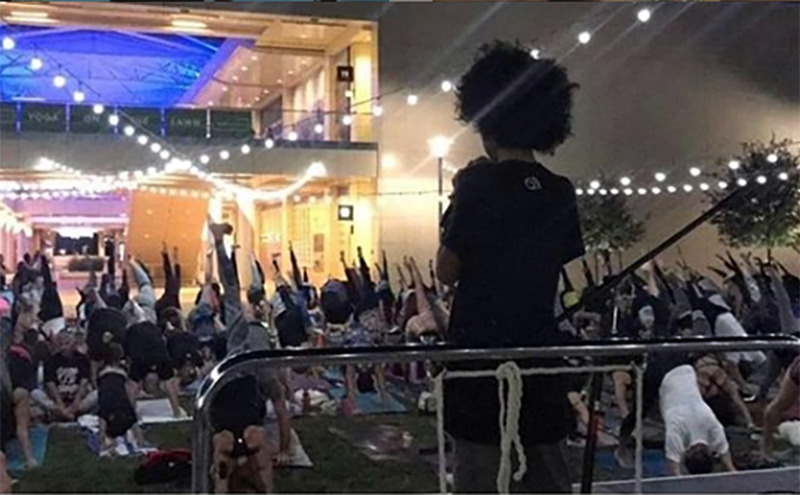
Teaching opportunities took Tabay beyond the studio where he had started. The original profile described invitations to events and classes in places including Hawaii, Mexico, France and the United Kingdom. Different settings brought different groups of students.
A festival session and a small studio class do not feel the same. For a young instructor, traveling to teach meant working with new audiences while continuing to develop his own approach. His mother remained an important part of that journey.
Attention From Athletic Brands
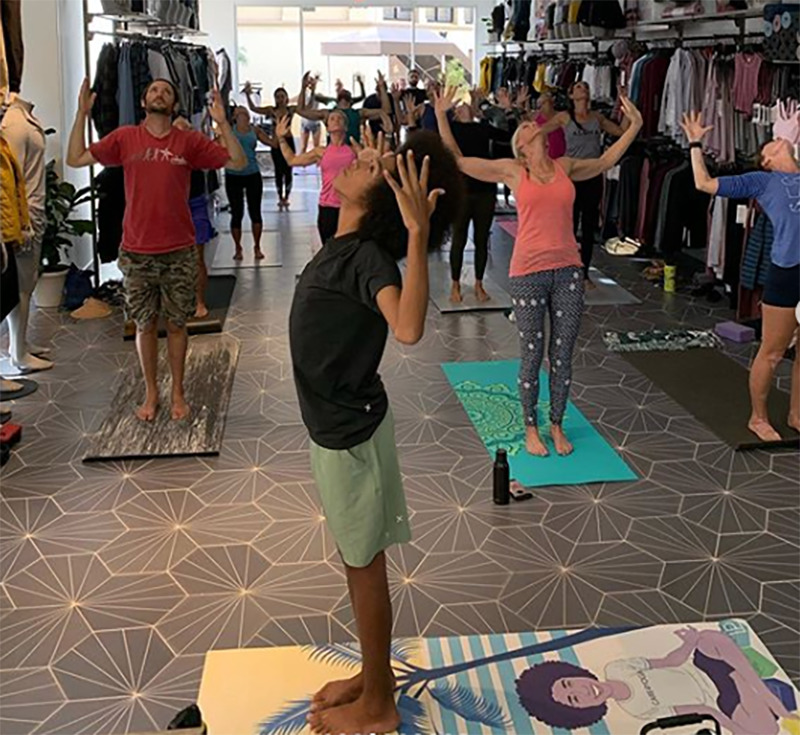
The original coverage described work with brands including lululemon and Nike. Those connections helped introduce Tabay to audiences who might not otherwise have encountered his classes. They also became part of the public story around a child who had entered an adult profession.
A sponsorship is a business relationship, not a medical endorsement. The more useful detail for understanding his early career is that teaching led to opportunities well beyond his family's studio.
An Interest in Food
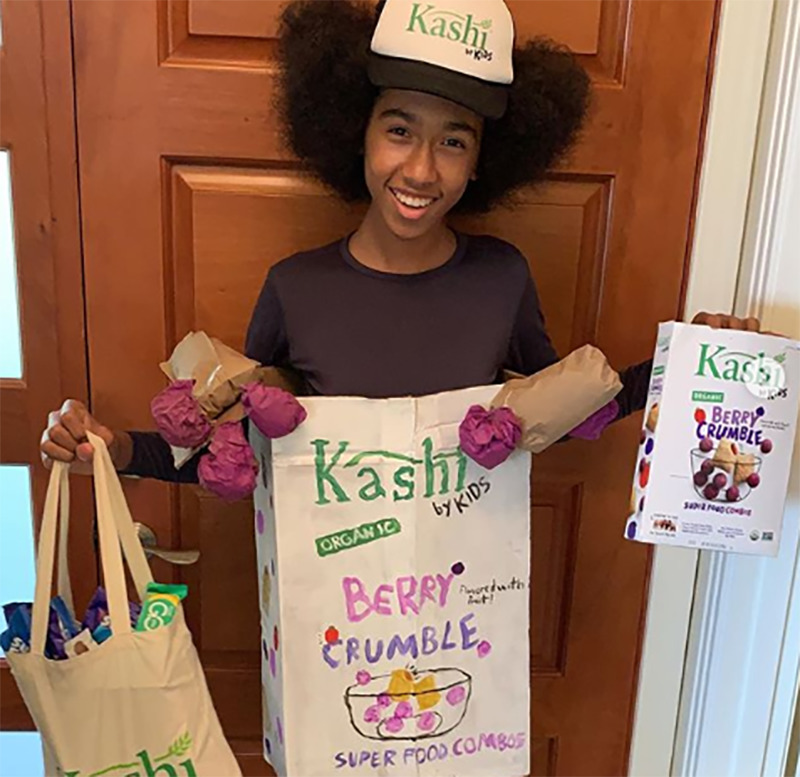
Kashi also appeared in the early profile as a brand he worked with. In the accompanying photograph, Tabay wears a cereal-box costume made from recycled materials, along with a cap and tote bag. It fits the playful side of a story often told through his achievements.
Food was becoming more than an occasional subject for a social post. He enjoyed cooking, and that interest would eventually lead to classes, recipes and a business of his own.
Movement and Attention
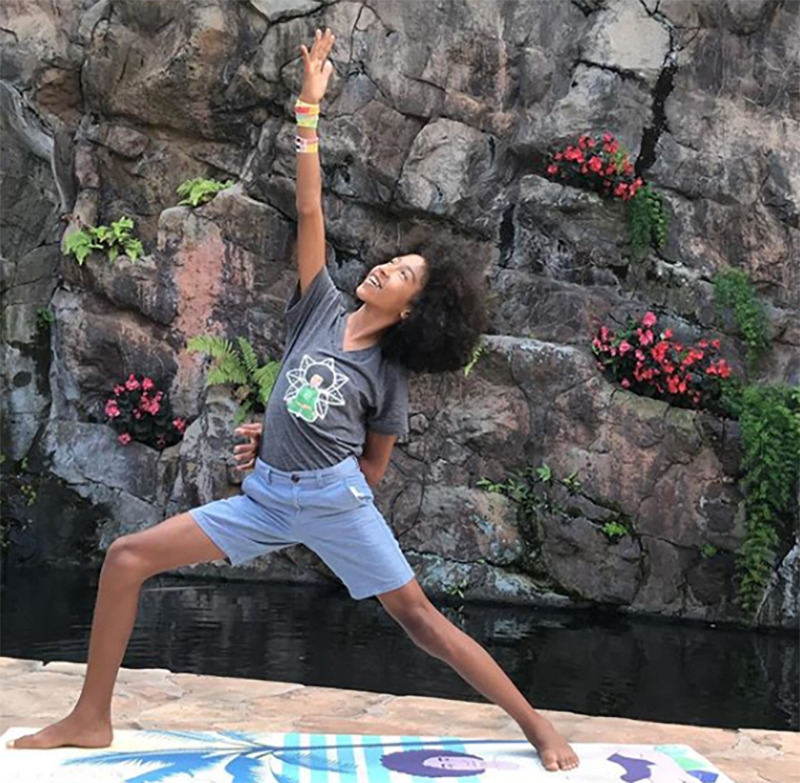
Tabay talks about yoga as more than physical exercise. Breathing, attention and the experience of slowing down are part of what he wants students to take from a class. People may come for movement and find that they also enjoy the quieter moments.
Research summarized by the National Center for Complementary and Integrative Health suggests yoga may help some cancer-related symptoms, including fatigue. It is not a cancer cure. Anyone receiving treatment should discuss suitable activity and adaptations with their care team.
Choosing Plant-Based Food
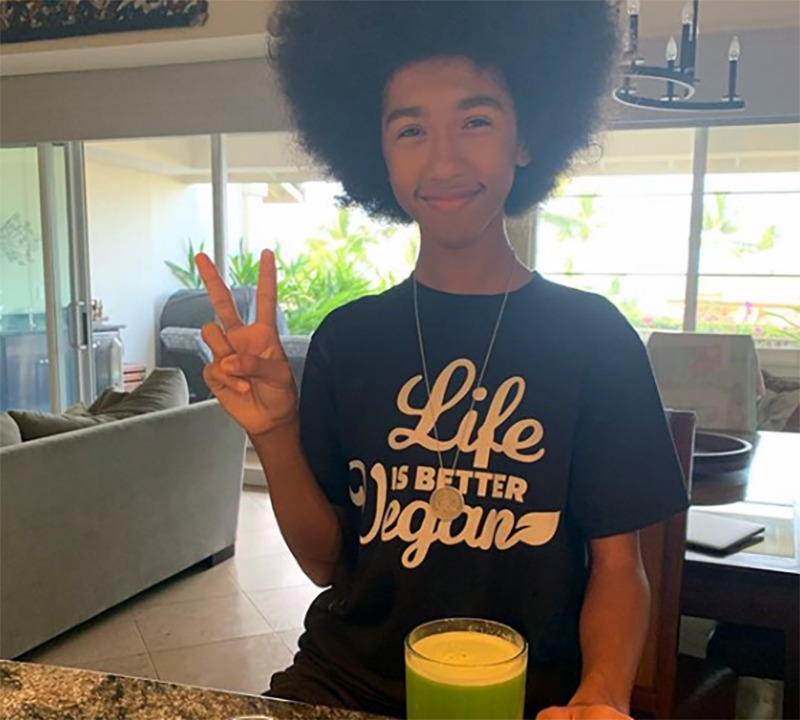
Tabay and his mother also became interested in vegan cooking. For him, it connected an everyday habit with something he already liked doing: making food for other people. Travel offered chances to try dishes and bring ideas back to his own kitchen.
Their choice is part of their family story. It does not mean that every yoga student needs to eat the same way, or that one dietary label guarantees good health. What someone eats still needs to meet their individual nutritional needs.
Tabay’s Mindful Kitchen
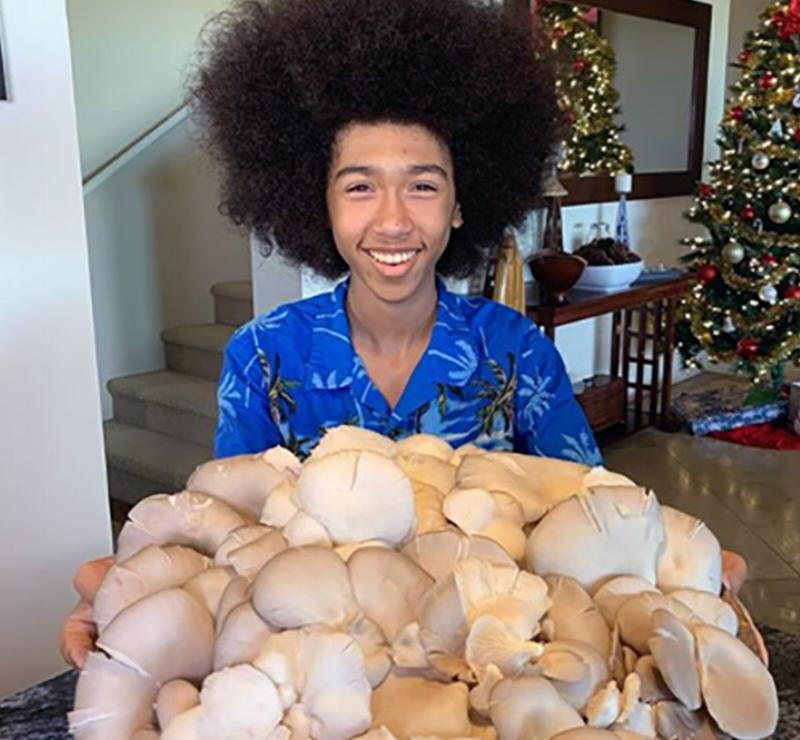
The cooking interest grew into Tabay's Mindful Kitchen. With help from his mother and others, he developed a food-truck business alongside his teaching. It gave the recipes a setting beyond a video or a home kitchen.
Running a food business brought a different set of responsibilities from leading a class. The original profile followed that expansion as he worked on ways to share plant-based meals with people who might encounter him first through food rather than yoga.
Food Connected to Family
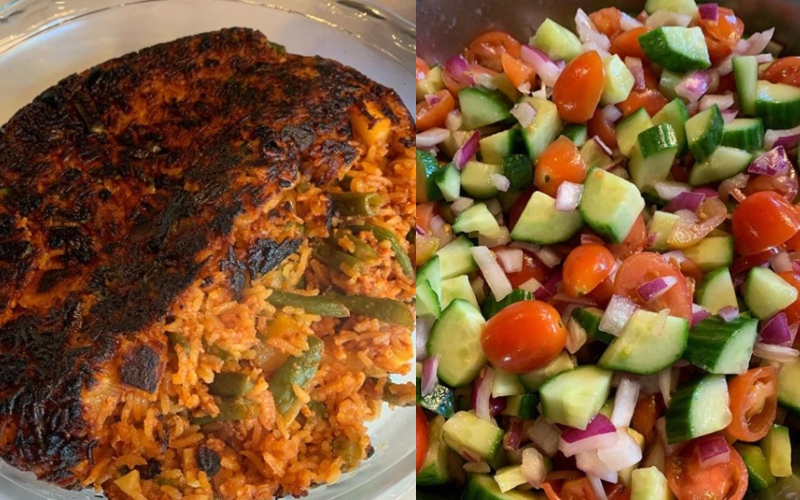
His family's Persian heritage influenced his cooking. The original account describes him drawing on his mother's side of the family when developing dishes, giving the food a connection to the people and traditions around him.
That is a more useful introduction than claiming every reader will find the same meal delicious. The appeal of the kitchen lies partly in seeing how a young cook combines his interests: plant-based ingredients, family influences and the wish to make food for other people.
A Partnership That Continued
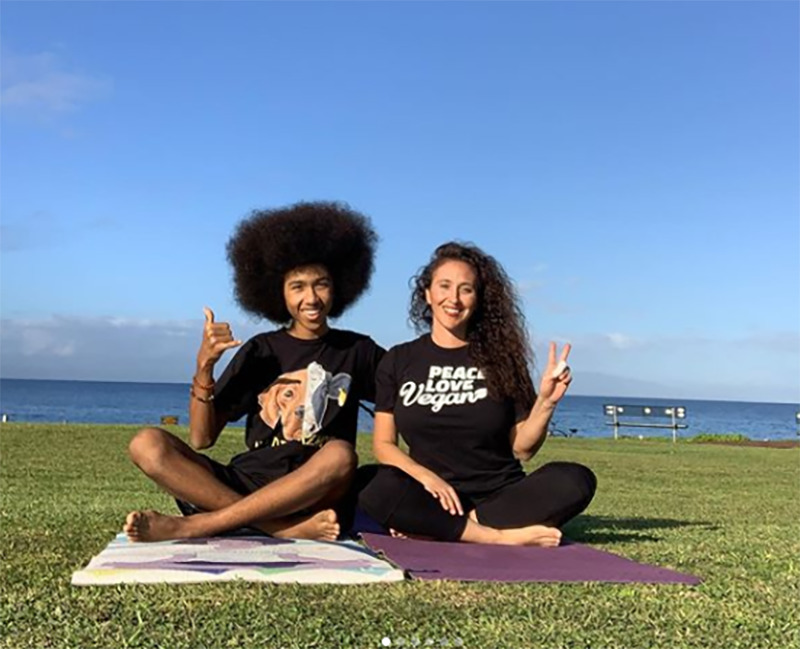
The early story ends with mother and son working on the interests that grew out of a difficult time. Yoga, teaching and cooking had become part of their shared routine. Their careers continued to develop beyond the period shown in these photographs.
There is no need to predict what Tabay will do next to recognize what had already happened. A boy accompanying his mother to training found something he wanted to learn, then put years of work into it.
Where the Story Started
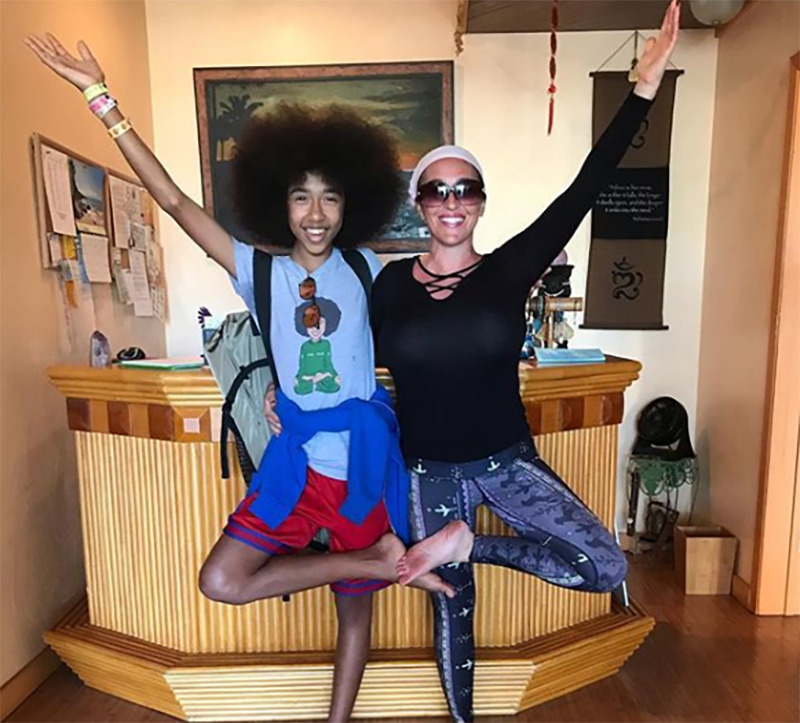
Sahel's cancer treatment came first. Yoga entered her life afterward, as part of the period in which she was rebuilding strength and a routine. Keeping that order clear matters: an inspiring recovery story should not turn into advice to replace medical care.
For Tabay, watching his mother opened an unexpected path. The interest became training, the training became classes, and the classes led to a wider life in teaching. The family bond runs through all of it.