Care Doctor
Five Steps for Managing Garden Pests Without Guesswork
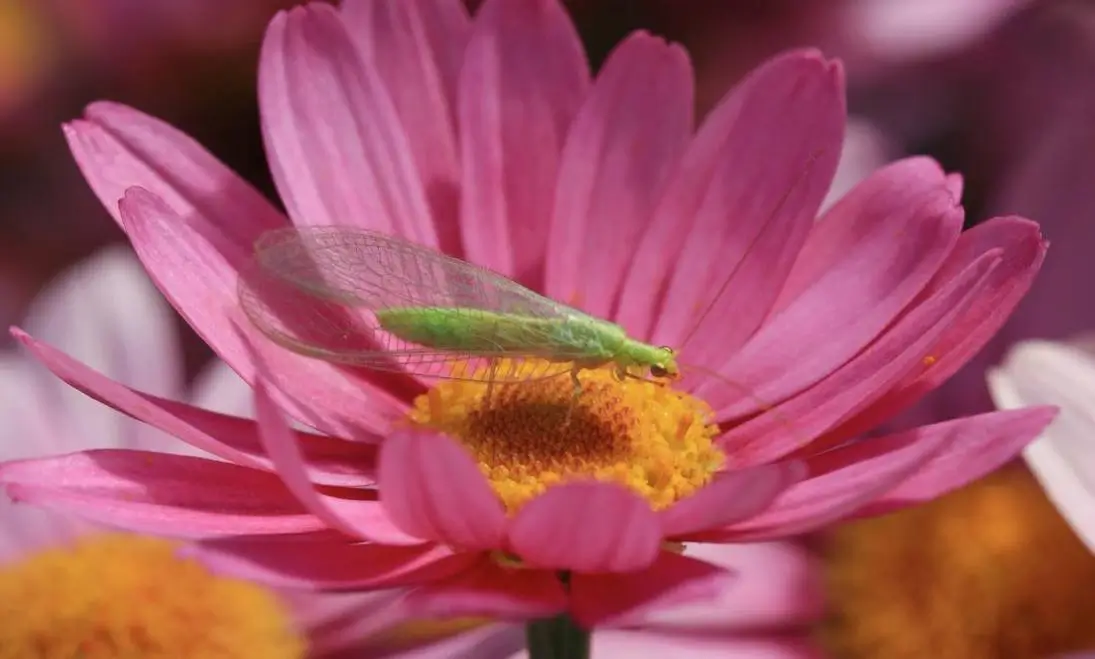
Some insects in a garden are pollinating flowers or eating other insects. Seeing one on a leaf does not mean it is a pest. Look at the damage, try to identify its cause and keep a photo with the plant’s name if you ask a local extension service for help.
The EPA’s integrated pest management approach begins with identification and monitoring. Prevention and suitable controls follow that work. A hole in one leaf need not prompt spraying across the garden. These five steps give you a way to work through the problem without promising that the plants will become pest-free.
1. Identify the problem
Turn leaves over as well as looking at the tops. Chewed edges, sticky residue and wilting can point to different problems; heat, water and disease may resemble insect damage. Check a reliable identification guide or ask an extension service. A pesticide bottle’s picture is not enough to decide what is affecting your plant.
2. Check the growing conditions
Start with a plant suited to the spot, then follow its care needs. Check the soil moisture before watering and make sure drainage is appropriate. Compost and fertilizer cannot make it immune to pests. Adding more may create another problem, so use guidance for the crop instead of guessing at extra treatments.
3. Use a suitable physical control
Depending on the identified pest, removing affected material, hand-picking or using an appropriate barrier may help. The method needs to fit the plant and insect. Don't handle an unknown biting or stinging creature. Some barriers can also exclude pollinators, so get crop-specific advice about when they should be used or removed.
4. Leave kitchen chemicals in the kitchen
Choose garden treatments by their label, not by what is available indoors. Vinegar, shampoo and dish detergent are not interchangeable with them. Iowa State Extension specifically warns that dish soap may damage plants and cannot replace formulated insecticidal soap. Useful insects may be affected by a homemade mix as well.
When treatment is necessary, the label must fit the pest, the plant and where it will be used. Follow the protective-equipment directions, exclude people and pets as instructed and observe any pre-harvest waiting period. “Natural” does not remove those conditions.
5. Watch what happens next
Go back and look at the plant after treatment. Notes on the damage, conditions and action taken can help you judge any change. Remove diseased or infested material according to local guidance, instead of clearing every leaf and insect. If the trouble continues, have the identification checked before trying another application.