Care Doctor
Five Small Cooking Tricks, With Food Safety Built In
The best use for a cooking trick is a small job it actually helps with. Holding loose filling in a sandwich or cooling coffee without plain water are examples. A shortcut also has to suit the food, the tools and the people in your kitchen.
Here are five familiar ideas adapted with that in mind. Keep hands and equipment clean, do not let raw meat touch ready-to-eat food, and follow safe cooking and storage guidance. A good-looking result is not evidence of food safety, however simple the trick may seem.
1. Fold lettuce around a filling
Wash a broad lettuce leaf under running water and dry it. Fold it around loose sandwich ingredients before putting them between the bread. Small pieces then have something to sit in, although an overfilled sandwich can still spill. Keep perishable fillings in the refrigerator until you need them rather than leaving them out for assembly.
2. Freeze coffee for iced drinks
Freeze coffee in a clean food-safe tray for an iced drink that will not gain plain water as the cubes melt. Keep preparation hygienic and follow safe cooling and storage practices. Be especially careful when milk has been added. Mark the tray or container clearly for anyone expecting it to hold normal ice.
3. Try lemon slices beneath fish
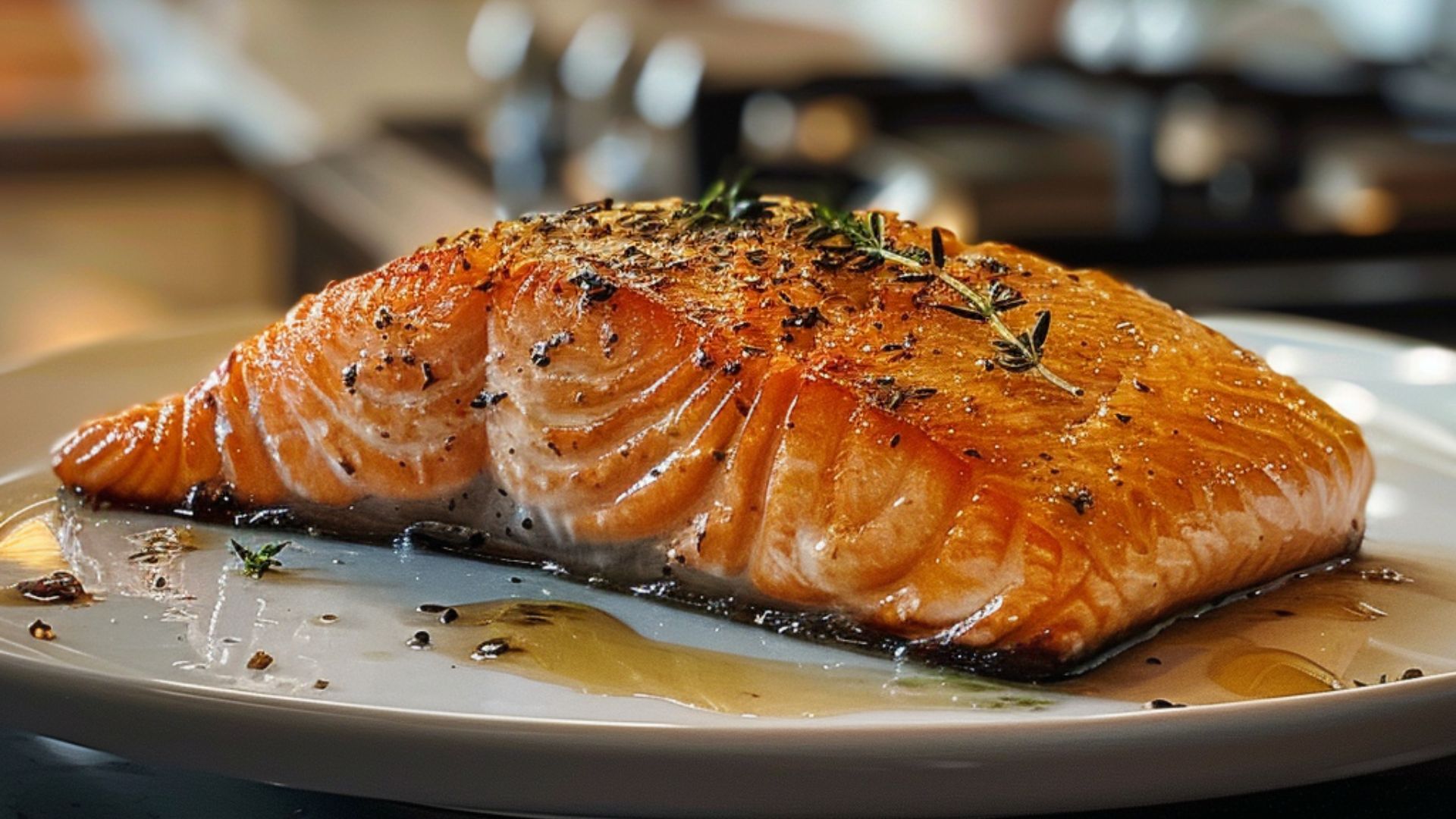
Lemon slices beneath salmon can add flavor in an oven-safe dish. They do not make the fish reliably nonstick or replace a doneness check. Use a thermometer, following federal guidance of 145°F for fin fish. Raw-fish juices and the tools used for them must stay away from food that is ready to eat.
4. Use a proper batter dispenser
A washable dispenser made for food can portion pancake batter. Choose one you can clean completely and follow the cleaning instructions. Reusing a ketchup bottle is a poor shortcut if residue remains or parts cannot be reached. Keep batter chilled when needed. Do not taste it raw: flour and eggs can carry harmful germs, even before the mixture looks like finished food.
5. Make shaping raw meat less messy
Shape portions on a suitable surface with clean tools. Dividing the meat first can make patties or meatballs easier to handle. If oil helps stop sticking, remember it does not ensure a crisp finish or change safe cooking requirements. Wash your hands and contaminated equipment afterward.
A thermometer, rather than color, checks the temperature: federal guidance lists 160°F for ground beef and 165°F for ground poultry. Put cooked food on a clean plate, properly washing any plate that previously held raw meat before reuse.