Care Doctor
Six Ways to Organize Your Fridge With Food Safety in Mind
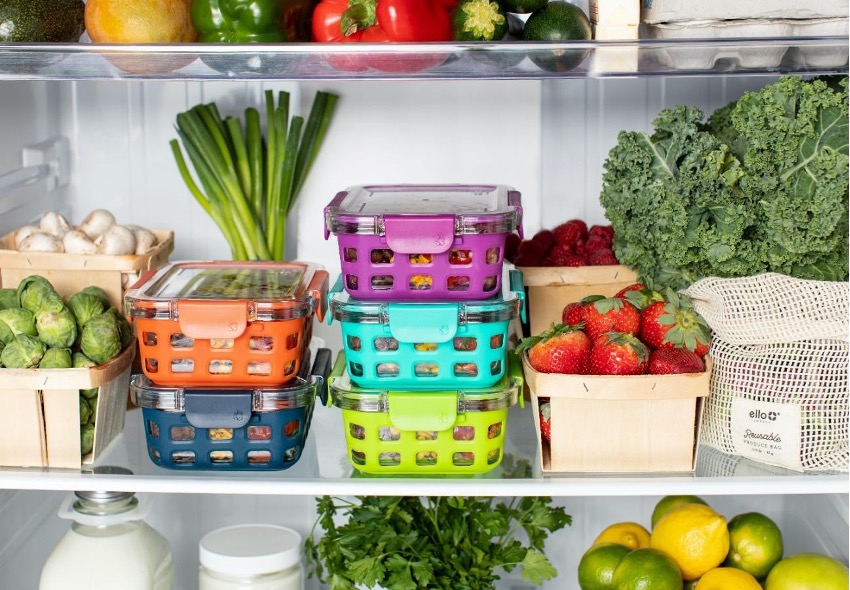
A refrigerator temperature of 40°F or below is USDA’s recommendation. Check it with an appliance thermometer before spending time arranging the shelves. Food needs to stay cold, however tidy the fridge looks.
The useful arrangement is one that makes lunch and leftovers easy to find and spills easy to notice. It need not involve a set of matching boxes. Leave space for air circulation, and move through the contents in small batches when cleaning. Perishables should not spend a long reorganization sitting on the counter.
1. Make an eat-first area
Give ready-to-eat food that needs using soon a visible place. Date leftovers when they are cooked, keep to safe storage limits and avoid mixing an old portion into a newer one. The newer food does not reset the age of the older food.
This area is for food that is still safe. It cannot make something safe after it has spent too long in storage or been left warm. If a printed date is unclear, check what that particular label means. Not all dates on packages have the same purpose.
2. Keep condiments within reach
Try a shallow tray before buying anything. It can bring jars forward together and make the back of the shelf easier to manage. A small turntable is another option if it fits, keeps bottles upright and leaves the vents clear.
Follow storage directions once a product is opened. Wipe the lids, and date things you regularly forget. Either arrangement should make it easier to find the jar, not just make the shelf look different.
3. Use bins that fit safely
Keep small packages in a washable bin if that helps you find them. It needs a stable place on a shelf, with ventilation openings left clear. Do not drill into the fridge or improvise baskets attached to its walls.
Check measurements before spending money, including enough room for the door to shut. There is little benefit in a container that improves the view of food while squeezing everything else too tightly.
4. Group food without mixing raw and ready-to-eat
Keep ready-to-eat foods out of the path of raw-food drips. Raw meat, poultry and seafood should be sealed in leakproof bags or containers; a low shelf can help contain a spill.
For other items, follow storage instructions when grouping them. Use produce drawers as they were intended to be used. The arrangement can help you find things, but it cannot make up for warmth. Safe temperature still matters across the whole refrigerator.
5. Choose food-storage organizers
An office file organizer may fit a shelf without being suitable for food contact or fridge cleaning. Choose containers intended for food storage and follow the care instructions.
Labels can help with shared snacks. They matter for allergy arrangements too: make clear what is in each bin rather than expecting everybody to remember who uses an unmarked box. A clever-looking arrangement is useful only if it works for the food and the people using it.
6. Contain spills instead of hiding them
Raw meat needs leakproof containment, not paper towels underneath. If juices escape, remove affected items and clean the surfaces properly. Replace dirty liners rather than leaving moisture beneath them.
Check the fridge before shopping. You can see which food needs using, what should be discarded and where cleaning is needed. Deal with spills before another week’s groceries makes them harder to reach.