Care Doctor
Baby Jessica’s 1987 Rescue and the Recovery That Followed
The 58½ hours it took to reach Jessica
Jessica McClure was 18 months old when she fell into a well in Midland, Texas, on October 14, 1987. She came out alive on October 16, after 58½ hours underground. The rescue made her known as Baby Jessica. The moment she reached the surface went out on live television. What followed was weeks of hospital care.

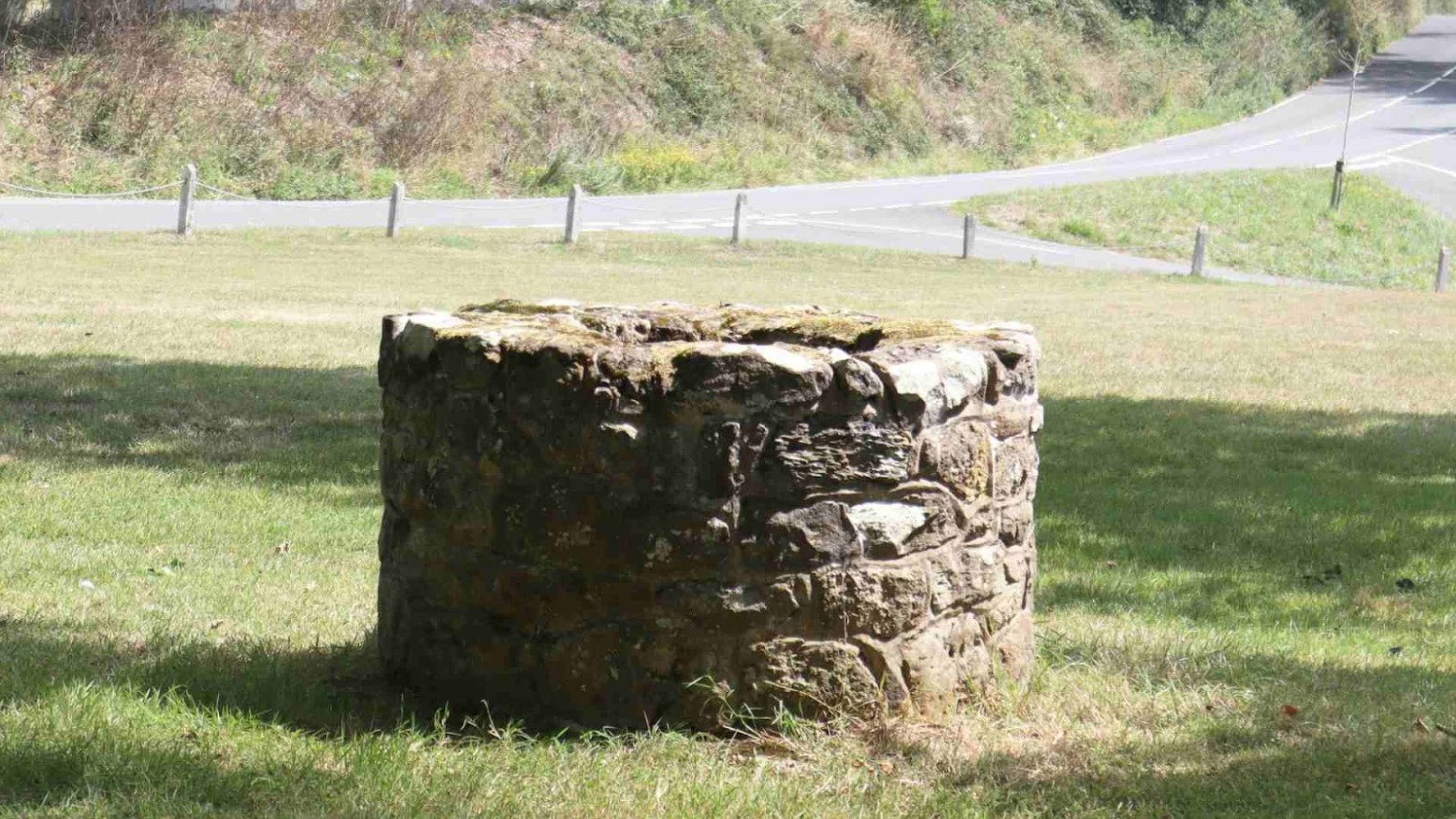
She had been playing at her aunt's home, where children were being looked after. The opening was only eight inches across, and Jessica became trapped about 22 feet down. Rescuers couldn't simply climb into that narrow space and pick her up. They needed another way to reach her, with enough room to work beneath the ground.
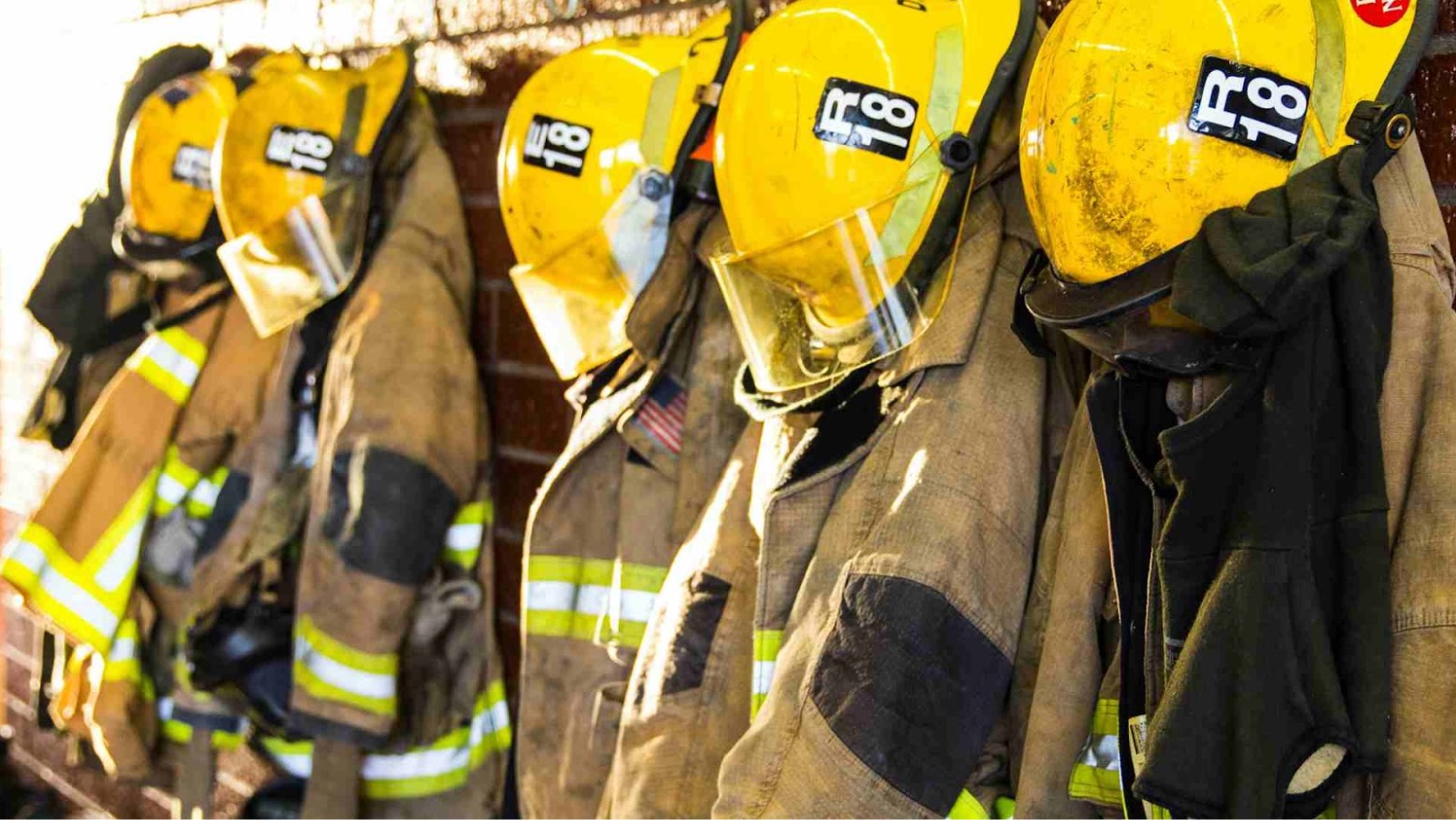
Crews drilled beside the well, planning a passage across to Jessica. A microphone helped establish that she was alive. TIME's October 1987 report described the delays: hard limestone broke drill bits, while volunteers took turns using heavy jackhammers in the cramped connecting tunnel. Work continued through the night.

By early Friday, they'd made a breakthrough just two inches wide. It still needed enlarging. Later, rescuers used a high-pressure water drill to cut through the remaining rock. Television networks switched to Midland as a paramedic emerged carrying the bandaged child that evening.
UPI's report identified the man carrying Jessica as paramedic Steve Forbes. Robert O'Donnell had accompanied him into the rescue tunnel and helped free her. Doctors initially described her condition as serious, then upgraded it to stable later that night. She needed treatment for the injuries she'd sustained while trapped underground.
The operation depended on people with different skills. In his October 23, 1987 remarks, President Ronald Reagan recognized three Mine Safety and Health Administration employees: Wayne Kanack, Dave Lilly and Sid Kirk. Kanack had called on Lilly and Kirk for their experience in hard-rock mining. Reagan described their part in directing the drilling and said Lilly had chipped away the last inches of rock by hand to make physical contact with Jessica.
Reagan also thanked the wider group that had worked through exhaustion. UPI reported that local people and businesses donated equipment, fuel and time. The phone company helped get heat down to Jessica while she was still trapped.
Growing up after the rescue

Jessica left Midland Memorial Hospital on November 20, 1987, after losing her right little toe. Earlier that month, her doctors had told reporters that she was starting physical therapy to help her walk again. When she left the hospital, she was still wearing a cast. Years later, she still had physical reminders of the accident. PEOPLE's 2017 reporting described a reconstructed right foot that was smaller than her left, along with a forehead scar. The injuries were still part of her story three decades after the rescue.

Her school years brought milestones that had little to do with the well. The Midland Reporter-Telegram covered her graduation from Greenwood High School in May 2004. She crossed the stage in a blue cap and gown, one of 113 graduating seniors. The reporter noted that television crews weren't there to film it. The same article recalled an interview the paper had conducted with Jessica at six: she knew she'd been rescued and that people had been frightened for her.

By the twentieth anniversary in 2007, ABC News described her as a wife and mother living in Midland. Jessica couldn't remember falling into the well or being trapped there. Other people remembered it clearly. ABC spoke with neighbor Jonnie Johnson, who recalled worrying that rescuers might not reach her, and former fire chief James Roberts, who remembered his amazement when he finally saw her. The child at the center of the rescue and the adults who watched it had very different memories to carry. By then, Midland also had a civic-center memorial commemorating the rescue.

Donations followed the rescue, and the money was held in a trust. The 2007 anniversary report said Jessica would gain access when she turned 25. In the meantime, people sometimes assumed she already had money, something she would speak about later.

In a 2017 PEOPLE interview, Jessica described family life with her husband, Danny, and their two children. She was working as a special-education teacher's aide. She also expressed gratitude for the strangers who had donated to help her. These are details from that interview, now part of the history of her life after the rescue.
Fame hadn't made childhood easy. In PEOPLE's October 2017 account, she recalled being teased about the well and wearing hand-me-downs while other people assumed she had money. She said those experiences influenced how she taught her own children to treat others. She was old enough to know people recognized her, and still years away from being able to draw on that money.