Care Doctor
The Health Questions Behind Brazoria County's 2024 Monkey-Facility Dispute
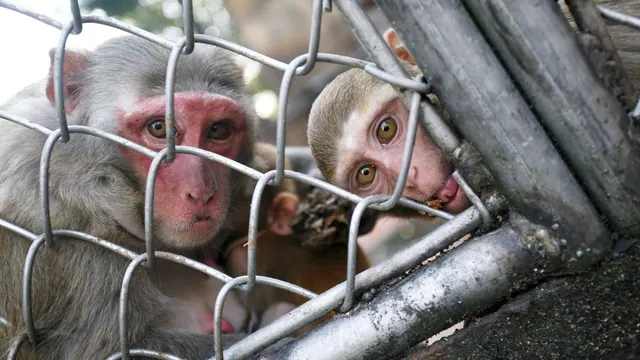
A plan to house research monkeys on a large tract of land in Brazoria County, Texas, brought an unfamiliar health question to the neighborhood: what would a primate facility mean for the people living nearby? By early 2024, residents and local officials were challenging a Charles River Laboratories proposal that had attracted attention with a striking number: up to 43,200 monkeys.
That figure needed context even then. It was an early maximum estimate, and the company subsequently described a smaller plan. Looking back at the dispute means separating those changing proposals from the disease risks and safeguards that residents wanted explained.
The number changed before the debate ended
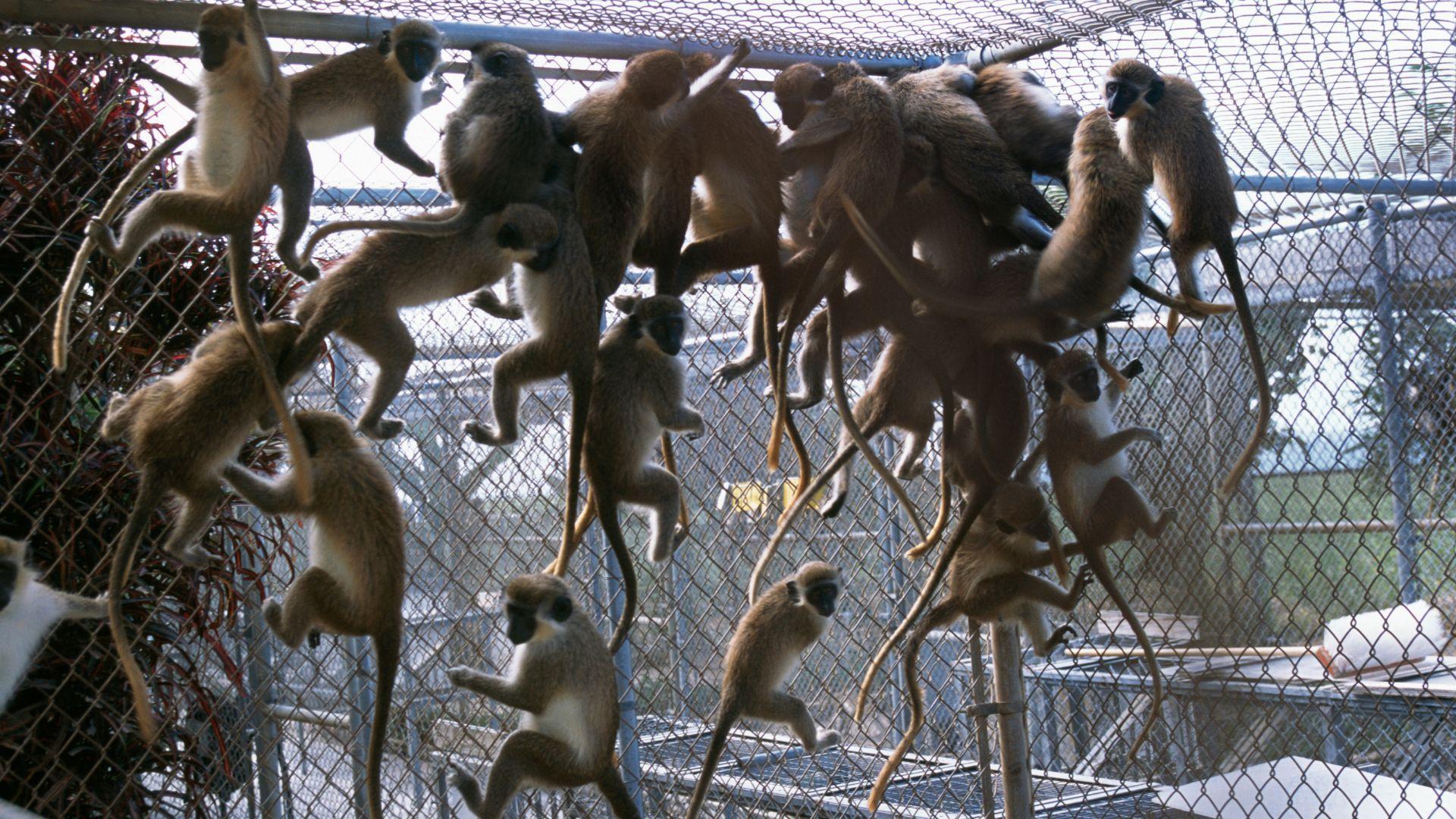
In a January 3, 2024 Texas Standard interview, Wall Street Journal reporter Nidhi Subbaraman said the larger number came from preliminary site layouts shared with the county. She reported that Charles River was then describing capacity for around 8,600 monkeys. Neither figure was a count of animals already living at the property. Treating the original ceiling as an established population would make the story sound much further along than it was.
A large property with a specific location
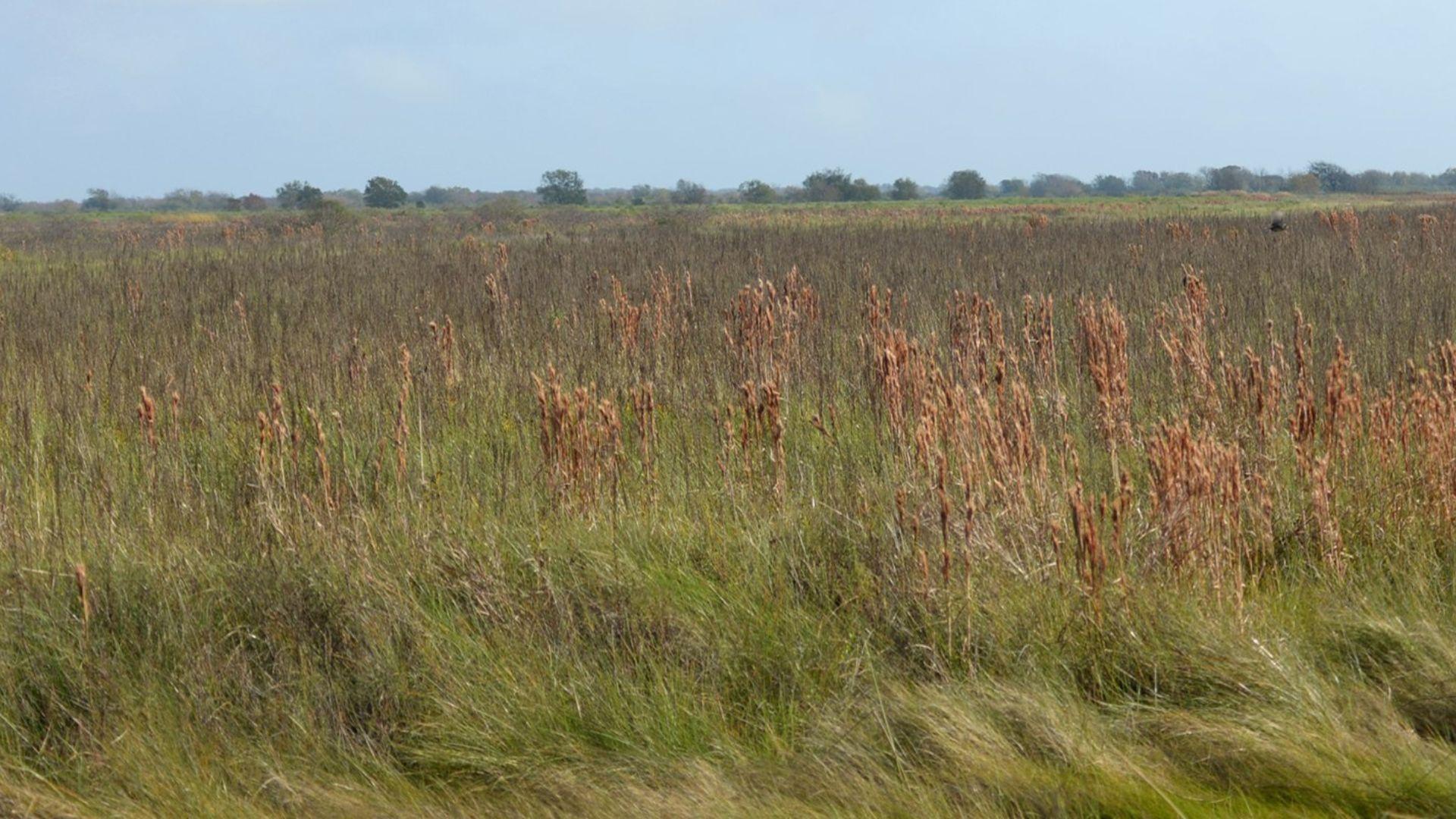
The land wasn't just an unspecified patch of Texas. A resolution in Port Freeport's January 25, 2024 meeting packet identified approximately 538 acres purchased by Kandurt LLC off County Road 2. It described wooded, low-lying land containing or bordering tributaries of the San Bernard River. Those details help explain why residents' questions included drainage and the surrounding environment, alongside the proposed animals.
What Charles River does
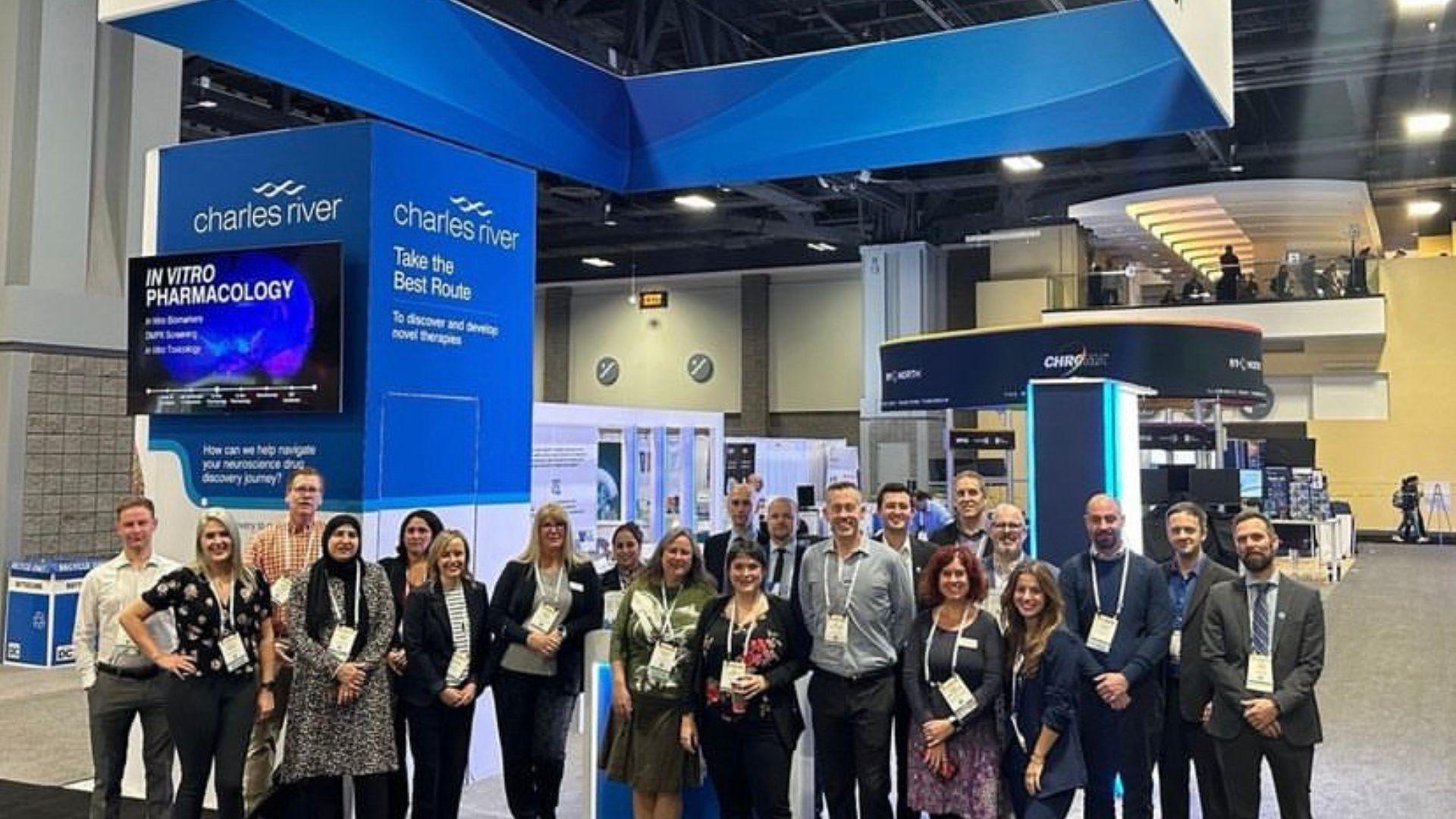
Charles River supplies services and research models to pharmaceutical and biotechnology companies. Its work sits largely before clinical testing in people. In its March 2025 primate report, the company defended the role of animal research while describing efforts to replace, reduce and refine animal use. It also listed alternatives, including a liver-on-chip model and testing that avoids sentinel animals. Those were company-wide activities, not proof that the Brazoria proposal had received approval.
Disease concerns need more than a head count
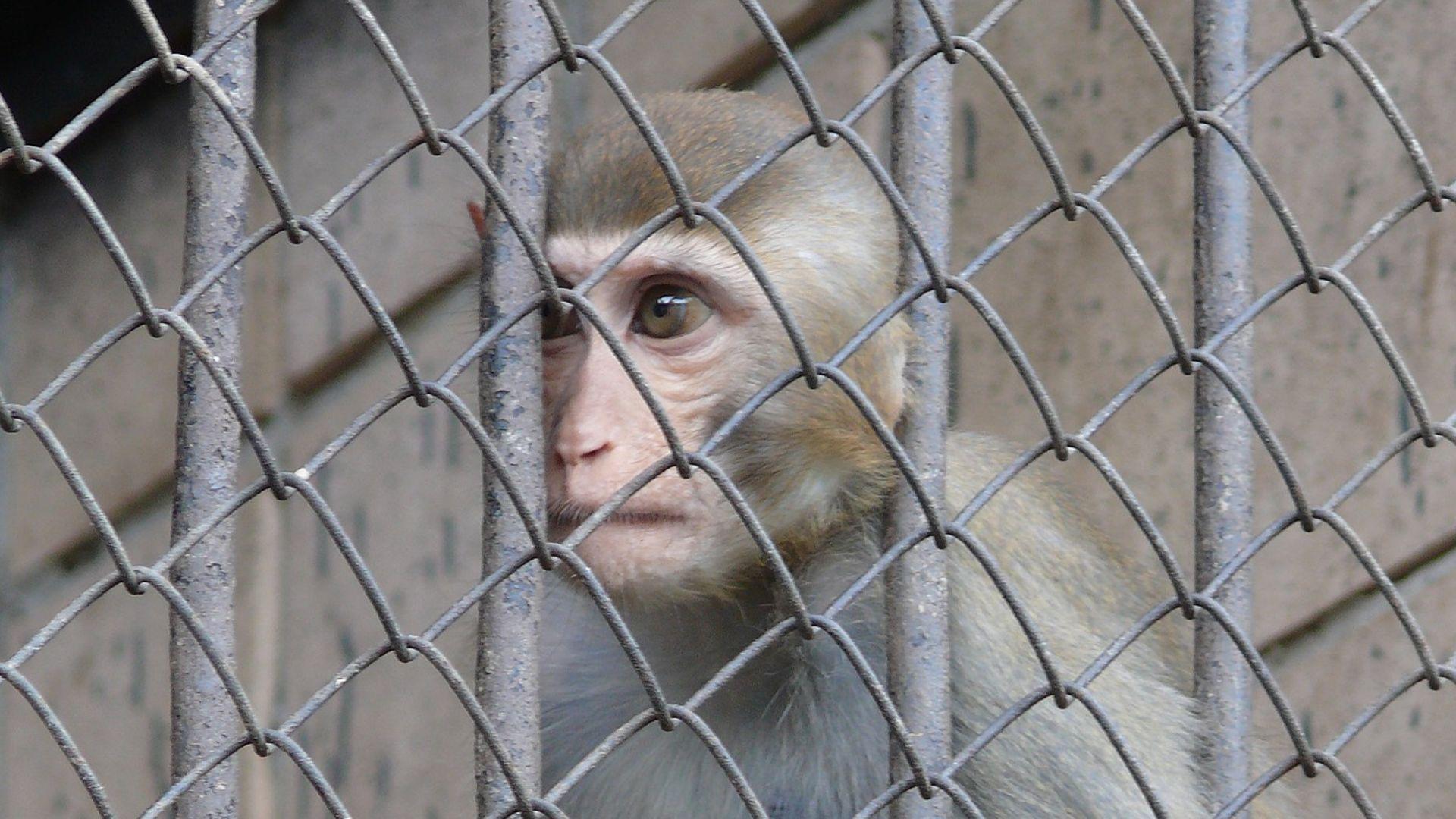
Neighbors raised concerns about infections, including the possibility of transmission involving mosquitoes or ticks, Subbaraman reported. A concern about a possible route of exposure isn't evidence that transmission occurred. The CDC does recognize that nonhuman primates can carry serious infections, including tuberculosis, herpes B and gastrointestinal illnesses. Its guidance identifies people who handle, transport or care for the animals as especially exposed to infection risks.
What quarantine is supposed to do
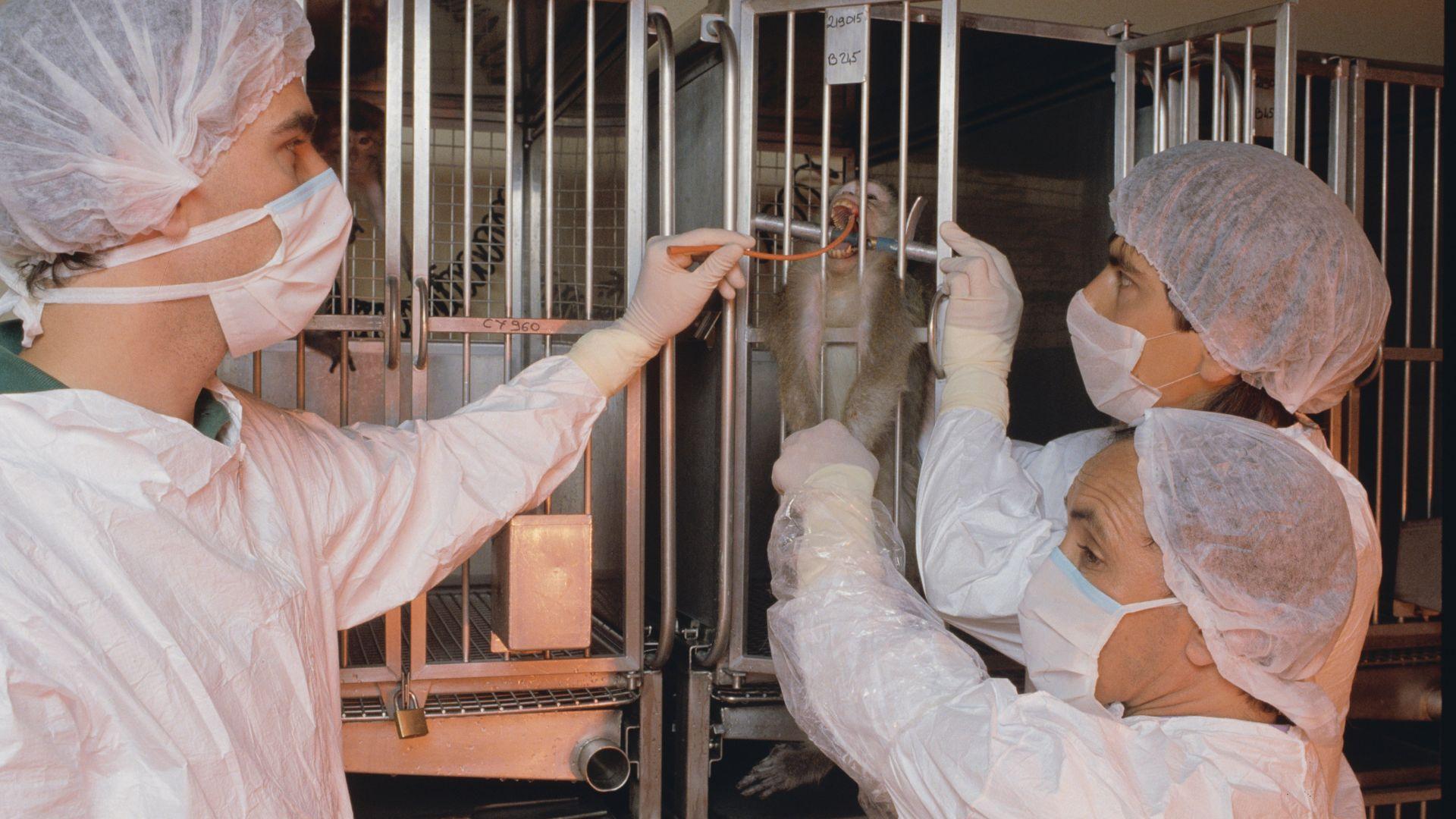
Under the CDC's import rules, primates entering the United States must spend at least 31 days in an approved quarantine facility. They must be tested for tuberculosis and monitored for illnesses that could spread to people. Importers must register with the agency and make facilities and records available for inspection. These requirements are part of disease prevention; they don't establish that any particular proposed site has met them.
People wanted answers close to home
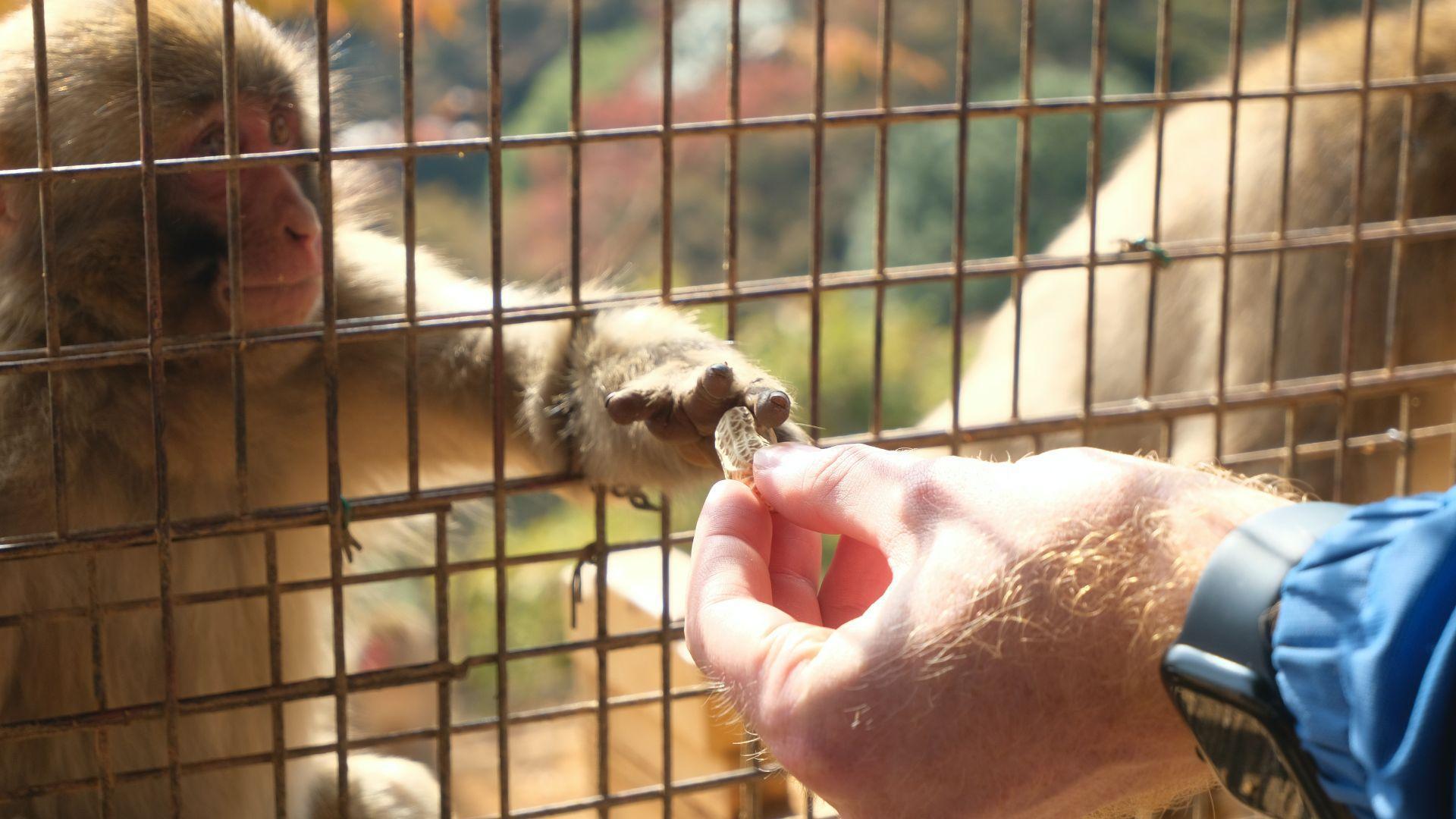
Nearby landowners were worried about property values as well as disease, Subbaraman reported. Charles River acknowledged it should have explained its plans earlier. The interview shows how a development discussed with officials can still leave its potential neighbors searching for basic information.
Local opposition entered the public record
Port Freeport's January 2024 resolution text recognized county concerns about public health, animal welfare and ecological effects, and asked federal and state authorities not to issue permits. That was opposition to a proposed development, not a finding that a disease outbreak had happened. Animal-rights campaigners also opposed the project, bringing a broader objection to using primates in experiments into the local planning debate.
Flooding was a separate question
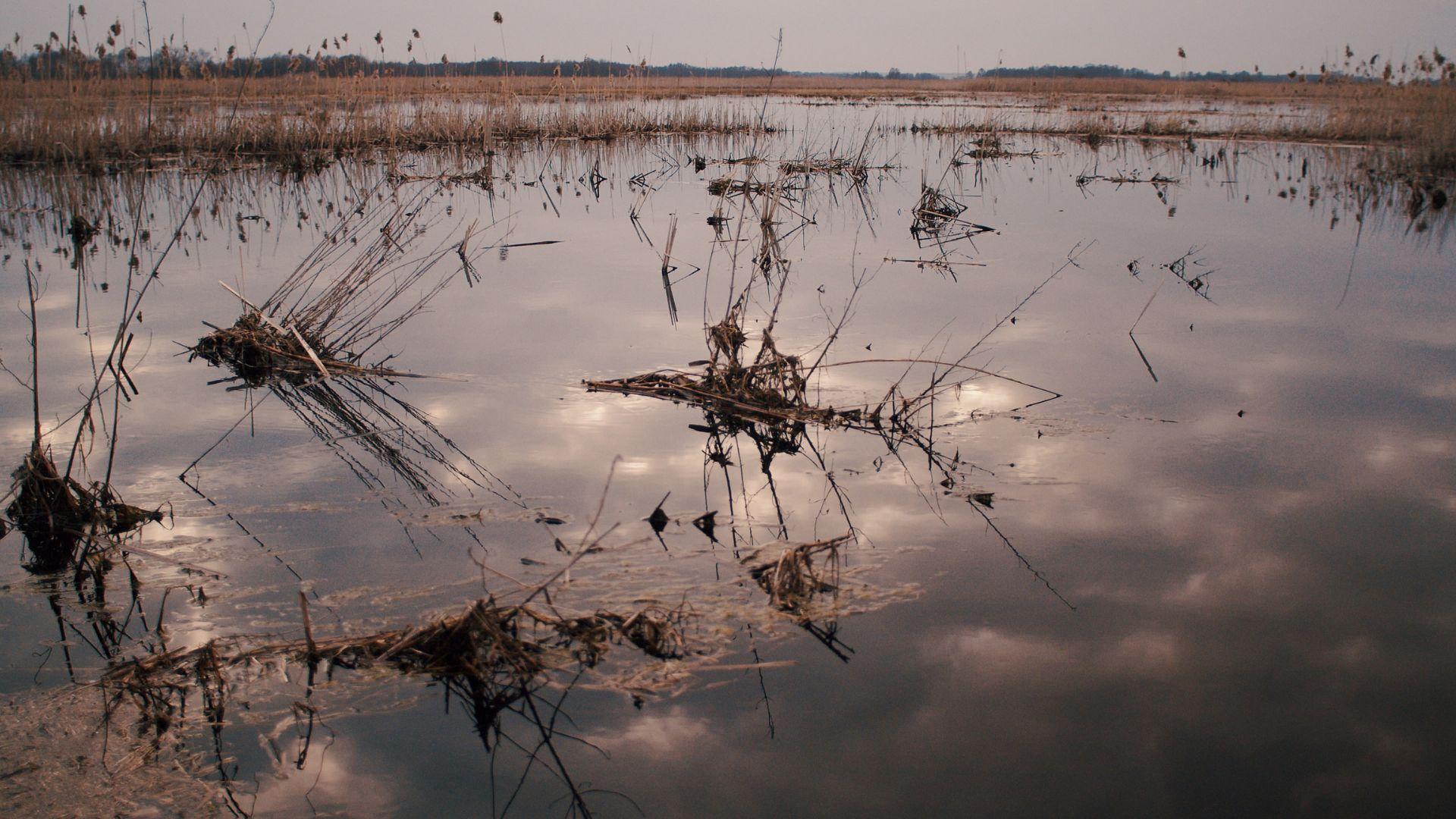
The Port Freeport document specifically described tributaries subject to flooding near or within the property. Subbaraman reported in January 2024 that Charles River planned to evaluate flood risks. The company's statement reported by the Houston Chronicle that month said permitting requests and other site actions were on hold while design and engineering firms reconsidered suitability. That dated pause shouldn't be read as a verified account of the property's status today.
Why researchers were looking for more primates
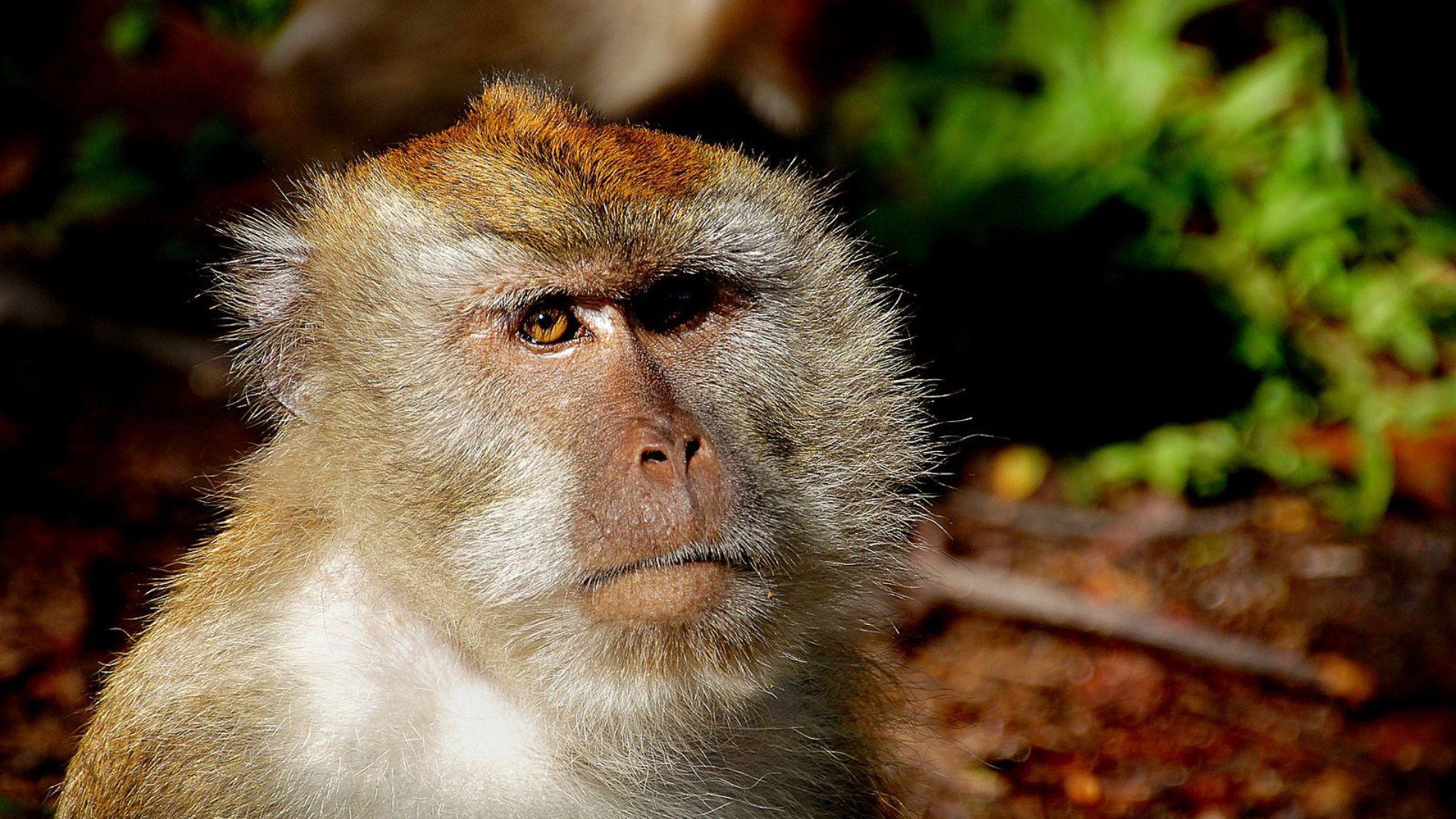
The shortage behind the proposal was real, but one statistic in the original account was too broad. A 2023 National Academies report found that about 64% of 273 surveyed NIH-supported primate investigators reported difficulty obtaining animals for their awards. Separately, two-thirds of requests for research-naïve macaques at national primate research centers couldn't be met in 2021. These findings describe particular research populations and periods, not all American scientists.
Research demand also raises welfare questions
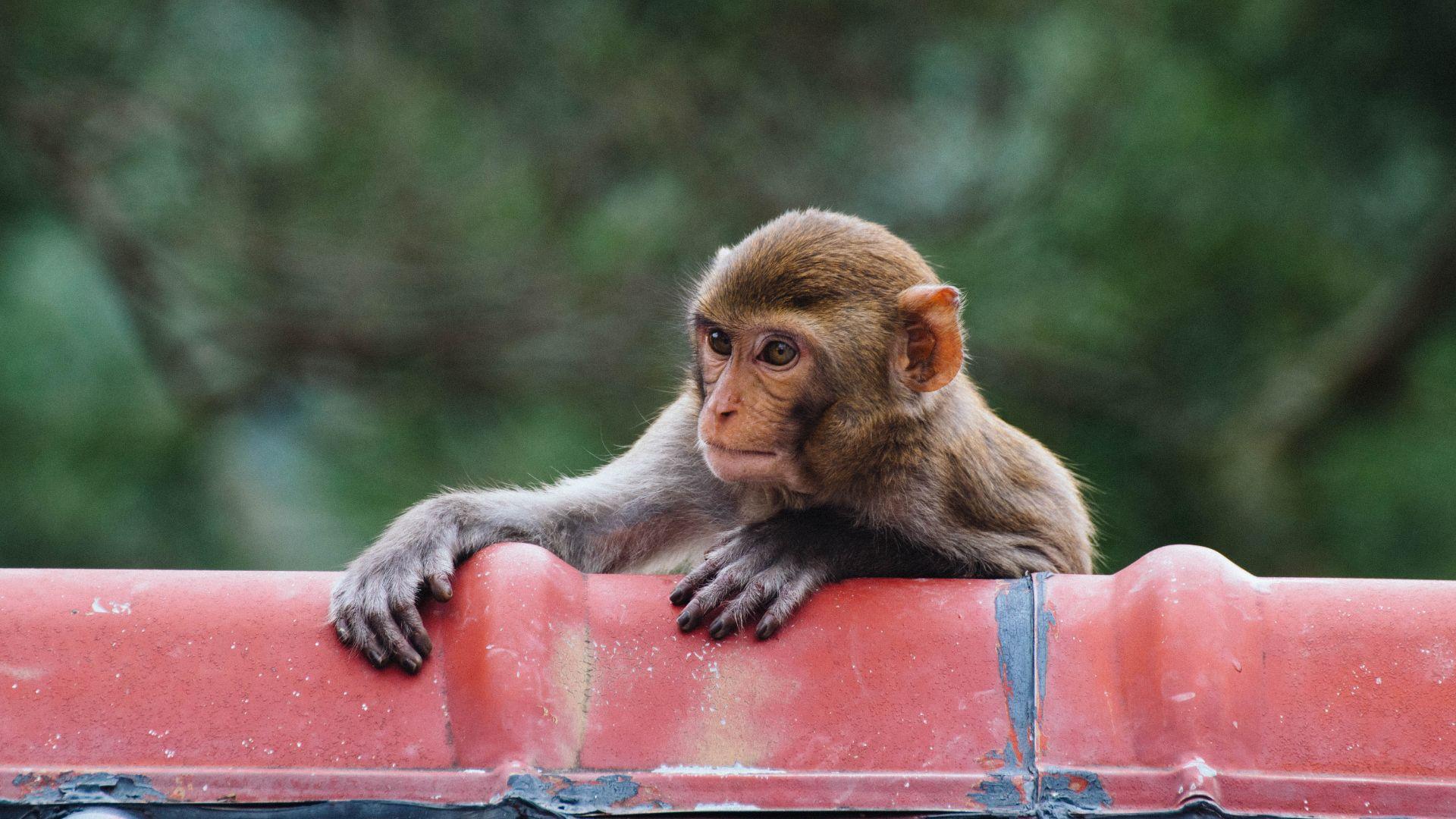
The same National Academies report described delayed studies and changes to research plans when suitable animals were unavailable. That helps explain the pressure to secure supply. It doesn't settle whether a particular facility belongs on a particular property. Charles River's 2025 report described supplier checks, animal-health screening and board oversight of responsible animal use. Those are the company's stated safeguards and governance practices, rather than an independent assessment of the Texas site.
Reading the dispute with its dates intact
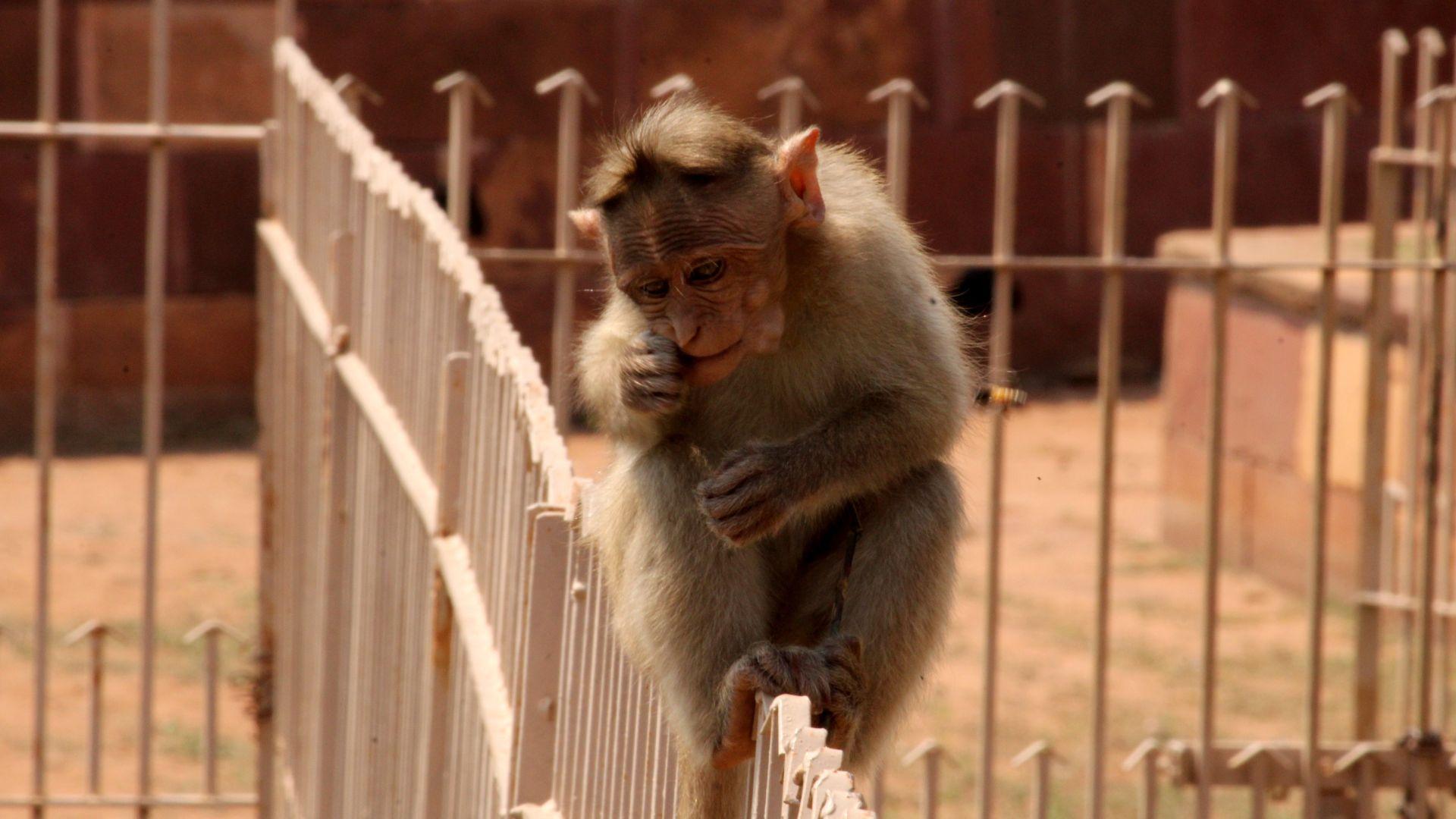
The early Brazoria story combined several questions that need different evidence: how many animals were proposed, how infections would be controlled, whether the land was suitable and whether the research justified using primates. The January 2024 reporting captured a project under reconsideration. Its alarming headline number alone couldn't answer those questions, and it can't tell us how many monkeys, if any, are on that property now.