Care Doctor
What Climate and Health Research Says About Disease Risk
Climate change can affect health through heat, disrupted food and water supplies, and conditions for infectious diseases. Those connections aren't one prediction of an inevitable pandemic.
WHO projections and reviews of past disease events offer different kinds of evidence. Knowing which is being quoted helps explain what a number means.
What WHO's 250,000 Estimate Covered
About 250,000 additional deaths a year was WHO's projection for 2030–2050 in a 2014 assessment. It covered selected effects, not every climate-related health outcome.
The causes included heat exposure in older people, malaria, diarrhoea and childhood undernutrition. Continued economic growth and health progress were assumptions in the model. These were future estimates rather than deaths already counted.
A Projection Isn't a Pandemic Forecast
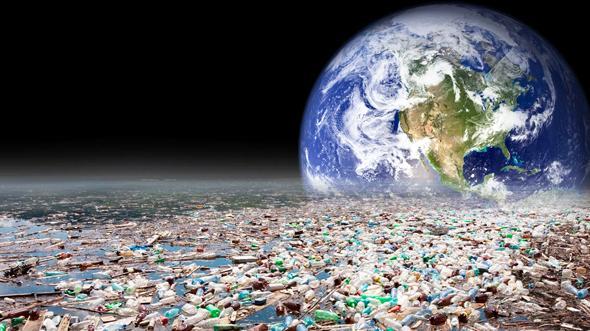
The WHO assessment's total should not be relabeled as future pandemic deaths or a timetable for the next outbreak. It considered selected causes of death.
The model's assumptions and time period belong beside the headline number. They explain what the projection describes and what it leaves outside its scope.
Disease-Carrying Insects Respond to Conditions
WHO links temperature and rainfall changes with vector-borne disease. The vector is the organism carrying an infection between hosts.
That doesn't make warming a benefit to every mosquito or tick in every place. The disease, local conditions, human exposure and preventive measures matter, along with the health system's response.
Food and Water Are Part of the Picture
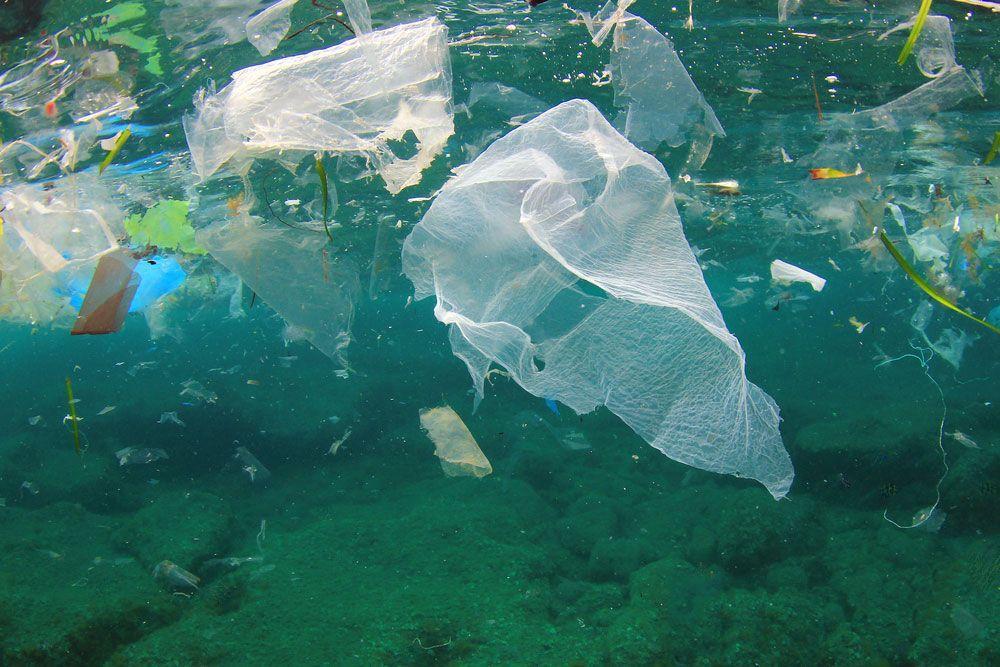
Changing weather, droughts and floods can put pressure on food and water. WHO includes undernutrition and food- and water-borne disease among the related health pathways.
The result also depends on local services and resources: food access, water treatment and care. The hazard alone doesn't explain a community's entire risk.
Biodiversity Supports Everyday Health
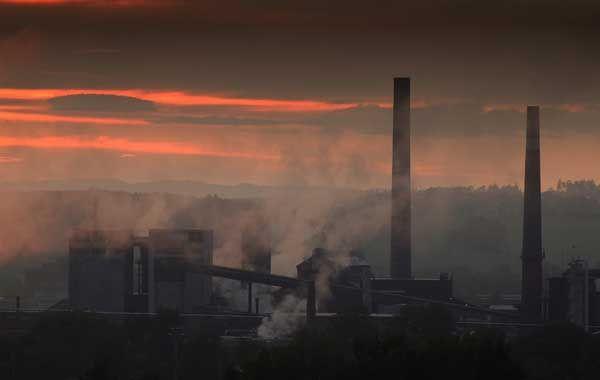
People rely on functioning ecosystems for resources including food and fresh water. WHO's biodiversity guidance also describes their role in regulating disease.
Damage can affect livelihoods and exposure to hazards. It doesn't support a fixed infection multiplier for every species lost. The particular ecosystem and disease pathway need to be identified.
Communities Aren't Affected Equally
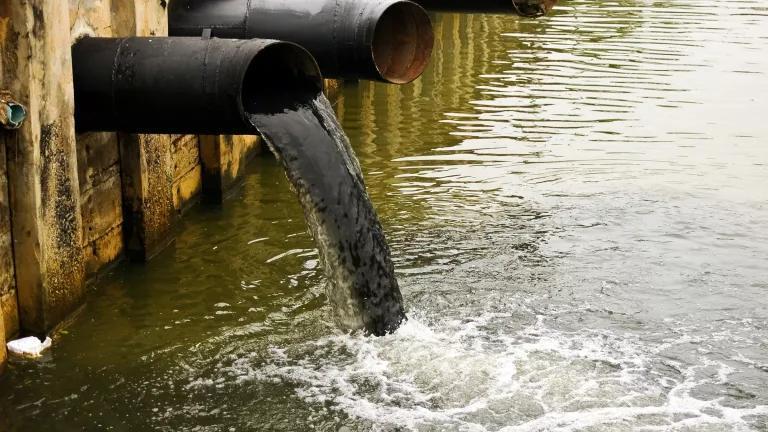
Food security, safe water and access to care help determine how environmental damage affects a community. Limited resources can reduce its ability to prepare and recover.
WHO recognizes Indigenous Peoples' rights and role in biodiversity management. That shouldn't be reduced to a claim that identity alone determines biological susceptibility to disease.
The 2022 Review Looked at Recorded Examples
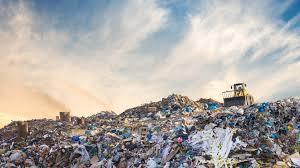
A Nature Climate Change analysis found examples of climatic hazards aggravating 218 of 375 human infectious diseases examined, or 58%. Some diseases had also been diminished under certain hazards.
The review concerned documented examples and pathways. It did not predict that 58% of pathogens would cause future pandemics, or that every disease worsens in every setting.
Preparedness Includes Working Health Systems

WHO identifies weak health infrastructure as a barrier to coping with climate pressures. Access to care belongs alongside measures addressing exposure.
Ask what hazards are changing, who is exposed and which services could fail. Local answers help planning more than assuming every place faces the same threat.
Reducing Emissions Also Has Health Implications
WHO links emissions reductions with potential health gains, including less air pollution. That is part of the health case for mitigation.
Adaptation responds to risks already present. Planning for either approach doesn't require an exact forecast of every future outbreak's place and date.