Care Doctor
How Las Vegas Reuses Indoor Water—and Why Outdoor Conservation Still Matters
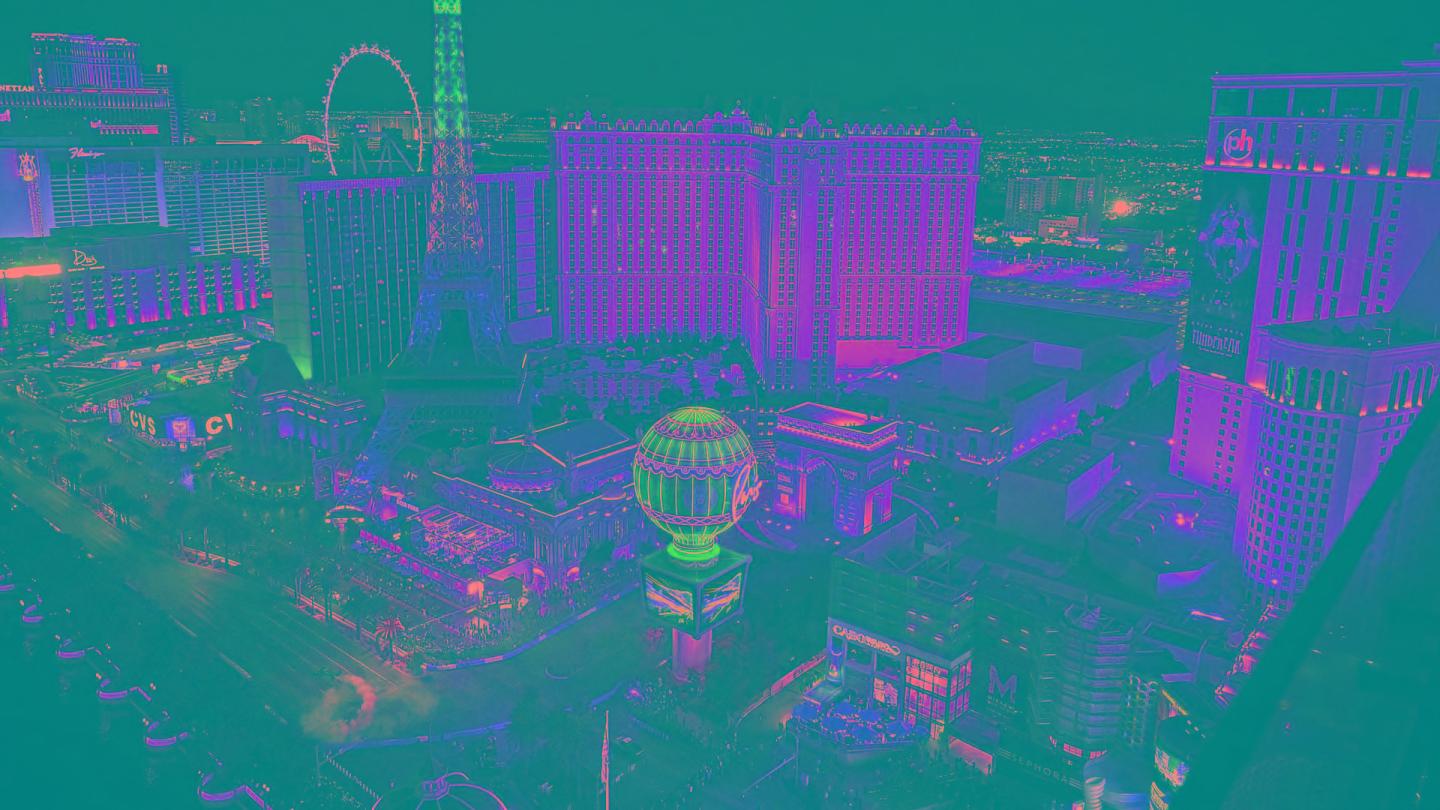
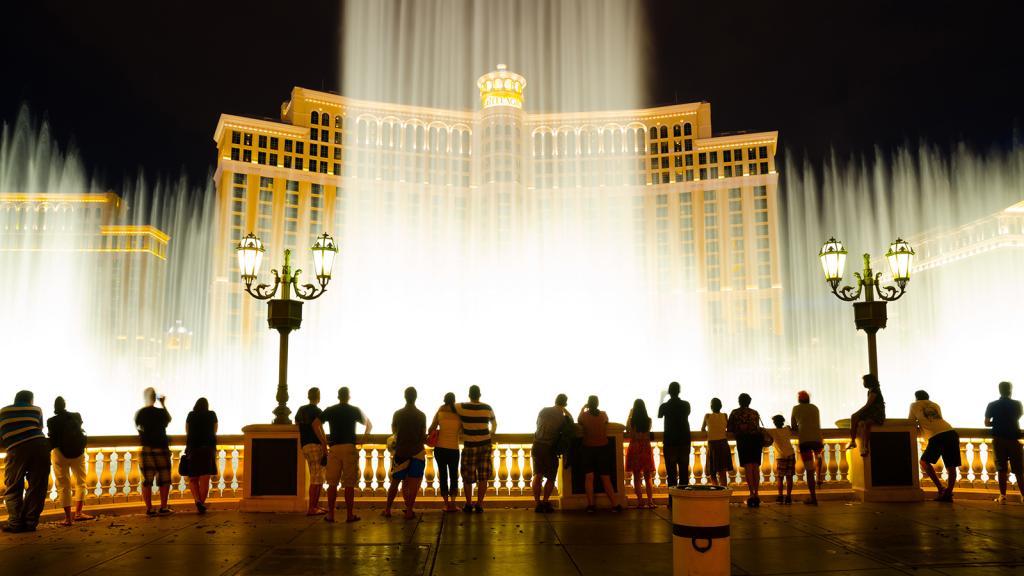
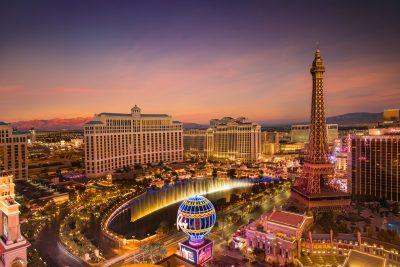
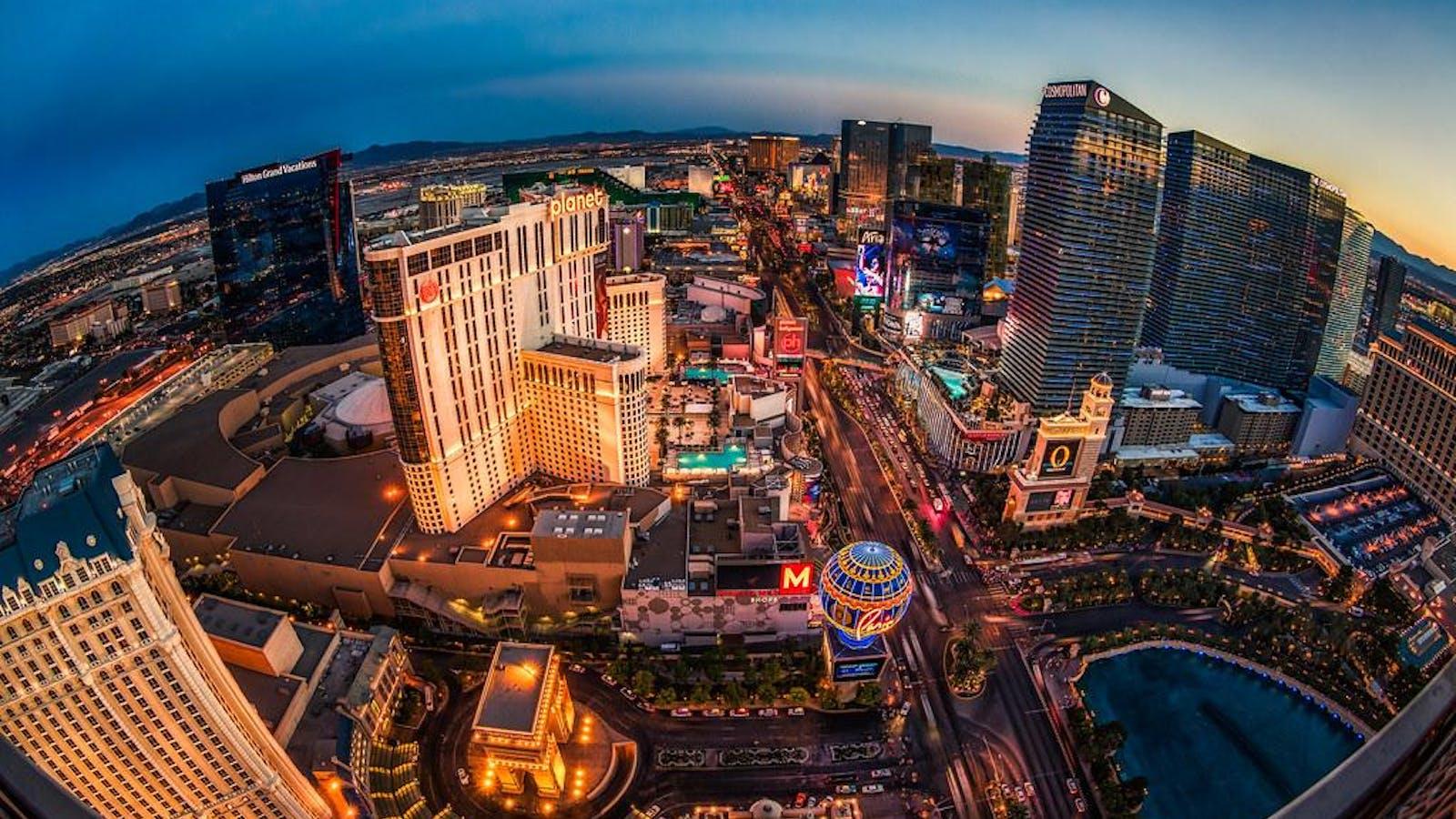
Las Vegas's fountains are easy to photograph. Its wastewater system is less visible, but central to understanding how the region stretches a limited supply.
Southern Nevada recycles nearly all its indoor water. That success depends on collection and treatment, while water used outdoors presents a different conservation problem.
Where the Supply Begins
SNWA's water-supply explanation says about 90% comes from the Colorado River, primarily through Lake Mead. Local groundwater provides the other main source.
The region is part of a shared river system. Recycling helps use its supply more efficiently; it doesn't create an unlimited new source detached from the river's condition.
Follow the Water After a Shower
Indoor wastewater travels through sewers to treatment facilities. Highly treated water can return through the Las Vegas Wash to Lake Mead, earning return-flow credits.
SNWA explains that returned water allows another withdrawal, stretching the available supply. That describes treatment and accounting, rather than simply pumping untreated sewage back into household taps.
Nearly All Isn't Literally Every Drop
SNWA puts indoor use at approximately 40% of water used in its service area. About 99% of that indoor water is recycled for direct or indirect reuse.
That percentage describes indoor use. Applying it to all regional water would erase the outdoor consumption that conservation programs are trying to reduce.
Why Outdoor Water Gets Attention
Water used for irrigation or evaporative cooling can't be collected and reused in the same way. SNWA therefore focuses strongly on outdoor conservation.
Its conservation programs include replacing grass with water-efficient landscapes and improving business equipment. Indoor leak repairs still have value, including potential savings on a customer's bill; recycling doesn't make waste a useful activity.
The 2027 Grass Rule Has a Scope
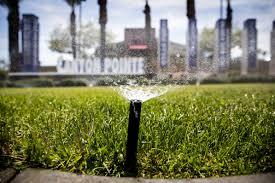
SNWA's legal overview describes a prohibition on using Colorado River water to irrigate nonfunctional turf after January 1, 2027 on properties not zoned exclusively for single-family residences.
Commercial landscapes and some common areas are among the targets. The rule shouldn't be recast as an order to remove every residential lawn or every playing field.
Functional Space and Decoration Differ
SNWA distinguishes nonfunctional landscaping from grass serving recreational purposes. Its conservation explanation identifies certain athletic fields and playgrounds as functional areas subject to specific conditions.
The category matters when interpreting a property rule. A strip beside a road and an actively used recreation area don't automatically receive the same treatment; owners need the applicable requirements for their property.
The Resort Picture Needs Context
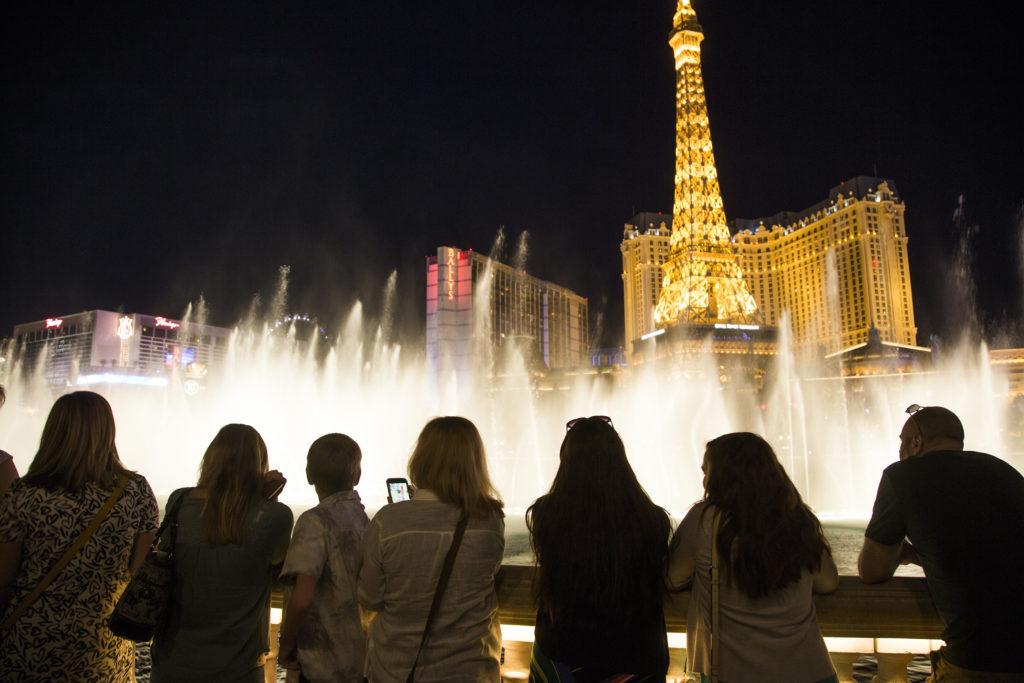
SNWA reports resorts at 7% of the community's consumptive water use: water used once rather than recycled. That measure differs from a count of all water passing through hotel rooms.
New resorts must submit water-efficiency plans. The authority also says businesses generally face water-waste and watering restrictions. A tourism economy doesn't establish a general exemption from conservation.