Care Doctor
PFAS Can Cross a Skin Model. What Did the 2024 Study Actually Show?
Skin contact belongs in research on PFAS exposure. A 2024 Birmingham study found that several tested compounds crossed a laboratory-grown skin model.
The result adds information about a possible exposure route. It didn't measure blood levels in volunteers or establish that a particular cosmetic causes illness.
What the Researchers Actually Used
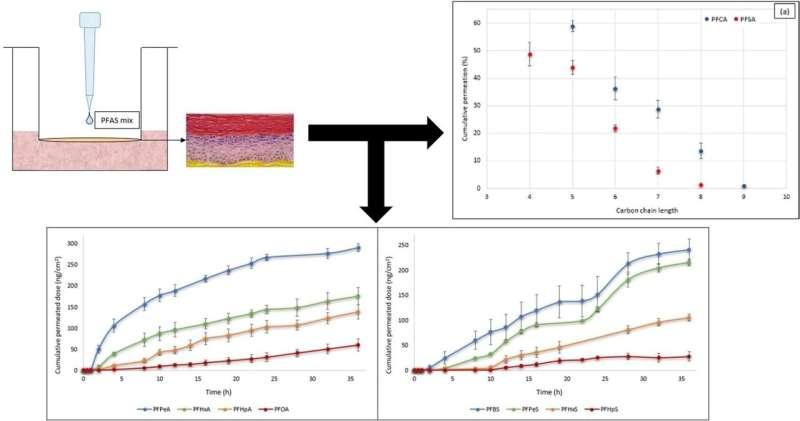
The Environment International paper tested 17 PFAS using three-dimensional human skin equivalents. These were laboratory tissues designed to mimic skin, not people receiving chemicals on their bodies.
The experiment separated chemical uptake from questions about someone's everyday exposure or later health.
Three Places the Chemicals Could End Up

Researchers measured material that crossed the model into receptor fluid, material remaining within the tissue and material left unabsorbed. Those are different results.
Receptor fluid serves a laboratory measurement role. Calling it a participant's bloodstream would turn the experiment into a human study it wasn't.
The Conditions Matter Alongside the Result

The models received PFAS dissolved in methanol at 500 nanograms per square centimeter. Exposure measurements ran over 24–36 hours.
Those specified conditions help other researchers interpret the work. They aren't a measurement of the dose from wearing a particular uniform or applying a particular cream.
What the University Reported
The university's June 2024 account said 15 of the 17 compounds showed substantial dermal absorption, defined there as at least 5% of the applied dose.
That finding concerns the tested substances and conditions. It doesn't assign an absorption percentage to every chemical in the much larger PFAS family.
PFOA Illustrates the Distinction
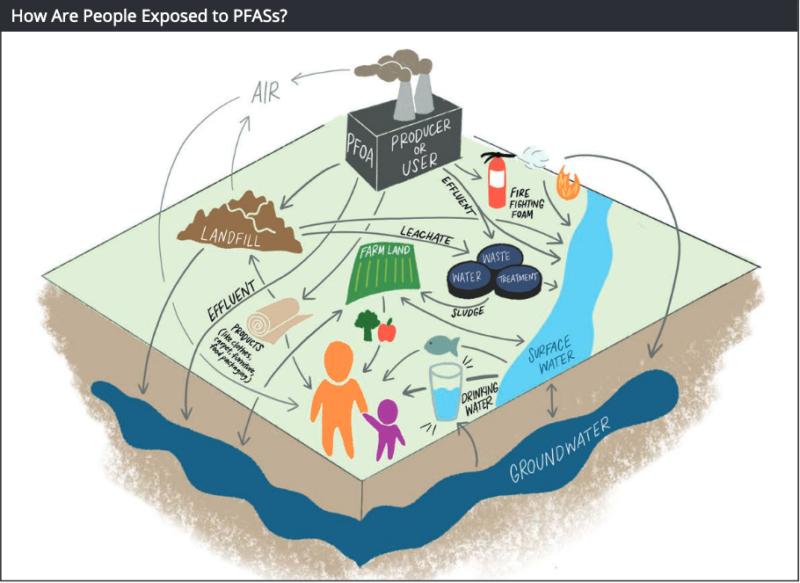
For PFOA, the paper reported about 13.5% in the absorbed fraction and 38.3% retained in the skin model. The retained amount raised questions about possible later uptake.
It wasn't a measured 13.5% rise in a person's blood concentration or proof that all retained material eventually enters circulation.
Chemical Structure Changed the Pattern

Absorption generally decreased with increasing carbon-chain length in the groups studied. Perfluoropentanoic acid had an absorbed fraction near 59% under the experimental conditions.
The authors saw this as a reason to examine replacement chemicals carefully. A different chain length doesn't, by itself, establish a replacement's overall safety.
Health Evidence Comes From Other Research Too
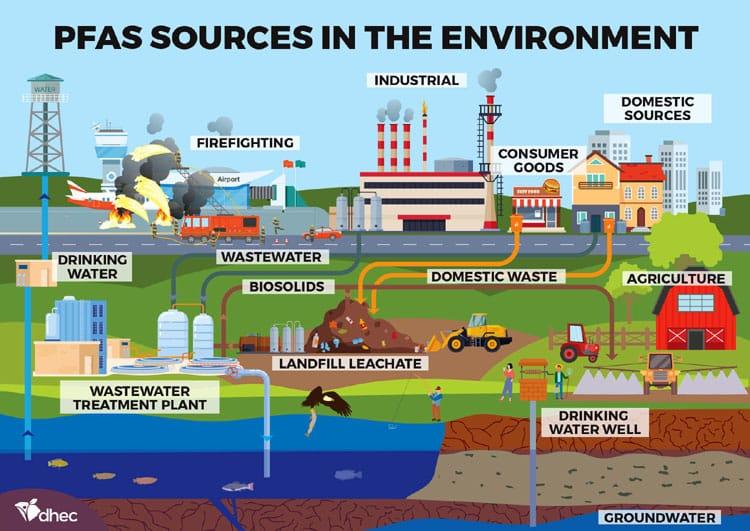
ATSDR's health guidance describes associations between specific PFAS exposures and outcomes including higher cholesterol, altered liver enzymes, lower responses to some vaccines and certain cancers.
The compound and outcome matter. The skin-model study didn't itself diagnose those conditions or show that every PFAS produces identical effects.
Exposure Has Several Parts

How much, how often, by which route and for how long? ATSDR includes each in assessing health risk. Individual sensitivity and existing disease matter too, as do safe water and access to care.
Finding a chemical, measuring skin uptake and establishing a health outcome are different steps.
Read the Image With Its Limits
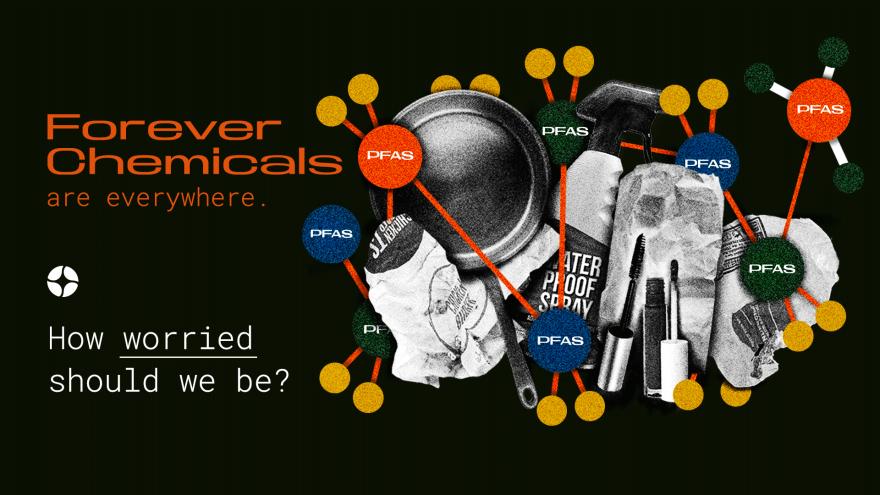
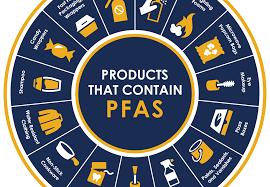
The archive's product graphics and charts illustrate the topic. They aren't new product tests or verified food rankings.
The laboratory findings add evidence for skin uptake. Real-world exposure and health outcomes require separate evidence.