Care Doctor
A Genetic Clue to How Humans and Other Apes Lost Their Tails
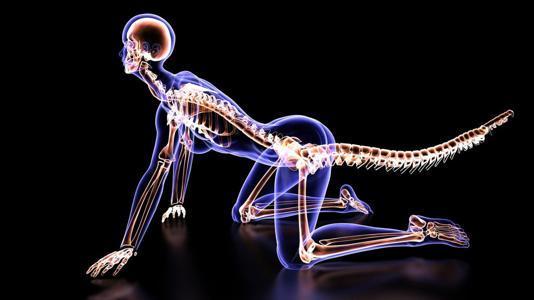
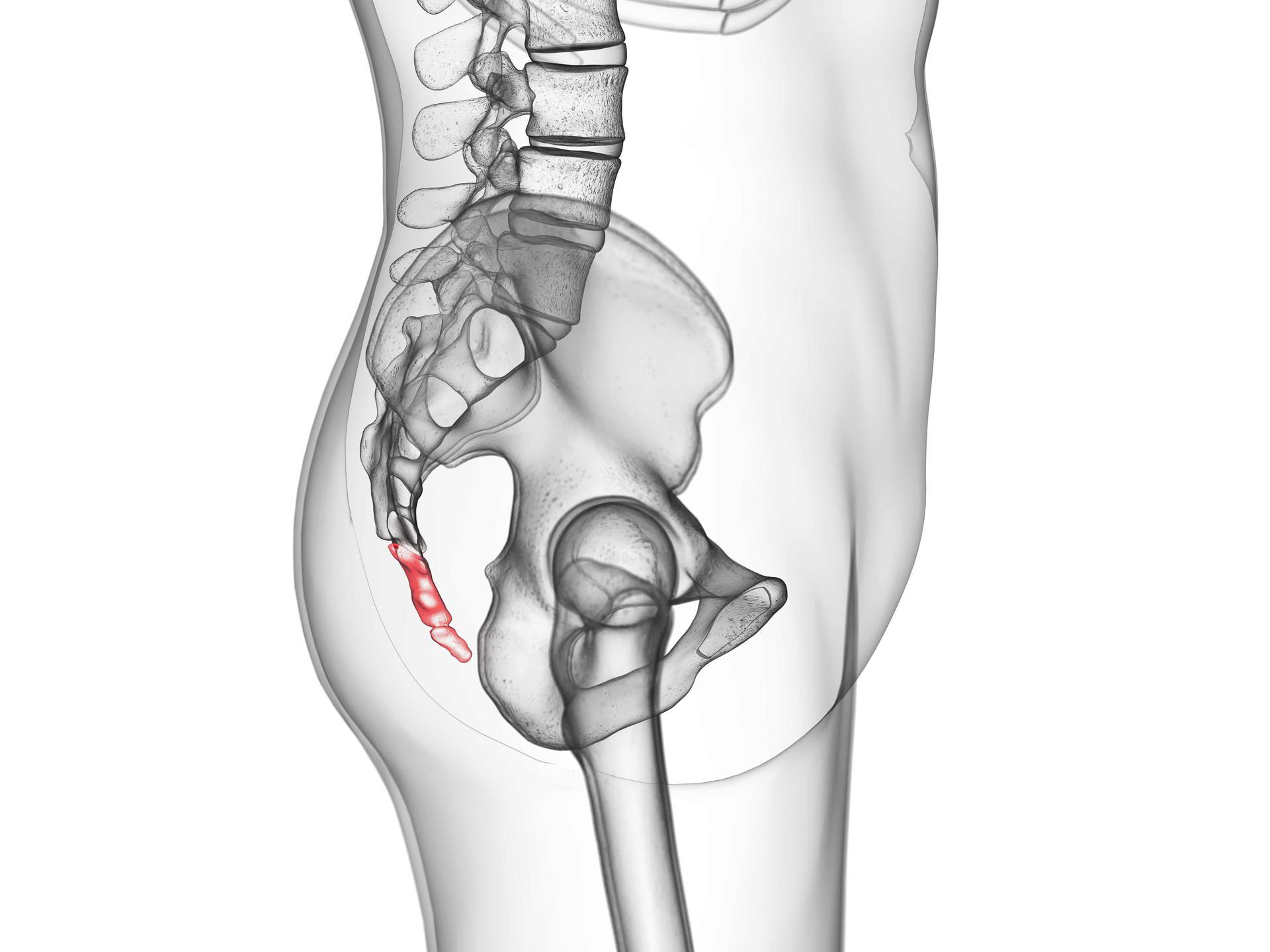
A 2024 Nature study linked a DNA insertion to altered processing of TBXT, offering a clue to external tail loss in humans and other apes.
It investigates a possible mechanism, not an explanation for every human trait.
The Change Predates Modern Humans

NYU's account places tail loss around 25 million years ago in ancestors of humans and other apes.
That lineage-level inference doesn't mean the change affected only modern humans or that people descended from today's monkeys.
A Small DNA Insertion Was the Clue
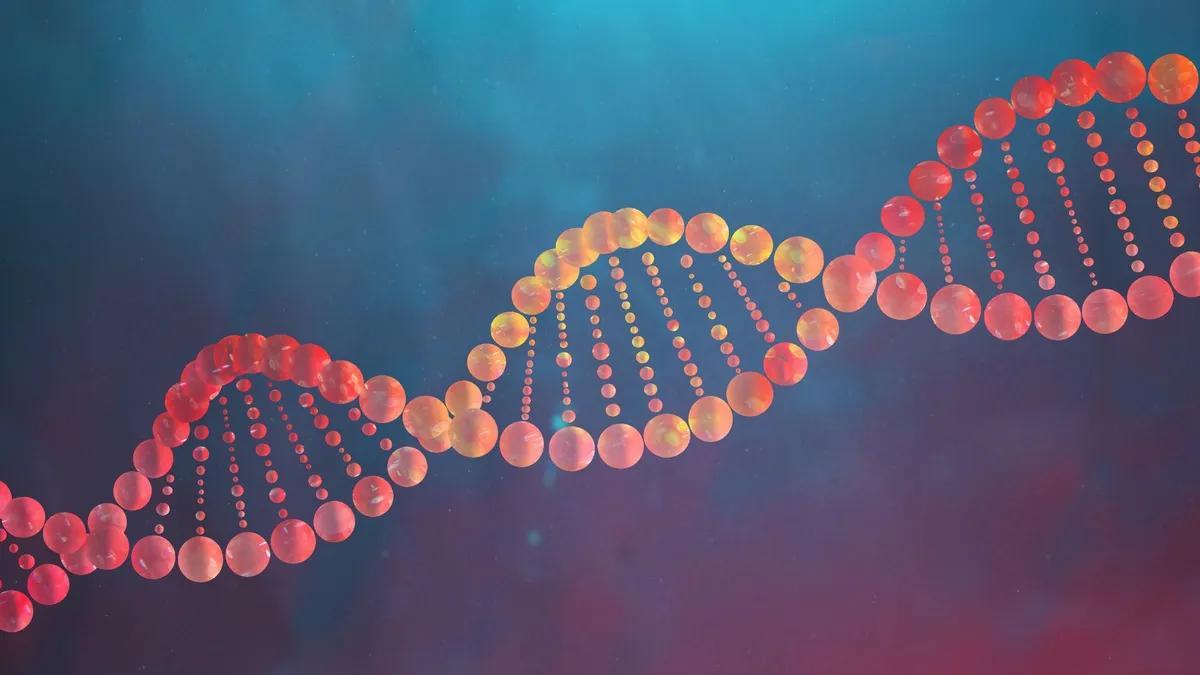
The researchers identified an AluY insertion within TBXT, shared by humans and apes but absent from the tailed monkeys compared.
It interacts with a neighboring, older Alu sequence in reverse orientation. Their arrangement affects RNA processing rather than simply changing a protein-coding letter.
The Location Matters
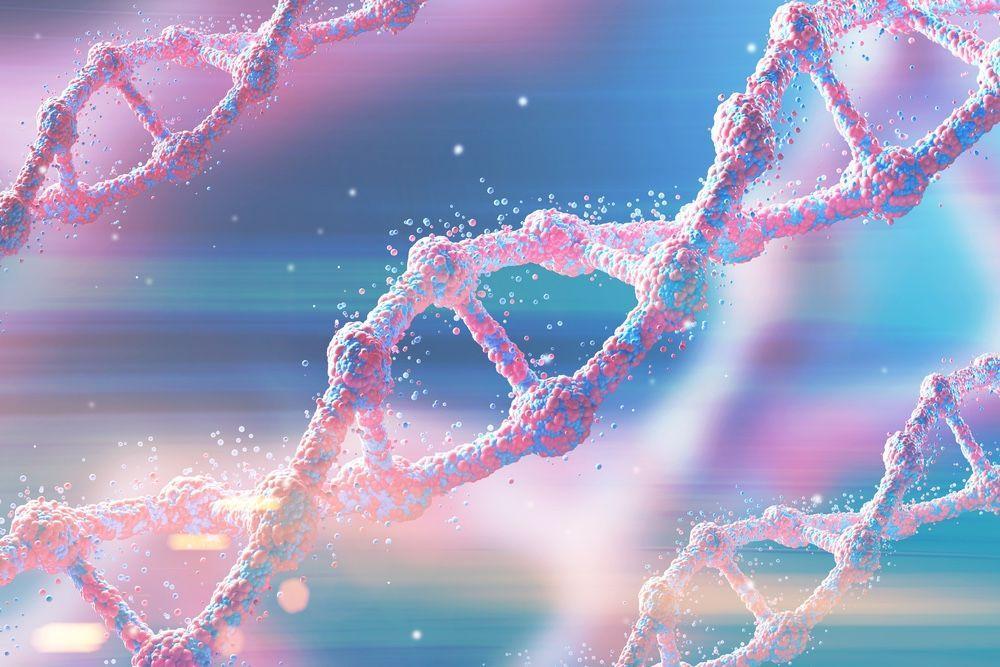
The insertion lies in an intron. Introns are removed during RNA processing; exons contribute to the resulting message.
Such regions can influence splicing, NYU explains. Calling them useless junk would miss the regulatory effect being examined.
One Gene Can Produce Different Messages
The work connected the paired sequences with a TBXT RNA version that skips an exon. A full-length version can also be produced.
This is alternative splicing: different messages from the same gene. It provides a more precise mechanism than saying a mutation simply switched the gene off.
The Mouse Experiments Tested the Mechanism

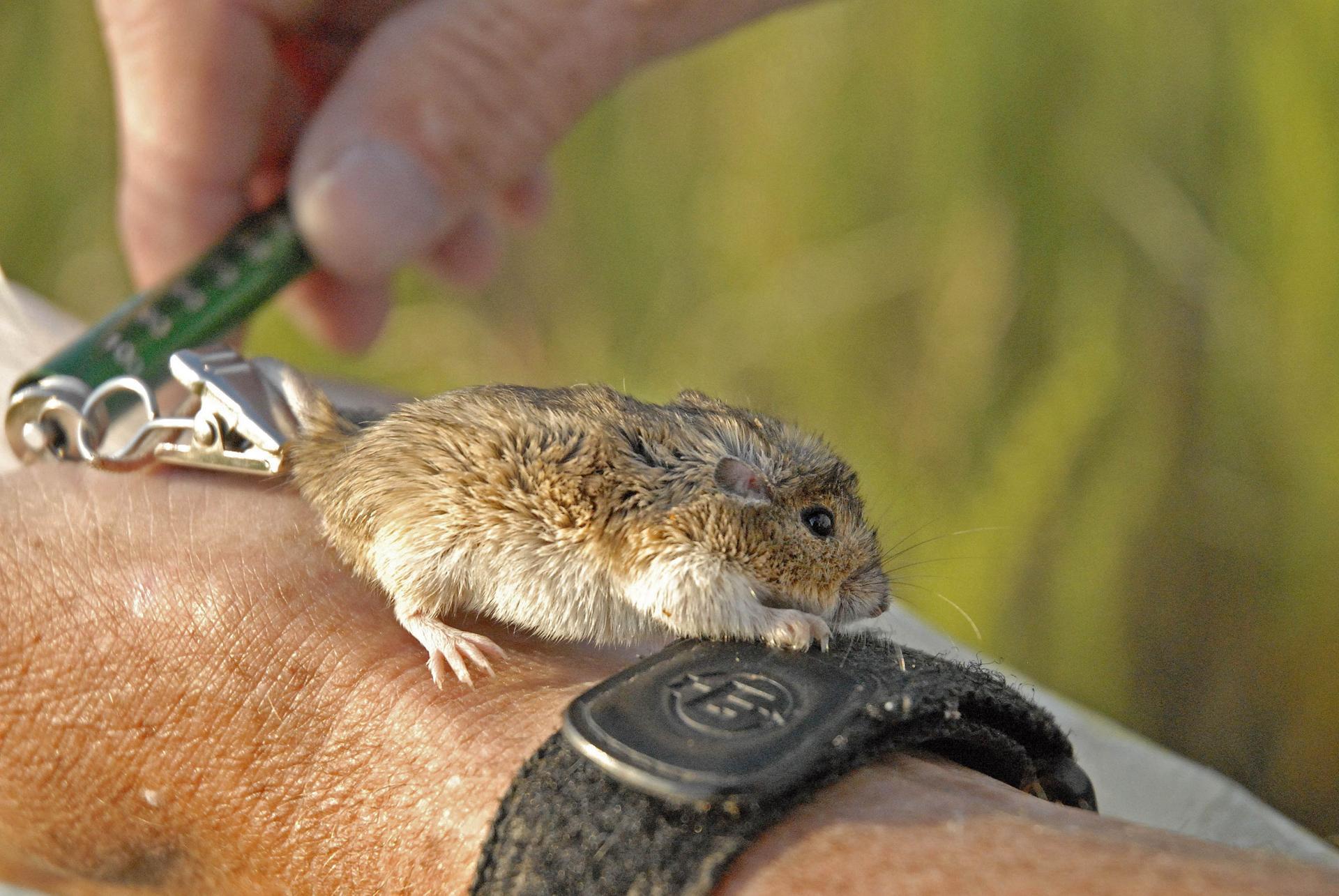
Engineered mice expressing full-length and exon-skipped Tbxt versions developed shortened or absent tails, depending on their relative expression.
The paper's experiments support a role for the skipped version in tail development. They model a mechanism; they don't replay the full evolutionary history of an ape population.
Not Every Mouse Model Had the Same Result

The paper also describes an Alu-pair insertion model without an obvious adult tail change. The authors called that model inconclusive because it produced little of the skipped transcript in the embryonic tailbud.
Those limits belong beside the successful experiments.
Walking Upright Is a Separate Question

The researchers' project summary says the evolutionary advantage favoring tail loss remains unclear. Proposed links with upright movement are questions about selection and function.
Identifying a genetic mechanism doesn't demonstrate that it directly caused bipedalism, large brains or human technology.
The Health Connection Needs Care

Some engineered mice developed neural tube defects. The authors proposed a possible evolutionary trade-off worth investigating.
That observation doesn't diagnose a human birth defect or establish this mechanism as its sole cause. A mouse result and an individual person's medical history require different kinds of evidence.