Care Doctor
What Neuralink's Early Human Trial Was Actually Testing
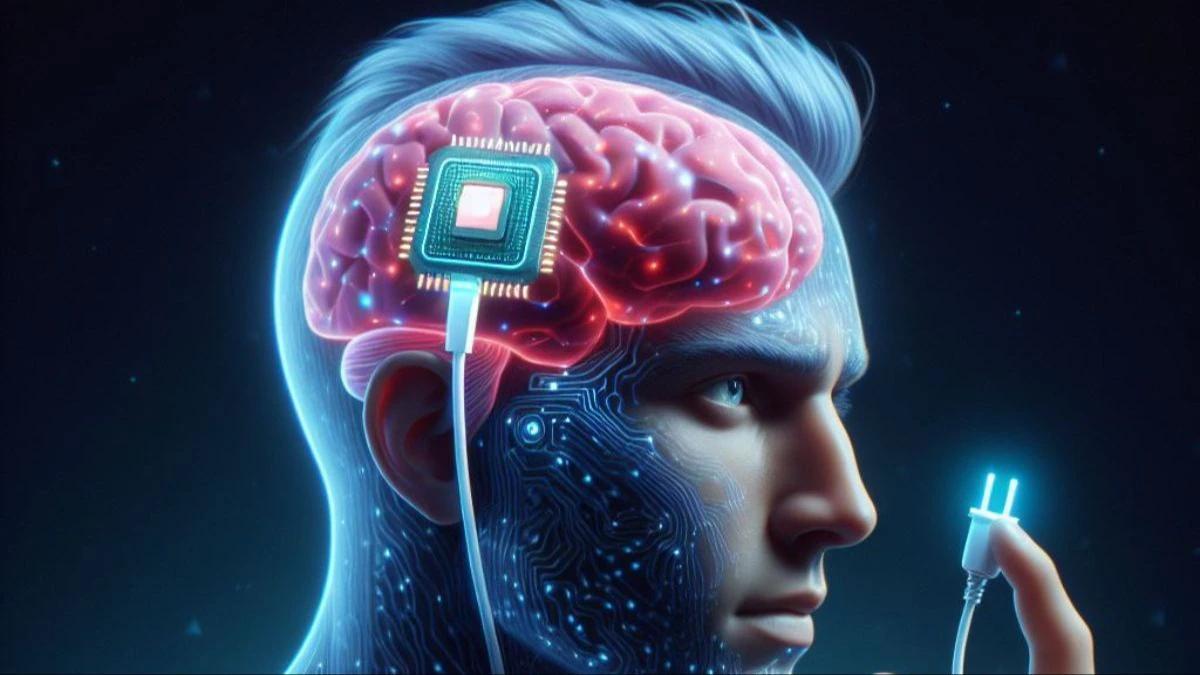
Neuralink's 2024 human reports described people with paralysis using a brain-computer interface for computer control. They weren't reports of conversations passing directly between brains.
Understanding the trial means separating its hardware, the sponsor's accounts of individual participants and permission to conduct research.
A Trial Is Different From a Market Approval
FDA explains that an investigational device exemption permits safety and effectiveness research. It is different from clearance for ordinary commercial distribution.
Neuralink's PRIME brochure described the study devices as investigational and not for sale.
The Electrode Count Covers All the Threads
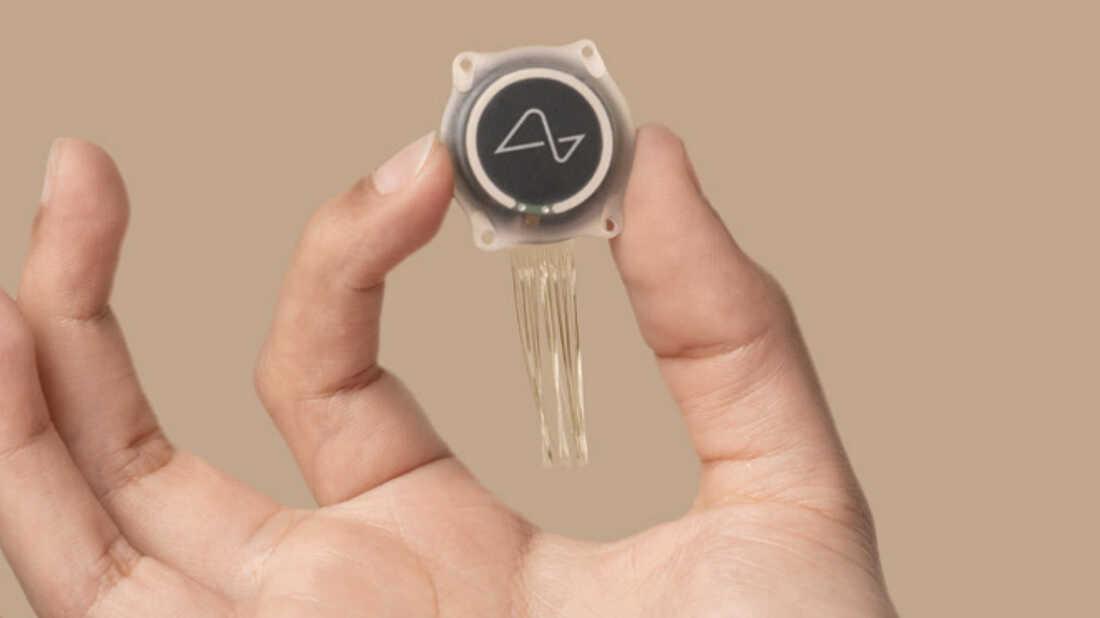
The PRIME brochure specifies 1,024 electrodes across 64 threads, each thinner than a human hair. That's the total, not over a thousand per thread.
They record neural activity that the system processes for computer control.
The Robot Places Fine Threads

The study brochure describes the R1 robot placing threads in a brain region involved in movement intention. The research evaluates that surgical system too.
Robot-assisted placement doesn't mean human clinicians are absent from the procedure or care.
Computer Control Begins With Decoding

The N1 app is intended to decode movement signals recorded by the implant, for control of an external device such as a computer.
That purpose doesn't establish unrestricted mind reading or brain-to-brain messaging.
What the Second-Participant Report Said

In its August 21, 2024 update, Neuralink said Alex, its second PRIME participant, received an implant the previous month. It reported cursor control, gaming and computer-aided design work.
These were the sponsor's reported experiences, not an independent trial verdict or a guarantee of the same results for everyone.
A Reported Problem Also Belongs in the Story
The company acknowledged thread retraction in its first participant, Noland, which had temporarily reduced performance. It described measures intended to reduce that risk in the second procedure.
A later improvement or an encouraging individual experience doesn't establish that every longer-term safety question has been answered.
The Battery Is Recharged Wirelessly

Neuralink's technology page describes a small battery charged from outside the body with an inductive charger.
That description doesn't establish a fixed battery-life estimate. How long a device operates needs its own evidence.
The Research Questions Remain Clinical

PRIME focuses on safety and initial device function for people with paralysis. Neuralink's 2024 update said participation did not guarantee benefit.
The aims weren't a promise of restored walking, unrestricted mind reading or a consumer enhancement available to everyone.