Care Doctor
Bryan Johnson’s Young-Plasma Experiment Was Never Proof of Reversed Aging

Bryan Johnson's efforts to track and influence his health became a widely discussed story in 2023. The technology entrepreneur was reported to be spending about $2 million a year on an intensive program involving measurements, a controlled routine and medical interventions. One part drew particular attention: a plasma exchange involving his teenage son.
The family connection made the procedure easy to summarize as a blood swap across generations. That description also made it easy to miss the central question. Receiving a younger person's plasma is not, by itself, evidence that someone's aging has been reversed.
The Ages Belonged to the 2023 Story

Johnson was 45 in the original account, his son Talmage was 17 and his father Richard was 70. Those figures describe that episode, rather than their ages whenever a reader encounters it. The distinction matters in a story that continues to circulate long after the original procedure.
Johnson's wider project, Blueprint, involved tracking many aspects of his health. A project name and a large budget describe the effort being made. They do not establish the effectiveness of every intervention within it.
Plasma Is a Component of Blood
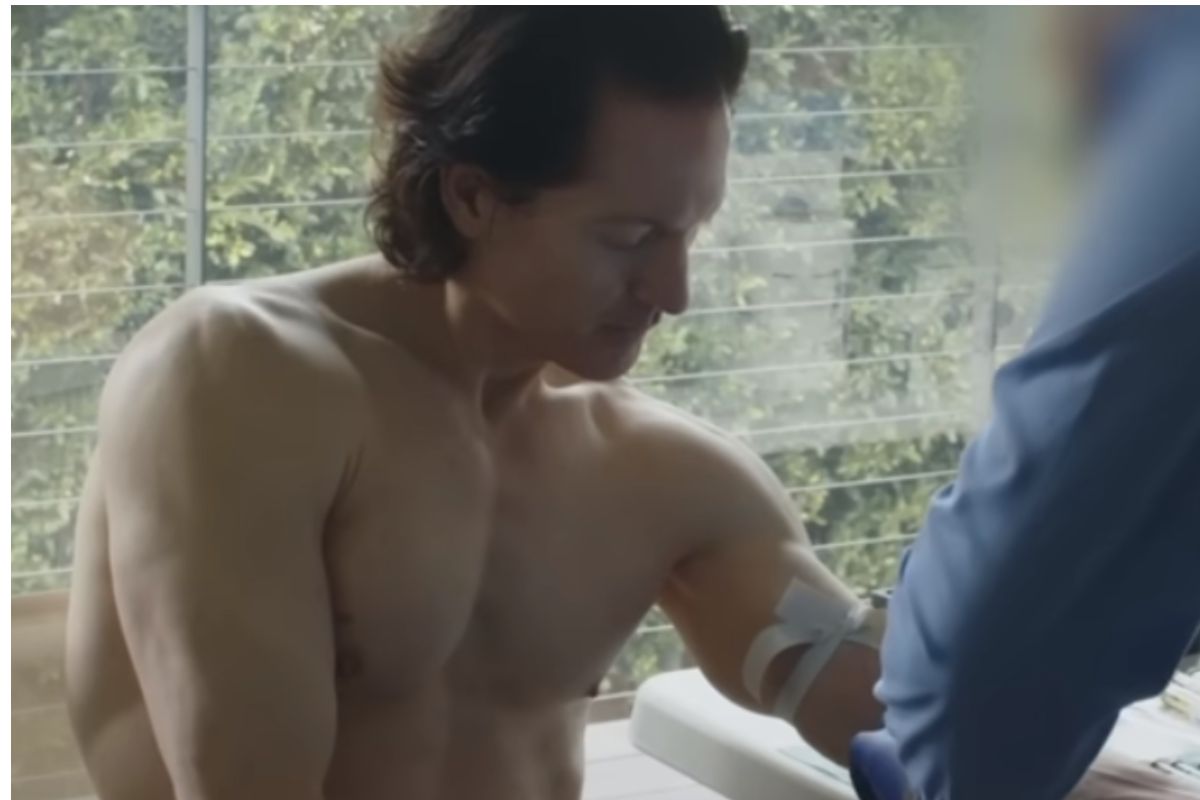
Plasma is the liquid portion of blood. It is different from red blood cells, white blood cells and platelets, even though these components circulate together. Reporting that all the family's collected blood was simply mixed and injected back into Johnson obscures what the account described.
The reported direction of the family exchange was also important: Talmage's plasma went to Bryan, and Bryan's went to Richard. It was not an account of both the teenager and the grandfather supplying plasma to Bryan.
A Procedure Can Be Real Without Its Claimed Benefit Being Proven

Photographs or video can document that people attended a clinic and underwent a procedure. They cannot establish that the procedure made someone biologically younger. That requires an appropriate way to measure benefit and evidence that the intervention caused it.
A person's enthusiasm is not that evidence either. The original story described Johnson's ambitions. It should not have turned those ambitions into a statement that cellular damage had already been healed.
A Later Update Changed the Original Story

In July 2023, Johnson said he had detected no benefit and was discontinuing the young-plasma treatment. That update is significant because the initial account left the results as something he would reveal later. The later statement should not be omitted to preserve the suspense of the first headline.
His self-report still was not a controlled clinical trial. It described his assessment of his own measurements, rather than proving that the procedure would have the same outcome in every person.
The FDA's Warning Was Already Clear

The FDA has warned that young-donor plasma infusions have not demonstrated clinical benefit for preventing aging or memory loss, or treating the other conditions it lists. The agency also warns that these procedures carry risks, including serious allergic reactions and respiratory complications.
That warning is specific to the unsupported uses being promoted. It does not mean plasma has no legitimate role in medicine. Established medical indications for blood components and an anti-aging service offered to a healthy customer are different questions.
Animal Findings Do Not Settle the Human Question
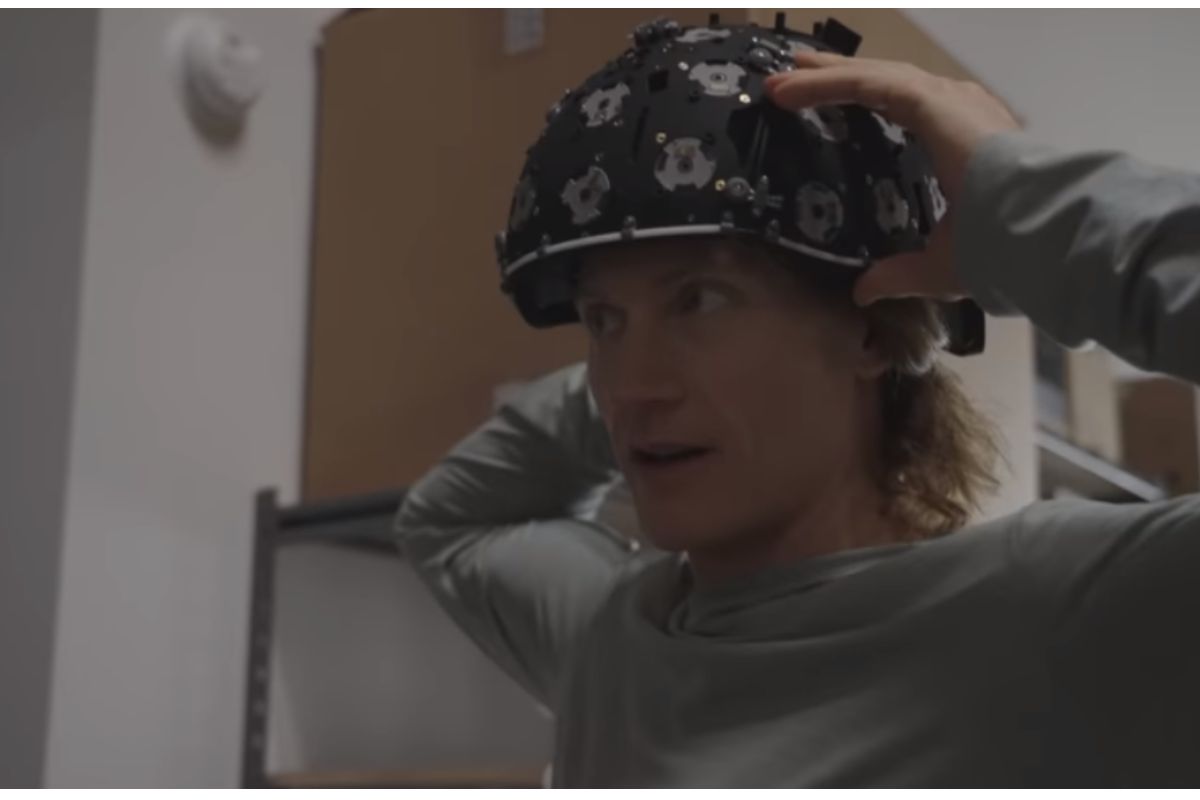
Interest in blood-derived factors has included laboratory and animal research. Such work can suggest mechanisms worth investigating. It does not establish that a commercial infusion will lengthen a human life or reproduce a particular result from an animal experiment.
Moving from a hypothesis to a treatment requires attention to safety, the people studied and the outcomes measured. A familiar scientific idea does not make those steps optional because a celebrity is willing to try it.
A Large Set of Measurements Has Limits

Johnson's program involved diet, exercise, sleep and numerous tests alongside interventions. When many things change at once, an improvement in one measurement cannot automatically be assigned to one procedure. Ordinary variation and the choice of what to report matter too.
The same caution applies to a claim about biological age. Different measurements describe different features of health. A favorable number is not interchangeable with becoming a teenager again or demonstrating a longer lifespan.
Curiosity Does Not Require Copying the Experiment
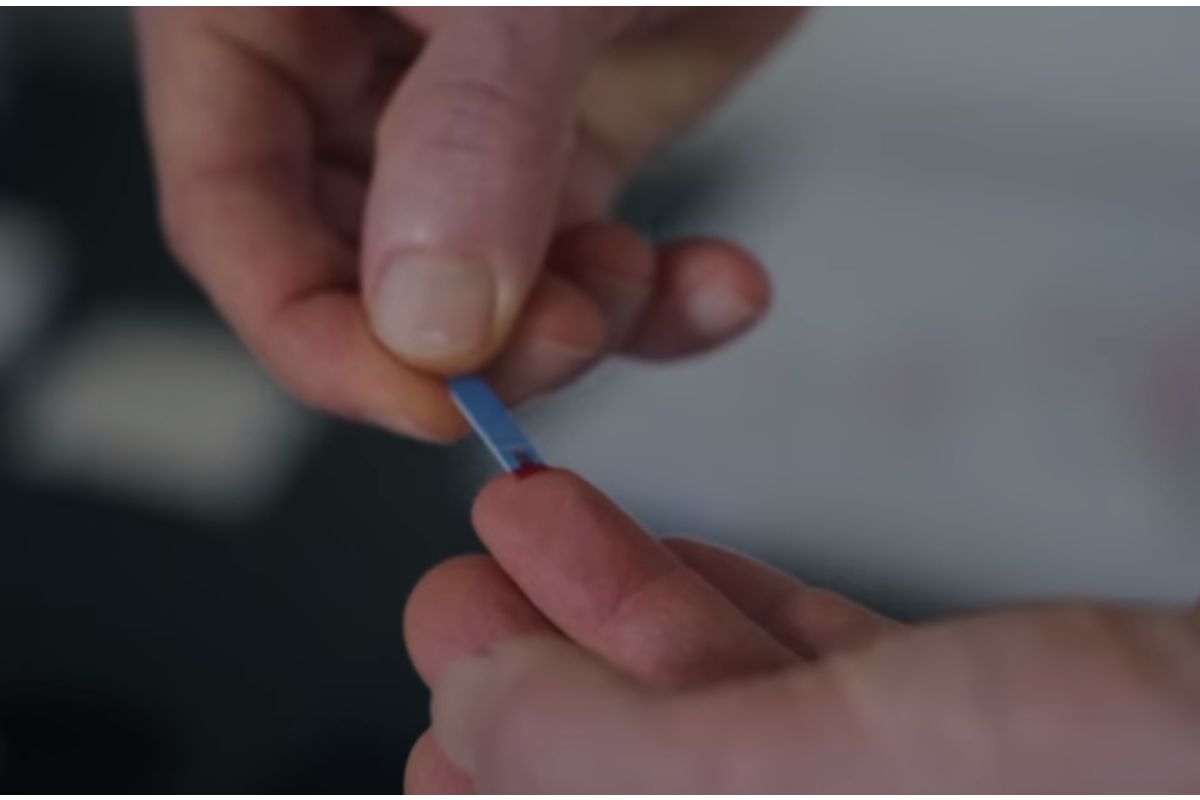
The story can be discussed without diagnosing Johnson's motives or presenting critics and supporters as rival teams awaiting a winner. The useful distinction is between a documented personal experiment and a medical benefit supported by evidence.
Readers do not need to adopt a celebrity's calorie target, testing schedule or procedure to take their health seriously. Questions about a proposed intervention belong with an appropriately qualified clinician who can assess the evidence and the individual's circumstances.

FDA: young-donor plasma warning