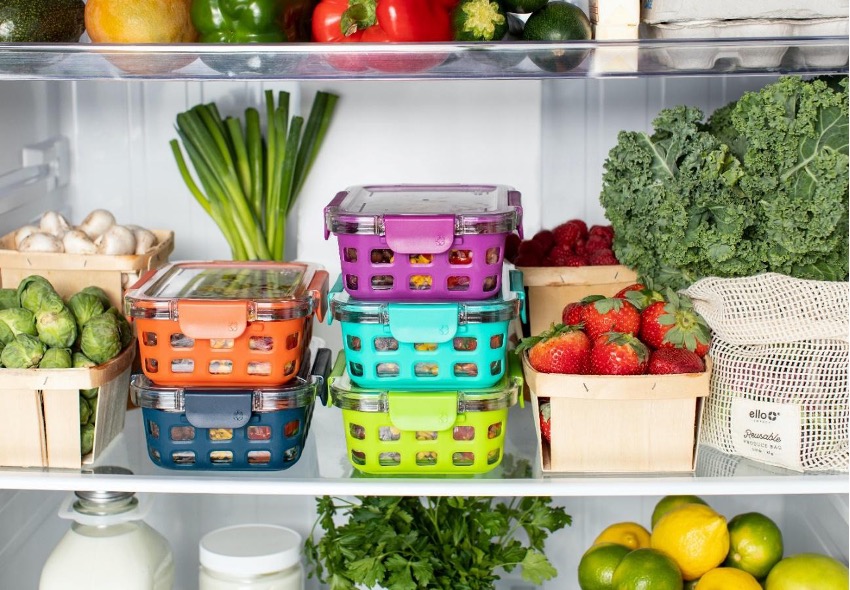
Care Doctor
Six Ways to Make an Existing Kitchen More Practical
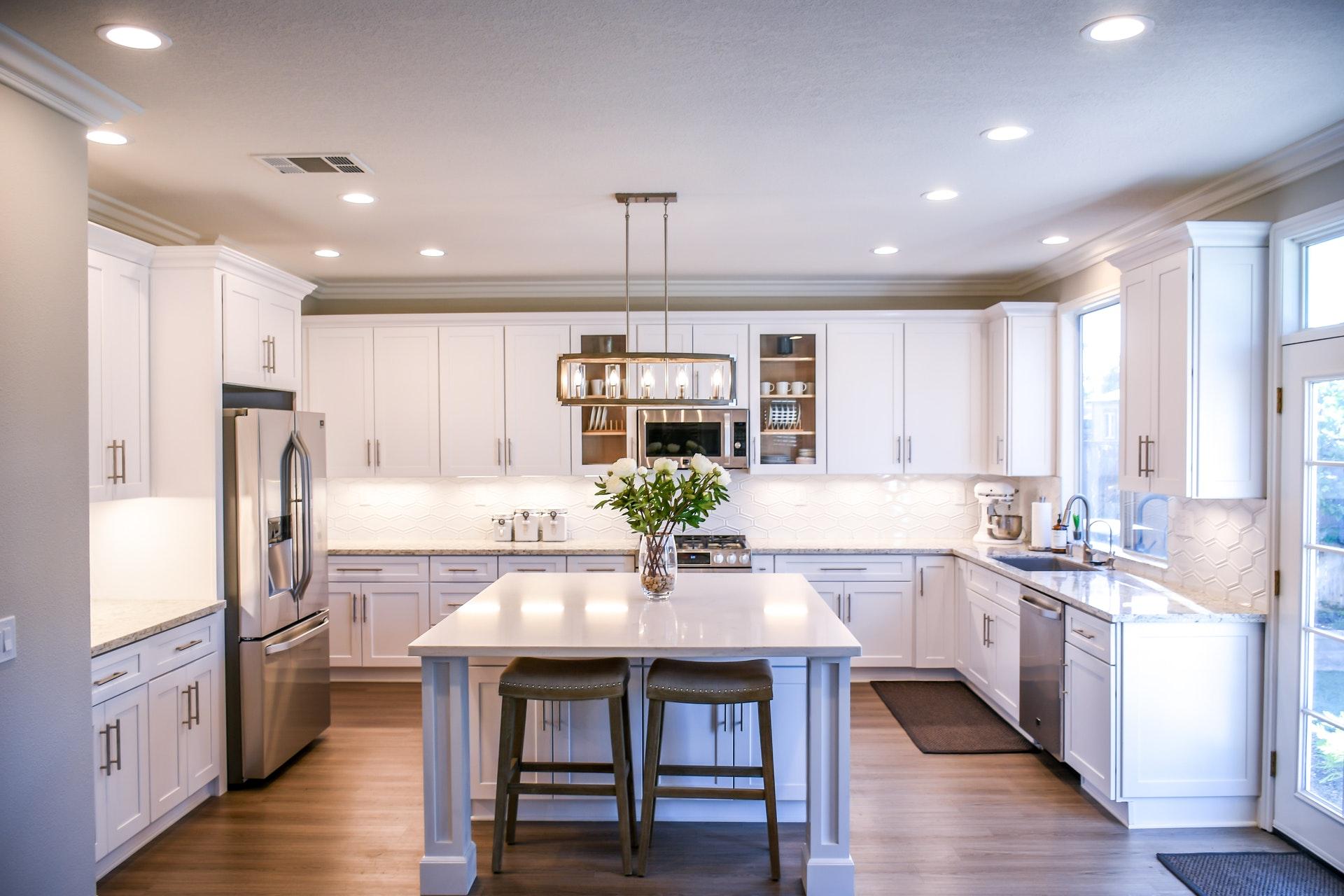
Start with the kitchen task that keeps getting in your way. Perhaps there is nowhere to set the groceries, or reaching a pan means moving several other things. An existing kitchen can sometimes work better without changing the whole layout.
The six suggestions here are options for that room. They are not instructions to move wiring or plumbing on your own. Take measurements, follow appliance manuals and get qualified help when the change requires it. Consider everyone who uses the space, including people with limited mobility or reach. A useful kitchen needs to work for them as well.
Fridge Placement
Allow for a grocery landing spot when planning a kitchen. Moving the refrigerator first requires checking the door swing, its ventilation clearance and the route people take through the room. Keep any nearby surface out of the doorway and walking space.
A fixed kitchen may only need a clear counter, rather than more furniture. Make sure food-preparation surfaces are clean and separate raw ingredients from ready-to-eat food. The useful change can be freeing space you already have.
Drawers Instead of Cabinets
Before buying a pull-out, measure the cupboard and check the hardware’s load rating. The mechanism uses room, so drawers can improve access without creating more storage. Choose them for the cupboard you actually have.
Put regularly used things within comfortable reach. Avoid making heavy pans something you must lift down from a high shelf. Any modification needs to be secured properly, and sharp tools must stay beyond young children’s reach. Easier access for an adult should not introduce a hazard for a child.
Organize your Pantry
Work through one shelf rather than emptying everything at once. Group foods in a way you understand, with often-used items easy to reach and older suitable stock brought forward. Check dates and storage instructions; matching jars do not tell you whether food is stored correctly.
If you move food to another container, keep its name, date and allergen details with it. Store cleaning chemicals separately from food. Alphabetical order is optional. The useful arrangement is one that helps you find ingredients and keep the information you need.
Make the Most of Every Corner
Measure before adding a turntable or insert to a corner cupboard, and check how much weight it can hold. It may help with access, provided there is still room to remove things. Resist filling the space with heavy objects. Reaching into storage should not involve twisting awkwardly or stretching across a hot cooking surface.
Placement of Other Appliances
A tool is easier to use when stored near its task. The bin can sit near a preparation area if it does not block movement, stays closed and gets emptied regularly. Place appliances according to their own instructions rather than appearance alone.
Check sockets and cords too. Do not crowd electrical outlets or let a cord be pulled into water. Before changing a dishwasher’s position, get qualified advice on the plumbing and electrical implications. An orderly arrangement needs to work safely for the people preparing food there.
Herb Gardens!
A small pot of herbs can be convenient if the plant has enough light, drainage and space. Choose herbs you actually cook with, and keep soil and drainage water away from food-preparation surfaces.
There is no need to hang a planter above a worktop or stove to save space. A suitable windowsill may work, or buying herbs as needed may fit your routine better. Wash harvested herbs before preparing them and check any product used on an edible plant.