Care Doctor
How Lydia Fairchild’s DNA Test Raised a Question Her Pregnancy Couldn’t Answer
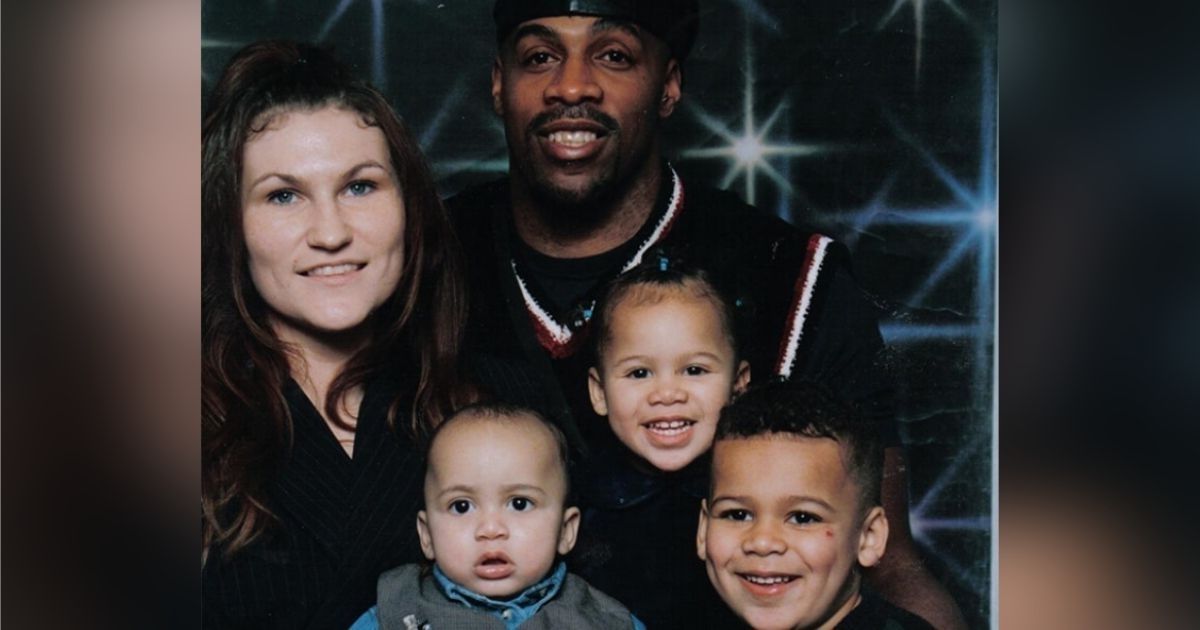
Lydia Fairchild knew she had given birth to her children. In 2002, DNA testing connected with an application for assistance in Washington appeared to say otherwise. Samples supported the children's relationship with their father but did not establish the expected maternal relationship with her.
The contradiction led to a fraud investigation and a question with enormous consequences for a family. Its explanation was not that Fairchild had secretly acquired someone else's children. It was that the DNA being sampled did not tell the whole biological story.
A Routine Test Produced an Extraordinary Conflict
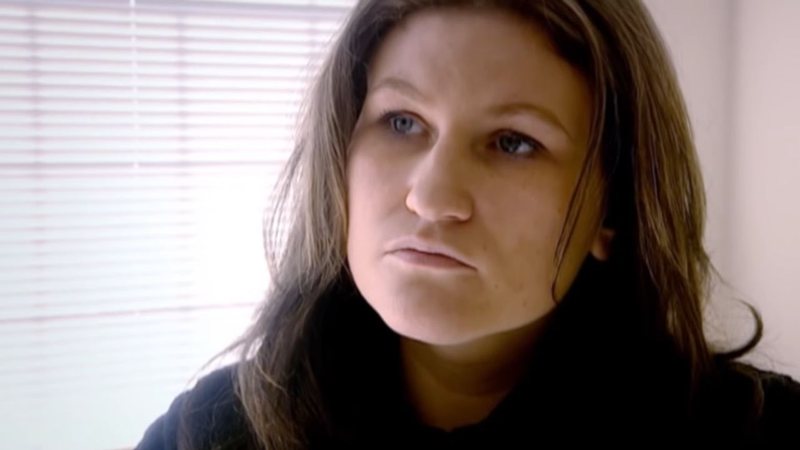
The account preserved in the original reporting describes testing after Fairchild and the children's father, Jamie Townsend, separated. She was seeking support while caring for their children and expecting another baby. The test result created a problem far beyond the administrative process that had prompted it.
A laboratory result can appear unusually definite when reduced to a statement about who is or is not a parent. Here, that statement conflicted with pregnancy and birth. The conflict needed investigation, not a more confident repetition of the same conclusion.
Repeating the Test Did Not Settle the Question
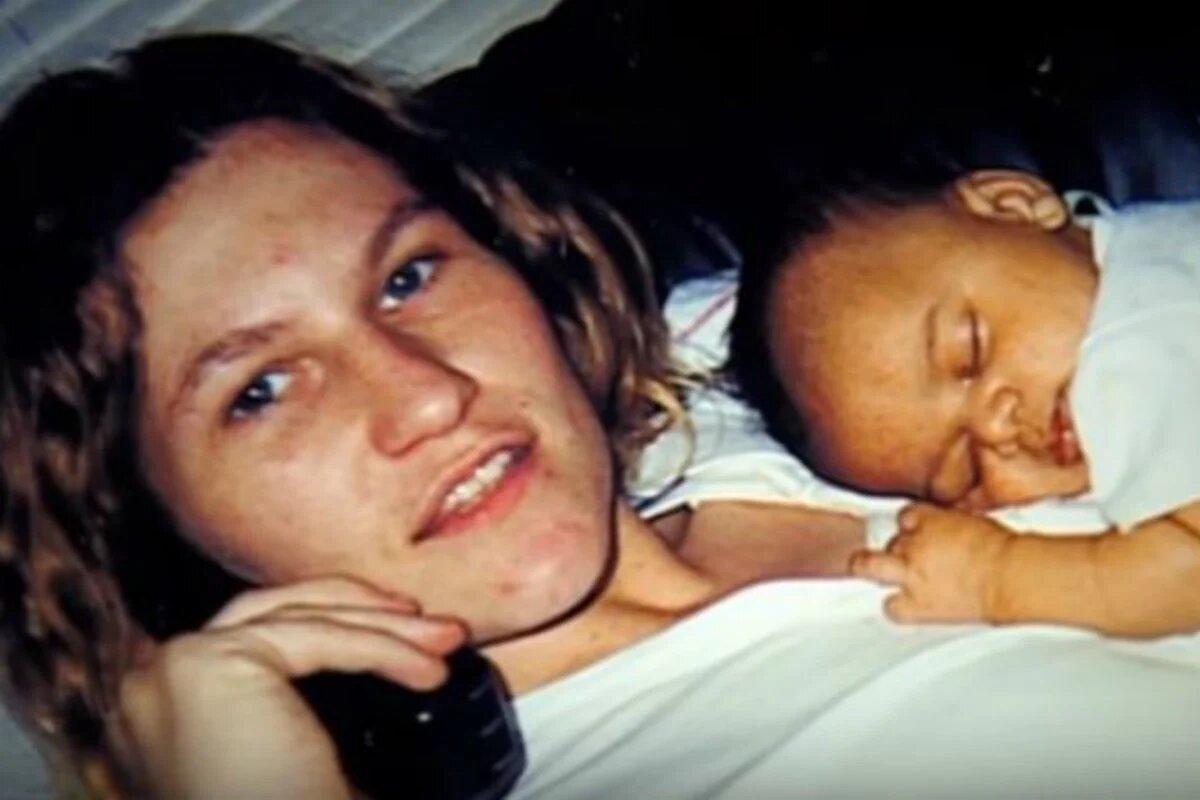
Further testing continued to produce the unexpected result. Repetition can help investigate errors such as a mixed-up sample, but it has limits. If the same type of tissue repeatedly contains one genetic lineage, testing it again may faithfully reproduce that lineage without finding another one elsewhere in the body.
This distinction became central to understanding Fairchild's case. A result can be reproducible and still be interpreted too broadly. Reliable measurement and a complete explanation are related, but they are not the same achievement.
The Birth of Another Child Added Evidence

Fairchild's next delivery became part of the investigation. A witness observed the birth, yet testing again failed to establish the maternal relationship expected from the sample used. This was not simply another disagreement between adults about the history of a pregnancy.
The observed delivery made the mismatch harder to dismiss. The woman who had visibly given birth and the woman whose sample produced the unexpected result were the same person. An explanation had to account for both observations rather than discard whichever one was inconvenient.
A Lawyer Looked Beyond the Apparent Answer
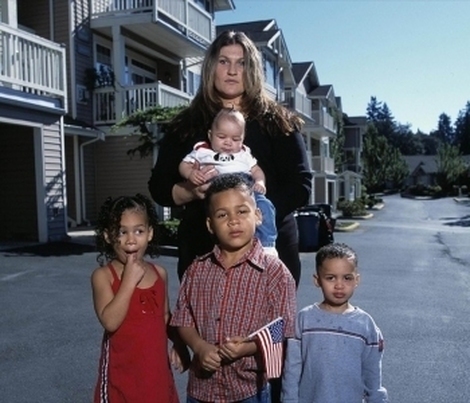
Attorney Alan Tindell became involved as the case developed. A published medical case about another mother offered a possible way to understand the discrepancy. It described a phenomenon that could produce more than one genetically distinct cell population within a single person.
That possibility changed the useful question. Instead of asking only whether another repeat would overturn a previous result, investigators could ask whether the original sampling had missed a relevant part of Fairchild's biology. It was a change in the hypothesis being tested.
What Chimerism Means
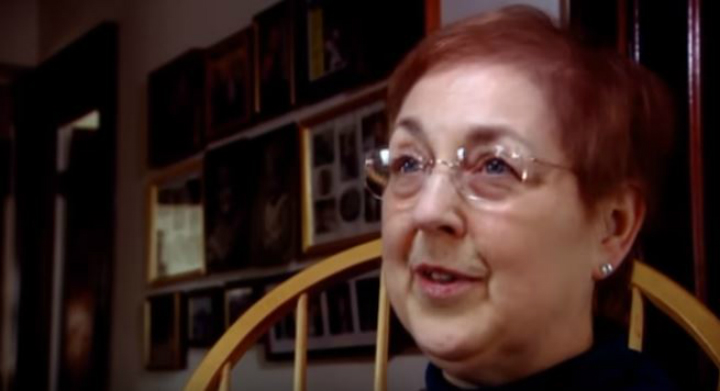
In the form involved in these cases, cells derived from two separately fertilized eggs become part of one developing person. The resulting body can contain genetically distinct lineages. The term tetragametic refers to the contribution of two eggs and two sperm.
That explanation does not mean an adult literally contains a fully formed hidden sibling. Nor does it require two personalities or two separate identities. It describes the origins and distribution of cells, at a scale that may not produce an obvious outward sign.
Different Tissues Can Give Different Information
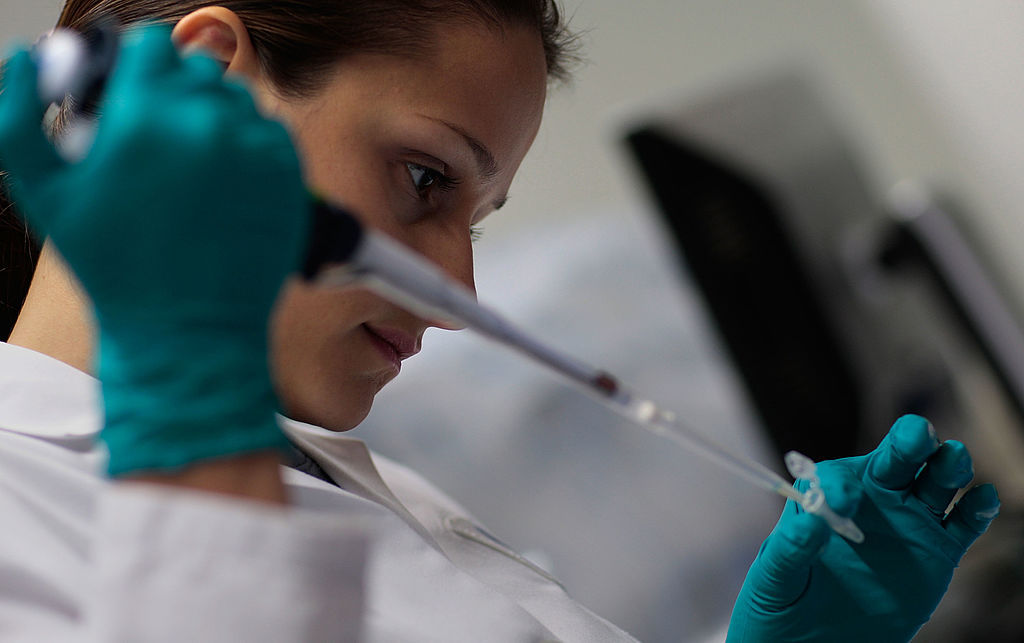
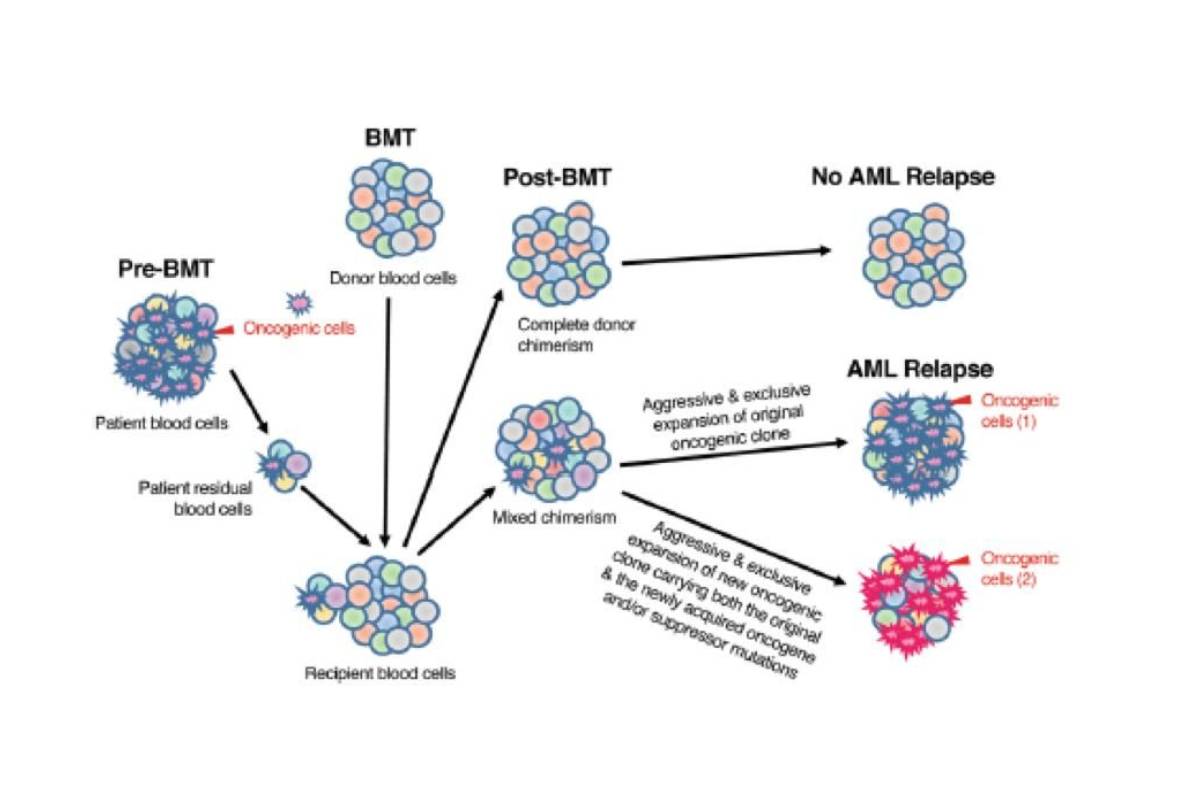
The relative distribution of those lineages matters. A sample from one part of the body may predominantly represent one lineage, while another tissue contains cells from the other. A single sample therefore cannot always be treated as a complete inventory of every cell population a person carries.
Fairchild's archived case account describes a cervical sample providing the missing evidence of the lineage associated with her children. The explanation concerned which cells had been tested. It did not make pregnancy, parenthood or the children's connection with her disappear.
“Match” Needs Careful Wording
A parent and child are not normally expected to have identical DNA. Relationship testing examines inherited genetic patterns; it is not looking for a perfect duplicate of the parent's entire genome. Saying the children finally had an exact DNA match with Fairchild would create another misleading explanation.
The relevant finding supported a maternal relationship through the other lineage. That is a more precise description than saying her children had no DNA in common with her, or that a later sample suddenly made all their genetic material identical.
Karen Keegan's Case Had Already Reached a Medical Journal
The 2002 New England Journal of Medicine report, Disputed Maternity Leading to Identification of Tetragametic Chimerism, concerned Karen Keegan. Testing during a kidney-transplant evaluation had produced an apparent maternity discrepancy involving two of her three sons. Researchers investigated different tissues and identified chimerism.
It was a separate family and a separate investigation. Its relevance to Fairchild was the biological explanation it demonstrated. A published precedent gave investigators a reason to consider something beyond a simple assumption of deception or an ordinary sample error.
An Unusual Result Does Not Make DNA Evidence Useless
The case is sometimes retold as proof that DNA testing cannot be trusted. That goes too far. Its lesson is about interpretation, sampling and how a test fits with other evidence. The result from a particular sample still had information to offer.
Exceptional biology can expose the limits of an otherwise useful method. Recognizing that limit allows a more appropriate investigation. It does not establish that every unexpected relationship result has the same cause, or that ordinary testing should routinely be dismissed.
Chimerism Is Not the Same as Mosaicism
Both terms involve genetic differences among cells in one body, which makes them easy to confuse. In tetragametic chimerism, the lineages originate from separate fertilized eggs. In genetic mosaicism, differences develop among cells descended from a single fertilized egg.
Other situations can also put cells of different origins in one person, including transplantation and small transfers of cells during pregnancy. Those situations should not all be treated as interchangeable explanations for Fairchild's case. Similar vocabulary can conceal important biological differences.
There May Be No Obvious Physical Clue
A person does not need dramatically different-colored eyes or a striking skin pattern to have chimerism. Appearance alone cannot establish or rule out the relevant cell populations. Fairchild's history became public because of an unexpected test, not because an outward feature supplied a diagnosis.
That also makes sweeping estimates of frequency difficult. Documented cases are not a reliable count of everyone who may have an unrecognized cell lineage. There is no reason to convert that uncertainty into a claim that this form is as common as ordinary twins.
The Family Was More Than a Laboratory Puzzle
For Fairchild, the stakes involved her children and the way authorities understood their relationship. Retelling the biology as an amusing curiosity can lose that part of the story. A frightening administrative dispute was not made harmless by eventually finding an unusual explanation.
It is possible to explain what happened without inventing private conversations or claiming to know every thought she had. The evidence already shows why an apparently simple answer required more care before it could carry consequences for a family.
The Useful Lesson Is to Investigate the Contradiction
An unexpected result deserves qualified interpretation in its own circumstances. Chimerism is one possible biological complication, not a diagnosis readers can make from a photograph or a surprising consumer test. Clinicians and specialist laboratories can decide what further evidence is appropriate when a genuine discrepancy arises.
Fairchild's case remains memorable because the evidence eventually made sense together. The observed pregnancies were real, and the sampled lineage was real. The mistake was assuming that one narrow result had already explained the whole person.

ASU Embryo Project: the Fairchild case
NEJM: Disputed Maternity Leading to Identification of Tetragametic Chimerism