Care Doctor
A Better Breakfast Starts With Foods You’ll Actually Eat
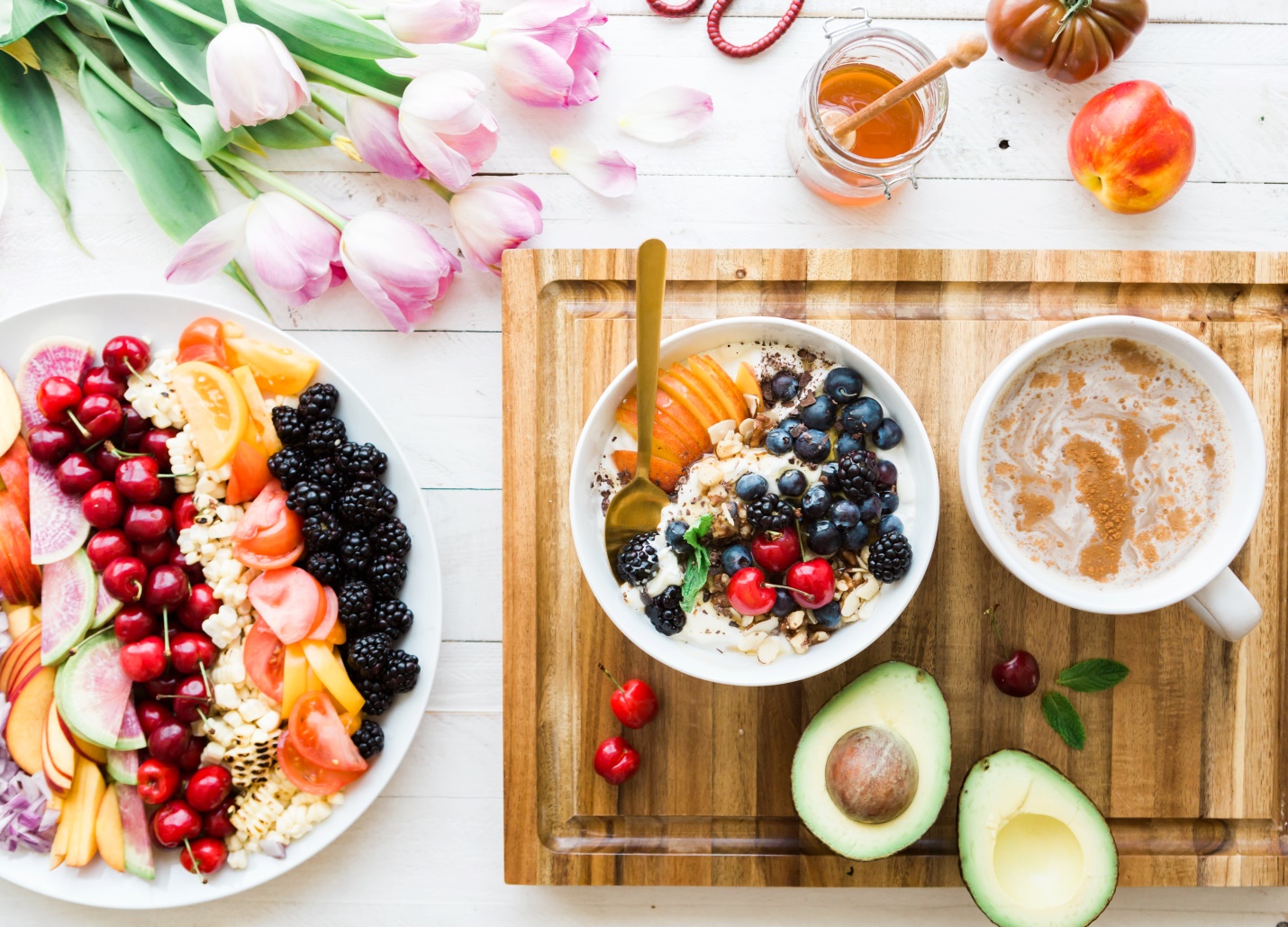
What can you make before you have to leave? For one person it is toast and coffee; for another, yogurt or a meal packed to eat later. Breakfast needs to work with that routine.
Preferences are only part of the choice. Consider allergies, budget, appetite and any medical advice you have been given. There is no one healthiest breakfast for every person. A few enjoyable combinations that you can repeat are a more practical starting point than a perfect meal you never have time to prepare.
Put a few food groups together
What do you already eat? If it is toast, you could try a whole-grain version with an egg and sliced tomato. If it is oats, yogurt and berries are one combination. Beans with vegetables in a tortilla offer another.
The components can vary. A base of oats or whole-grain bread can go with a protein food such as tofu, eggs, plain yogurt, beans, nuts or a nut butter that is safe for you. Add fruit or vegetables as you prefer.
USDA’s MyPlate guidance is a source of food-group ideas, rather than a picture every meal must copy. Variety over the day matters more than putting every suggestion into one breakfast. Start with a change you can use in a meal you already enjoy.
Yogurt, seeds and fruit
Plain skyr or another plain yogurt can be convenient when you have little time to cook. Check the label for ingredients and added sugar rather than assuming every flavored version has the same contents.
Add fruit and a small serving of nuts or seeds if those suit you. For chia pudding, follow a recipe that allows the seeds to absorb enough liquid. Prepare it ahead and refrigerate it promptly. Use a dairy or plant-based option that fits your dietary needs.
The amount of protein and fortification in plant-based drinks varies. Soy, almond, oat and rice drinks aren't nutritionally interchangeable just because they sit on the same shelf. Read the label if you're relying on one to replace milk regularly.
Try a savory breakfast
Eggs or beans can go with avocado toast. That gives you a way to add a protein food to the meal. Avocado itself contains mainly unsaturated fat, rather than being dominated by saturated fat.
Smoked salmon and ham are other possibilities, but consider their salt content and use varied protein choices. Choosing a savory flavor is a preference, not a special route to happiness or fat burning.
The portion can fit your appetite. If exercise comes next, pay attention to which familiar foods and timings feel comfortable. There is no reason to impose the same thirty-minute gap on every activity and every eater.
Choose a drink you enjoy
Water, tea or coffee can accompany breakfast. Consider how caffeine affects you and how much sugar you put in the cup. None is compulsory, and a hot drink is not what makes a meal complete.
Lemon water is simply an option for people who enjoy it. It cannot detox the liver or make it filter fat. Likewise, an article’s one-piece-of-fruit rule is not a necessary limit. Whole fruit supplies fiber that juice often does not, so the form of the food matters as well as the drink you choose.
Read past the front of the cereal box
Compare a few boxes before deciding that all cereal is the same. The amounts of fiber, whole grains and added sugars can differ. One option may be both affordable and a useful part of breakfast with milk or yogurt and fruit.
Do the same with a spread, loaf or breakfast bar. The front label is only a starting point, even when it makes a health claim. Convenience is not a fault by itself. What matters is the food you are buying and how it fits with your meals.
Make the easier option available
What can you do tonight to make tomorrow simpler? You could set out a spoon and bowl, gather ingredients or wash fruit when that is practical. A portable breakfast may fit a rushed morning, provided you can store it safely.
For advice shaped around diabetes, digestive difficulties, a history of disordered eating or another relevant condition, speak with your clinician or a registered dietitian. Those needs are individual. A general article cannot supply the same breakfast prescription for everybody.