Care Doctor
What NASA’s Twins Study Found After Scott Kelly’s 340 Days in Space
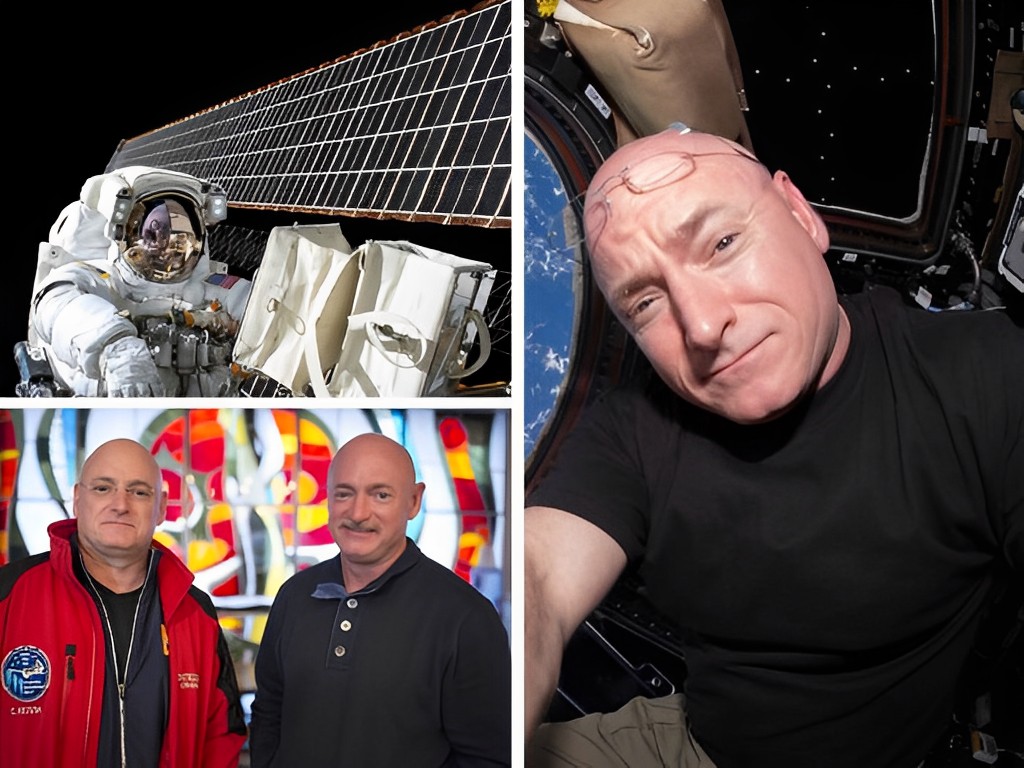
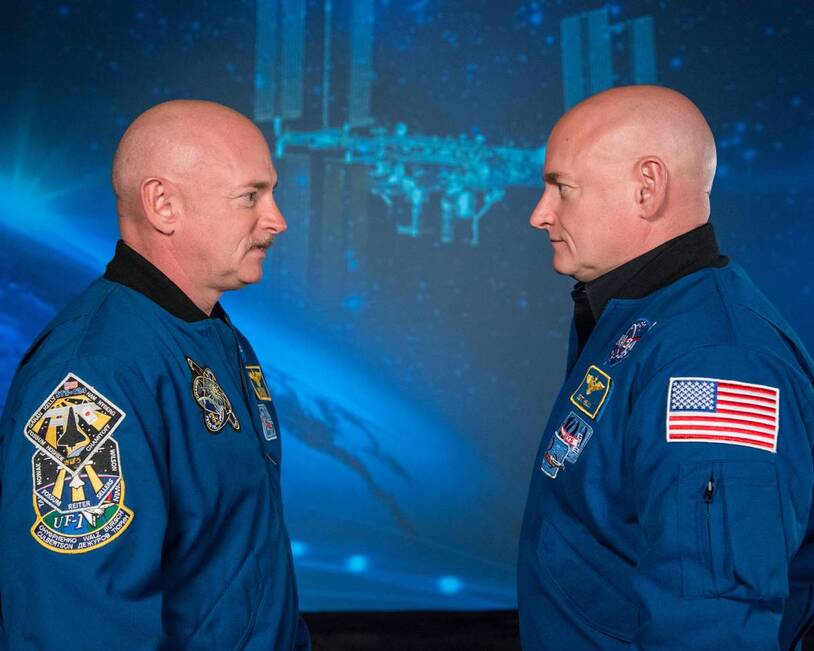
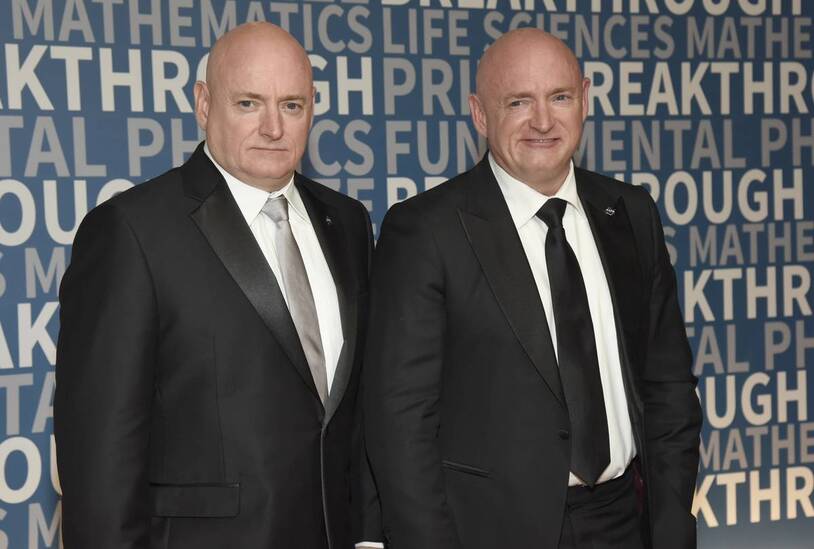
Scott Kelly returned from a 340-day mission with an unusually useful comparison waiting on Earth: his identical twin brother, Mark. Both had been astronauts. During this mission, however, only Scott was living in orbit, while Mark supplied measurements from the ground.
The resulting NASA Twins Study followed changes across the body, from blood cells and gut bacteria to eyesight and cognitive performance. Some findings were reassuring, others raised questions. The familiar claim that Scott came home with a permanently rewritten genetic identity missed much of what researchers actually measured.
Two Brothers With a Shared Career

NASA selected Scott and Mark Kelly as astronaut candidates in 1996. Their careers included different flights and assignments, but both had experience of the demands of space travel. Scott eventually accumulated about 520 days in orbit over four missions before retiring from NASA in 2016.
Their shared background made the comparison distinctive. Researchers were not comparing an astronaut with an identical person whose life had otherwise been perfectly controlled. They were working with two individuals who shared a genetic starting point and a profession, but had lived separate lives.
The Mission Lasted 340 Days
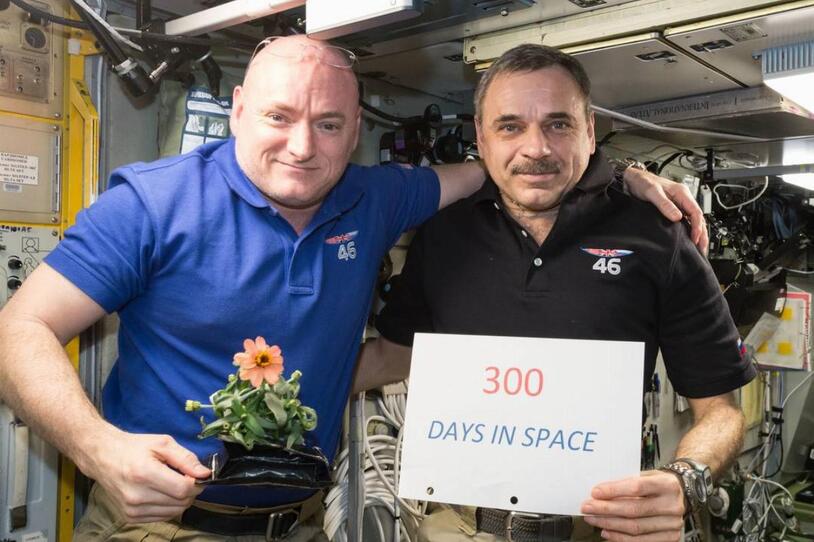
Scott launched in March 2015 and returned in March 2016 after 340 days aboard the International Space Station. Russian cosmonaut Mikhail Kornienko joined the extended mission. Its duration was an important American spaceflight milestone at the time, rather than the first occasion anyone in the world had spent that long in space.
A mission approaching a year allowed researchers to examine exposure beyond a typical six-month station stay. The extra months were especially useful when asking whether some changes continued to develop as a flight went on.
Mark's Role Was on the Ground
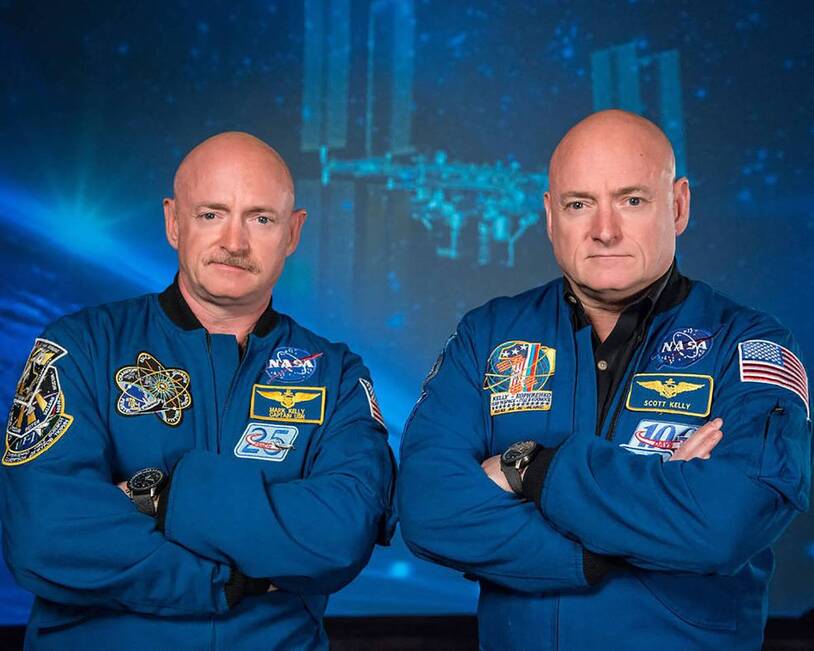
Mark supplied samples and other measurements while Scott was away. His participation helped researchers see what was changing in an Earthbound twin during the same period. Without that comparison, it would have been harder to judge whether an observed fluctuation was especially unusual.
The comparison had limits. Mark's days were not a ground-based copy of his brother's schedule. Their food, surroundings and daily activities differed. That matters when deciding how much of a result can be attributed to spaceflight itself, rather than treating every difference as the effect of a single cause.
Ten Investigations Were Brought Together
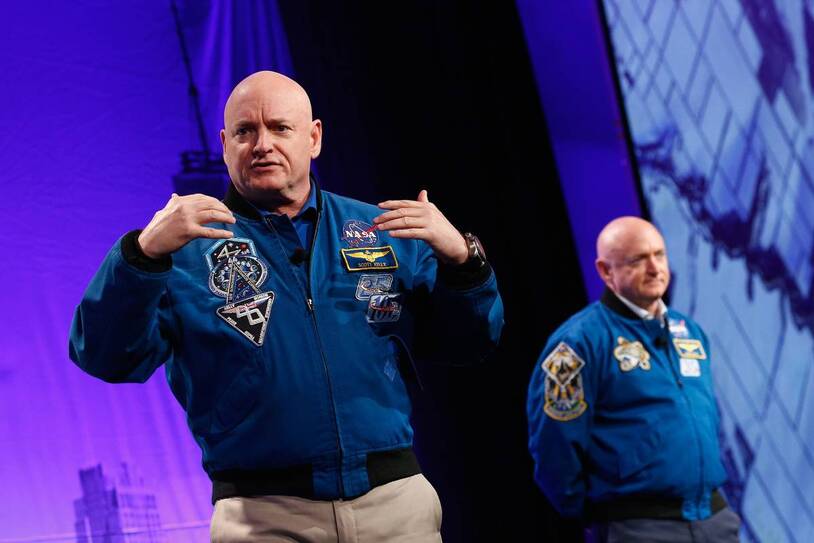
The Twins Study involved ten research teams examining different aspects of biology and performance. Their work was integrated into a paper released in April 2019, rather than becoming a complete answer as soon as the spacecraft landed. Collecting samples was only part of the job; processing and comparing them took time.
The different teams also gave one another context. A change detected in a blood measurement could be considered alongside food intake, physical changes and other observations. That is more informative than choosing the most dramatic isolated number and treating it as the whole study.
The Measurements Began Before Launch
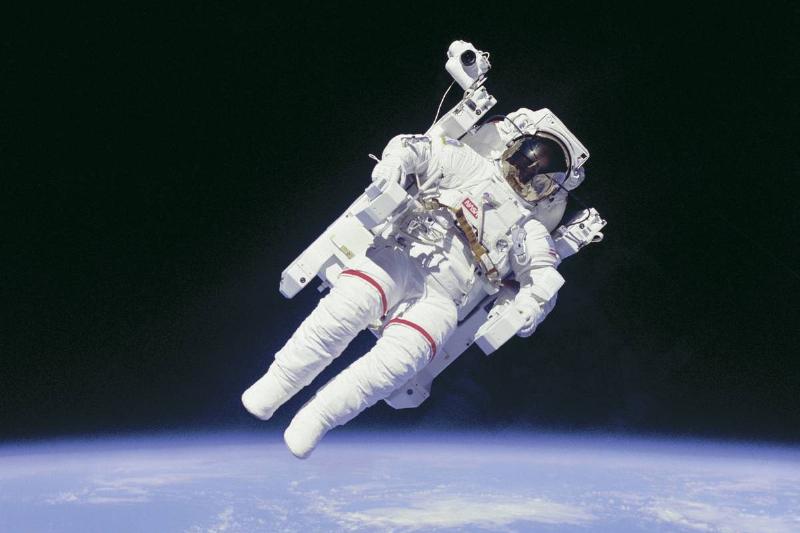
Preflight samples established a baseline: a record of what was measured before the mission. Researchers then compared observations during flight and after return with that starting point. A postflight number, on its own, would say much less about what had changed.
Baseline does not mean a person has one unchanging value for every biological measurement. Human bodies vary from day to day. Following both brothers over time helped reveal that variation, while also giving researchers a way to identify patterns that deserved closer attention.
Samples Had to Make Their Own Journey
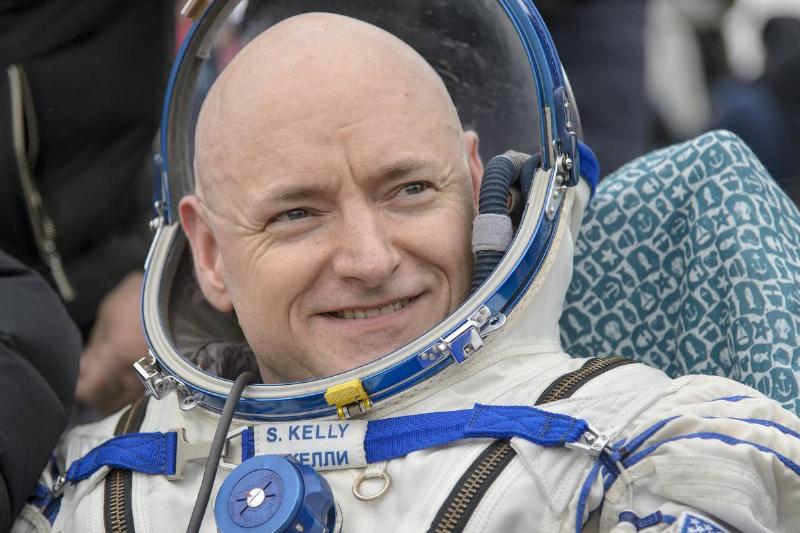
Blood and other biological samples collected in orbit had to be handled under conditions very different from a laboratory on Earth. Storage, timing and transport were part of the scientific work, not minor details around it. Researchers also had to distinguish biological differences from effects introduced by sample handling.
The mission therefore tested ways of conducting this kind of research as well as providing results about Scott. A future crew farther from Earth may have fewer opportunities to send material home quickly, making reliable collection and processing methods particularly valuable.
Gene Activity Is Not the Same as Genetic Identity
One widely misunderstood result concerned gene expression. This describes how cells use genetic instructions, including how much activity is associated with particular genes. A change in expression is different from saying that the underlying DNA sequence has been replaced.
Scott remained Mark's identical twin. The findings did not show that a fixed percentage of his entire genome had turned into someone else's DNA. Understanding the difference makes the result more useful: cells can respond to an altered environment by changing their activity without a person acquiring a new genetic identity.
Most Expression Changes Moved Back Toward Baseline
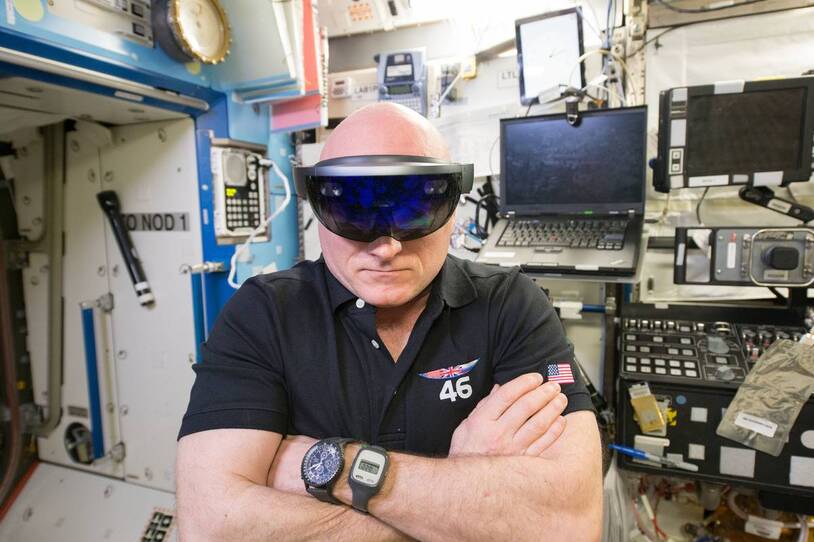
NASA's final summary reported that about 91.3 percent of the gene-expression changes returned to baseline within six months of landing. The figure concerned changes in activity, not the proportion of Scott's DNA that survived the mission intact. Earlier headlines often blurred that distinction.
Some changes were still present at the end of the follow-up period. Their persistence was a reason for further investigation. It did not establish that every remaining change would last forever, or that a particular illness would inevitably result from it.
DNA Damage Was a Different Finding
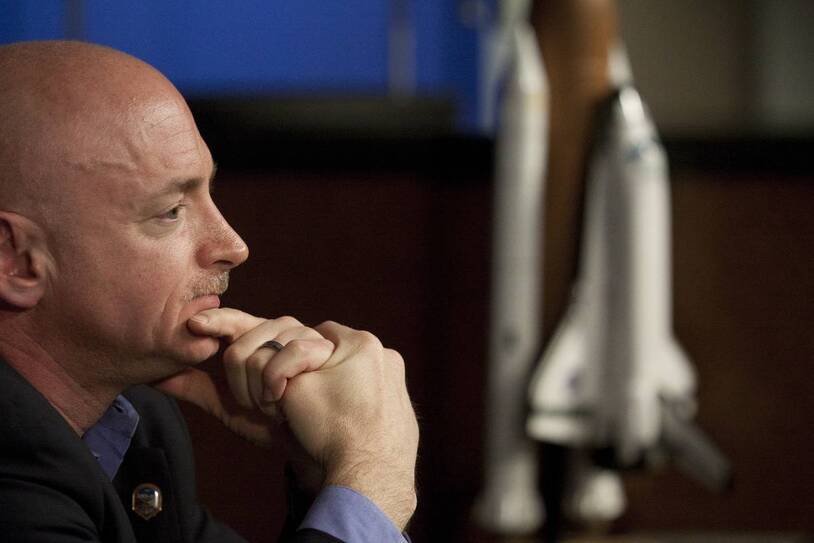
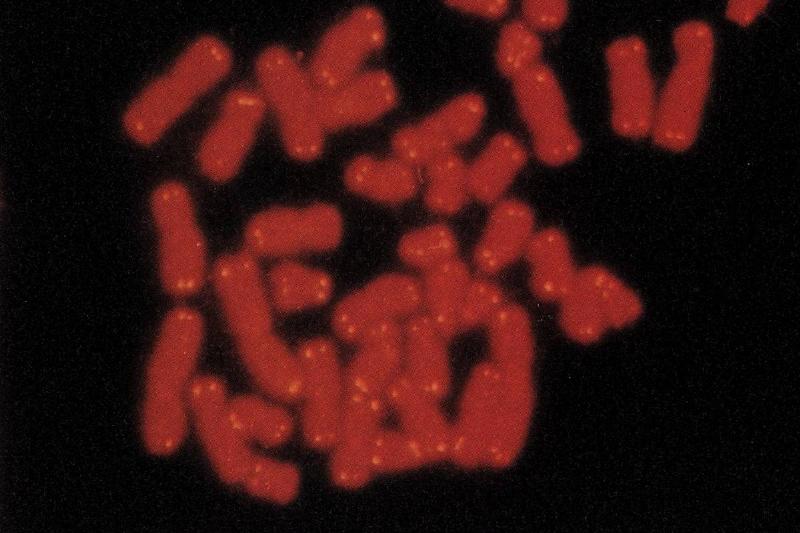
The researchers also examined signs of genomic instability, including chromosome rearrangements. These observations belong to a different category from a gene becoming more or less active. Radiation exposure was one concern in interpreting the biological stresses of the flight.
A careful account can acknowledge damage-related findings without repeating a claim that Scott's genes mutated six times faster or that his whole genetic code was permanently transformed. The study used several kinds of measurement, and each supports a more specific statement than those sweeping descriptions suggest.
Telomeres Supplied an Unexpected Result
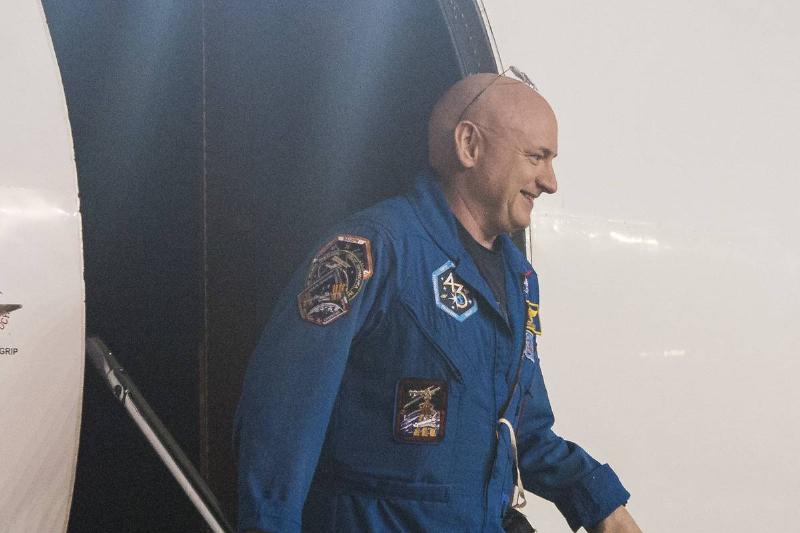
Telomeres are structures at the ends of chromosomes that help protect them. In samples of Scott's white blood cells, their average length increased during the mission. That was surprising because the researchers had reasons to investigate stress and possible shortening during a long flight.
It was an observation in particular cells under particular conditions. It did not show that every cell in his body had become younger. Nor did it turn time in orbit into a way to reverse aging, despite how tempting that version of the story might sound.
The Telomere Story Changed After Landing
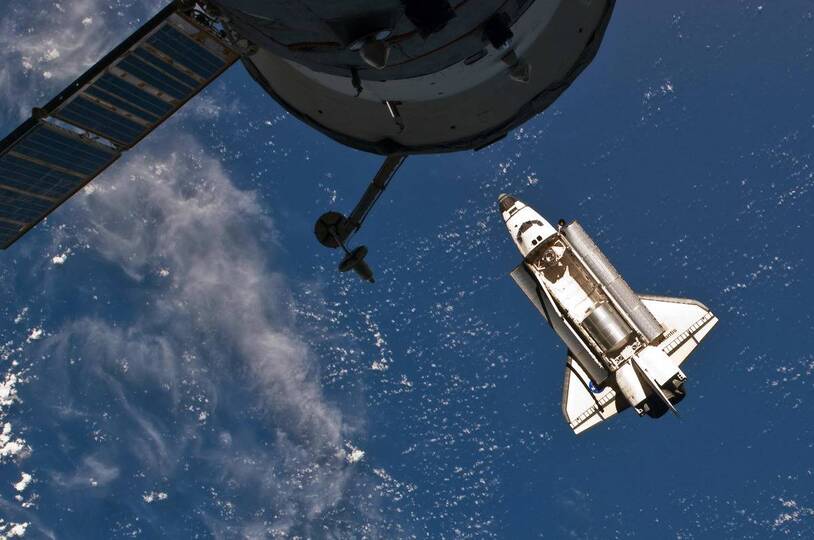
After Scott returned, telomeres shortened rapidly, and average length was back around baseline by six months. Researchers also observed an increased number of very short telomeres. Looking only at the inflight lengthening would therefore leave out an important part of the sequence.
Average length and the distribution of lengths describe different features of the samples. Both can matter when researchers decide what to investigate next. Neither gives a simple forecast of the number of years one person will live, and the study did not offer such a forecast for either brother.
Diet and Exercise Complicate the Explanation
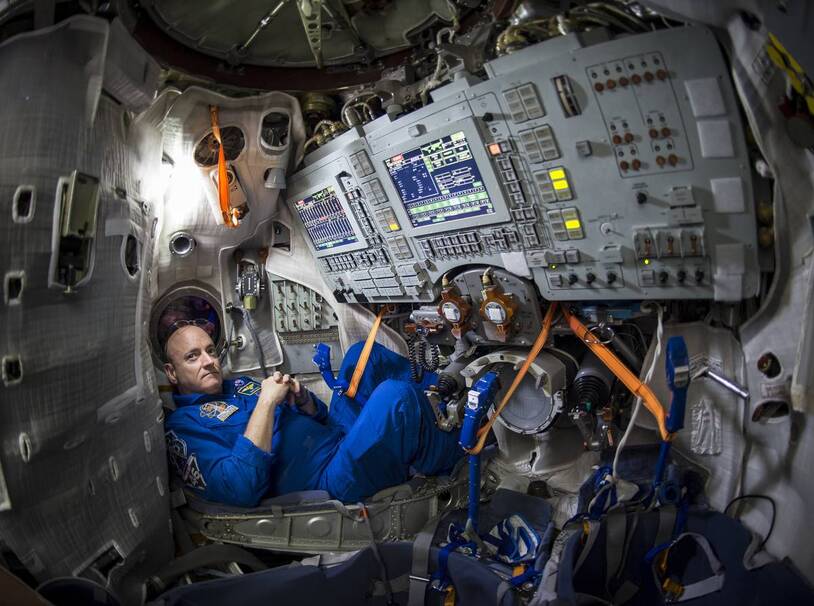
Scott followed a mission routine that included exercise and a managed food supply. Those conditions differed from Mark's life on Earth. Researchers considered nutrition, physical activity and other exposures when interpreting the results; they did not have a second Scott aboard the station living under an otherwise different set of conditions.
This is why an interesting association should not be shortened to a single proved cause. A longer telomere measurement, a changed diet and a demanding environment can occur together without the study establishing exactly how much each factor contributed.
Epigenetic Changes Concern Regulation
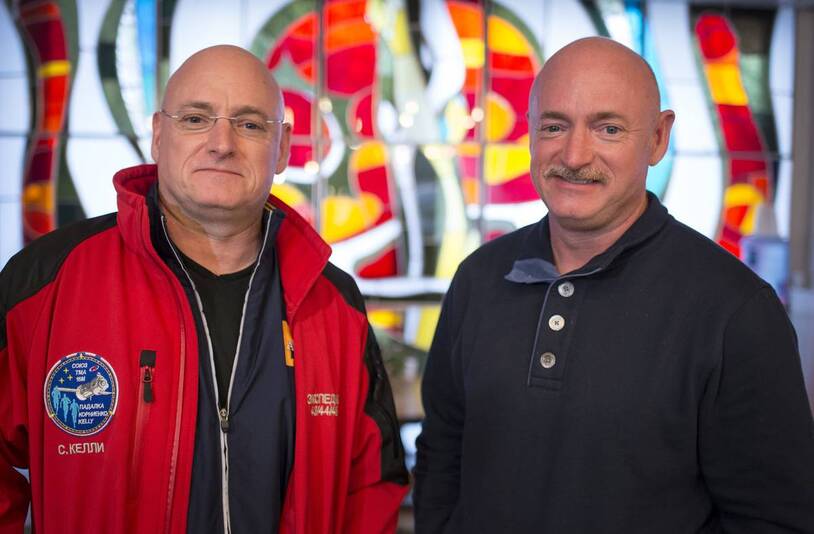
Another team examined epigenetic marks, including DNA methylation. These chemical modifications can influence how genetic instructions are used without changing the underlying code. They provide another way to investigate how cells respond to conditions around them.
Johns Hopkins researchers reported no large, lasting disruption of the overall epigenome in either twin. They did find differences in where some changes occurred. Their findings encouraged more research, while also underlining how much caution is needed when drawing a general conclusion from just two participants.
The Ground Twin Changed Too
Mark was not biologically frozen while his brother was away. Measurements from an Earthbound person can shift with time and circumstances. In the epigenetic work, the overall extent of variation was not simply a story of one changing twin and one unchanged control.
That is part of the value of the design. It prevents every fluctuation in Scott from automatically being described as extraordinary. The researchers could ask which patterns differed from those observed in his brother, while remembering that shared genetics did not eliminate the influence of their separate environments.
The Flu Vaccine Tested a Specific Response
Scott received a flu vaccination during the mission as part of the research. His immune response was appropriate, an encouraging result for the practical problem of protecting a crew during a long flight. Comparable observations before and after the mission helped provide context.
The finding did not prove that an astronaut's immune system is unaffected in every respect by space travel. A response to one vaccine is a particular result. It cannot guarantee protection against every infection or replace other measures used to manage health in a confined spacecraft.
Gut Bacteria Shifted During Flight
Researchers studying the microbiome found a change in the relative abundance of major bacterial groups in Scott's gut during the mission. The Northwestern-led team described a shift in the balance of those groups without a dramatic loss of overall bacterial diversity.
The microbiome is influenced by diet and surroundings, so the finding required that context. It was not enough to label the gut either completely healthy or damaged based on one ratio. The important question was how the community changed across the mission and what happened after Scott came home.
The Microbiome Also Showed Recovery
After landing, the observed gut patterns moved back toward their preflight state. That recovery was reassuring to the researchers studying this part of the project. It suggested that a changed microbial balance during one mission did not necessarily become a permanent condition.
There was still more to learn about the mechanisms and significance. Different astronauts, food supplies and mission durations could produce different observations. The result offered a starting point for better questions, rather than a complete prescription for what every future space traveler should eat.
Body Mass Was Part of the Picture
Scott lost body mass during the mission. Researchers considered his food intake and exercise alongside the biological samples, because changes in weight can accompany changes in metabolism and other measurements. Mark's pattern on Earth was different.
A reduction in body mass is not automatically proof that a space mission improved someone's health. The context includes the demands of the job, whether energy needs were being met and what was happening to other systems. The study was examining a complex response to the environment, not assessing a weight-loss program.
Bones and Muscles Face Different Demands
Life in microgravity changes the mechanical loading that bones and muscles ordinarily experience. The study's biochemical measurements included information relevant to bone turnover, alongside the broader concern about maintaining physical capacity during a long stay in orbit.
Exercise aboard the station is part of the response to those conditions. It is not simply a way to fill spare time between experiments. The exact effect of a particular routine still has to be assessed with appropriate evidence, rather than assuming that access to exercise equipment eliminates every consequence of reduced loading.
Fluid Moves Differently in Microgravity
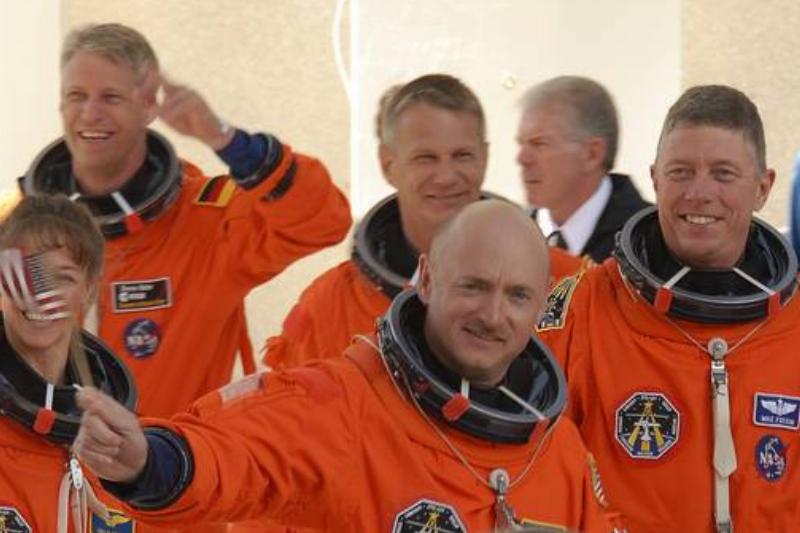
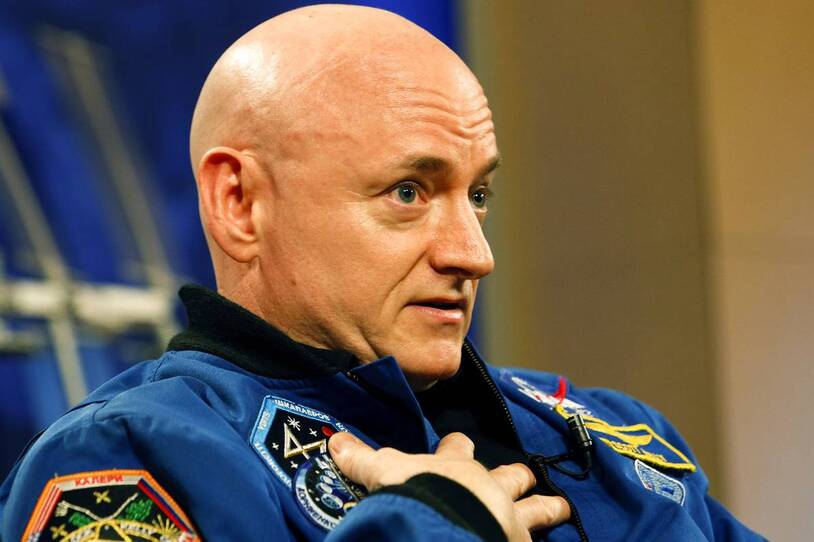
On Earth, gravity helps shape the distribution of fluid in the body. In orbit, a headward fluid shift contributes to changes astronauts can experience in their faces and upper bodies. The Twins Study examined physical measurements within that altered setting.
A fuller-looking face in a photograph is therefore not evidence of a new illness or a reliable measure of internal health. Photographs can help readers picture the environment and the mission. They cannot substitute for measurements when explaining what happened to the eyes, circulation or other systems.
The Eyes Deserved Particular Attention
The study identified changes in eye structure, part of the wider concern about vision during long-duration spaceflight. Changes in fluid distribution are among the issues researchers investigate when considering how the space environment affects the head and eyes.
That research should not be reduced to a claim that blood simply cannot return from the brain, or that every astronaut experiences the same problem. Understanding the mechanism and identifying who is most susceptible require more evidence. Eye findings were one important component of the project, rather than a diagnosis drawn from Scott's appearance.
Blood-Vessel Measurements Raised Questions
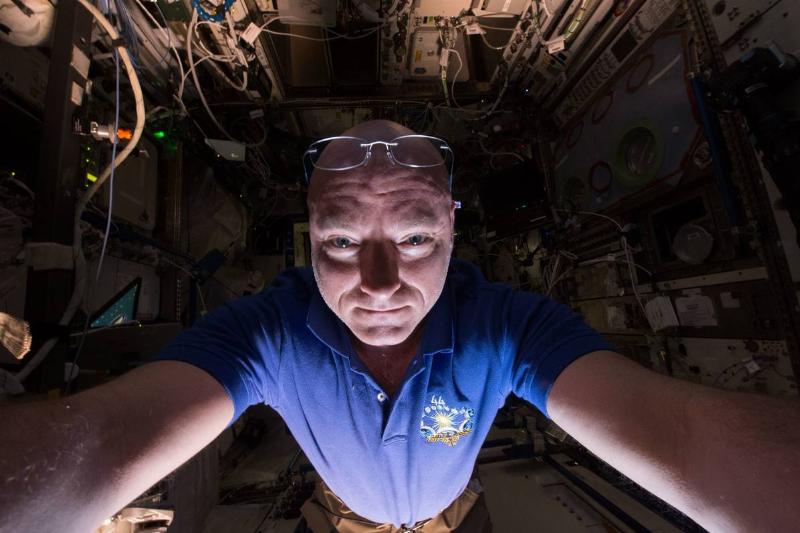
Researchers also followed aspects of Scott's cardiovascular system, including changes in blood-vessel dimensions. Those observations could be considered alongside molecular signals associated with inflammation and other responses. A coordinated study made it possible to look across those different levels.
It would be premature to turn such markers into a definitive prediction of future heart disease. A marker can suggest something worth monitoring without establishing a clinical outcome. That distinction is especially important when the evidence comes from one person experiencing a highly unusual set of conditions.
Cognitive Performance Was Largely Stable in Flight
Tests examined features of performance such as speed and accuracy. During the flight, Scott's results were largely stable. The findings did not support a simple story in which his thinking steadily deteriorated throughout the year aboard the station.
That matters because working safely in space involves attention, decisions and coordination. The tests were intended to investigate those abilities more systematically than an anecdote about feeling tired or forgetful. They offered measurements over time, though no collection of tests captures every aspect of a person's experience or performance.
The More Noticeable Difference Came After Return
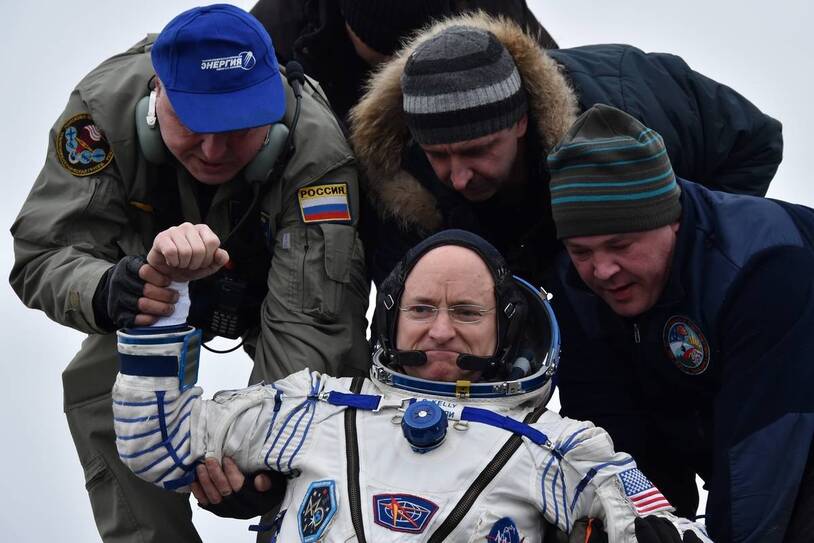
After landing, the study observed reduced speed and accuracy on the cognitive testing, persisting through the six-month follow-up. Readjustment to Earth and the demands surrounding the return were among the factors considered in interpreting the result.
The timing is essential. A postflight change is not the same as evidence that Scott could not function aboard the station. It also does not, on its own, establish permanent brain damage. The finding identified a period that deserved further investigation and careful planning for returning crews.
Recovery Is Part of a Mission
Returning to gravity puts new demands on an astronaut's body after months of adaptation to orbit. The mission's medical story therefore extends beyond landing. Rehabilitation and postflight observations help show which changes move back toward baseline and which require longer attention.
A person can have completed a highly successful flight and still need time to readjust. Treating those facts as contradictory can produce sensational coverage. The Twins Study was valuable partly because it kept following the process instead of treating the landing photograph as the final measure of recovery.
The Station Is Not the Same as Deep Space
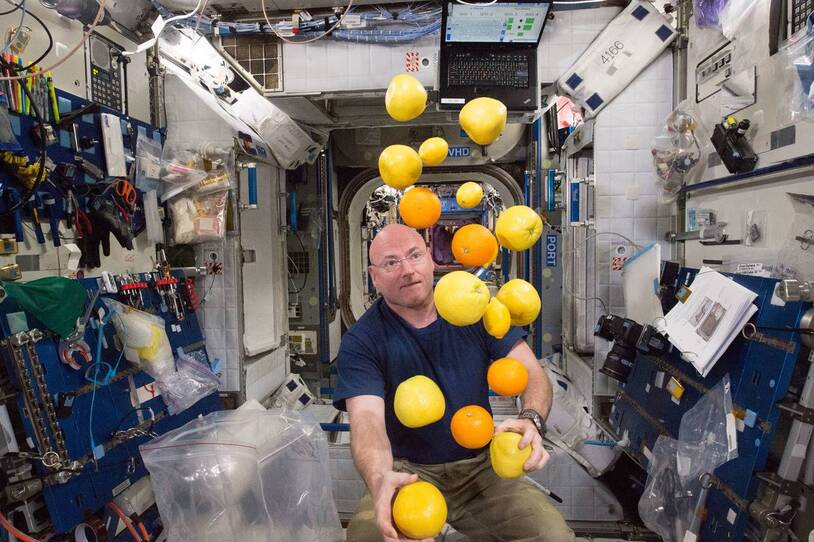
The International Space Station orbits close to Earth compared with a journey to Mars. Its location, support arrangements and radiation environment differ from those a crew would encounter farther away. Results from the station are useful, but they do not recreate every condition of a future interplanetary mission.
A long trip would also raise questions about supplies, communications and medical support. Knowing how one astronaut responded to a year in low-Earth orbit helps frame those questions. It does not settle them merely because the duration begins to resemble part of a much longer expedition.
Radiation Is One Concern Among Several
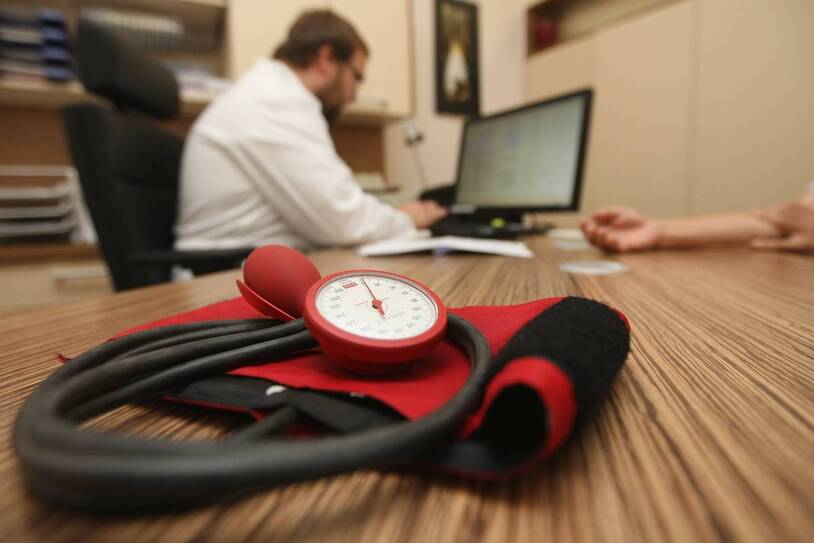
Spaceflight exposes a crew to a combination of factors: radiation, altered gravity, confinement, work demands and a changed environment. The Twins Study considered biological responses within that combination. It did not isolate each exposure in a separate randomized experiment.
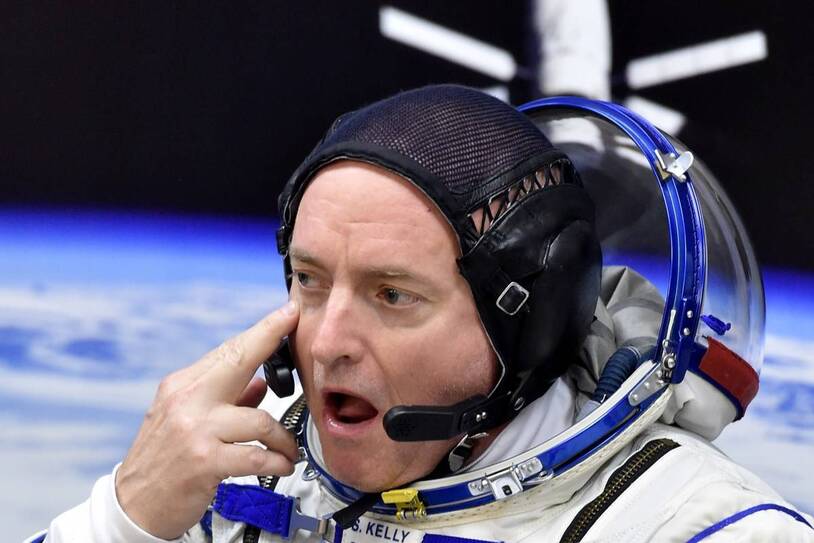
That makes it difficult to assign every measurement to radiation alone. It is equally misleading to dismiss radiation because many other findings improved after landing. The aim is to identify risks and useful countermeasures with increasing precision, rather than choose a single explanation for everything that was observed.
One Twin Pair Cannot Represent Everyone
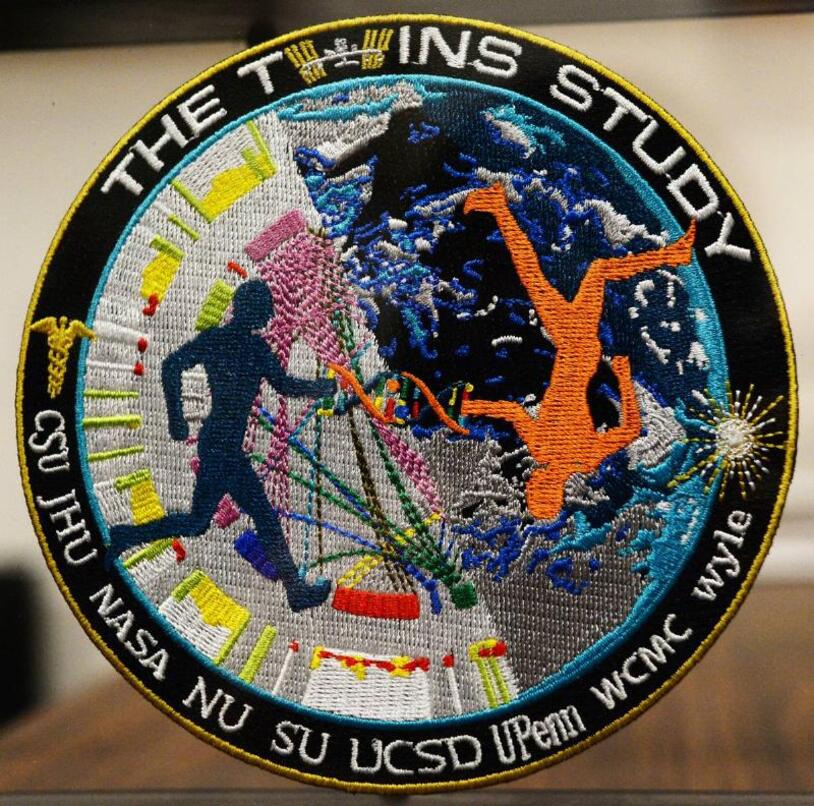
The study's unusual design was also its major limitation. There was one flight participant and one genetically matched ground participant. Thousands of laboratory measurements do not turn those two people into a large population of independent participants.
Different ages, medical histories, sexes and mission conditions could produce different responses. The data are valuable because of their depth and the opportunity they created, not because they can establish a universal timetable for what happens to every human who spends a year away from Earth.
A Persistent Change Is a Question, Not a Forecast
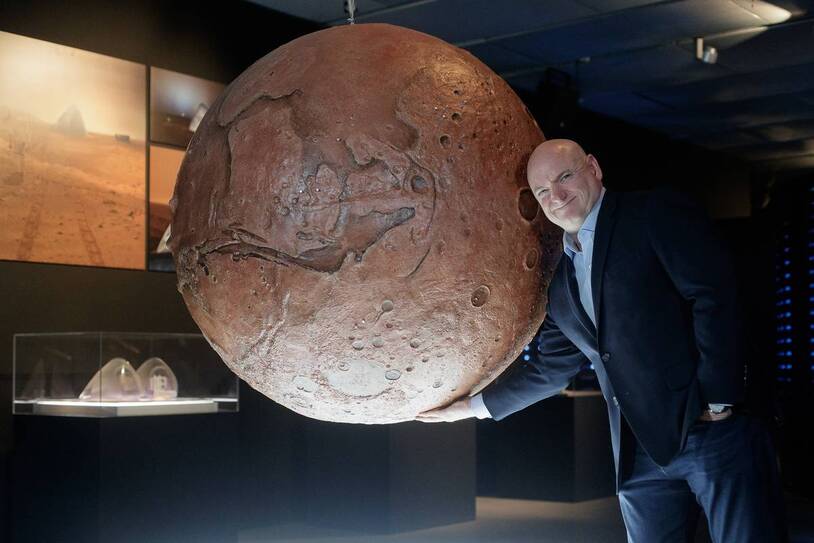
Some findings remained different at the end of follow-up. Describing them accurately means stating when they were measured and what was measured. It does not mean declaring that they would never resolve or assigning Scott a specific future disease.
The same caution applies in the other direction. Recovery of an average measurement does not prove that every cell or every aspect of health returned to its previous state. Researchers need longer observation and additional participants to understand which patterns are meaningful and how best to respond to them.
The Photographs Tell Another Part of the Story
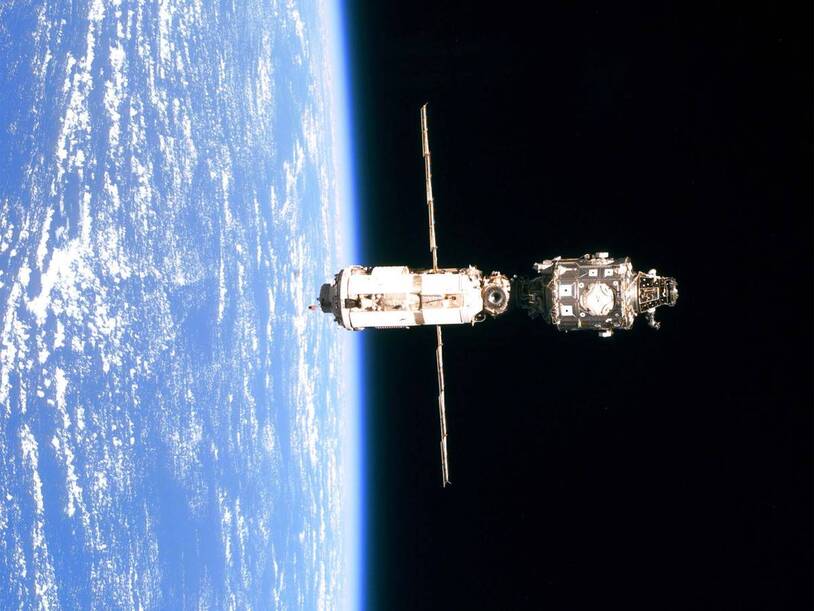
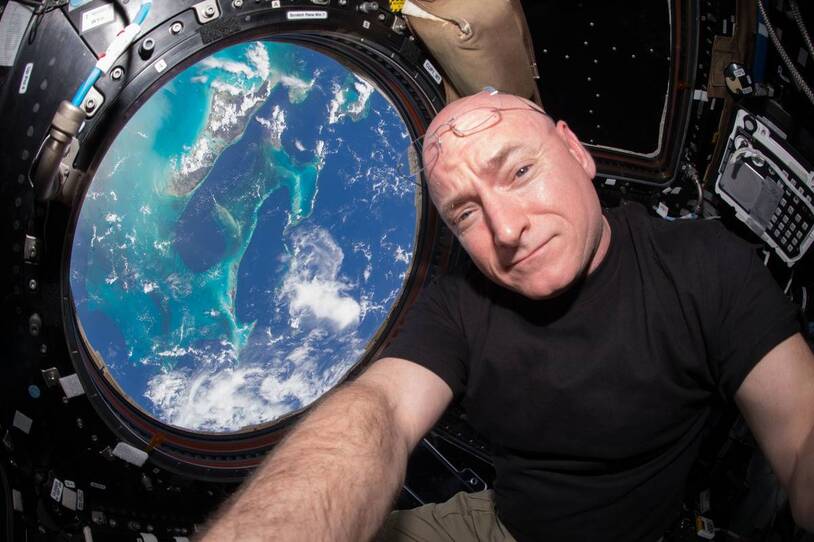
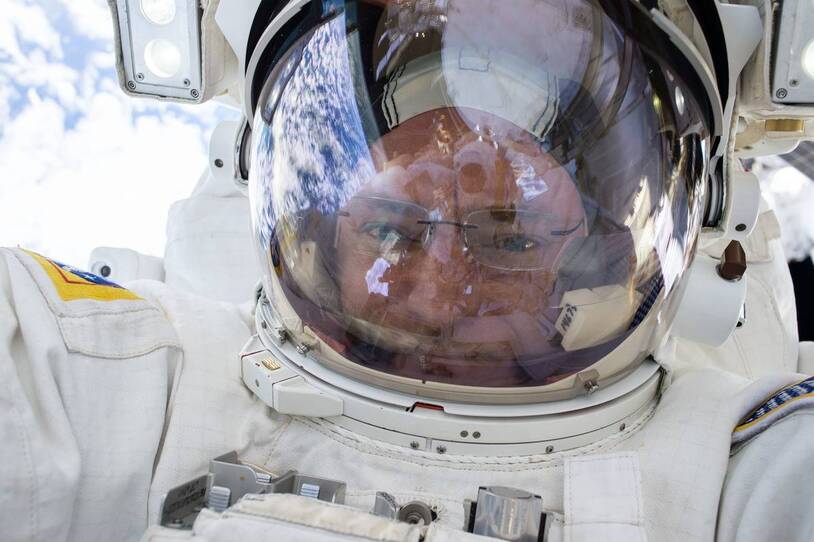
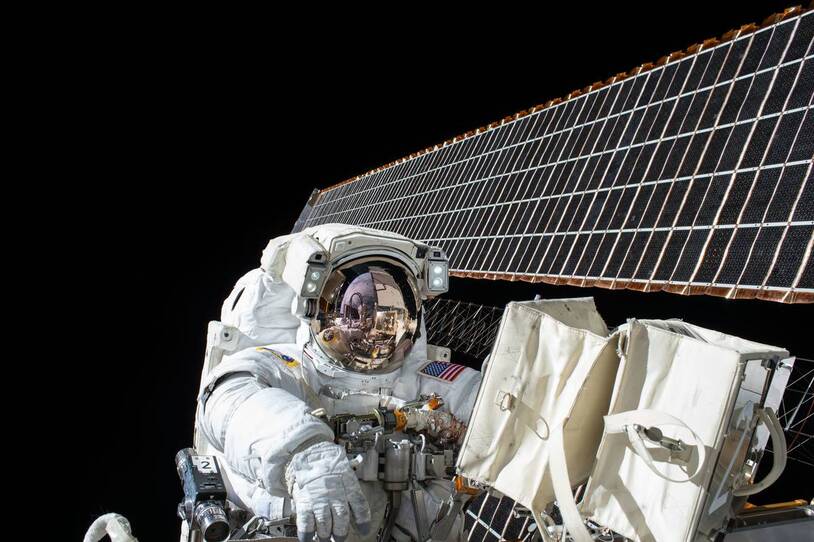
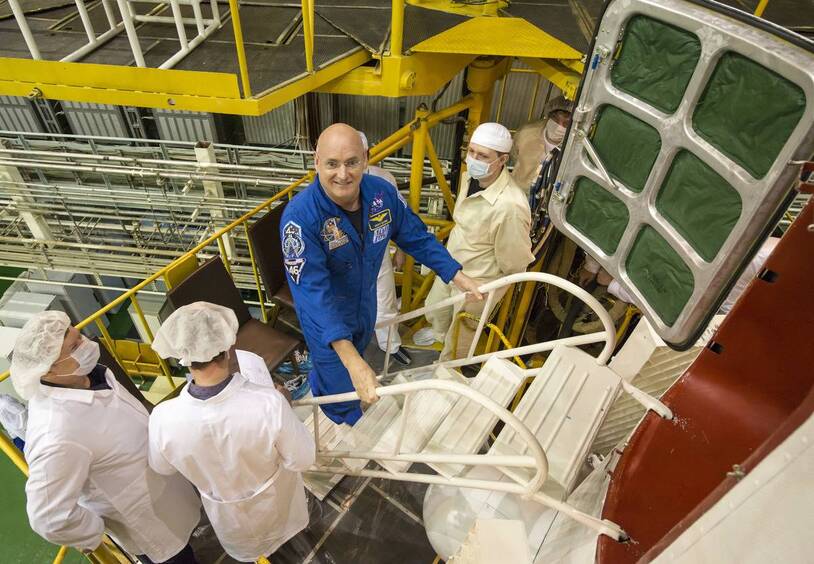
Images from the mission show the practical setting: equipment, exercise, experiments and the view of Earth. They make the extended stay less abstract. They also show why the work involved much more than floating in a room while scientists waited for a result.
The original gallery accompanies this account as an archive of the subject. Not every space image shows the Twins Study itself, and an illustration of DNA is not a picture of Scott's own genetic results. Those limits belong with the visual story too.
The Results Were Published, Not Revealed All at Once
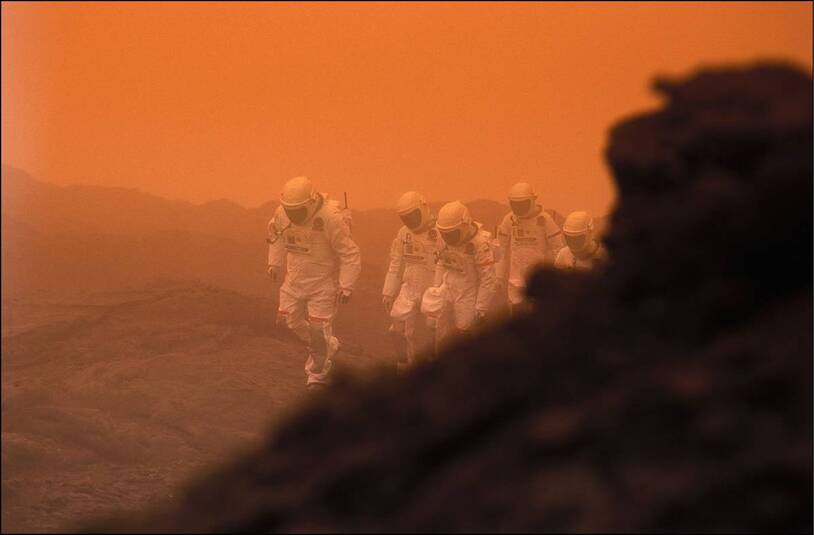
Preliminary findings circulated before the integrated 2019 paper. Some early reports blurred gene activity, sequence changes and epigenetic regulation. Reading the final work alongside those reports helps explain why apparently simple claims about a percentage of changed DNA caused confusion.
Research often develops through that sequence of early observations, analysis and a fuller publication. A responsible retrospective should reflect the later evidence rather than preserve an inaccurate early description because it makes a stronger headline. The complete study is already striking without needing an invented transformation.
What the Mission Left Researchers With
The Twins Study showed a body adapting to an extraordinary environment and recovering from many, though not all, measured changes. It also supplied methods and specific questions for future missions. Those contributions are more useful than an unsupported claim that space made Scott a different person.
For readers, the story offers an unusual look at how scientists connect molecular measurements with everyday human performance. For future crews, its importance lies in what can be investigated, monitored and improved. One brother's year in orbit opened a field of questions that one twin pair could never be expected to close.
NASA: the integrated 2019 findings
NASA: Twins Study results explained
NASA: frequently asked questions
NASA: Twins Study background and findings
NASA: One-Year Mission and Twins Study design
Science: the original integrated study
Johns Hopkins: epigenetic findings
Northwestern: microbiome findings