Care Doctor
Blue Dragons on the Beach: The 2024 Texas Warning and Sting Advice Rechecked
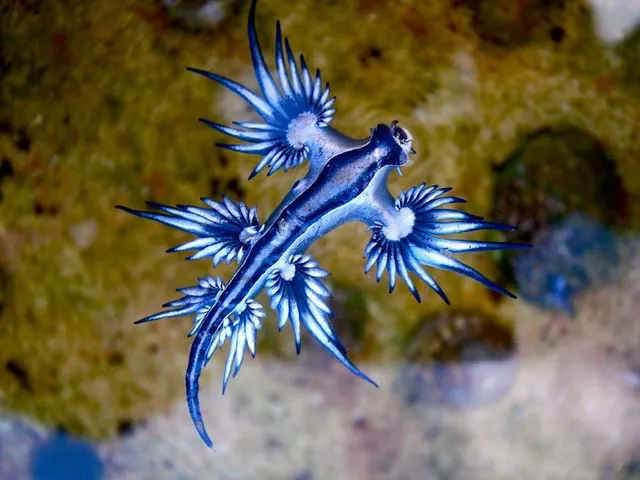
Leave the blue dragon on the sand
If you spot a blue dragon on the beach, don't pick it up for a better look. Take a photograph where it lies. That was the advice Jace Tunnell of the Harte Research Institute gave Texas spring breakers in a March 7, 2024 interview with Inside Edition. He urged people to admire the animals from a distance without touching them.
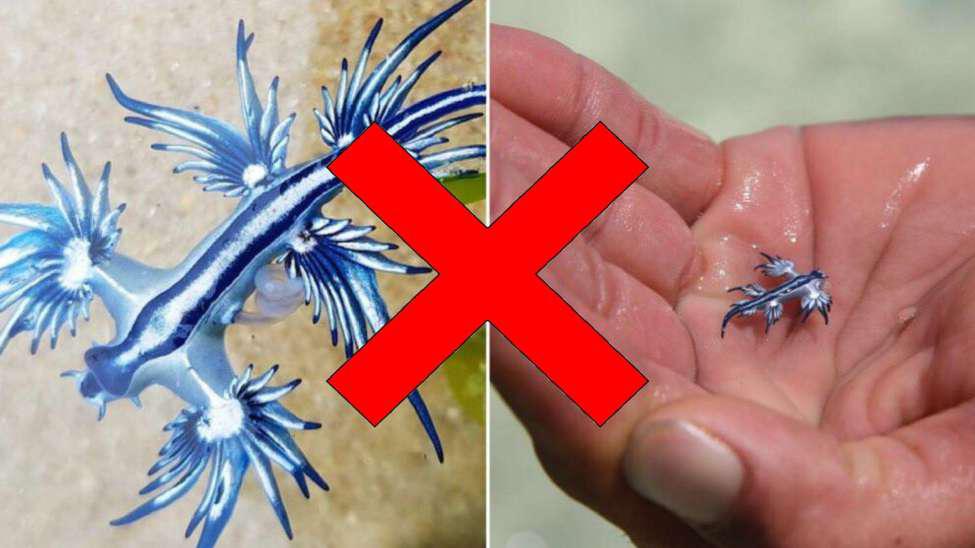
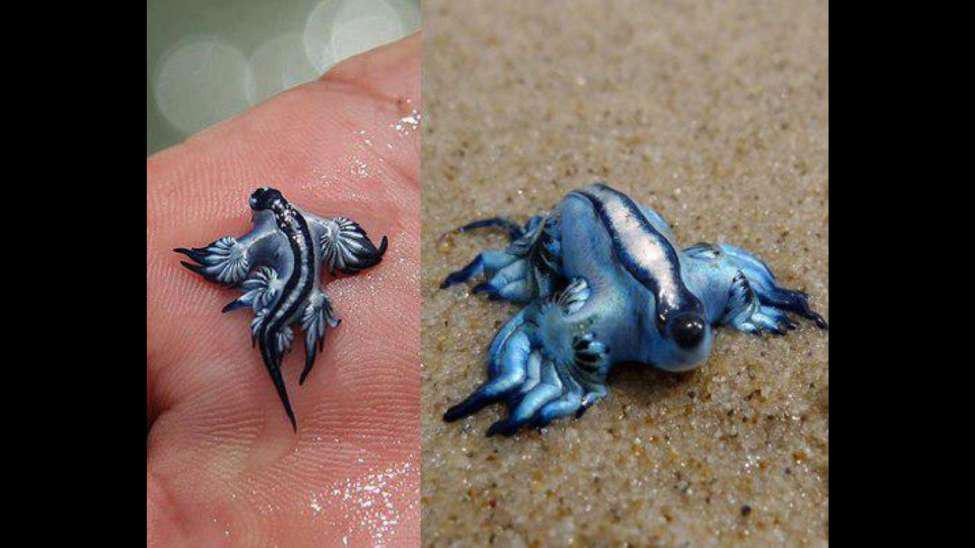
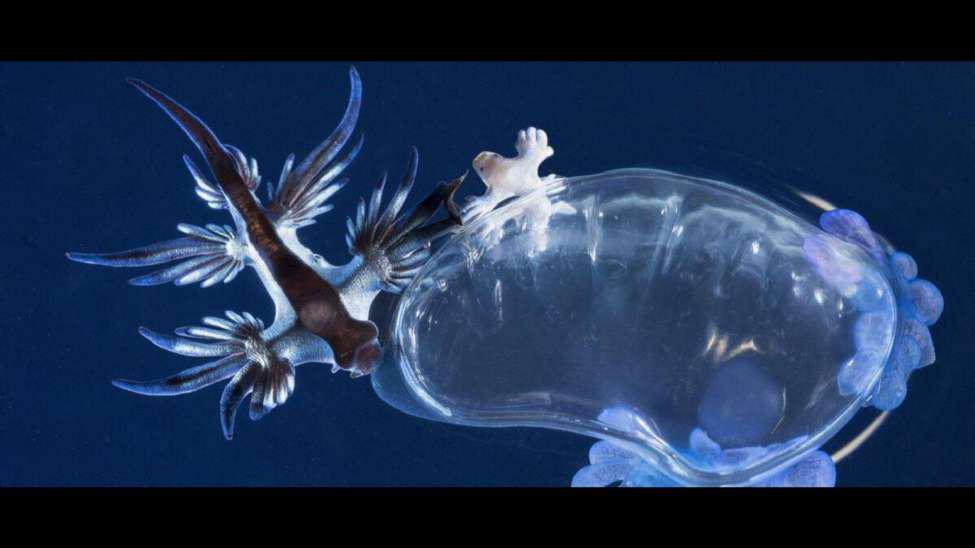
You can see the appeal. There's a narrow blue body with little branches spreading out on either side, all belonging to a creature roughly an inch long. It looks delicate, and it is soft-bodied, with no protective shell. This is Glaucus atlanticus, a sea slug, or nudibranch. An inch isn't its maximum size: dermatologist Patrick Thomas Ottuso's May 2009 review in Cutis describes the species reaching 35 to 40 millimeters.
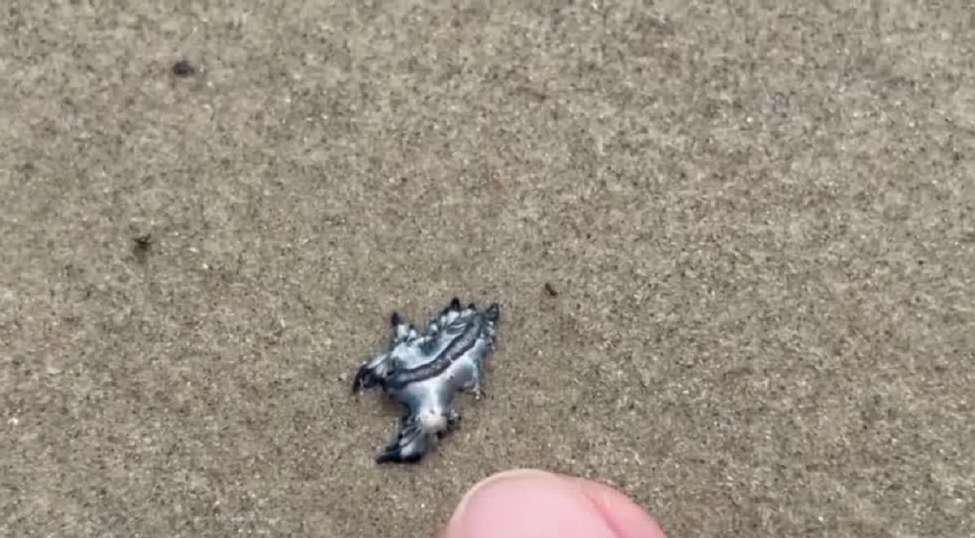
The branches have a name, cerata, and their tips hold something you wouldn't know was there just by looking. Blue dragons eat Portuguese man-of-war tentacles. Some of the prey's stinging structures survive that meal and are kept in sacs at the ends of the cerata. Called nematocysts, these structures contain venom and can still discharge. The slug uses them for defense.
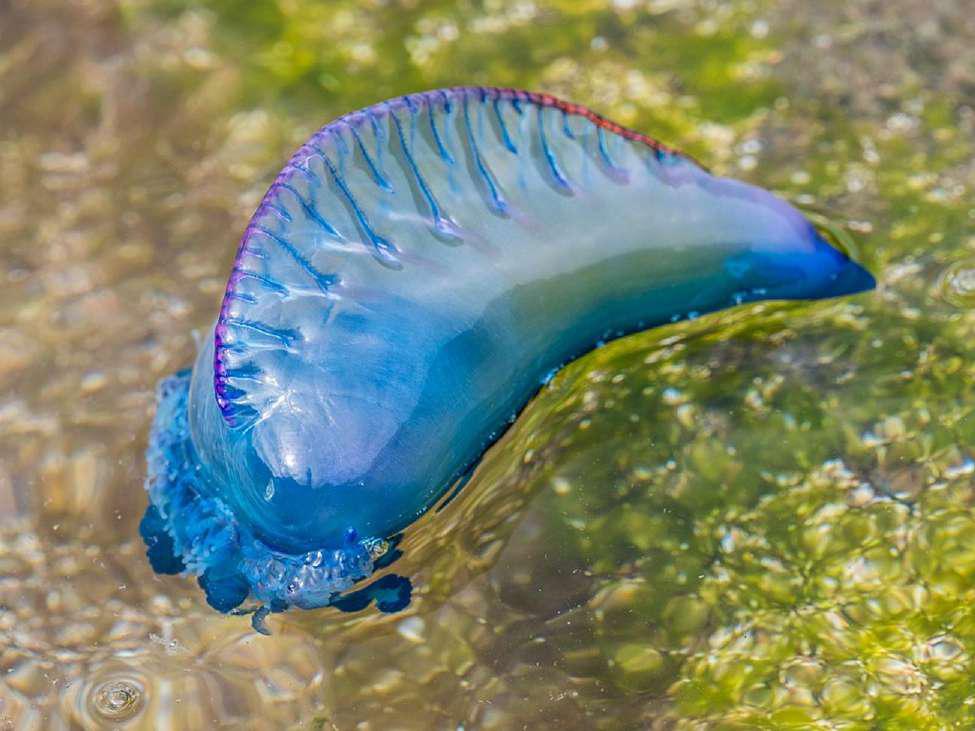
Contact with your skin can make those structures fire and deliver venom. It does mean you shouldn't use its small size as a reason to handle it. There's no way to judge how painful an encounter will be from how pretty the animal looks.
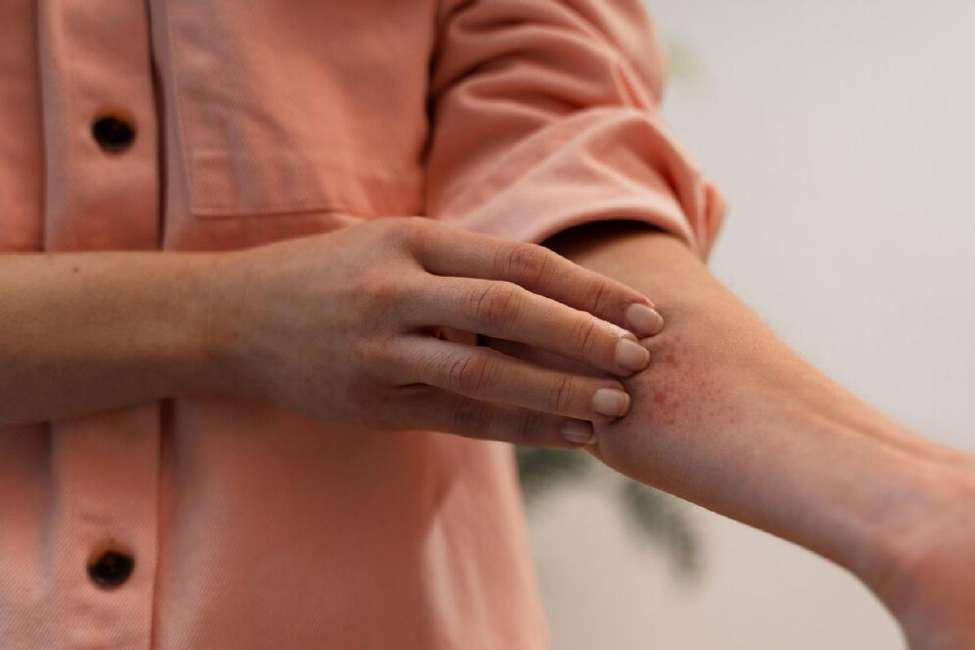
Ottuso's review describes burning, redness and raised itchy bumps after contact, sometimes with blisters. Skin may stay darker after the inflammation has settled. These are possible reactions, so you shouldn't expect everyone to have the same symptoms. The review also describes a resemblance to man-of-war stings, but without the long lines of welts often left by their tentacles.

Out at sea, that blue coloring helps the slug hide. It floats upside down at the surface, partly supported by a gas bubble in its stomach. The Australian Museum's account explains that the blue side faces the sky, concealing it from birds above. Its silvery gray side faces down, helping it blend in when fish look up from underneath. Winds and currents carry these floating animals along; onshore winds can bring them to the sand.
Leave the animal alone and get help with a sting

The same March 2024 Inside Edition report included marine biology student Julian Obayd's account of being stung in Australia. He described intense pain, and the outlet reported multiple sting marks. His account gives us one person's experience of the pain, rather than a measure of how everyone will react. The interview didn't establish a Texas hospitalization count.
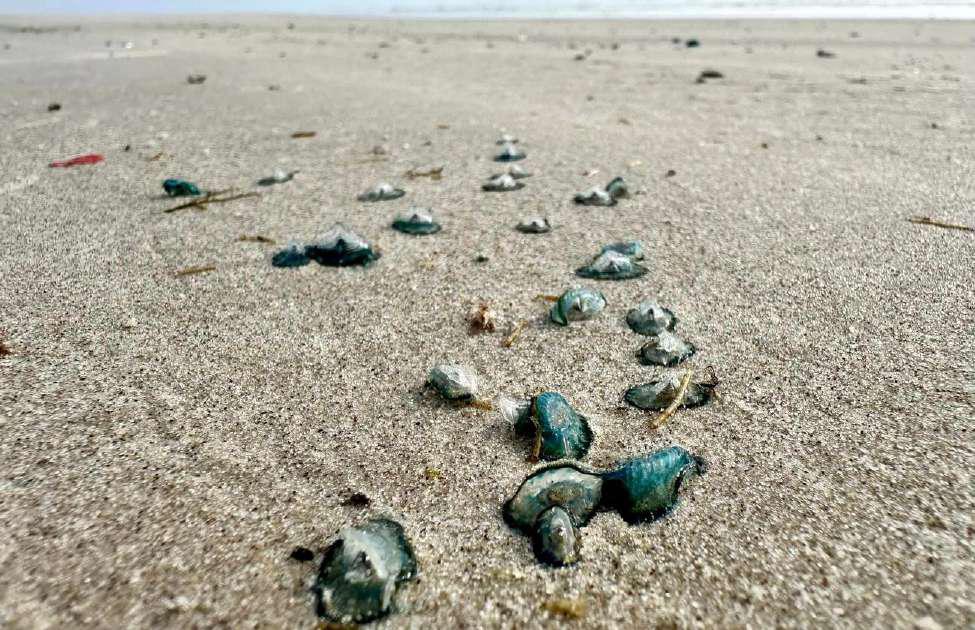
Finding a blue dragon on a beach also doesn't mean it came up from the ocean depths. The Australian Museum's species account describes animals drifting at the surface alongside man-of-war and other floating marine life. Days of wind blowing toward land can carry them onto beaches. A creature that normally lives offshore can therefore turn up where you're walking along the sand. They can wash up with the other floating animals they live alongside offshore.
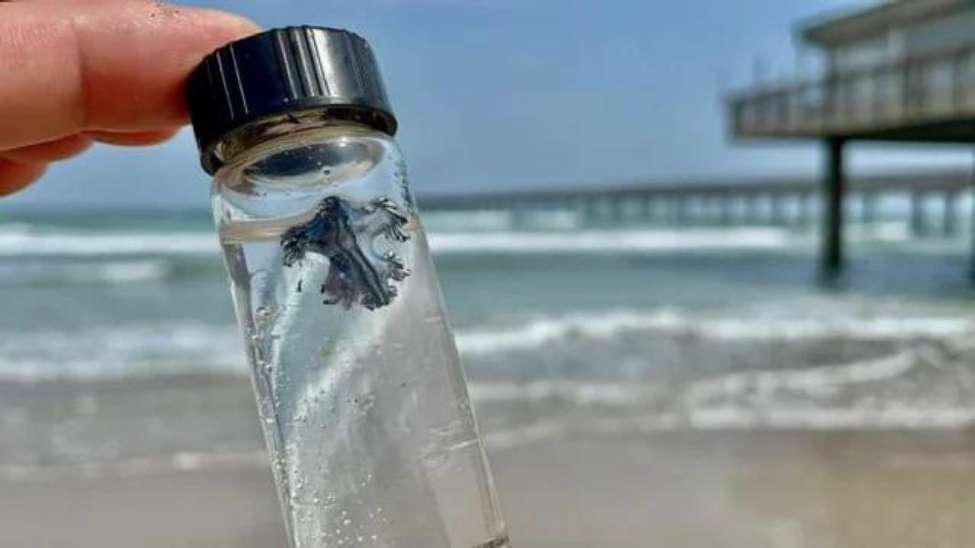
For a closer look, use your camera and leave the animal where it is. A photograph of somebody holding one isn't a reason to copy them. Tunnell's spring-break warning was given in 2024. For a visit now, you'll need information about the beach you're actually going to. Check its posted notices and ask a lifeguard about local conditions. If you're with children, explain that unfamiliar animals on the sand should be left alone.
If contact does happen, get advice from a lifeguard or Poison Control instead of testing beach remedies. In the United States, the poison-center number is 1-800-222-1222. Tell them what you touched, where you were stung and what symptoms you're having. Don't rub sand over the area or urinate on it. Urine isn't an effective jellyfish-sting treatment either; California Poison Control advises against that folk remedy.

Vinegar needs more care than the old advice suggests. Poison Control's jellyfish guidance explains that it can help with some species and worsen other stings. That guidance concerns jellyfish, so it shouldn't be turned into a guaranteed treatment for every blue-dragon encounter. Likewise, California Poison Control says hot-water immersion can help some jellyfish stings, with results varying by species. Get advice about the sting you have before choosing a treatment, rather than assuming one remedy works for all of them.
Seek medical care for severe pain or a sting in or near an eye or the mouth. Trouble breathing, wheezing, chest pain, or hives away from the contact site warrant an immediate 911 call under Poison Control's general jellyfish-sting advice. Don't wait to see if a home treatment works when those symptoms appear.