Care Doctor
A Safer Beach Day: Sun Protection, Small Pools and Practical Packing

A towel with pockets can make a beach trip easier. A homemade sunscreen recipe can leave you without reliable protection. Both turn up in collections of beach hacks, so it helps to separate a handy packing idea from advice that affects your family's health.
You don't need a complicated setup. Start with sunscreen, shade and a clear plan for watching children, then add the little conveniences that suit your group. These ten ideas keep the practical spirit of a beach day while giving the safety questions the attention they need.
Buy sunscreen with a tested label
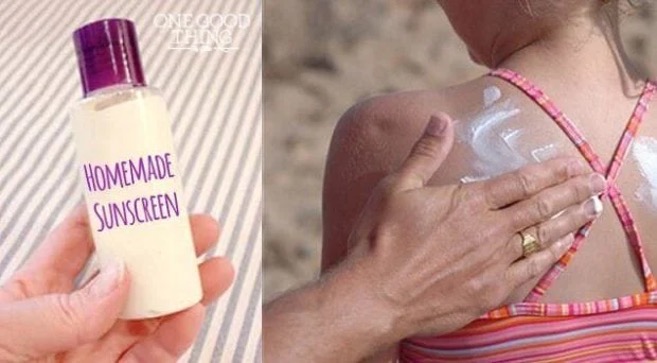
Skip the mixture of diaper cream, oils, beeswax and fragrance sometimes promoted as homemade sunscreen. The American Academy of Dermatology warns that homemade sunscreens haven't undergone the testing required of commercial products. Choose a broad-spectrum, water-resistant sunscreen with SPF 30 or higher, as the academy recommends, and follow its label. Reapply about every two hours outdoors and after swimming or sweating, following the directions. Keep hats and protective clothing in the bag, too. For babies younger than six months, prioritize shade and clothing and ask their clinician about sunscreen.
Cool a sunburn without frozen cubes
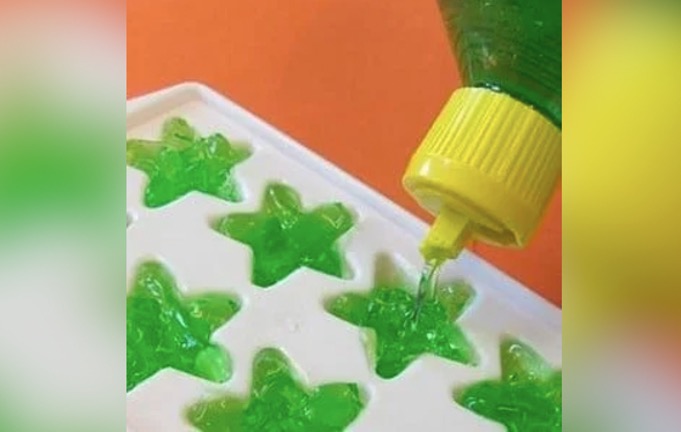
Frozen aloe shapes may look soothing, but don't press ice or a frozen pack against sunburned skin. NHS sunburn guidance recommends getting out of the sun, using a cool shower, bath or damp towel, and applying an unperfumed moisturizer. Aloe-containing moisturizer is another option recommended by dermatologists. Comfort measures don't undo sun damage or make it time to head back into direct sunlight. Seek prompt medical advice for blistering or swollen skin, sunburn with fever or dizziness, or a sunburned baby or young child. Don't pop blisters.
Rinse sand away before the ride home
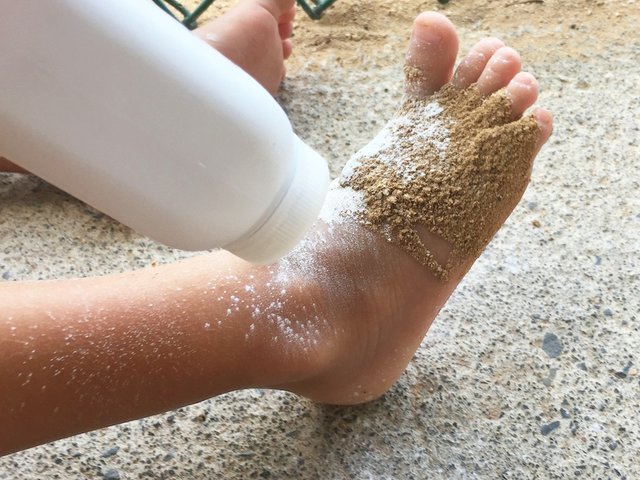
A bottle of rinse water and a spare towel can make the trip back to the car more comfortable. Use a beach rinse station if one is available, then brush or pat away remaining sand gently. Skip the baby-powder cloud, especially around children. The American Academy of Pediatrics warns that inhaled talcum powder can damage babies' lungs. Rinsing avoids that exposure altogether. Keep a separate bag for wet towels and sandy clothes so you can change without spreading everything across the car seats. You can finish the cleanup at home.
Use a sheet as a place to sit
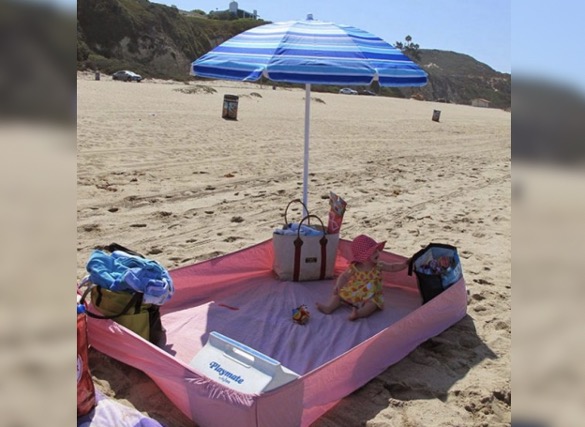
A fitted sheet with its corners propped up can mark out a sitting area for toys and towels. Treat it as an organizing trick: it doesn't keep a child from reaching the water or guarantee that sand stays out of little mouths. Put it where you can watch the children and keep the area clear of loose cords or objects they might trip over. A fabric edge isn't a safety barrier. Bring a separate sunshade, and don't turn a sheet into an enclosed place for a baby to sleep.
Treat a small pool as real water
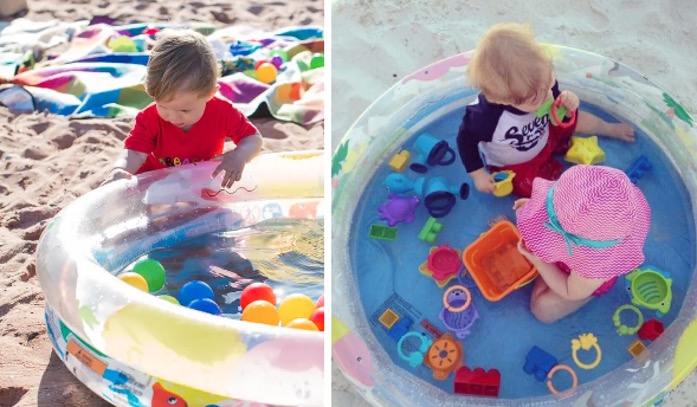
An inflatable pool still needs constant adult attention. CDC guidance on kiddie pools warns that drowning can happen quickly and quietly, and the adult watching children should avoid distractions such as a phone. Keep children with diarrhea or vomiting out, and don't add chlorine or bromine to a small pool without a filtration system. Check beach rules before bringing one, use clean water and empty it after use. Rinse away dirt and let it dry. A bucket of water also needs to be emptied when playtime ends.
Give small items their own pockets
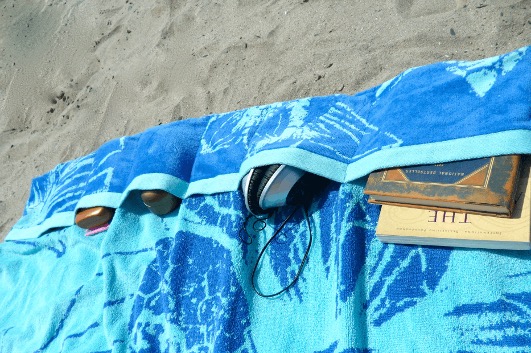
A towel pocket can hold a book, sunglasses or another light item while you're sitting on the sand. If you sew one yourself, check that the stitching holds before putting anything valuable inside. Keep the pocket's limits in mind: ordinary towel fabric isn't waterproof, and a damp towel won't protect a phone. A separate closed pouch is more practical for things that need to stay dry. Have children carry only what they can manage comfortably, leaving an adult responsible for keys and anything the group needs to get home.
Pack a small, usable supplies kit
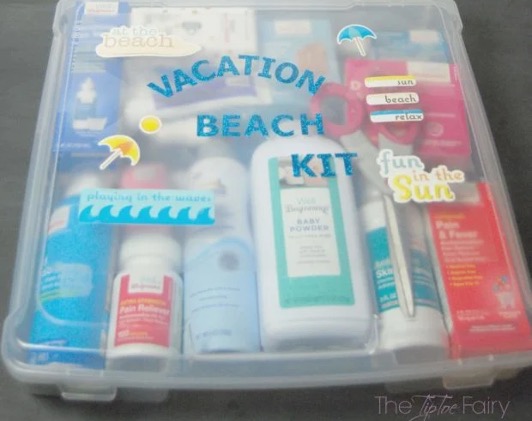
Keep the essentials together so you aren't searching several bags for a clean bandage. Pack basic first-aid supplies, drinking water, spare clothes and any medicines your family already needs, stored according to their labels. Include the original instructions rather than transferring medicines into an unmarked pot. Check the kit before leaving, especially if it has been sitting in the car since the last trip. Know where the lifeguard station or help point is. A packed kit is useful, but it doesn't replace getting help when someone is injured or unwell.
Choose a recognizable valuables pouch
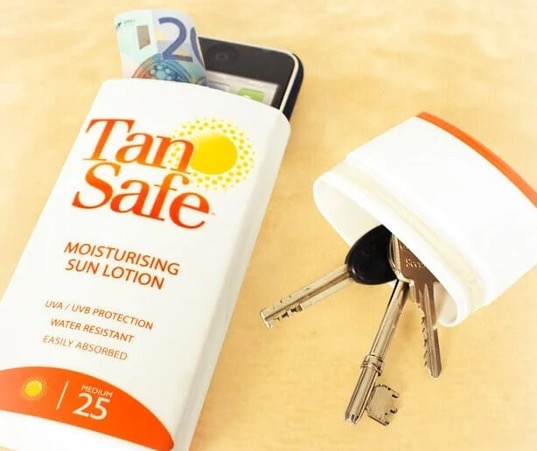
A bottle-shaped hiding place may seem clever until someone mistakes it for lotion or throws it away. Put keys and money in a container everyone responsible for them can recognize, and keep medicines and toiletries in their own labeled packaging. Check a waterproof pouch's instructions before relying on it near water. No container guarantees that valuables won't be lost or stolen. Carry only what you need, agree who has the keys, and avoid leaving something essential tucked into an otherwise ordinary pile of beach towels.
Bring quiet activities as well as games
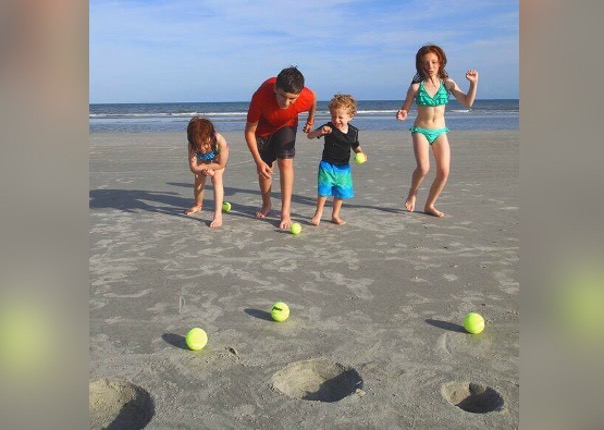
Some children want to splash; others would rather sit with a book or build something in the sand. Bring a couple of choices so taking a break doesn't become another argument. Pick a playing area clear of swimmers, passing people and other families' setups, and pause a game if the space gets crowded. Keep the adult watching the water separate from whoever is organizing a game or settling a disagreement. Activities can make time out of the water enjoyable, but children still need sun protection while they're playing on shore.
Set up shade that suits the conditions
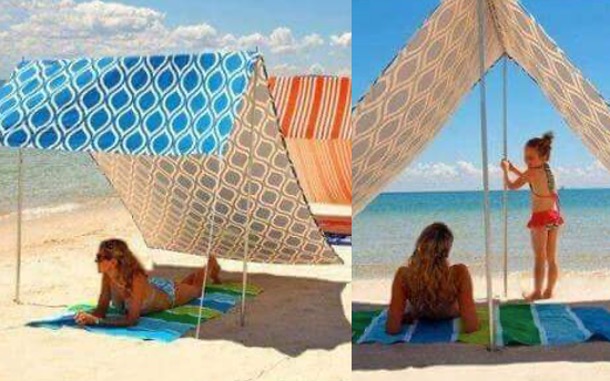
Check local rules before bringing an umbrella or canopy, then use the equipment's own instructions for setup and anchoring. A towel balanced on poles isn't a dependable substitute for a properly designed shelter. If the wind makes the setup unstable, take it down and choose another place to rest. Remember that shade is part of sun protection alongside clothing and sunscreen; it isn't a reason to forget them. Keep drinking water accessible, leave room for everyone to sit, and plan an easy way to pack up when the group needs a break.