Care Doctor
20 Familiar Cleaning Tips, Rechecked for a Safer Home
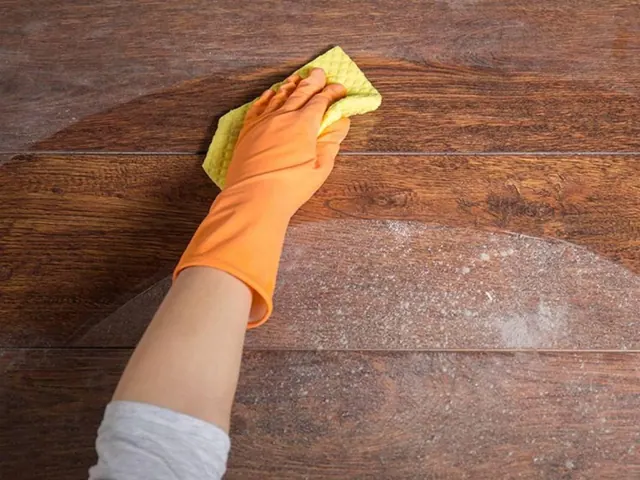
A pillowcase over a dusty fan blade is a useful idea. Toothpaste on a scratched window needs more caution. Household tips passed around as grandma's wisdom can mix practical shortcuts with promises that don't hold up for every surface.
Before you start, check the item's care instructions and test any permitted cleaner in a hidden spot. The CDC's cleaning guidance says soap and water can remove most germs in many everyday situations; disinfecting is a separate task. Never combine bleach or other disinfectants with another cleaner. Follow the label, ventilate the room and keep products away from children. These twenty familiar tips are worth sorting through before you try them.
1. Clean glass without trying to polish away a scratch
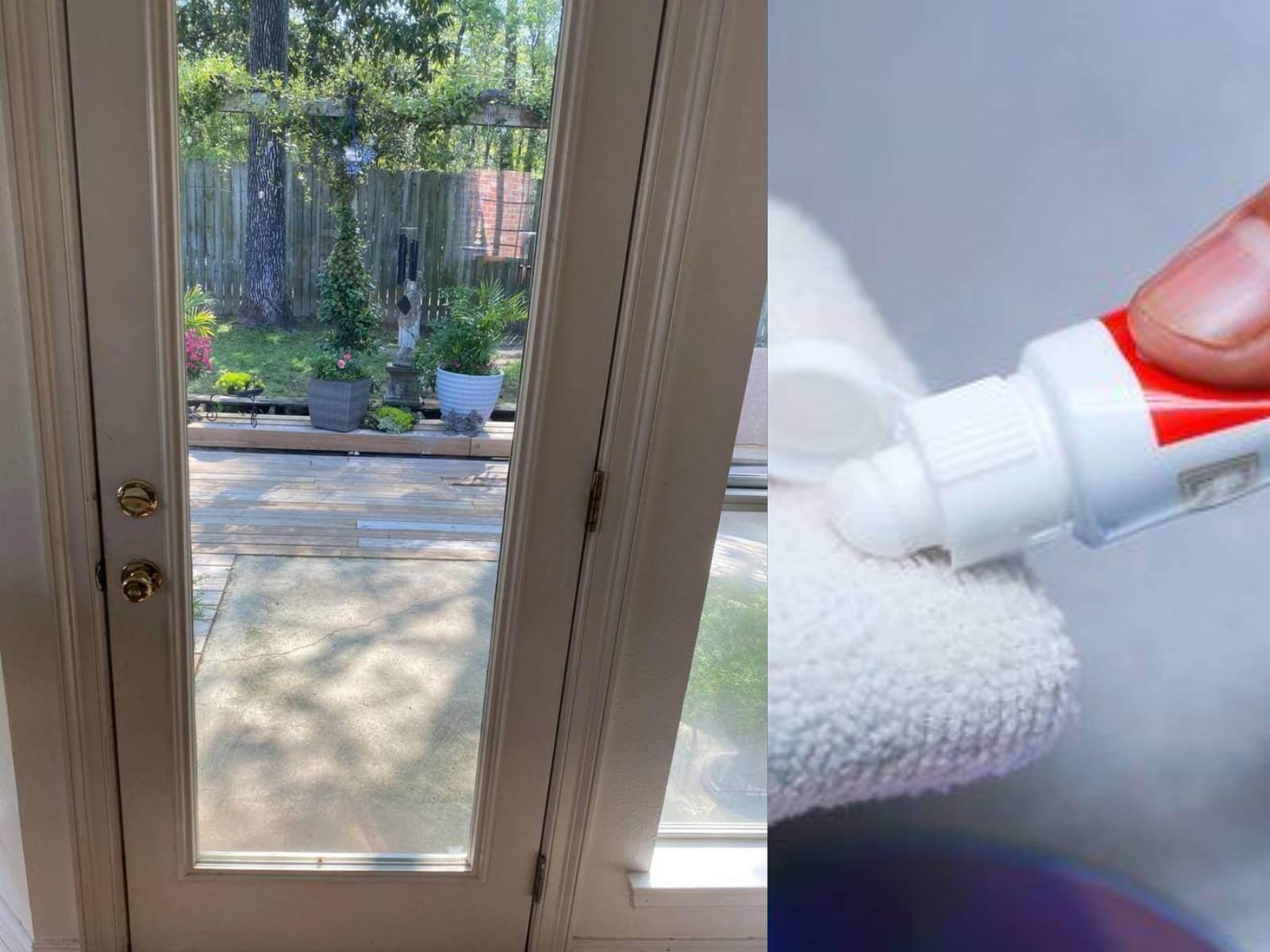
A cloudy mark and a scratch aren't necessarily the same problem. Clean the glass with a product approved for that window or mirror, using a soft cloth. Pella's instructions warn against scraping glass with a razor blade. Don't assume a dab of toothpaste will erase actual damage, especially on coated glass. If a mark remains, ask the manufacturer about repair instead of rubbing harder with an improvised abrasive.
2. Match rust treatment to the metal
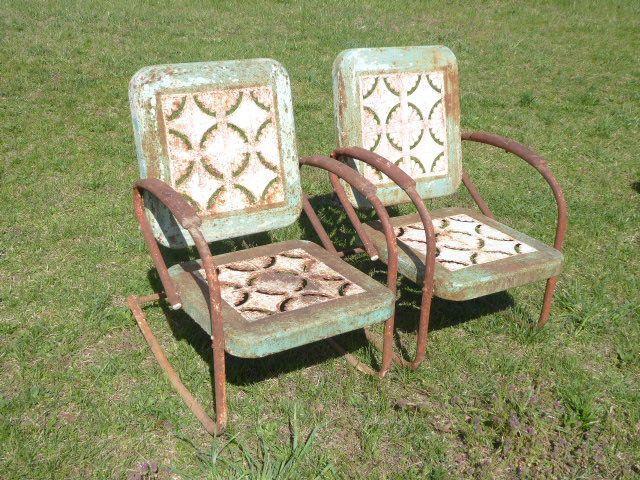
A rusty garden chair needs a different approach from a delicate plated ornament. Skip the promise that lemonade powder will make rust disappear. Identify the material and finish, then choose the treatment its maker recommends. Old painted furniture can need more than surface cleaning, so avoid sanding an unknown coating without appropriate advice. A food ingredient isn't a substitute for knowing what you're working on.
3. Wash painted walls gently
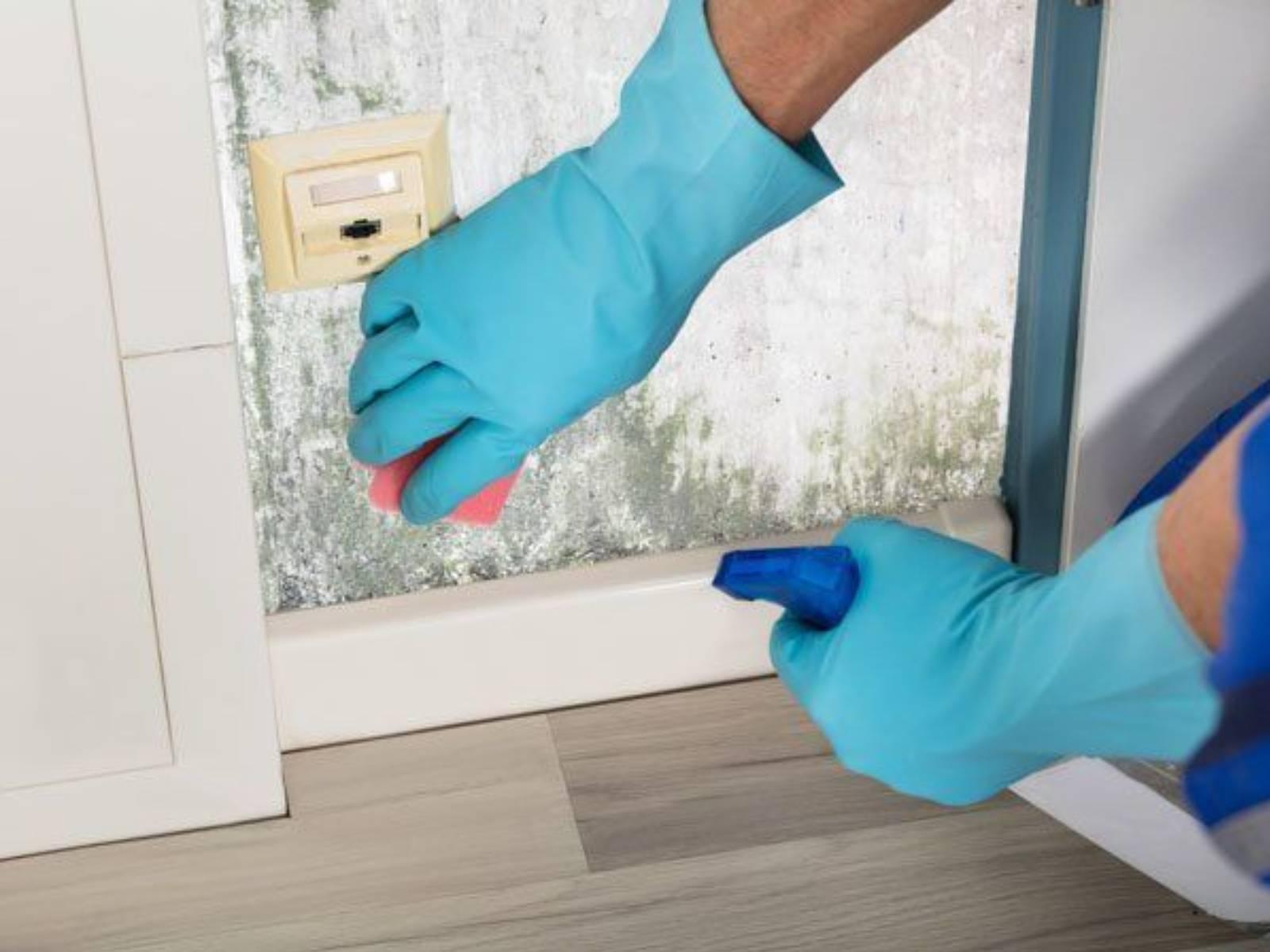
Source: Pinterest — Archive illustration, not proof of safe mold cleanup or electrical safety.
Dust first, then follow the paint maker's cleaning directions. Sherwin-Williams recommends a soft cloth or sponge with mild soapy water, followed by a damp rinse, and warns against using too much water. Try a hidden patch before tackling a visible mark. Flat paint needs particular care. Don't soak the wall or scrub around electrical fittings, and don't treat visible mold as an ordinary paint stain.
4. Turn a pillowcase inside out
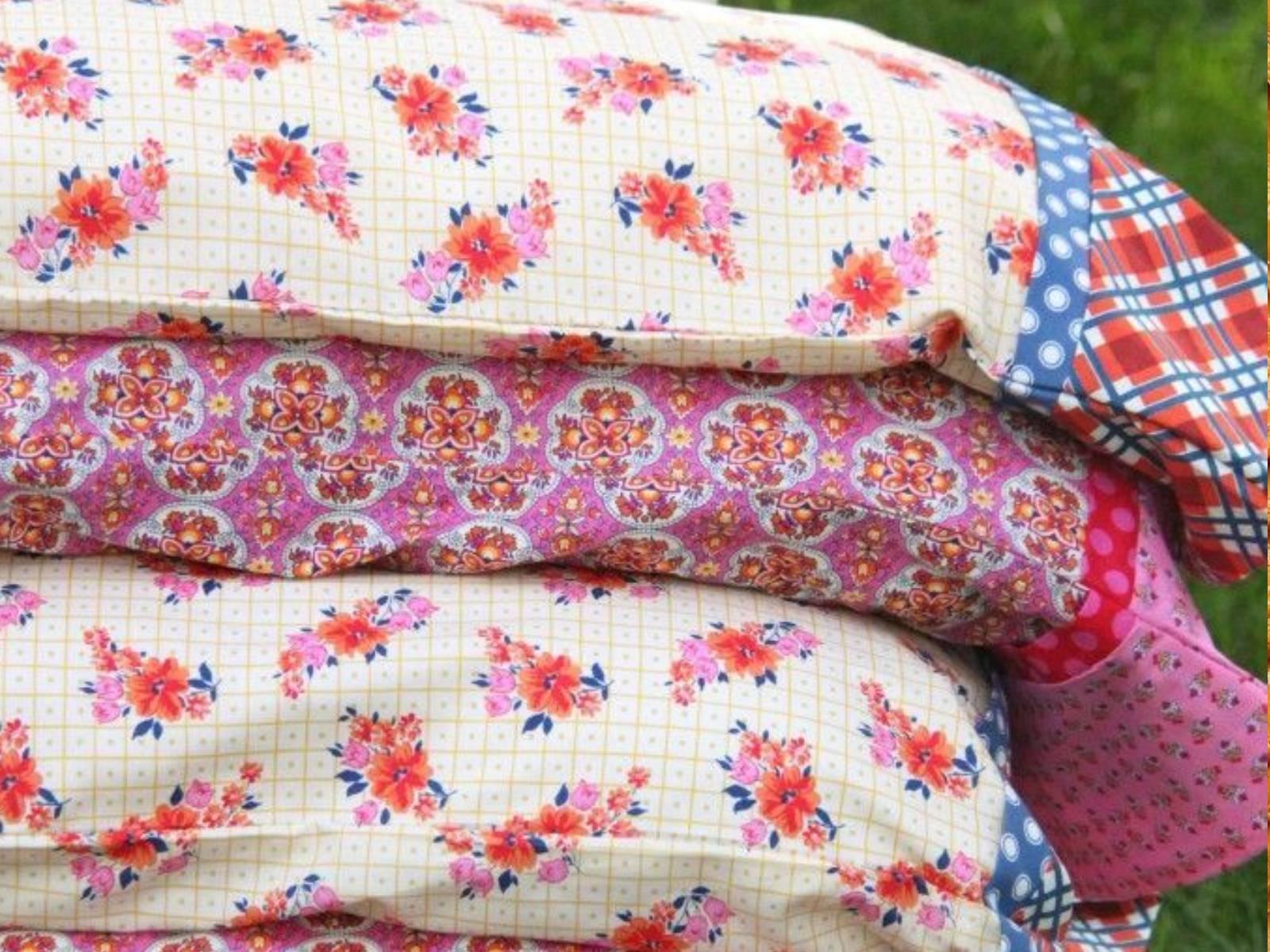
For a fresh pillowcase, try turning it inside out, reaching inside to hold the two far corners, then taking hold of the pillow's corners. Pull the fabric over the pillow and straighten it. This is a way to put the cover on, not a cleaning treatment. You can keep using whichever method is comfortable for you; there's no need to wrestle with a heavy pillow to follow a household trick.
5. Ease gum out of hair
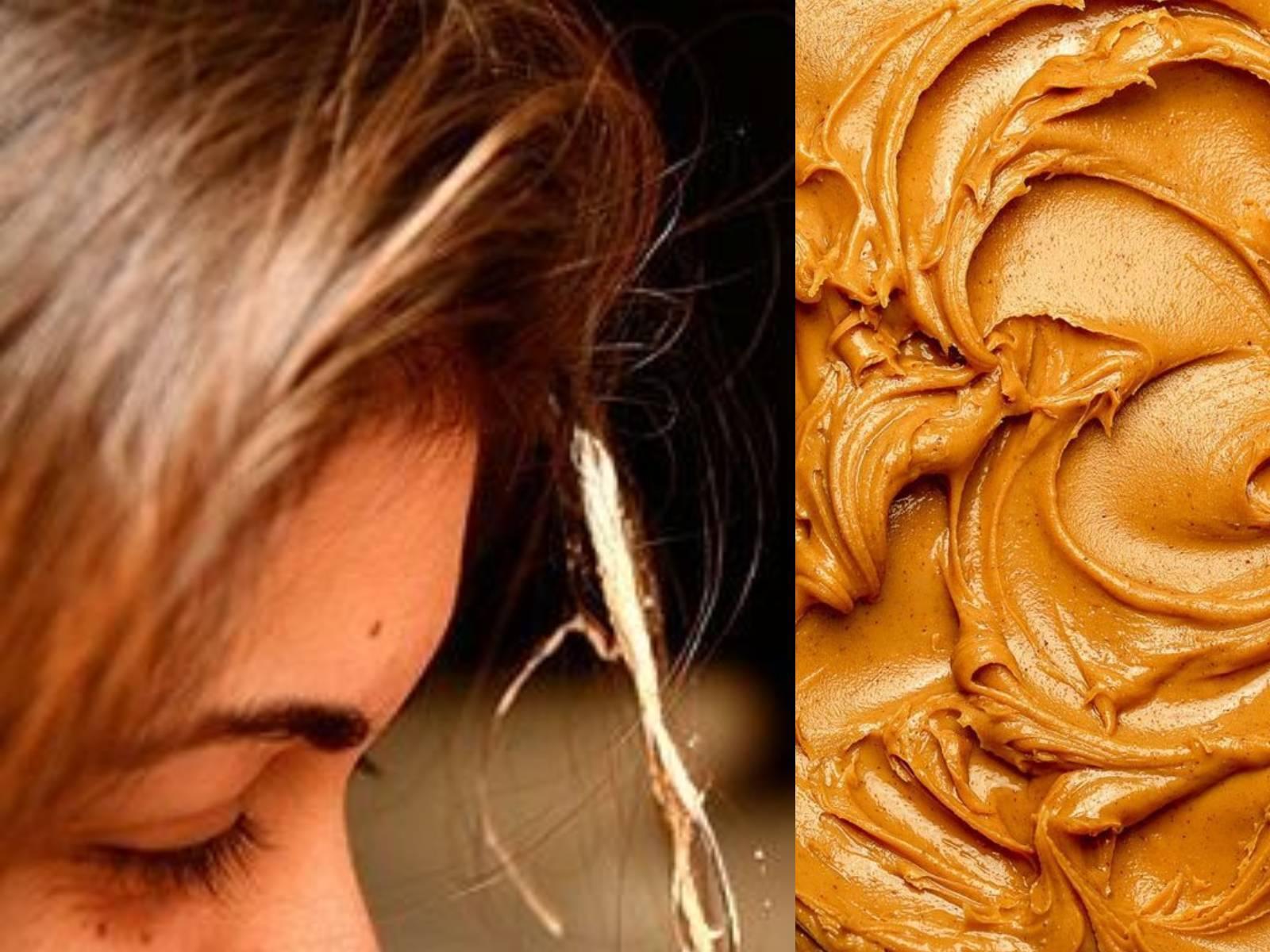
The American Academy of Dermatology describes using creamy peanut butter or vegetable oil to help remove chewing gum. Cover the gum, give it a few minutes, gently remove it and wash the hair afterward. Choose an option appropriate for any allergies, and avoid tugging at the scalp. If the gum won't come free or the skin is irritated, stop and ask a dermatologist rather than reaching for a harsh household solvent.
6. Keep washable cloths handy
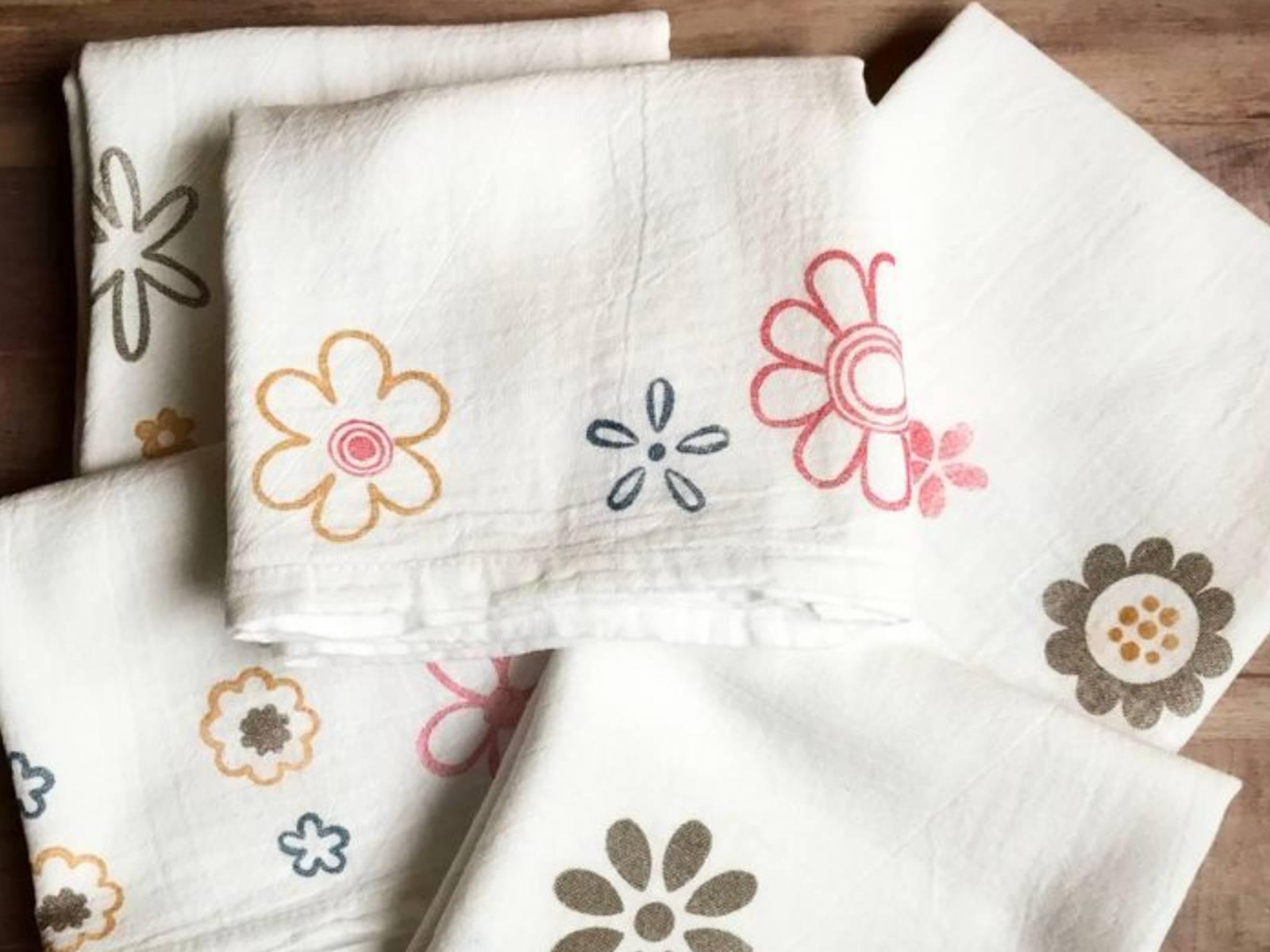
A stack of reusable cotton cloths can be useful for wiping surfaces. Choose a clean one for the job and wash it according to its care label afterward. A cloth that has picked up grime shouldn't move straight to a food preparation area. Flour sack towels aren't automatically stainproof, cheaper in every household or suitable for every spill. Reuse depends on cleaning and drying them between jobs.
7. Check brass before reaching for ketchup
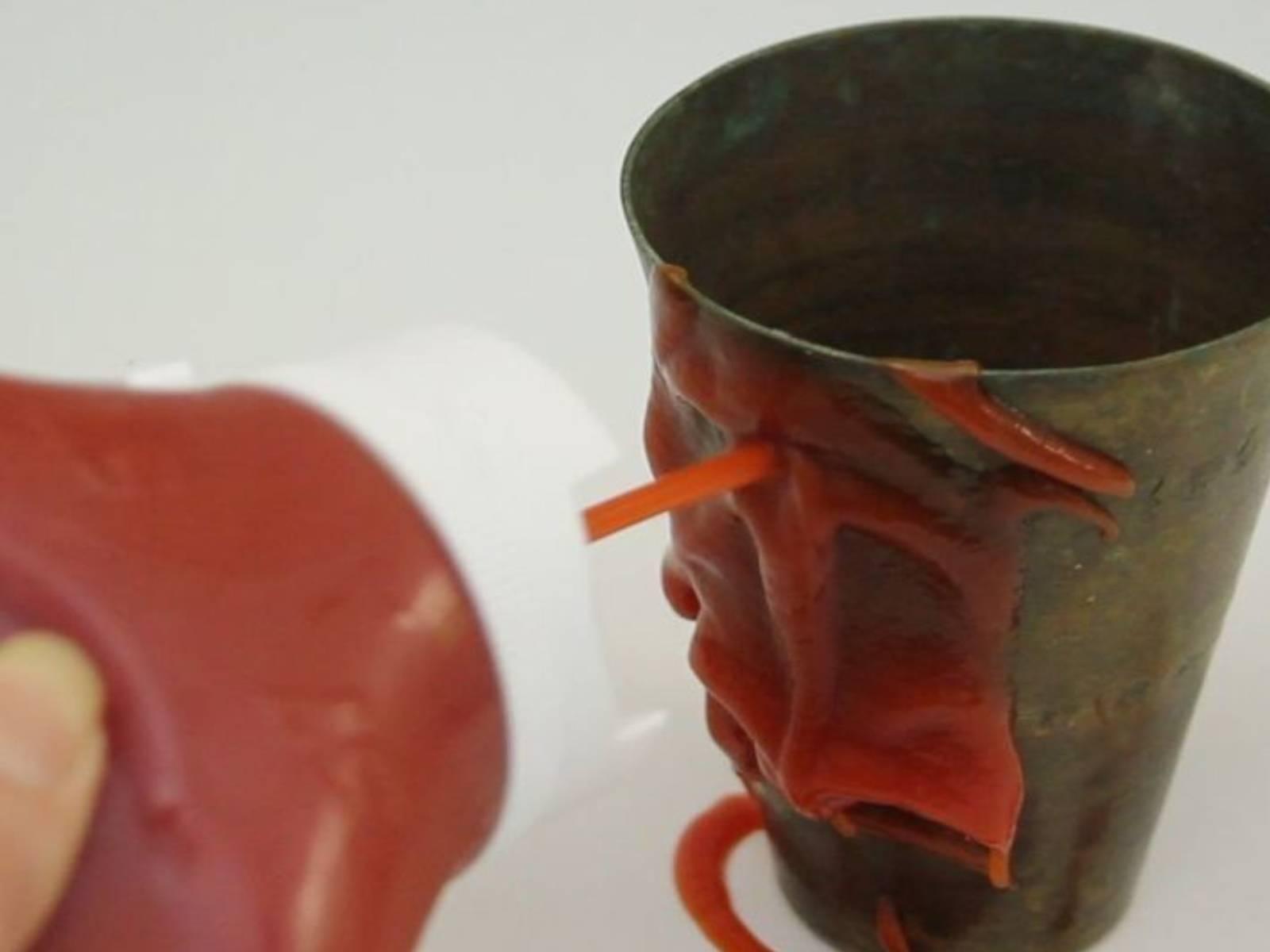
A brass-colored handle may be plated, lacquered or made from a different metal. Don't cover it in ketchup simply because it looks dull. The Canadian Conservation Institute distinguishes cleaning from polishing, which removes tarnish and some surface metal. Follow the object's care instructions and get specialist advice for an antique. A finish that looks old isn't necessarily damage that needs to be polished away.
8. Use a soft cloth for dust
For a surface that tolerates it, a lightly dampened cloth can pick up loose dust. Keep it damp rather than dripping, and change to a clean part as you work. Antique or fragile finishes may need dry cleaning instead; the Canadian Conservation Institute recommends care suited to the finish. Don't spray liquid straight onto electronics, sockets or furniture joints. Check the item's instructions before adding water or a cleaning product.
9. Catch fan dust in a pillowcase
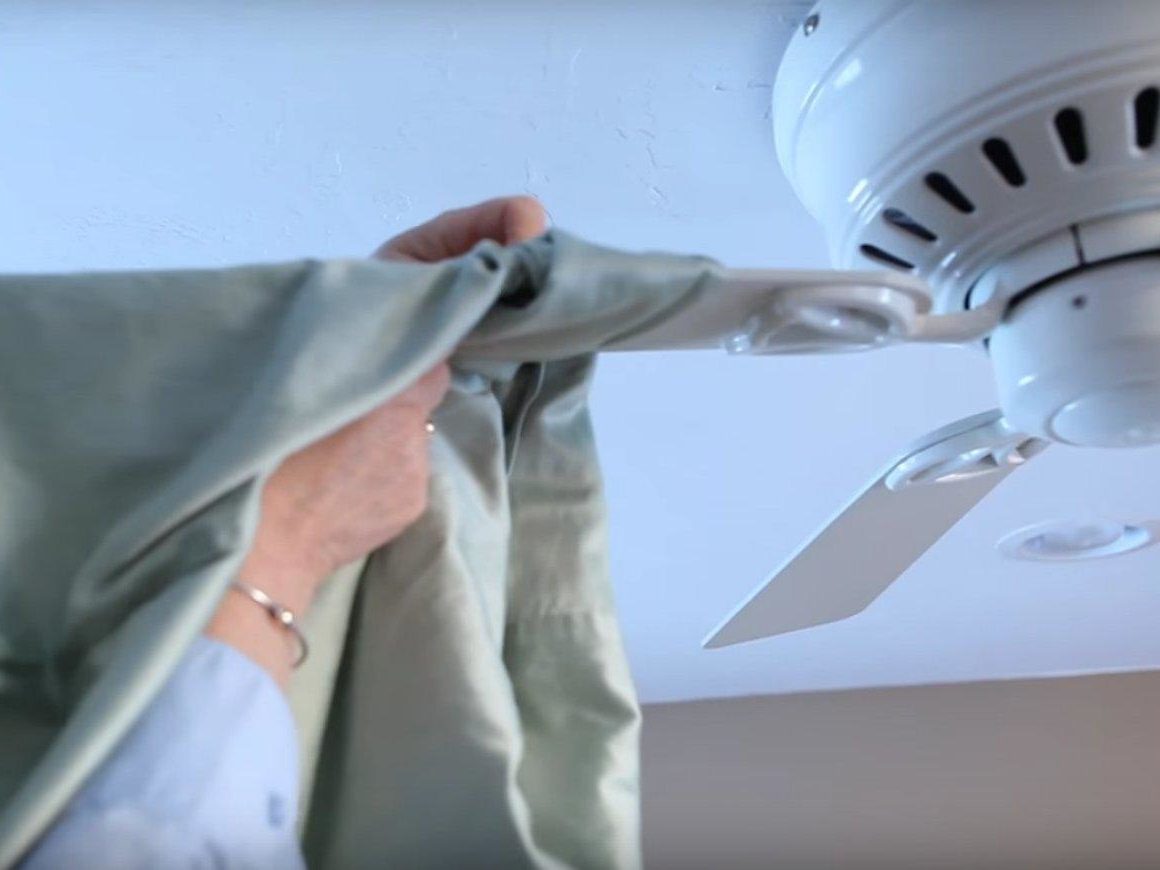
Turn the ceiling fan off and wait for the blades to stop. If you can reach them safely, slip a large pillowcase over a blade and draw it back gently, collecting dust inside. Hunter describes this method and cautions against heavy pressure that could damage or unbalance a blade. Use stable access equipment and the fan's care instructions. Leave a high or awkwardly positioned fan to someone who can reach it safely.
10. Choose a pan-safe scrubber
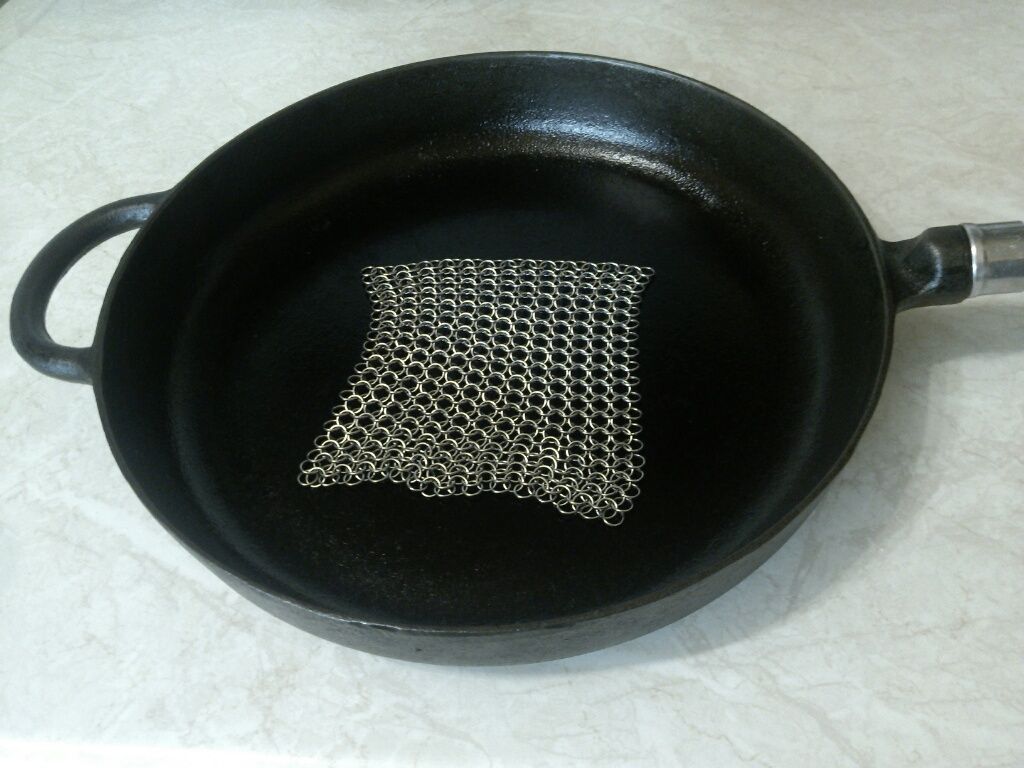
A metal scrubber isn't suitable for every pot. Check the cookware's instructions before using one, especially on nonstick coatings. All-Clad warns that steel wool and abrasive pads can damage nonstick surfaces. Start with the cleaning method approved for your particular pan, and let it cool as directed before washing. Stubborn food doesn't make a harsher tool safe for a finish that it can scratch.
11. Follow the laundry label for whites
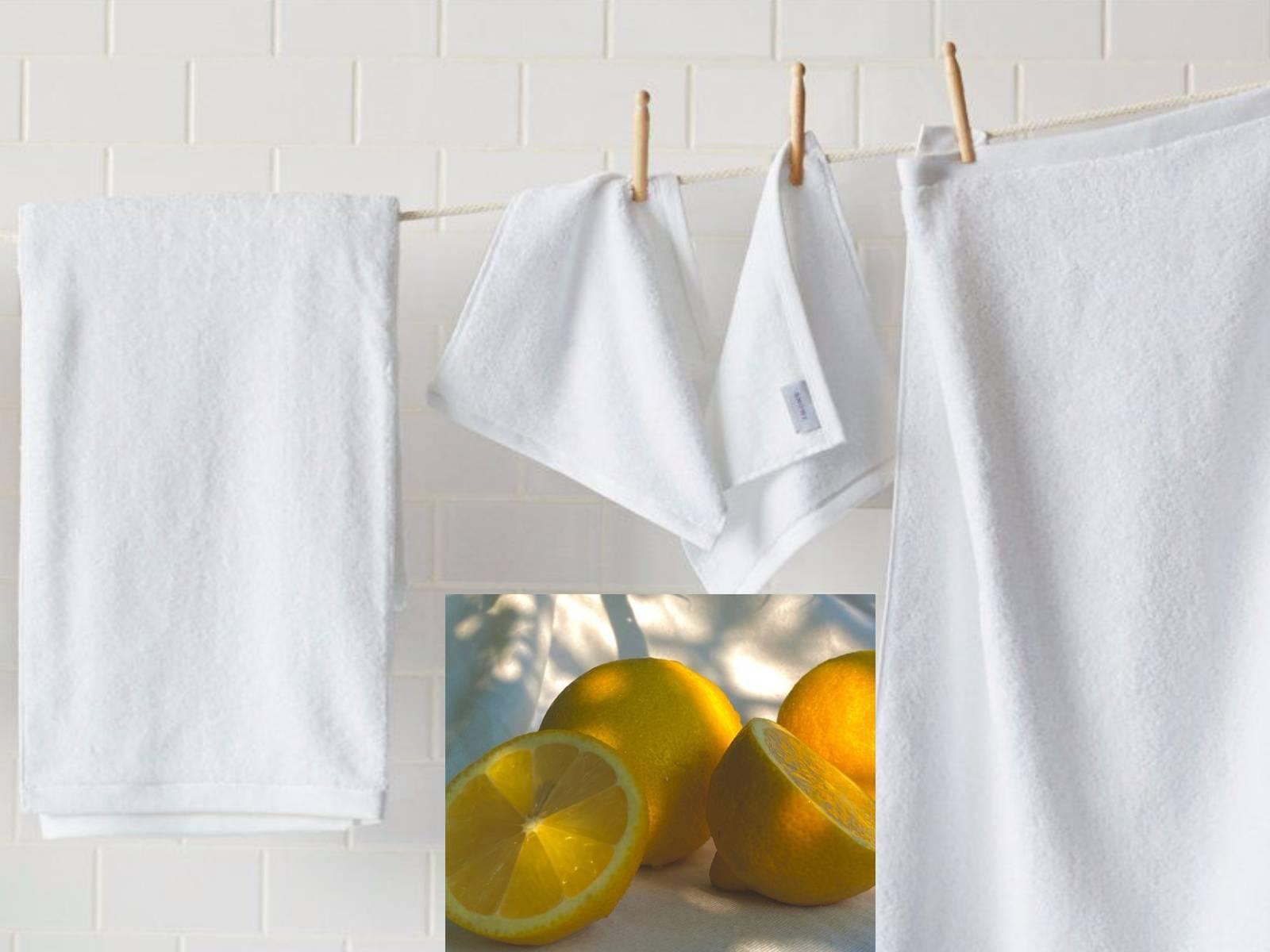
Lemon juice isn't a guaranteed way to restore every white garment. Check the fabric's care label and use a laundry product permitted for that item, following its directions. Delicate trims, prints and different fibers can call for different treatment. Don't improvise a soak and then add bleach or another cleaner to it. If a valuable garment has changed color, ask a professional cleaner before trying several remedies in succession.
12. Blot an oily spill first
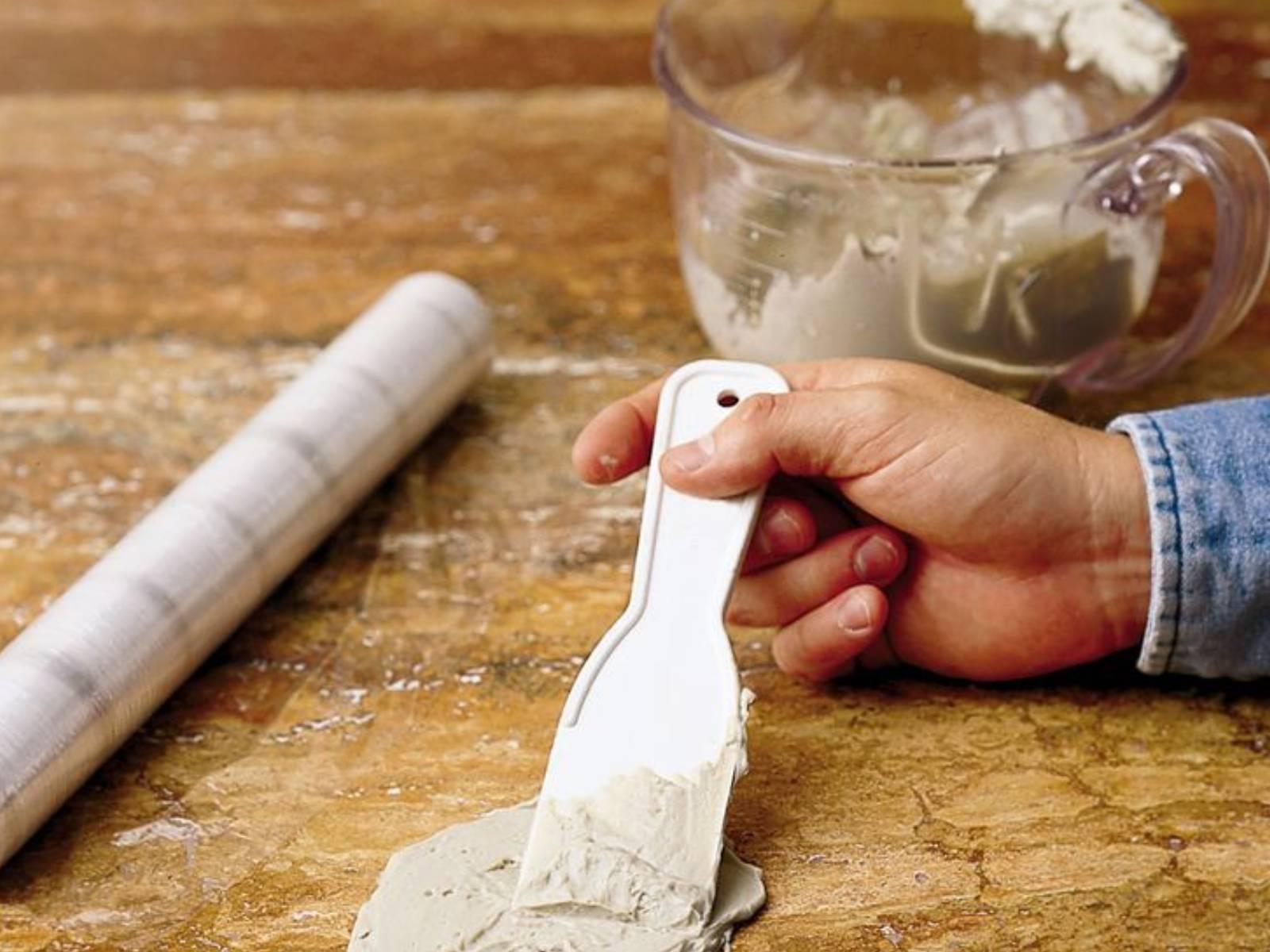
Keep people away from a slippery patch while you deal with it. For a small household spill, blot up the excess with an absorbent towel, then clean the surface using its approved method. The flour shown in the archive image doesn't establish that flour is suitable for every floor or counter. Don't grind a powder into a finish or assume that a surface is dry and slip-free just because the visible oil is gone.
13. Don't promise a drain cure from fizz
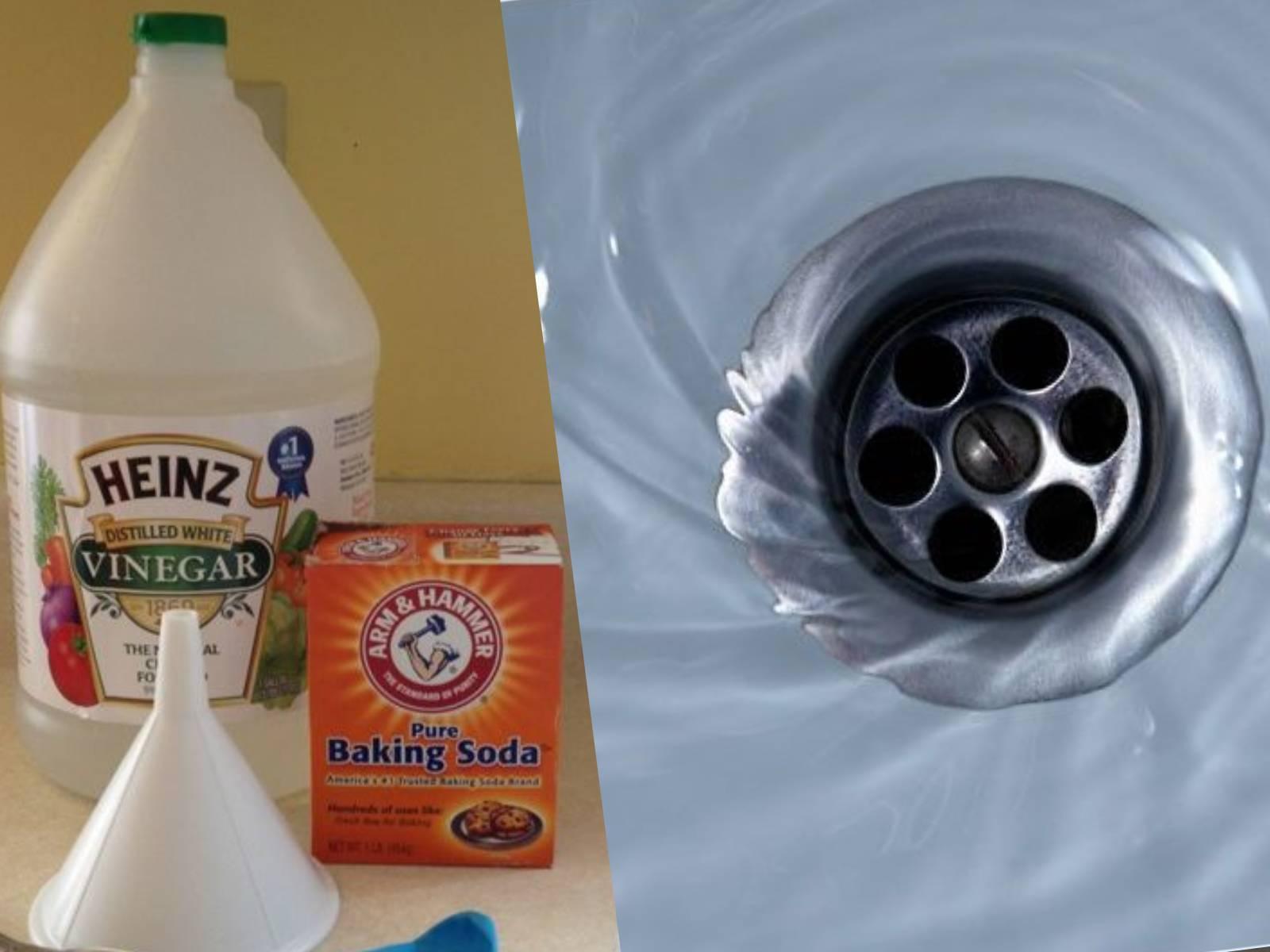
Baking soda and vinegar are a familiar combination, but a bubbling reaction doesn't show that a blockage has cleared. Follow the plumbing or drain-product instructions, and ask a plumber about a persistent blockage. Don't add homemade mixtures after a chemical drain cleaner, or combine drain products. Tell the plumber what you've already used. Avoid repeatedly adding remedies to a drain that remains backed up.
14. Descale the showerhead as directed
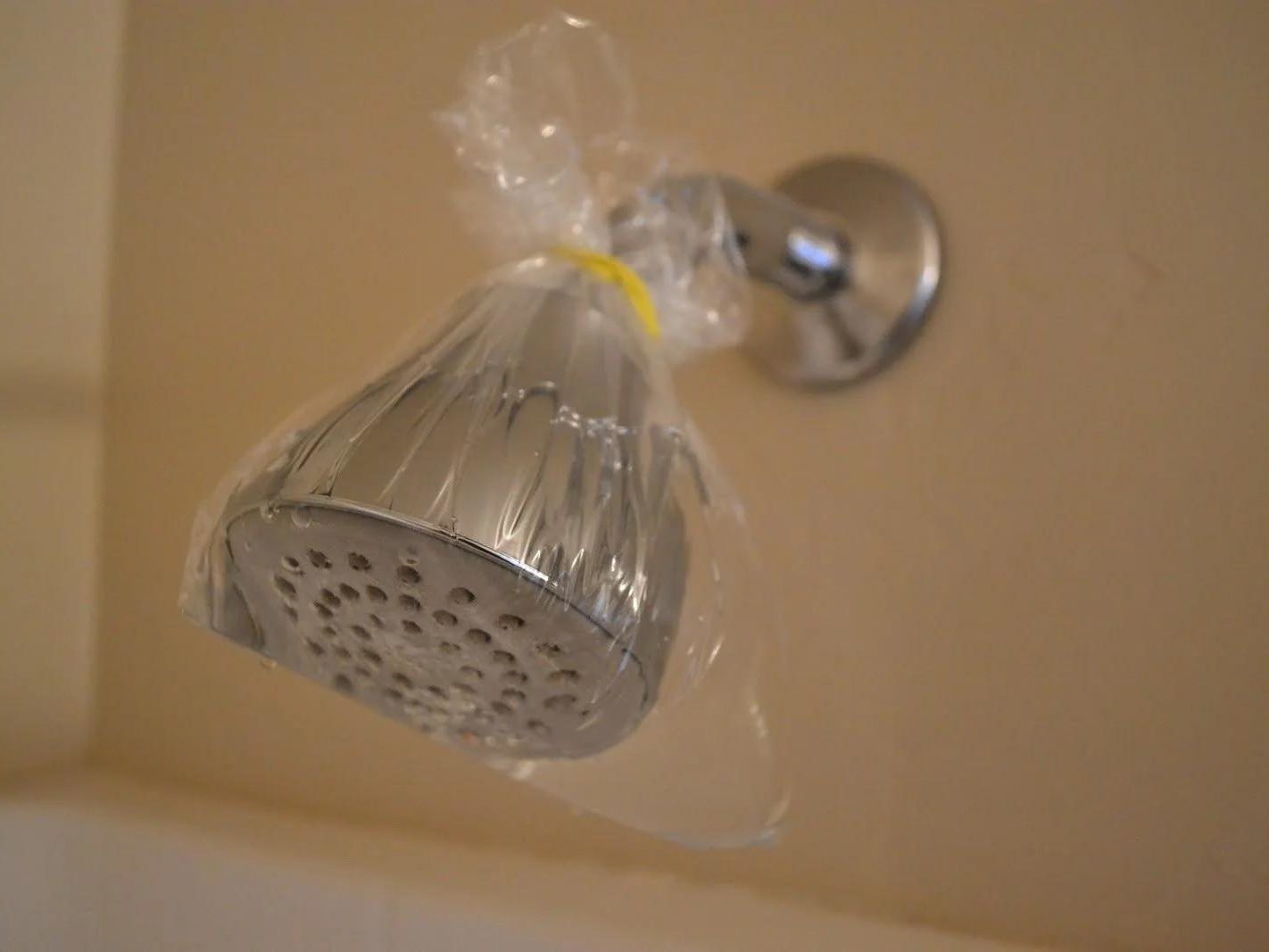
Check the showerhead model before tying a vinegar-filled bag around it. Delta recommends wiping its Touch-Clean spray holes and describes a vinegar-and-water soak for tougher deposits on other heads. That doesn't make one concentration or a three-hour soak right for every fixture. Follow your maker's instructions for dilution and contact time, then rinse as directed. Stop if you're unsure what finish or material you're cleaning.
15. Treat sticker residue carefully
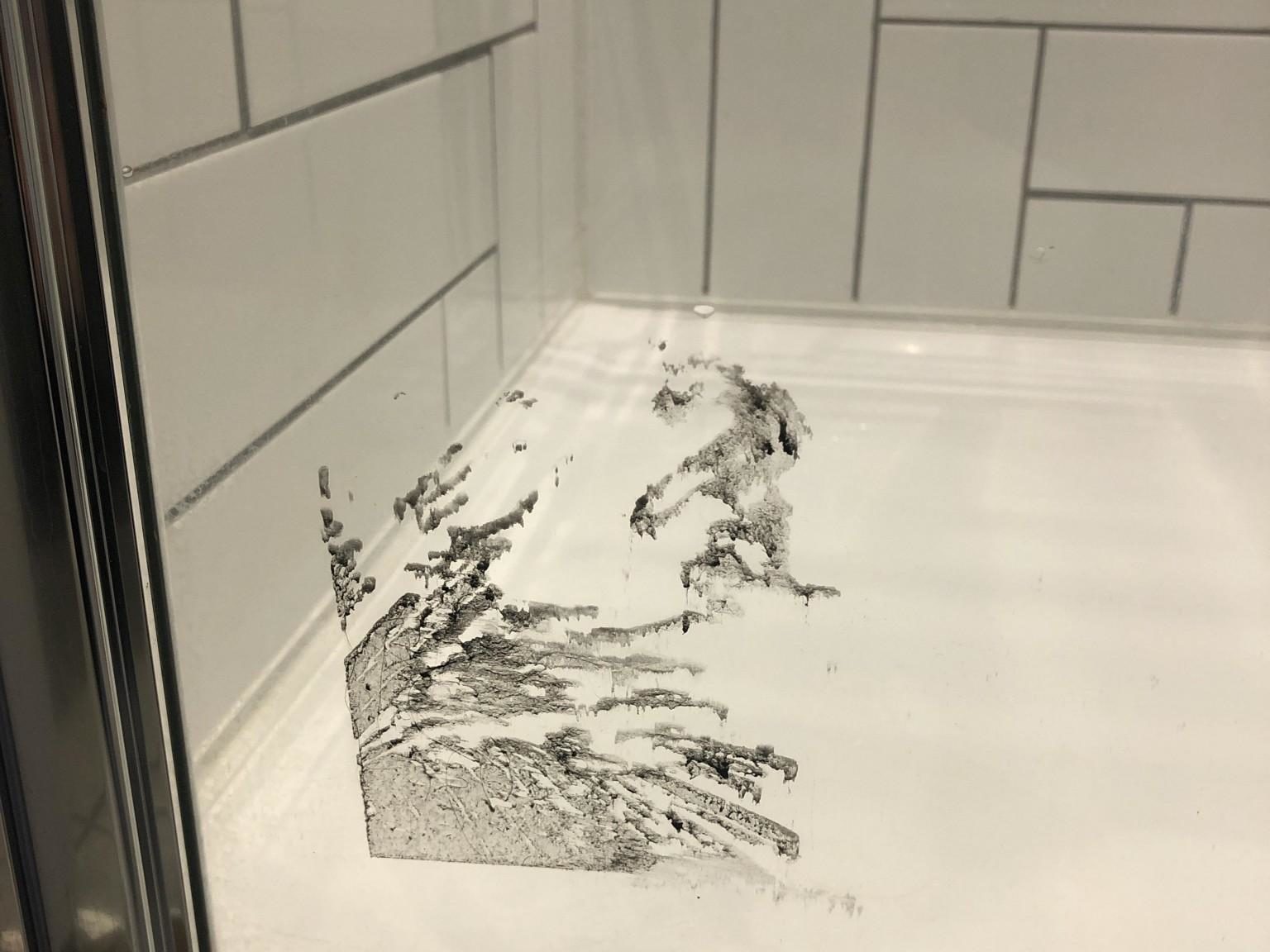
Start with the cleaning method approved for the surface beneath the sticker. Glass, painted doors and finished wood don't all tolerate the same liquid or scraper. Pella, for example, warns against razor blades on its glass. Don't turn a sticky patch into permanent damage by scraping harder. If an adhesive remover is permitted, follow its label and test the specified method somewhere inconspicuous first.
16. Care for a knife instead of using an onion remedy

Keep your fingers clear of the edge and follow the knife maker's guidance. Wüsthof advises hand-washing with mild dish soap, drying promptly and avoiding abrasive cleaners or prolonged soaking. Don't rely on cutting an onion to remove rust from every blade. If corrosion remains, ask the manufacturer about suitable treatment. Safe handling and correct storage matter more than getting through a cleaning trick quickly.
17. Protect clothes using their care instructions
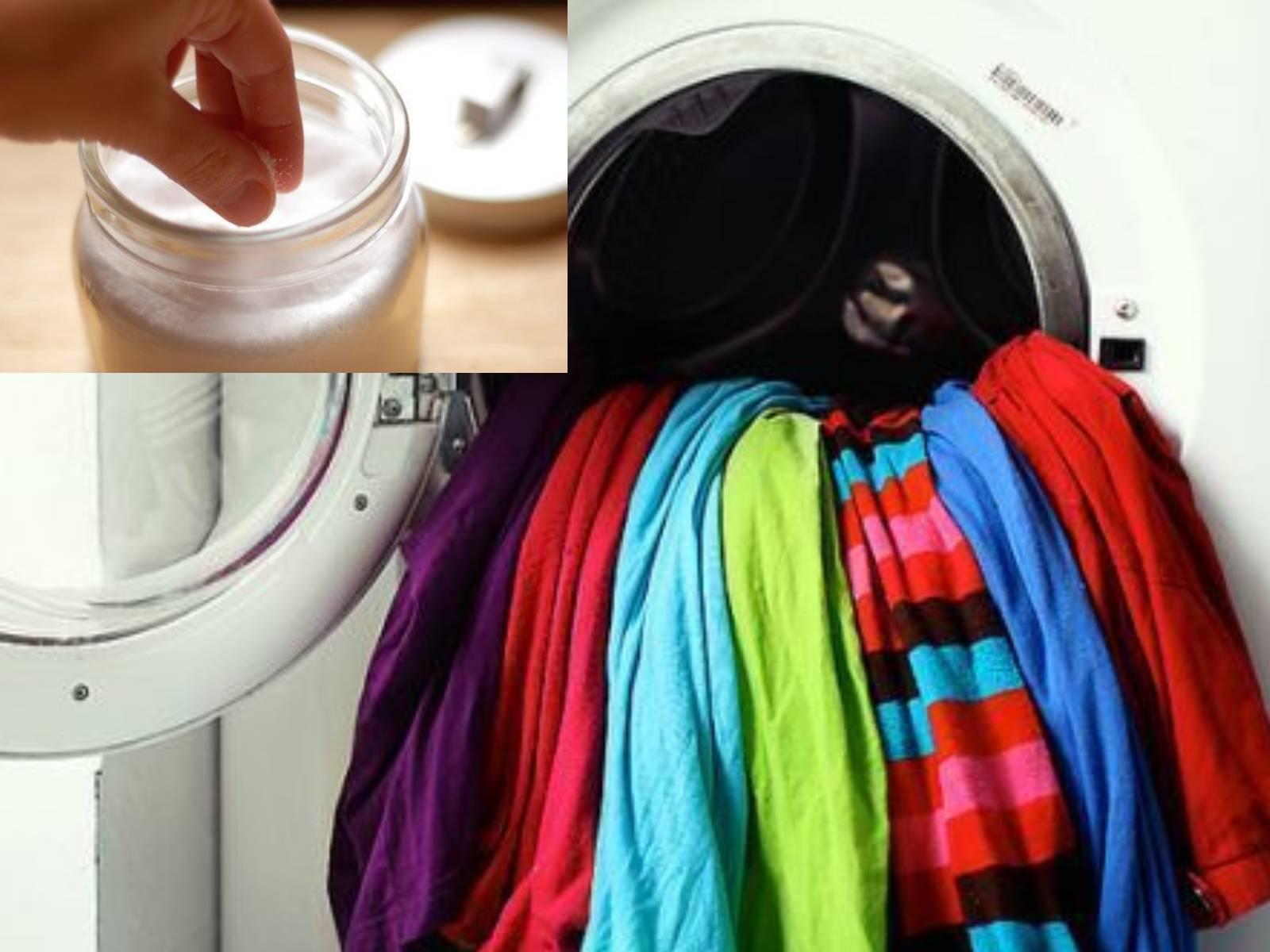
A spoonful of salt isn't a promise that clothing will keep its color. Maytag's colored-laundry guidance recommends sorting similar colors and using garment labels to choose the wash and drying settings. Follow the detergent directions, too. Check a new garment's instructions before putting it in with the rest of the load. Use a treatment intended for that fabric instead of assuming a kitchen ingredient will set every dye.
18. Leave difficult leather stains to the right cleaner
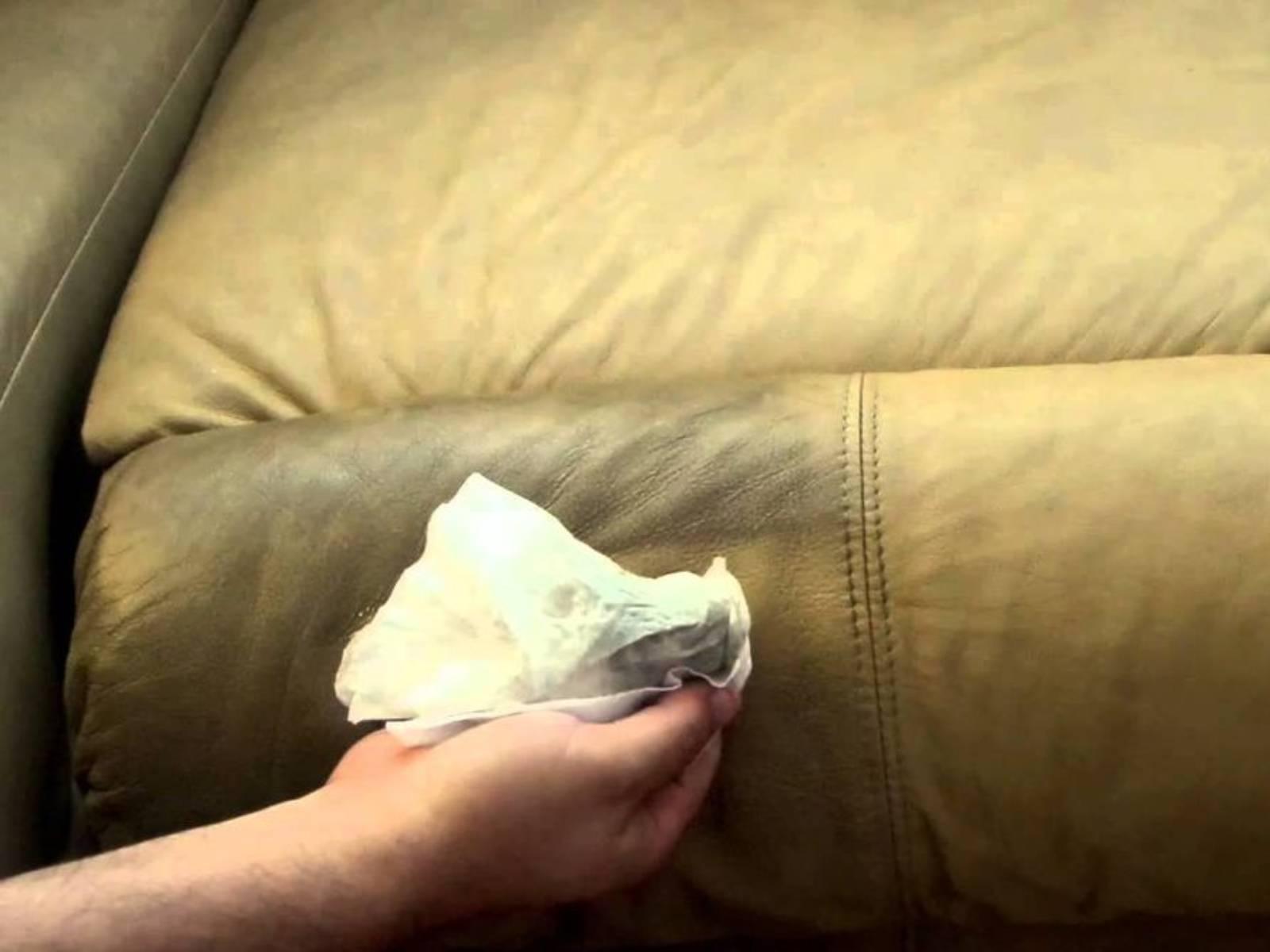
Check the furniture's leather-care instructions before applying anything to an ink mark. Different leathers have different finishes. La-Z-Boy advises prompt blotting rather than rubbing and recommends professional help for difficult stains. Don't assume rubbing alcohol and a blow dryer are appropriate for your sofa. Heat and an unsuitable solvent can create another problem while you're trying to remove the first one.
19. Skip an improvised polish on an unknown finish
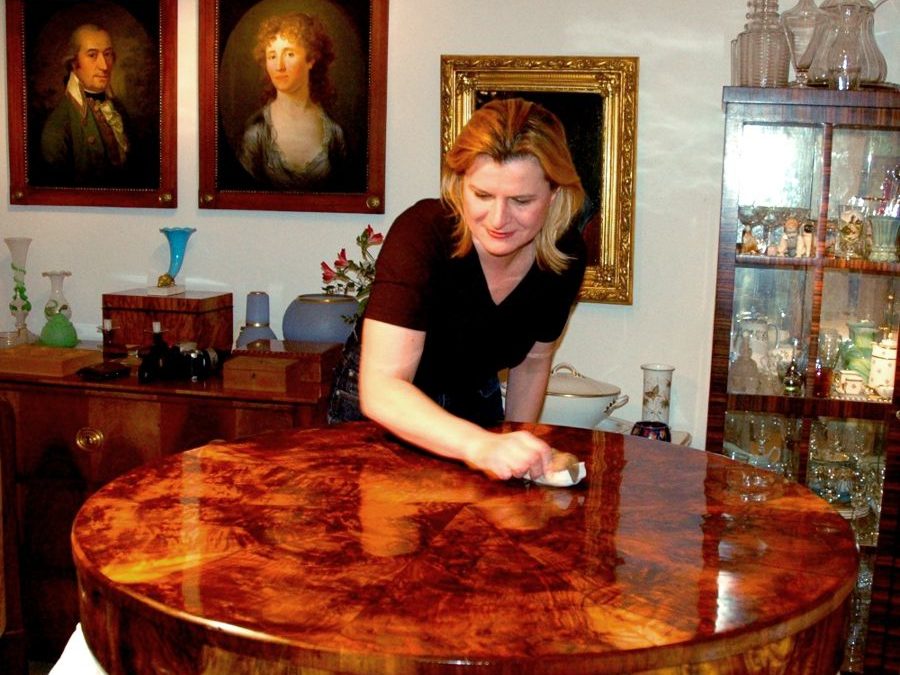
The shine from vegetable oil and lemon juice doesn't tell you how a furniture finish will fare over time. The Canadian Conservation Institute emphasizes identifying and protecting the finish, with professional cleaning for sensitive historic surfaces. Dust using the method appropriate for your piece, and consult its maker before adding a polish. An antique table deserves more care than a kitchen mixture whose compatibility you haven't established.
20. Let laundry dry; don't call sunshine sterilization
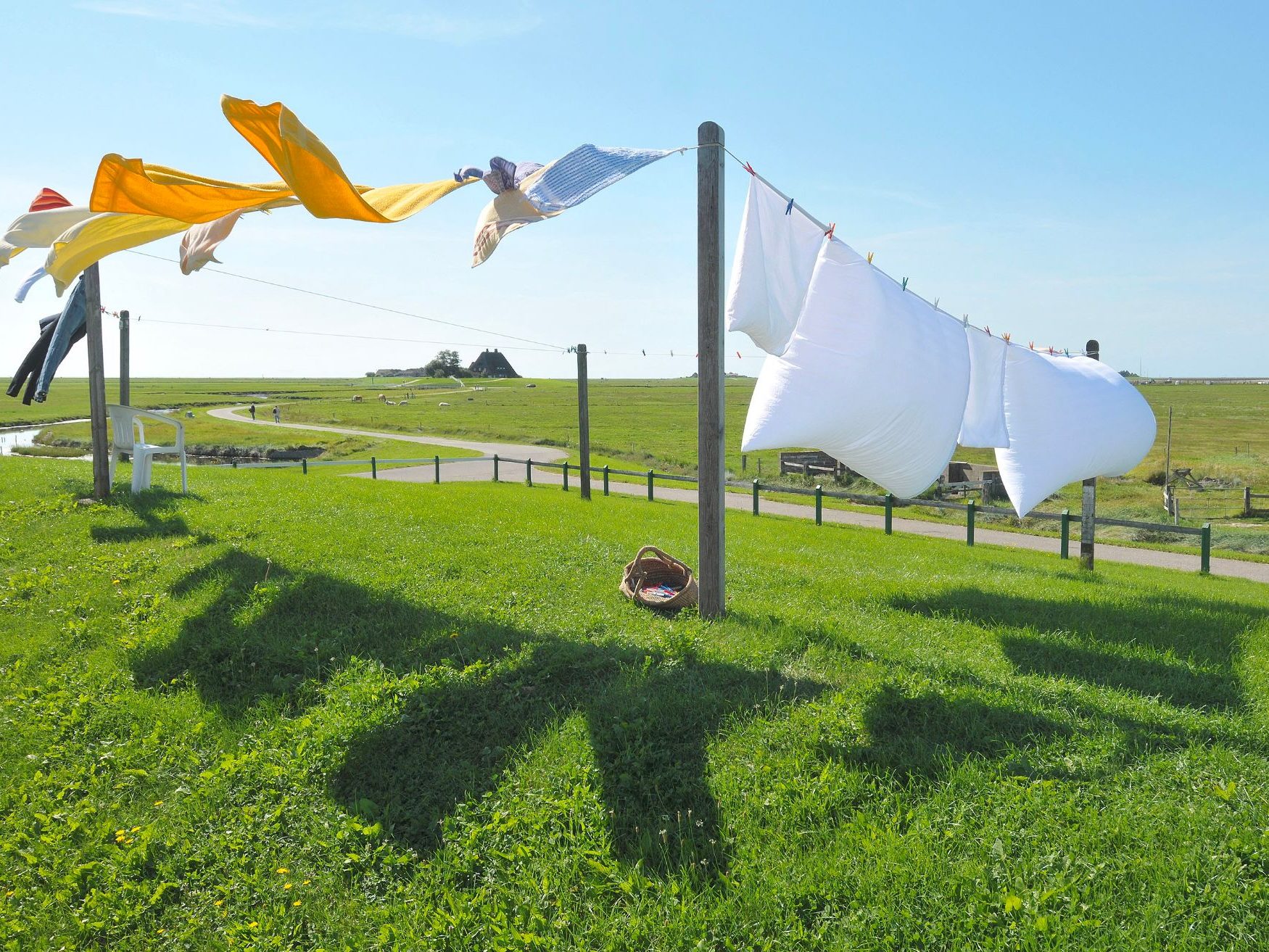
Outdoor line drying can be convenient when the weather and care label allow it. Don't treat it as a verified way to sterilize pillows, mattresses or bed linen. Wash and dry washable bedding according to its instructions; cleaning and disinfection have different requirements. If you find mold, address the moisture problem and seek appropriate cleanup advice. A sunny afternoon doesn't replace that work, and bulky bedding may need a different cleaning method.