Care Doctor
Six Ways to Make Home Cooking More Enjoyable
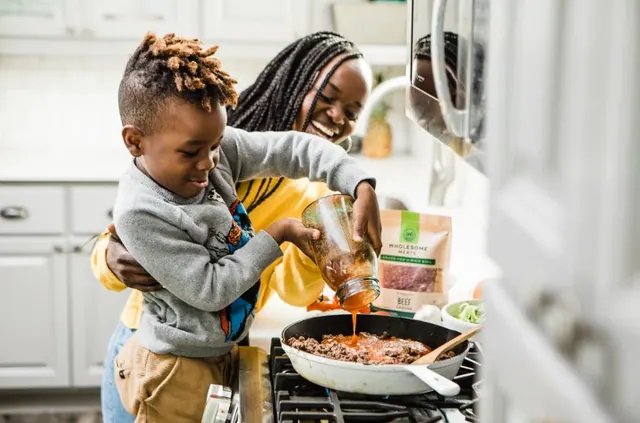
Cooking can be enjoyable and still feel like another job at the end of a busy day. You don't have to turn every dinner into a big project to make the time more pleasant.
Start with the parts you actually like: a familiar dish, a song you want to hear or someone who's happy to help. These six ideas leave room for different kitchens, schedules and levels of experience.
Put on something you like listening to
If you enjoy music while you work, choose a playlist before you start preparing the food. Keep the volume low enough to hear what's happening around you, and leave your phone or speaker clear of water and hot surfaces. There's no need to make it a performance. A few songs you like can simply be part of the evening while you concentrate on the cooking.
Choose a recipe that fits the day
Read the whole recipe before deciding it's tonight's dinner. Check the ingredients, equipment and cooking time, including any waiting or chilling. A short ingredient list doesn't always mean a quick meal. On a busy evening, a dish you've made before may be a better choice than something with several unfamiliar steps. Save the more involved recipe for a day when you want to spend time on it.
Give a willing helper a clear job
Company can be lovely, but two people reaching for the same chopping board can make a small kitchen feel crowded. Divide the work: one person might prepare ingredients while another sets the table or washes the utensils you've finished with. Ask what the other person wants to do. Cooking alone is also a perfectly reasonable choice when that's how you prefer to unwind.
Let children help without tasting raw batter
Health Canada's food guide suggests age-appropriate jobs such as counting ingredients, washing produce and mixing. Choose tasks that suit the child's abilities, supervise them and explain kitchen safety. Keep hot equipment and sharp tools under adult control. Baking together also needs one firm rule: FDA advises against eating or tasting raw flour, dough or batter, and against letting children play with raw dough. Follow the recipe and package cooking instructions, wash hands and equipment after handling raw ingredients, and wait until the finished food is ready to eat.
Try something new at your own pace
Keep a few recipes you'd like to try rather than making every meal an experiment. Read one carefully, work out what you already have and decide if the cost and effort suit you. You might choose a dish from a cuisine you enjoy or a different way to prepare a familiar ingredient. There is no need to promise yourself a perfect result the first time.
Share the meal and put leftovers away
Invite someone over if you want company, or share the recipe with a friend who might enjoy it. Ask for useful feedback without turning dinner into a test. When the meal is over, follow FDA's storage guidance: refrigerate perishable food within two hours, or within one hour if the air temperature is above 90°F. The time spent talking at the table counts too.