Care Doctor
The 2024 Starter Bakery Bread Recall: Sesame Labels, Dates and Class II

Starter Bakery's 2024 multigrain sourdough recall involved a sesame-labeling problem. FDA's record says sesame seeds appeared in the ingredients but were missing from the separate “Contains” statement.
The California recall began June 21, 2024, was classified in July and was terminated that September. It is a historical case, rather than a new warning about all bread on sale today.
The Product Details Were Specific

FDA's enforcement record identifies Starter Bakery Multigrain Sourdough Bread, UPC 8 50025 60902 9. It lists 590 pieces, distributed only within California, with no foreign distribution.
The affected best-by codes run from 062124 through 062724: June 21–27, 2024. Those identifiers belong together. A photograph of sourdough or a bakery shelf can't identify a recalled package.
What Was Missing From the Label
The record's reason concerns inconsistency between two parts of the label. Sesame was in the ingredient statement; it was absent from the “Contains” statement.
That distinction matters. Calling this a completely unlisted ingredient would misdescribe the documented problem. It also doesn't establish that every loaf made by the bakery had the same labeling issue or that an unrelated loaf was affected.
Class II Has a Defined Meaning

FDA's recall definitions place Class I at the most serious end: a reasonable probability of serious harm or death. Class II concerns potentially temporary or medically reversible effects, or a remote probability of serious effects.
Class III describes products unlikely to cause adverse health consequences. The numbers aren't a ladder on which III means the greatest danger. This bread recall was Class II.
The Timeline Explains the Update

June 21 was the firm's recall initiation date. July 17, 2024 was FDA's classification date. The record lists termination on September 26 that year.
Those aren't three separate recalls. They are stages in the same event. A later classification date doesn't, by itself, mean more products were added. Readers need the year alongside an update to understand when it happened.
Why Sesame Appears in Allergy Guidance

FDA identifies nine major food allergens for labeling purposes. Milk, eggs, fish, crustacean shellfish, tree nuts, peanuts, wheat and soybeans were joined by sesame effective January 1, 2023.
That's a regulatory list, not a popularity chart of allergies. It doesn't tell you that sesame is the most common or that one person will react to all nine.
Read the Whole Ingredient Information

FDA's allergy guidance describes two ways an allergen's source can be declared: in the ingredient information or in an adjacent “Contains” statement. Where a manufacturer uses that separate statement, consistency matters.
People managing food allergies should read labels and avoid their allergens. A familiar brand, a loaf's appearance or an old shopping habit isn't a substitute for checking the particular product's ingredient information.
A Reaction Needs Appropriate Care
FDA describes symptoms including hives, swelling, vomiting, wheezing and breathing difficulty. A list alone can't establish why someone is reacting.
For suspected anaphylaxis, promptly use prescribed epinephrine according to the person's emergency plan and call emergency services. FARE advises emergency assessment even when symptoms resolve. A recall inquiry must not delay care for this potentially life-threatening reaction.
Use the Record for the Question It Answers

The original FDA entry documents one bakery, product, label problem and 2024 recall timeline. Its current status is terminated.
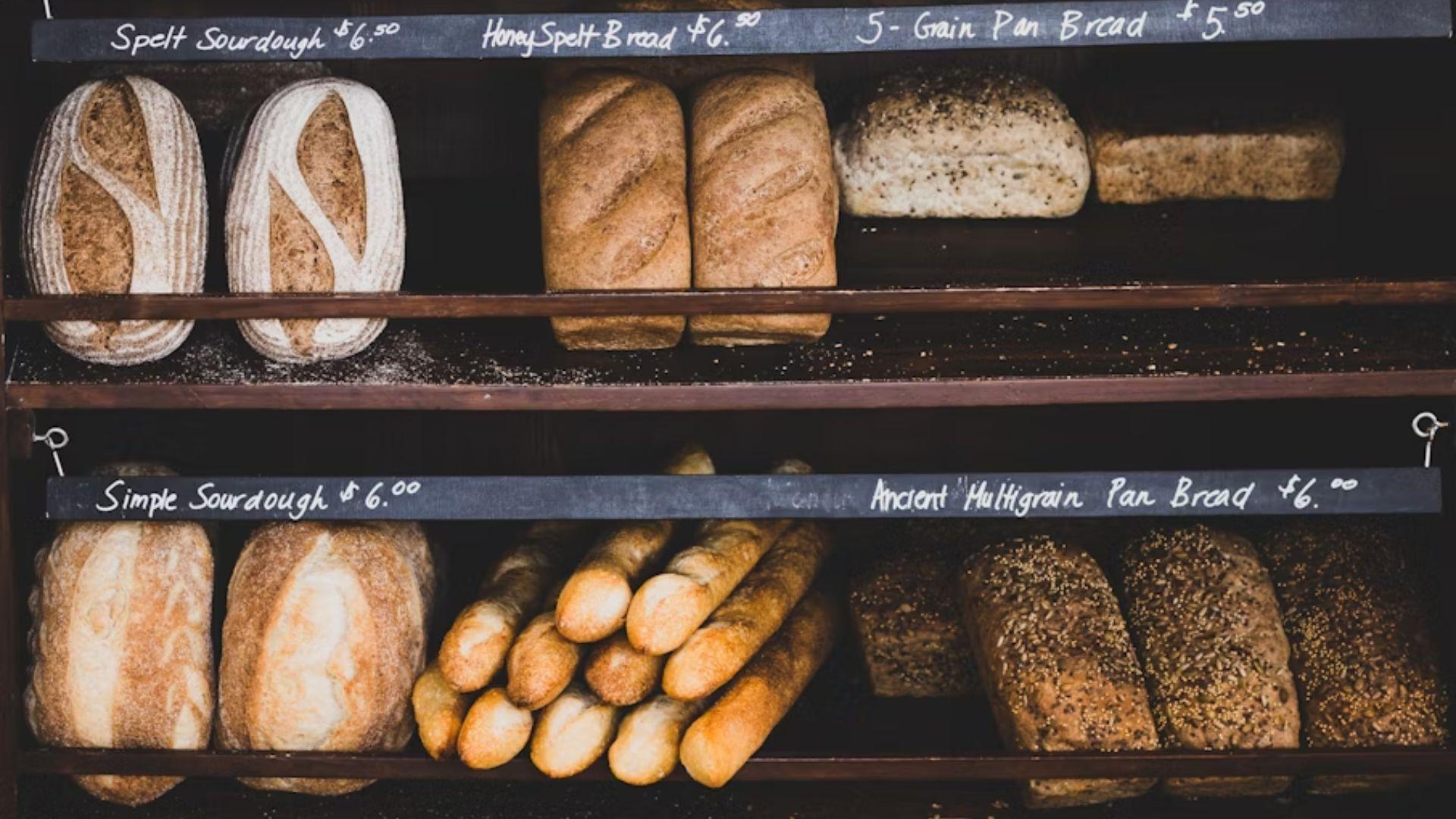
For a concern about a different purchase, use the current product identifiers and an applicable notice. The photographs here are archive illustrations, including general food, shopping and pet images; they aren't documentation of affected loaves, reactions or additional recalls.