Care Doctor
Family Dollar's $41.675 Million Warehouse Case: What the 2024 Plea Covered
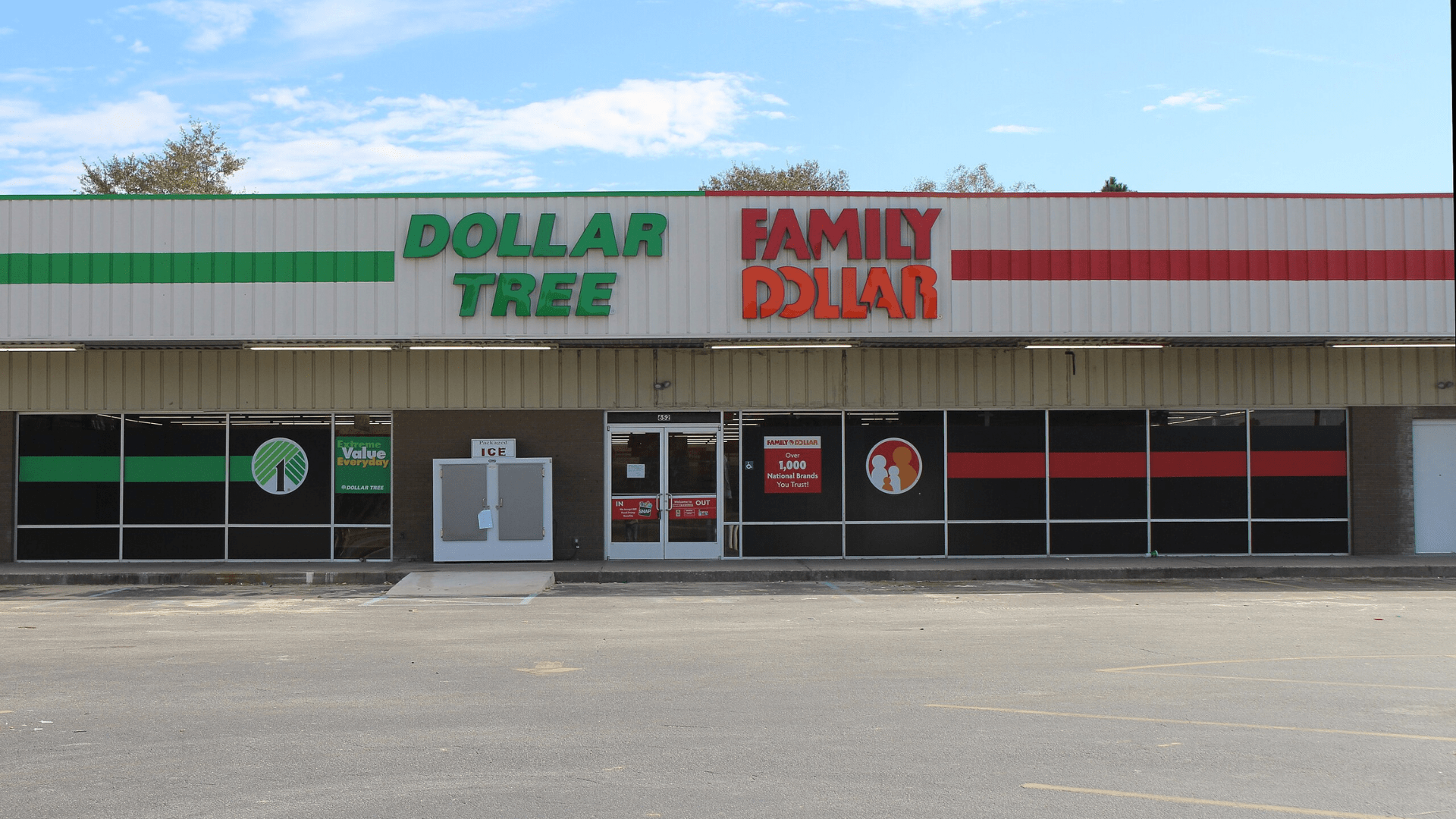
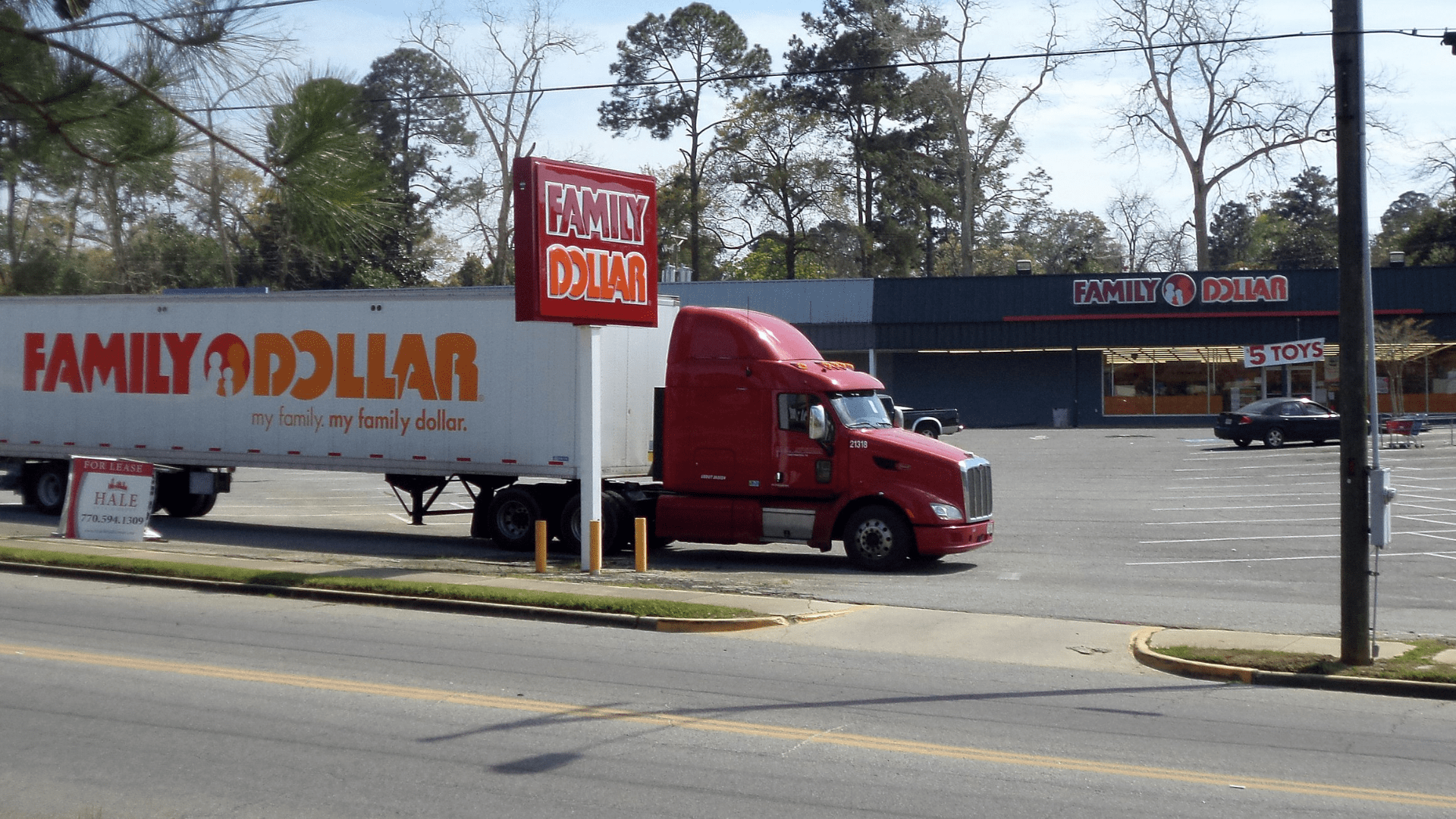
The West Memphis warehouse case ended in a guilty plea by Family Dollar Stores LLC in February 2024. The Justice Department said its agreement included $41.675 million in fine and forfeiture for FDA-regulated products held under insanitary conditions at the Arkansas facility.
The inspection and recall had happened in 2022. This is that case's timeline, rather than a new penalty announced in 2026. Its documents concern the distribution center and affected products; they don't establish conditions at every Family Dollar store today.
The Amount Was More Than a Rounded Headline
DOJ's February 26, 2024 announcement described $41.675 million in combined fine and forfeiture. Calling it approximately $42 million gives the scale, but “fine” alone leaves out part of the disposition.
The department described it at the time as the largest monetary criminal penalty in a food-safety case. That dated description shouldn't become an unchecked claim about every case decided since then.
One Distribution Center Supplied Hundreds of Stores

The company admitted that the Arkansas facility shipped FDA-regulated products to more than 400 stores in Alabama, Missouri, Mississippi, Louisiana, Arkansas and Tennessee.
The recall involved 404 stores served by that center. A distribution-center problem can reach many retail locations, but the number doesn't mean all Family Dollar stores nationwide received the same products. The warehouse and the affected store list need to stay connected.
Reports Began Before the Inspection
The company's admitted timeline began in August 2020, when it started getting reports of mice and pests in deliveries. Some stores were reporting rodents and rodent-damaged goods from the warehouse by the end of that year.
The FDA inspection came in 2022. The earlier reports are part of the plea account, showing that warnings about shipments preceded the inspection.
What the Company Acknowledged About Awareness
DOJ said the company admitted some employees knew, by no later than January 2021, that insanitary warehouse conditions caused regulated products to become adulterated under federal law.
This was part of the admitted conduct in the corporate case. It isn't a basis for assigning that knowledge to every employee, naming an uninvolved worker or alleging a separate conviction against an individual executive.
The Inspection Documented Extensive Rodent Activity
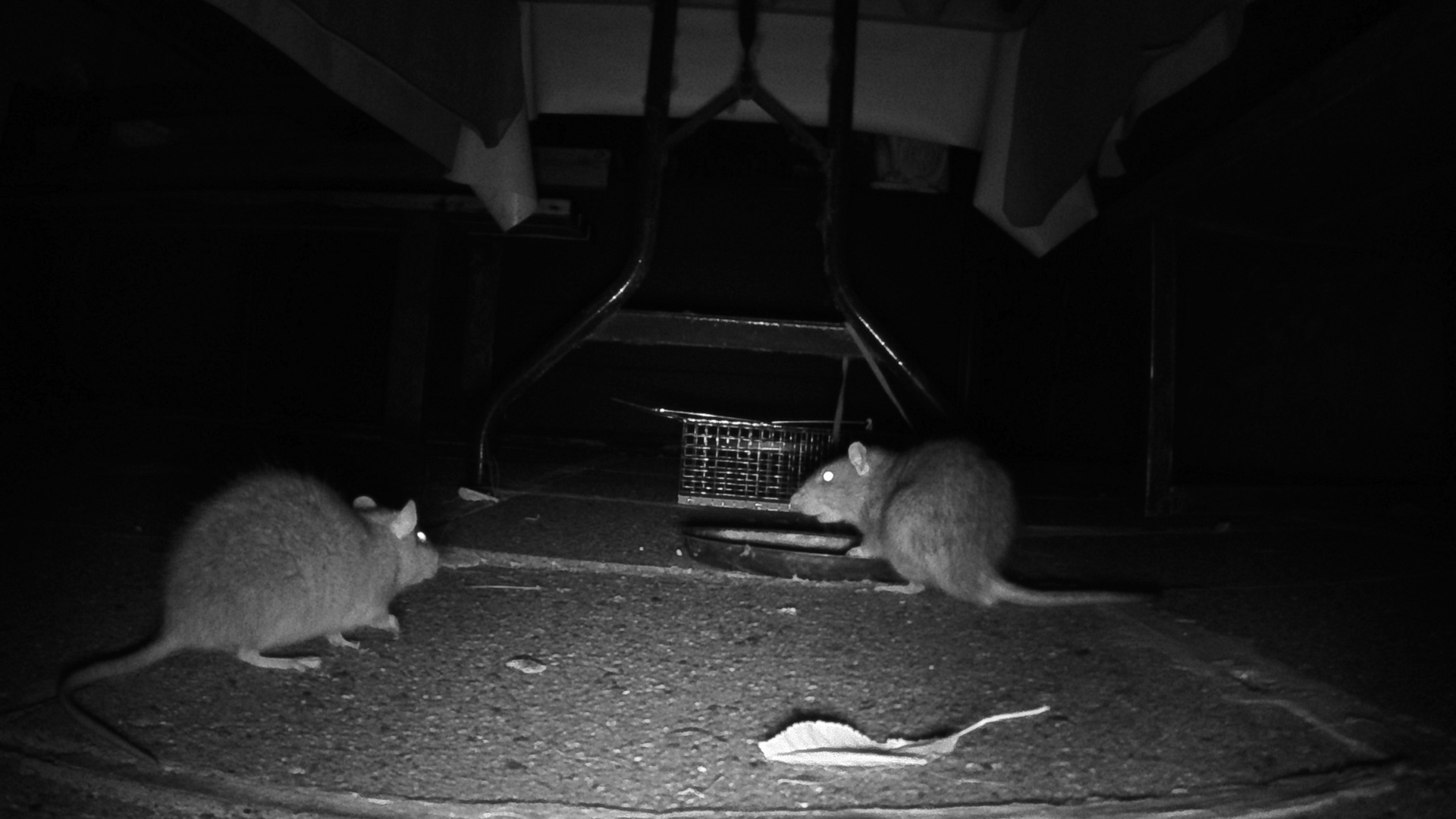
FDA's November 2022 warning letter describes an inspection running from January 11 through February 11 that year. Investigators reported live rodents, decaying rodents, droppings, gnawing, nesting material and odors throughout the facility.
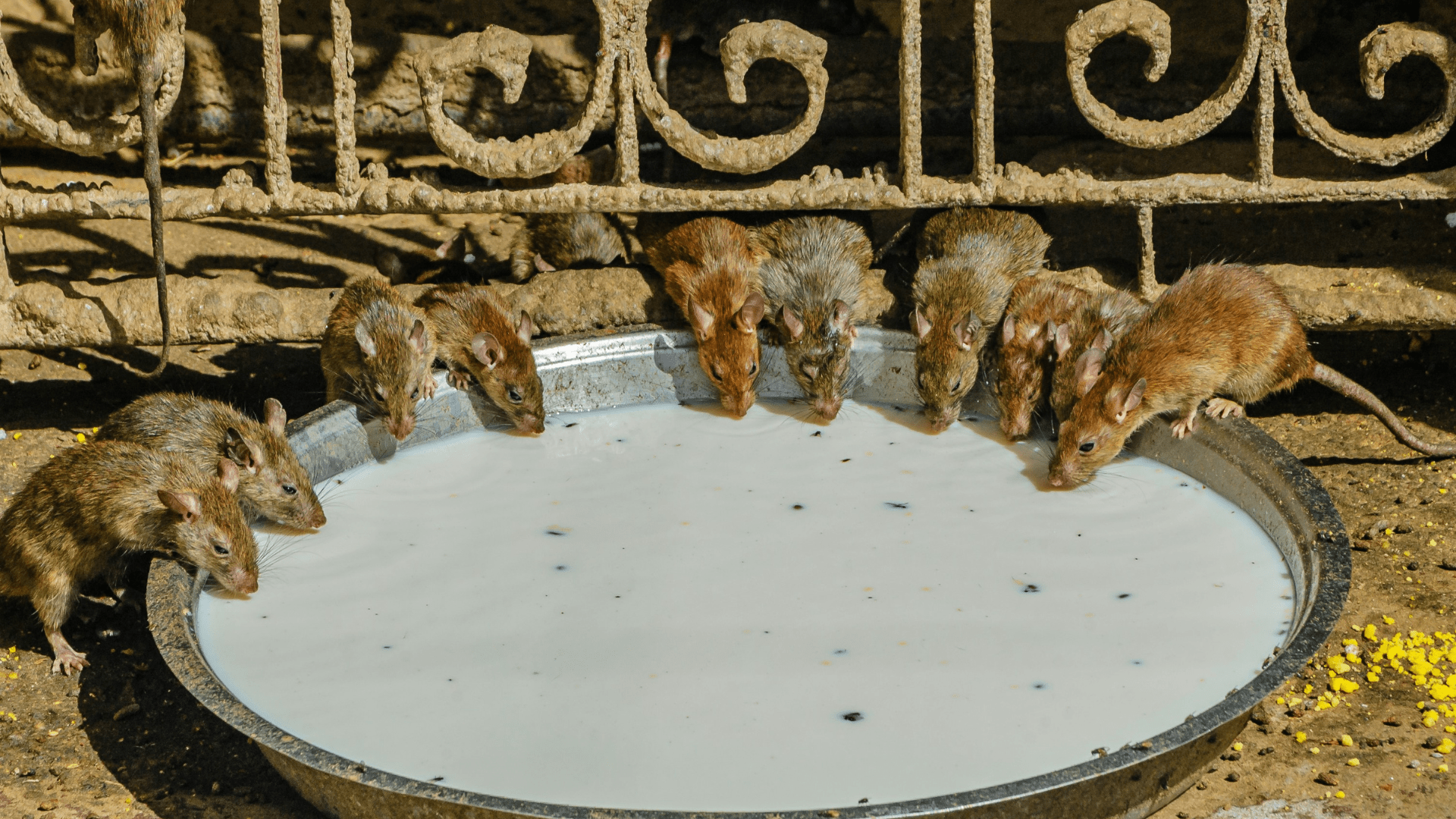
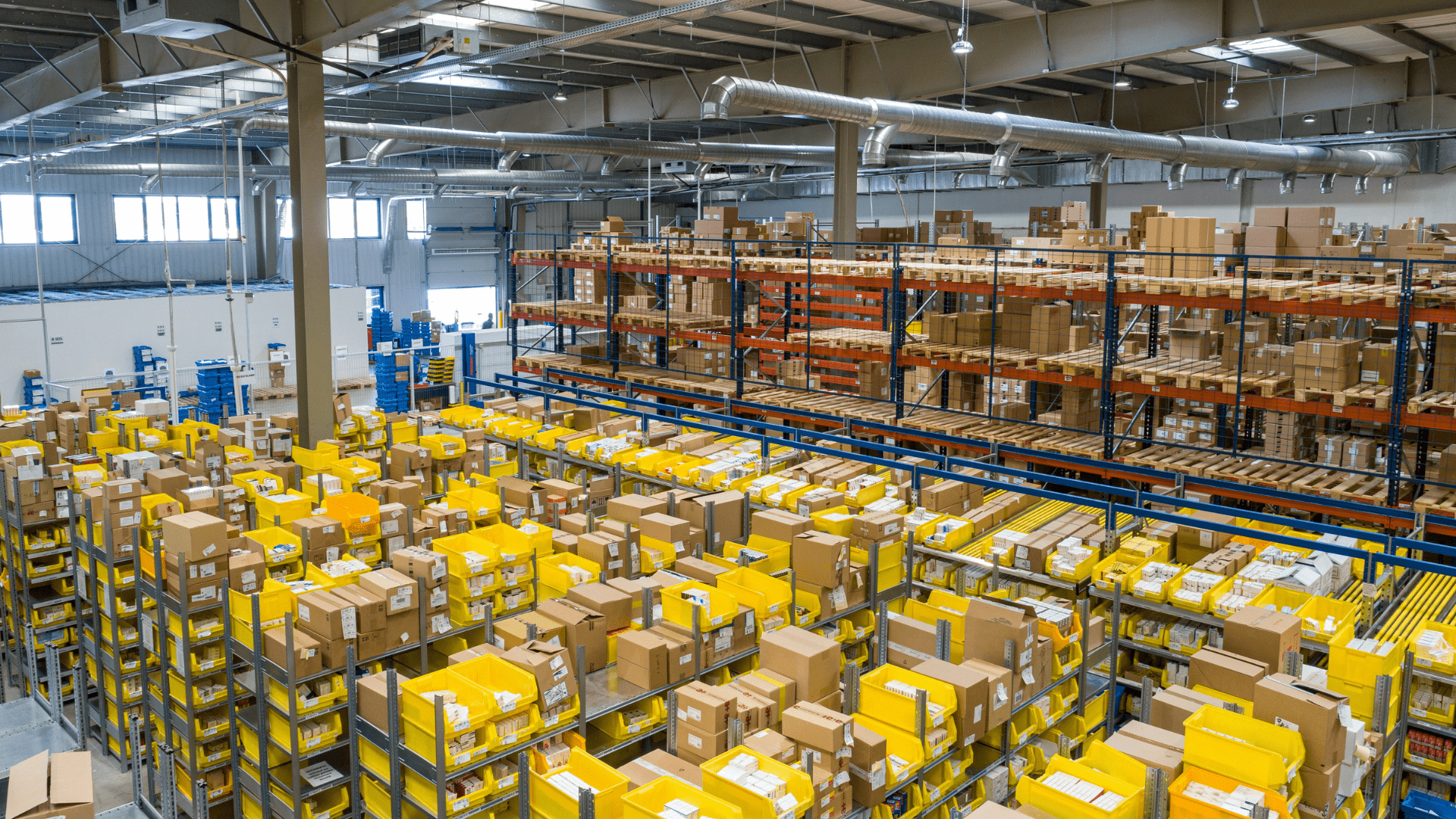
These were documented observations at the specified warehouse. The stock photographs accompanying this archive story aren't photographs verifying those inspection findings; the agency's record supplies the evidence.
The Documents Describe Corrective Responses Too

In its warning letter, FDA summarized responses the company sent during 2022. One was a May response stating that the facility was being permanently closed. The letter also addressed violations and corrective actions.
That company response belongs in the history of the case. It doesn't independently establish that every later improvement worked, and it isn't a new inspection of Family Dollar's current operations.
The Recall Covered Several Product Categories
The February 2022 recall announcement covered FDA-regulated products distributed through the affected center, including drugs, devices, cosmetics, supplements and human and animal food.
It excluded products sent directly to stores by distributors or manufacturers, including frozen and refrigerated items. It also excluded other store locations. Those qualifications matter: the notice wasn't a recall of every item ever sold under the chain's name.
Potential Risk and Reported Illness Are Different

The recall announcement identified rodent activity and potential Salmonella contamination. It said the company wasn't aware of related consumer illness reports at the time of that announcement.
That dated statement doesn't make the storage conditions acceptable or establish a permanent zero-illness count. It also doesn't prove that every individual recalled package contained Salmonella. The documented conditions, potential exposure and confirmed health outcomes are distinct parts of the account.
What the Historical Notice Told Customers
The 2022 notice described returning affected products and contacting a health-care provider about possible problems from their use. For concerns involving recalled pet food, it directed customers to a veterinarian.
Those were instructions tied to that recall's products, stores and dates. For a concern about a different purchase, check the applicable current notice rather than assuming this old recall covers it or guarantees the same return arrangement today.
The Plea Included Compliance Requirements

The agreement went beyond the monetary penalty. DOJ described three years of corporate compliance and reporting requirements for Family Dollar and Dollar Tree. It identified Dollar Tree as the parent in the February 2024 announcement.
That identifies the parties as the announcement described them then. The article's subject remains the warehouse case, its admitted conduct and its consequences, rather than an unsupported update on today's ownership or operations.