Care Doctor
USDA Tested 3.2 Million Pigs for Trichinella. Here's What Zero Detections Means.
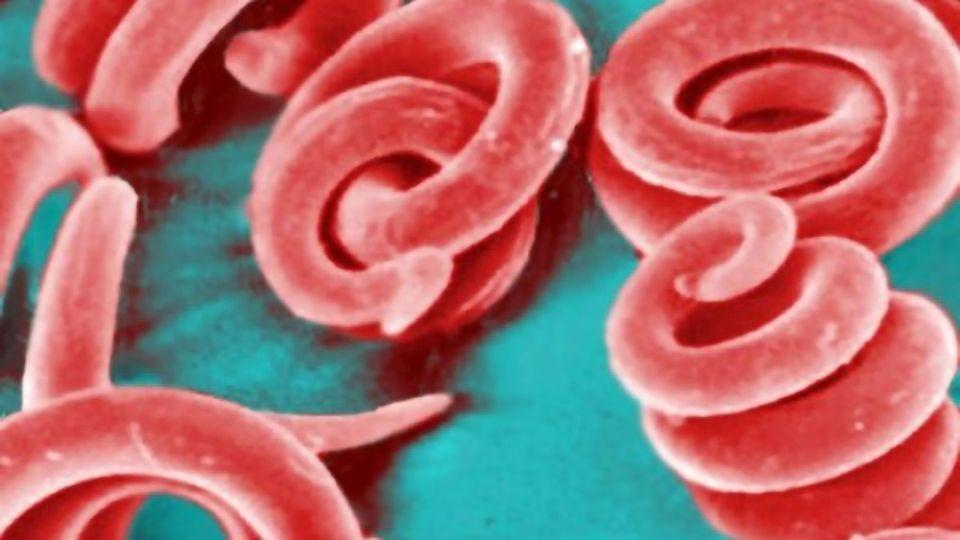
USDA found no Trichinella infections among more than 3.2 million pigs tested under a controlled commercial production program. The 2024 survey documents progress against that parasite.
It doesn't establish that all pork is free of every pathogen or safe to eat raw. The studied population matters.
What the Researchers Tested

USDA's August 2024 account describes 3,208,643 animals tested across twelve processing locations over 54 months. They were raised under the Pork Quality Assurance Plus program, known as PQA+.
No diagnostic sample contained the parasite. This was a defined survey, rather than individual inspection of every pig, wild boar or meat product in the country.
Zero Detections Has a Statistical Context
USDA said the results provided 95% confidence that prevalence was below one infected animal per million in the population assessed. It described Trichinella as a negligible public-health risk under those production conditions.
That statistical conclusion is useful without converting it into a promise that infection is impossible in any animal, under any conditions, forever.
The Production Practices Matter
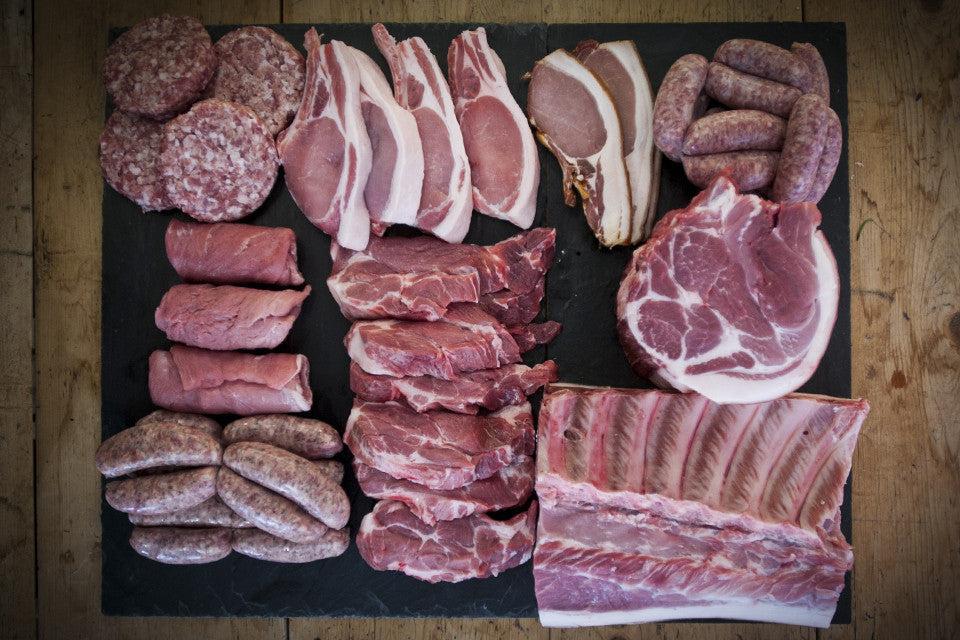
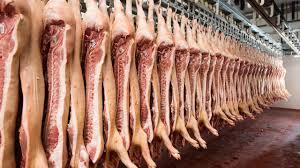
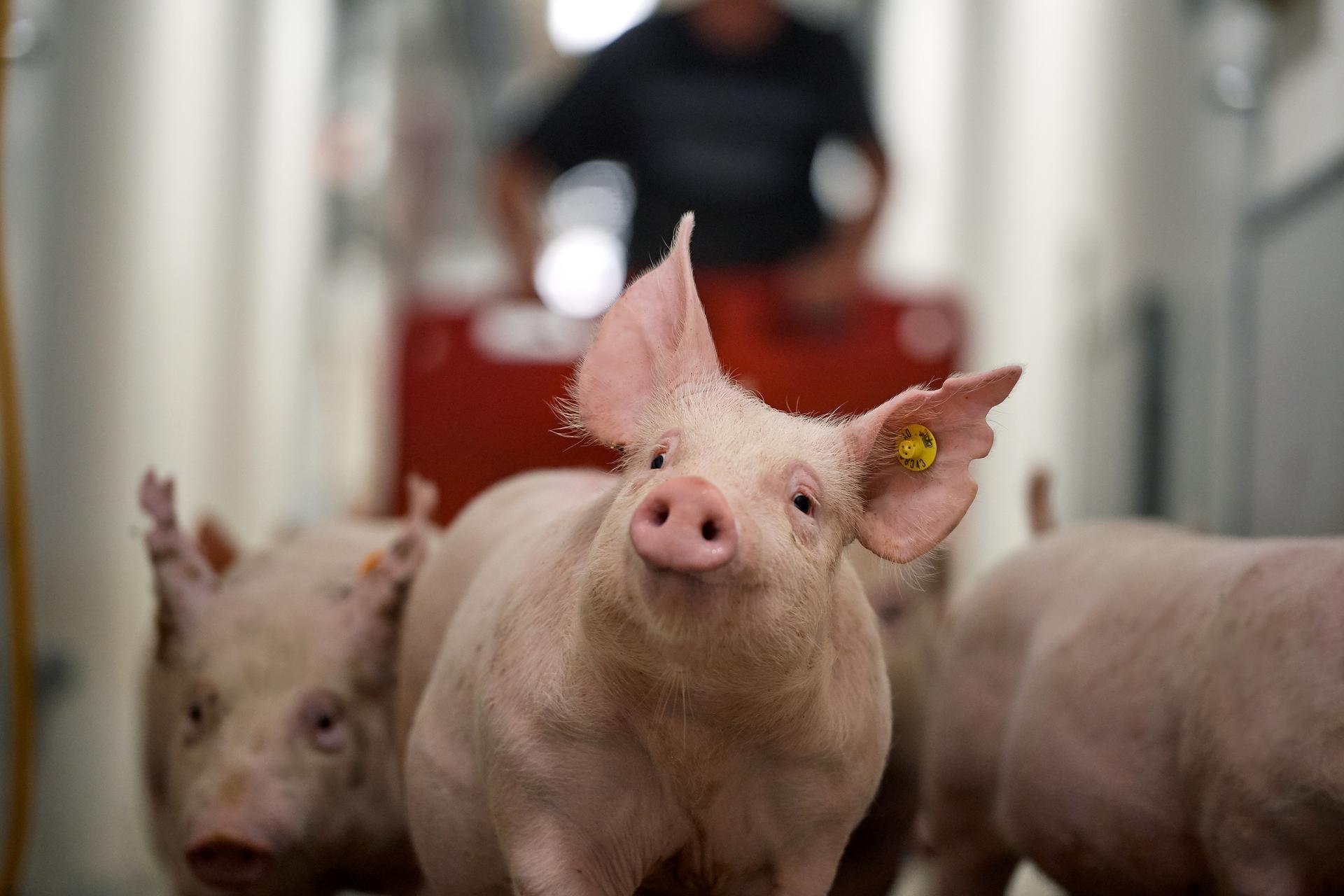
Salter & King · Seven Sons Farms - Illustrative archive image; not an identified study animal, test specimen or processing location.
PQA+ includes feed biosecurity, preventing contact with rodents and wildlife, avoiding raw animal-origin food waste, removing carcasses promptly and documenting animal movements. These measures address routes by which pigs could encounter the parasite.
The survey's result is tied to controlled management. Dropping those conditions from the explanation would make the conclusion broader than the evidence.
Wild Game Is a Different Question
CDC's prevention guidance identifies raw or undercooked infected pork and wild game as potential sources of trichinellosis. Bear and wild boar are among its examples.
The commercial-pig survey doesn't certify a hunter's harvest. A low risk documented in one production system shouldn't become an assumption about an animal raised or living outside it.
Cooking Still Has a Clear Role
The federal safe-temperature chart sets two pork minimums. Raw steaks, chops and roasts need 145°F on a food thermometer before removal from heat, plus at least three minutes' rest before carving or eating.
Ground pork needs 160°F. The food type and the rest requirement matter alongside the number; don't use a whole-cut instruction for ground meat.
A Freezer Isn't a Universal Solution
Some Trichinella species in wild game resist freezing, CDC explains. Freezing therefore can't be assumed to kill them all. Curing, drying, smoking and microwaving alone are also inconsistent ways to kill the worms.
CDC advises cooking to a safe temperature and not tasting meat before it's fully cooked. A processing shortcut doesn't replace that cooking step.
The Study Doesn't Replace Kitchen Handling
The result concerns one parasite. Raw meat and its juices still need to be kept separate from ready-to-eat food, with hands washed and food-contact equipment cleaned.
Grinders get a specific mention in CDC's guidance: clean them thoroughly after every use to prevent trichinellosis and other foodborne disease.
Keep the Finding Specific
The survey supports the studied controls against Trichinella. It doesn't establish safety for every parasite, country or uncooked pork product.
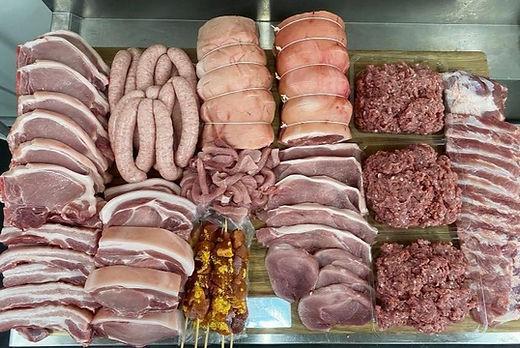
The archive images illustrate the topic. They don't identify tested animals, laboratories or parasite-positive samples.