Care Doctor
Easy Cooking Shortcuts for People Who Don't Want to Spend All Day in the Kitchen
You don't have to enjoy elaborate recipes to make something you want to eat. A few repeatable shortcuts can help when cooking time, energy or equipment is limited.
Keep the useful part of a kitchen hack and check the part it leaves out. A shorter cleanup is welcome; a guess about whether chicken or an egg is cooked isn't. These ideas are starting points to use with a complete recipe or the food's instructions, rather than stand-alone recipes.
Freeze Fruit in Portions You'll Use
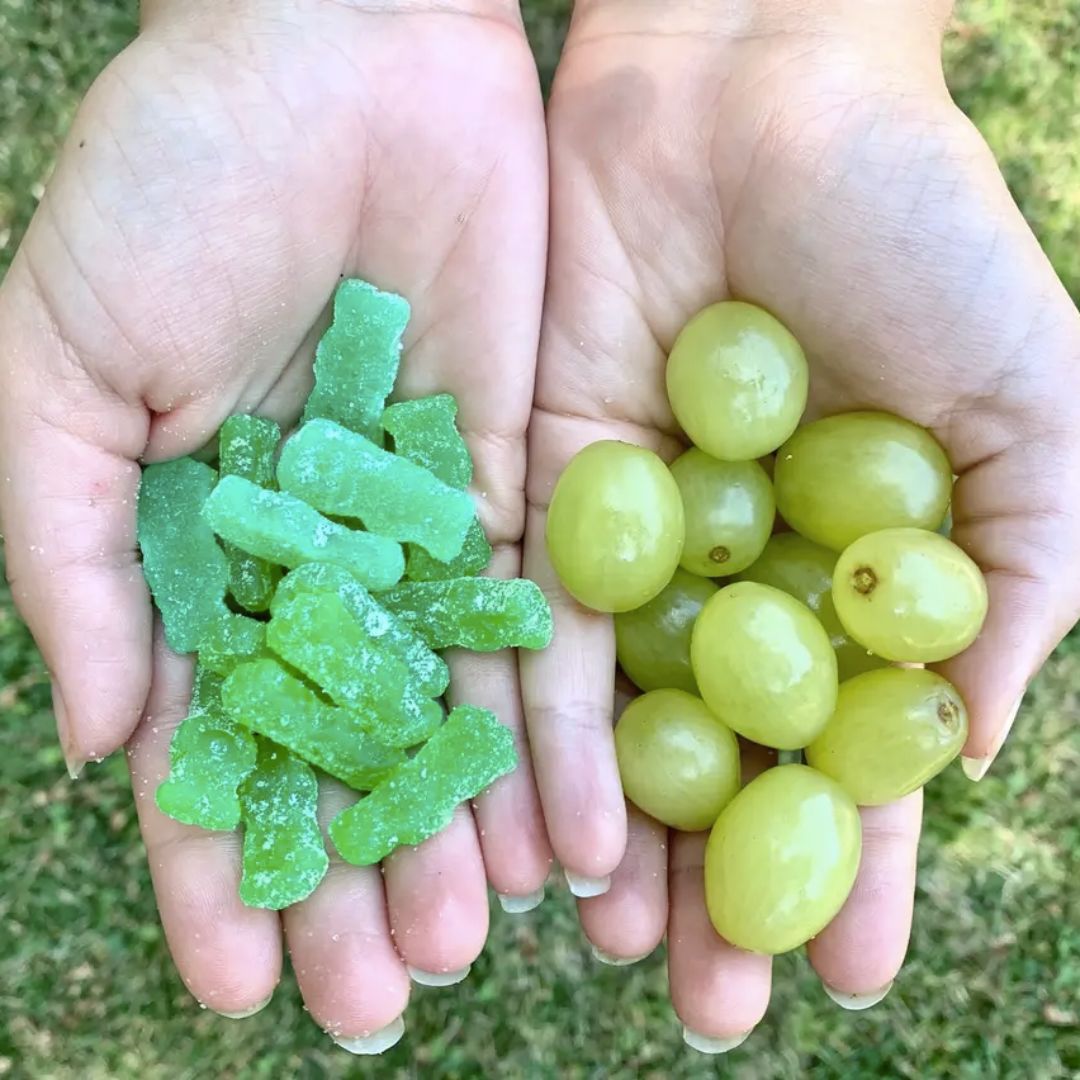
Portion fruit for the way you'll use it, such as a smoothie or a recipe. Follow the directions if you're using a purchased frozen product; prepare fresh fruit appropriately before freezing. The aim is a portion you can use without breaking apart a big block.
Whole grapes and hard frozen chunks aren't suitable snacks for young children. Shape, size and texture need to fit their development, with eating supervised. A photo comparing fruit with sweets doesn't make the preparation safe for all ages.
Separate Eggs With a Suitable Tool
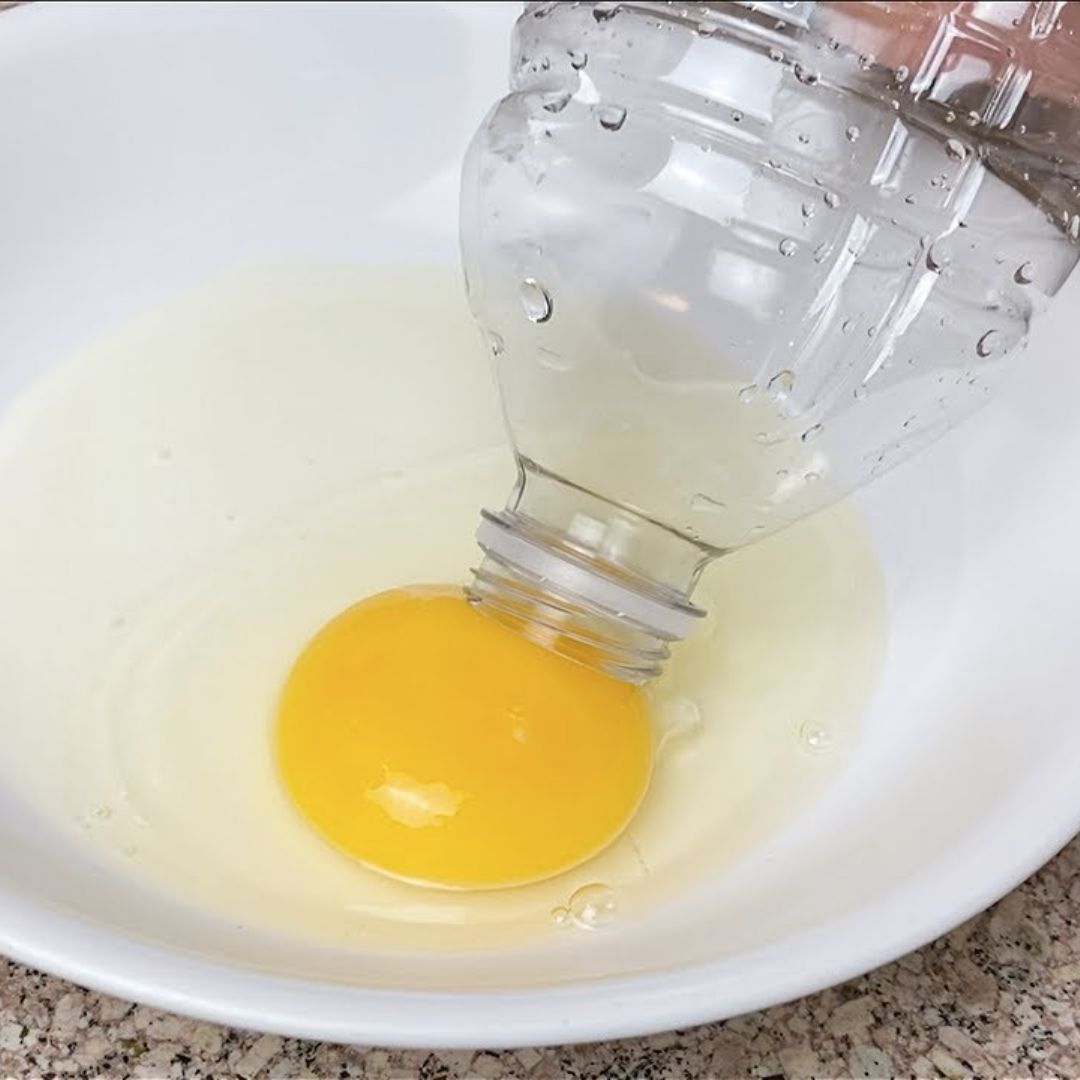
A small bowl helps when separating several eggs. Crack one into it, use a clean separator, then move the white or yolk to the bowl where you're collecting it. One broken yolk won't end up in every previously separated white.
Choose tools intended for food contact. The archive's bottle photograph isn't a safety endorsement of any old bottle. Raw egg also means a cleanup afterward: wash hands and the equipment it touched.
Use One Pan With a Complete Cooking Plan
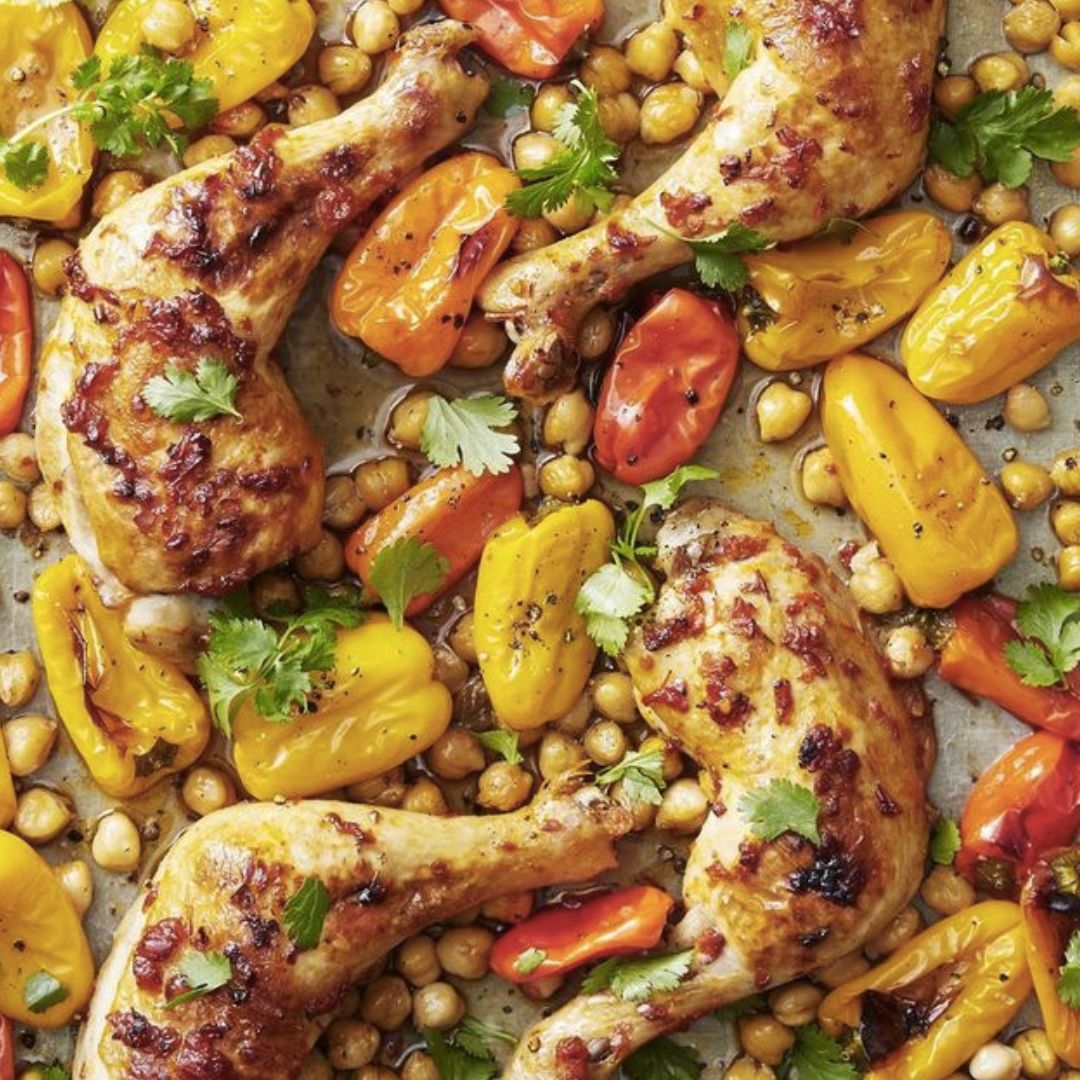
A chicken-and-vegetable tray can save washing up, but choose a recipe that covers the oven setting, piece sizes and cooking times. Brown vegetables don't tell you whether the chicken is ready.
Use a food thermometer: the federal cooking-temperature chart specifies 165°F for poultry. Keep the raw chicken and its juices away from ready-to-eat food. When serving, use a clean plate and clean utensils. One pan simplifies the equipment, not the temperature check.
Peel Only the Garlic You Need
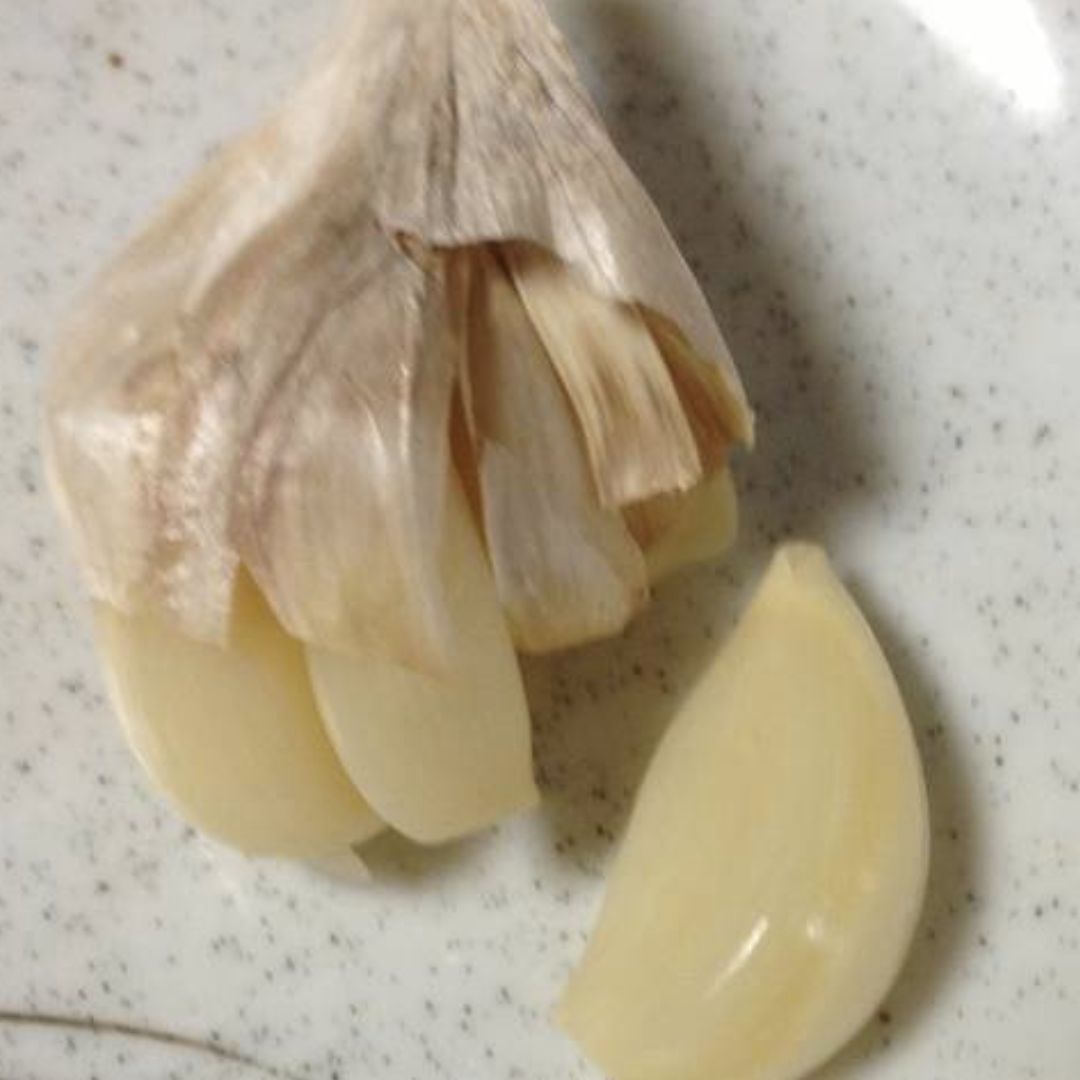
Split off the cloves the recipe needs, then peel them by hand or use a suitable tool. There is no need to prepare the rest of the head for a meal that only uses a little garlic. Keep fingers clear of sharp edges if your method involves one.
Microwaves vary, as do food quantities and containers. A fixed twenty-second instruction isn't a guarantee of easy peeling. Choose an appropriate method and remember that heated food can burn.
Make a Few Meals Ahead, Then Store Them Properly
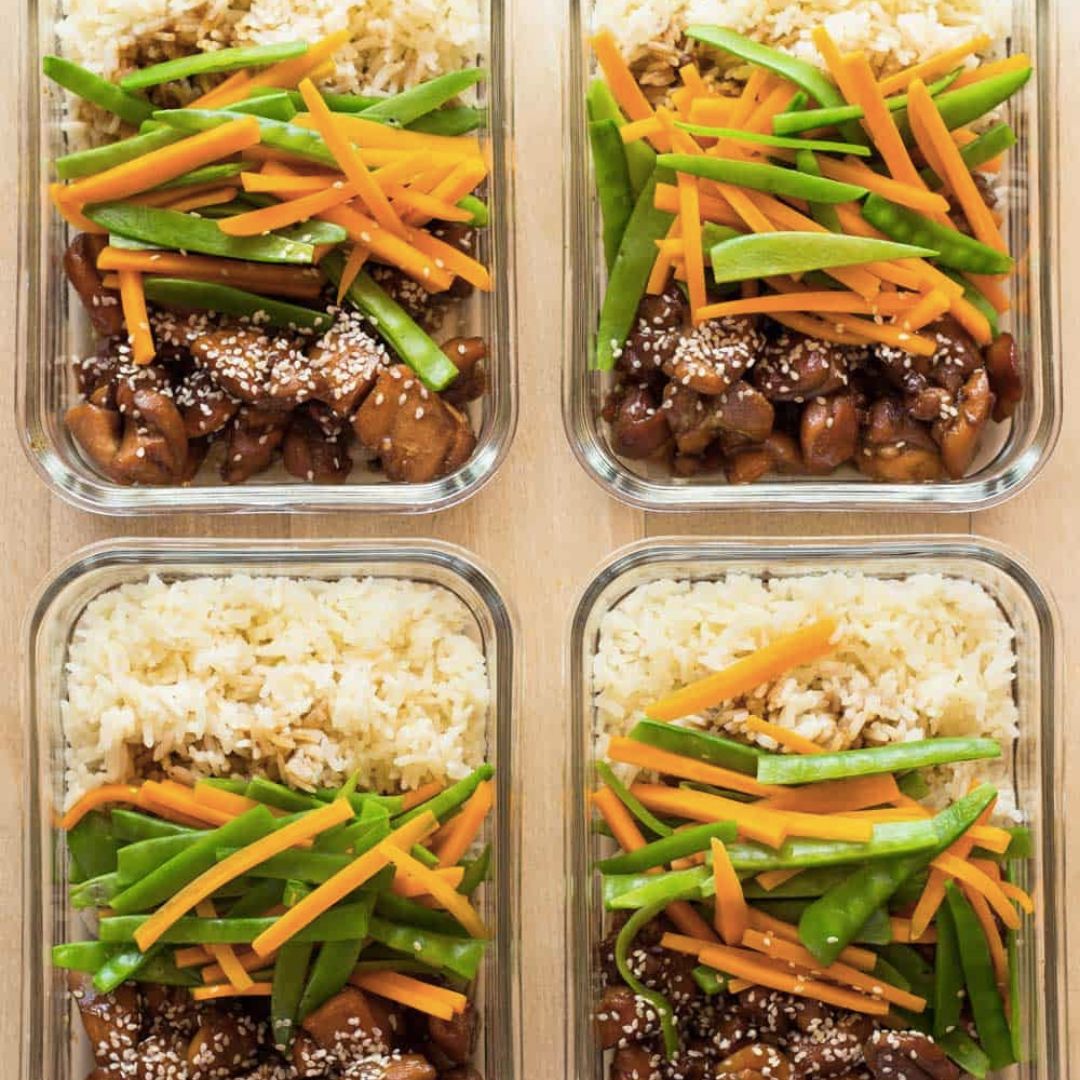
Portion the batch and label the dates. USDA's leftover guidance says perishables need prompt refrigeration, no later than two hours, or one hour if the temperature is above 90°F. Shallow containers help, and the fridge needs to stay at 40°F or below.
Use refrigerated leftovers within three to four days; freeze later portions. That's the distinction missing from a promise to cook Sunday for the whole week. Reheat leftovers to 165°F rather than guessing from how warm they feel.
Choose a Rolling Method That Fits the Recipe
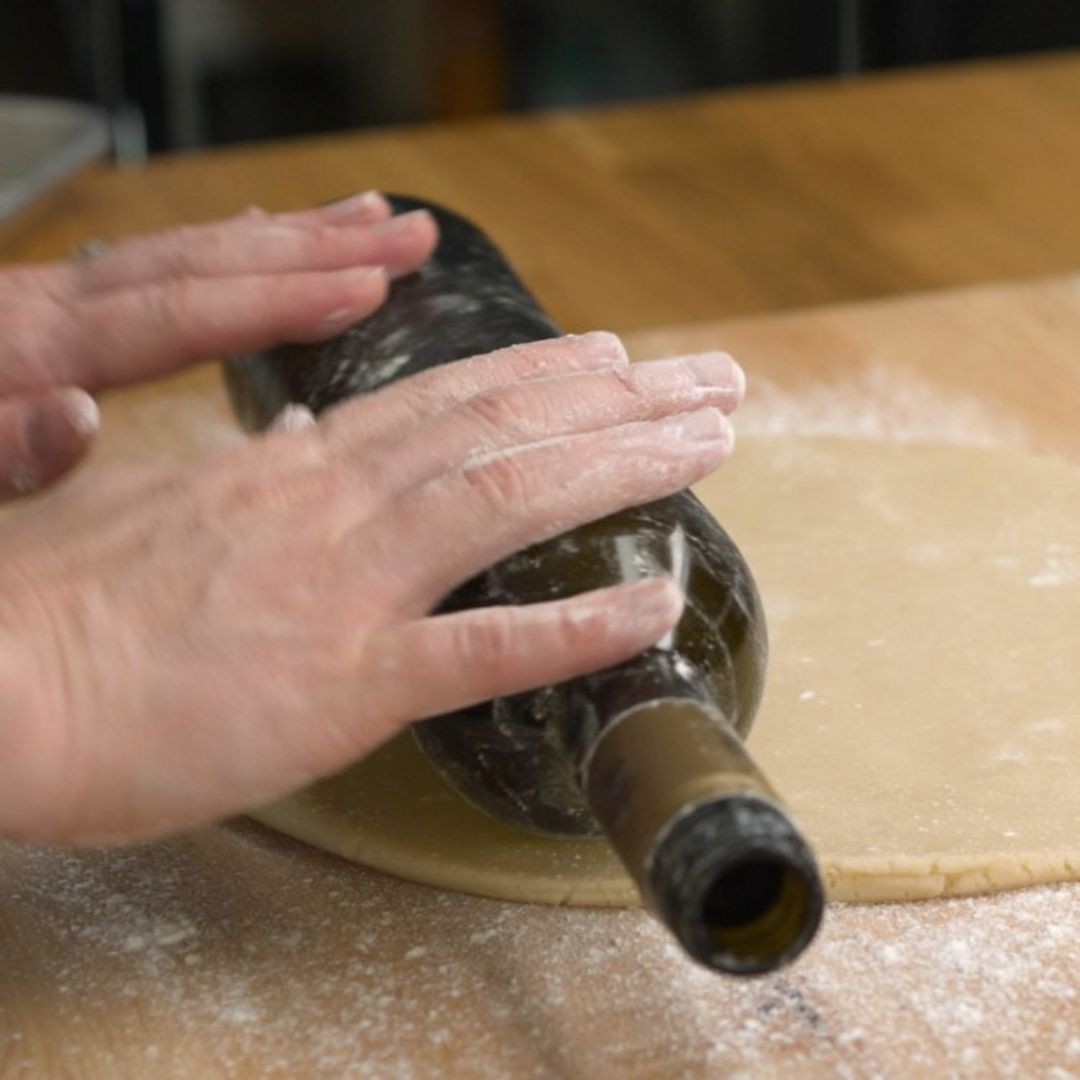
Read the dough instructions before looking for a substitute roller. Some recipes allow pressing straight into the pan. Others need a clean rolling pin to make an even sheet; prepare the tool and surface as directed.
The archive's wine bottle illustrates a makeshift method. Don't use fragile or unsuitable glass or force a substitute through the job. A recipe that works with your actual tools is a better starting point when equipment is limited.
Try Coffee Cubes for an Iced Drink
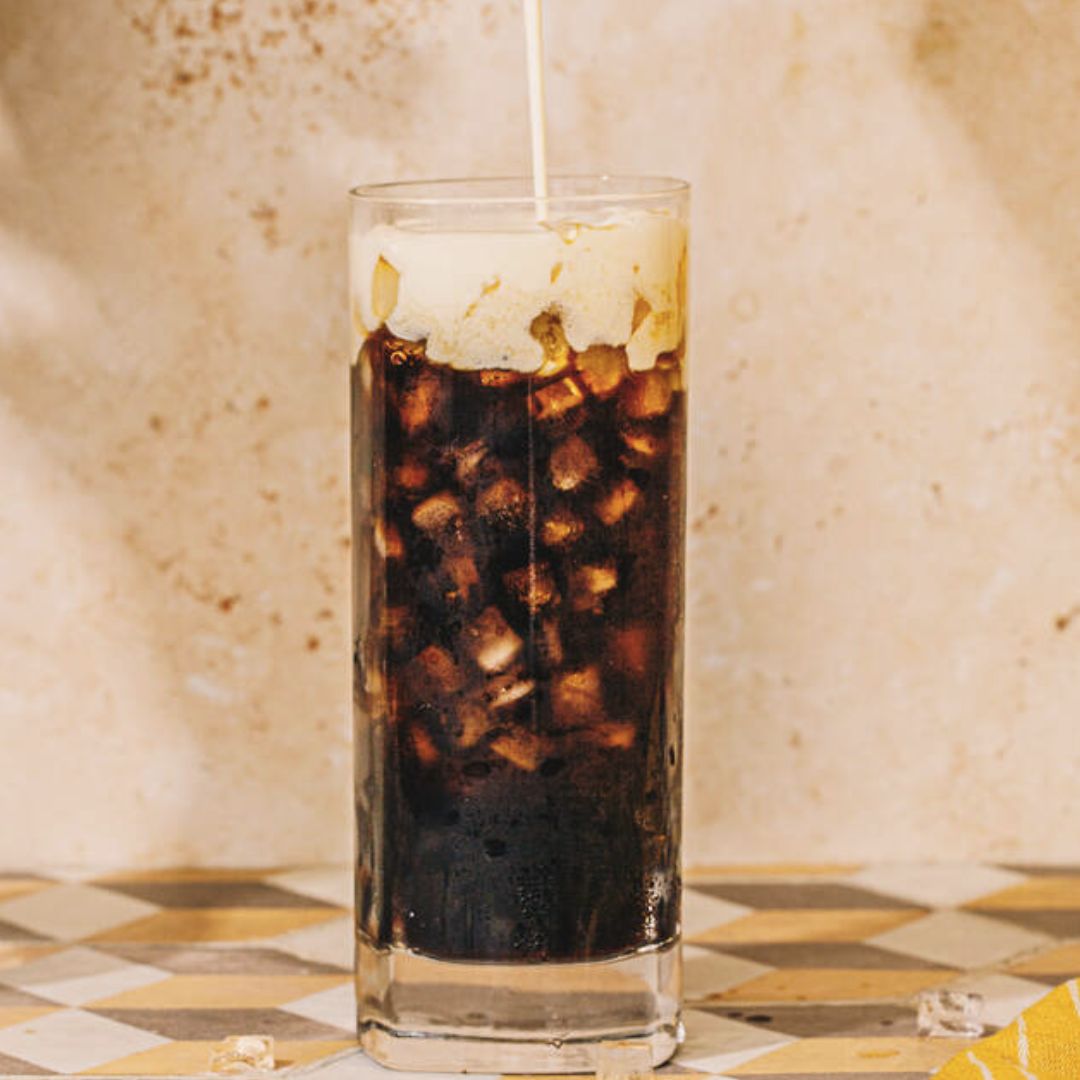
A small tray of frozen coffee lets the melting cubes add coffee to an iced drink, rather than plain water. Choose a clean freezer-safe tray, follow its instructions and don't overfill it. Try the cubes after they freeze.
Make a little first to check the strength you enjoy. Keep milk or cream refrigerated and follow its directions if adding it. The freezer is for a properly handled drink, not a fix for one already stored unsafely.
Use a Complete Recipe for a Mug Dessert
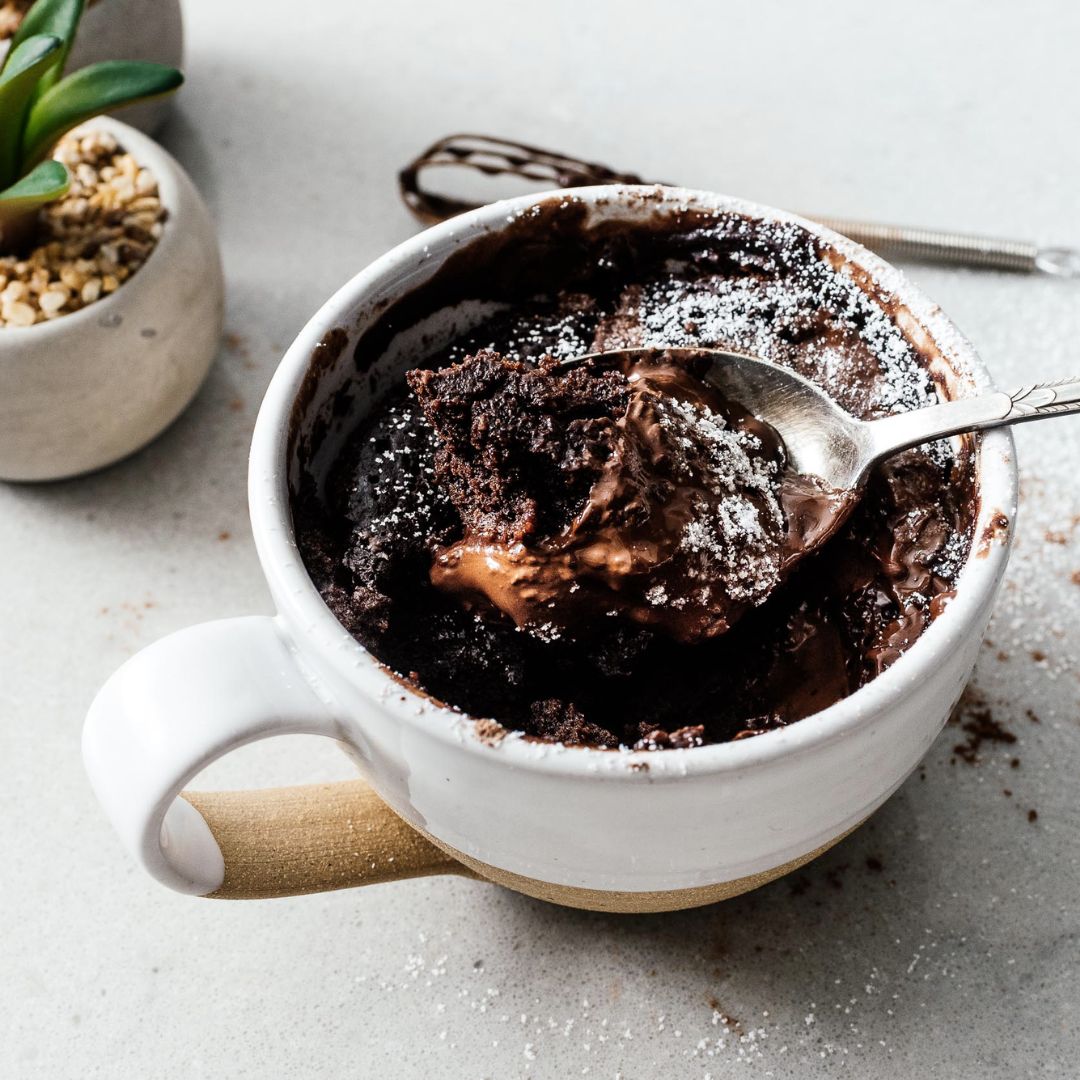
Choose a microwave-safe mug and a recipe made for its size and the appliance you're using. Follow the quantities, cooking method and standing time. A universal three-minute promise leaves too much out, and hot mugs or steam can burn.
FDA's flour-safety guidance says not to taste raw flour, dough or batter. Raw egg adds another concern. A firm top doesn't establish a cooked center. Don't use untreated raw flour to make a snack intended to be eaten uncooked.
Shred Cooked Chicken in a Stable Bowl
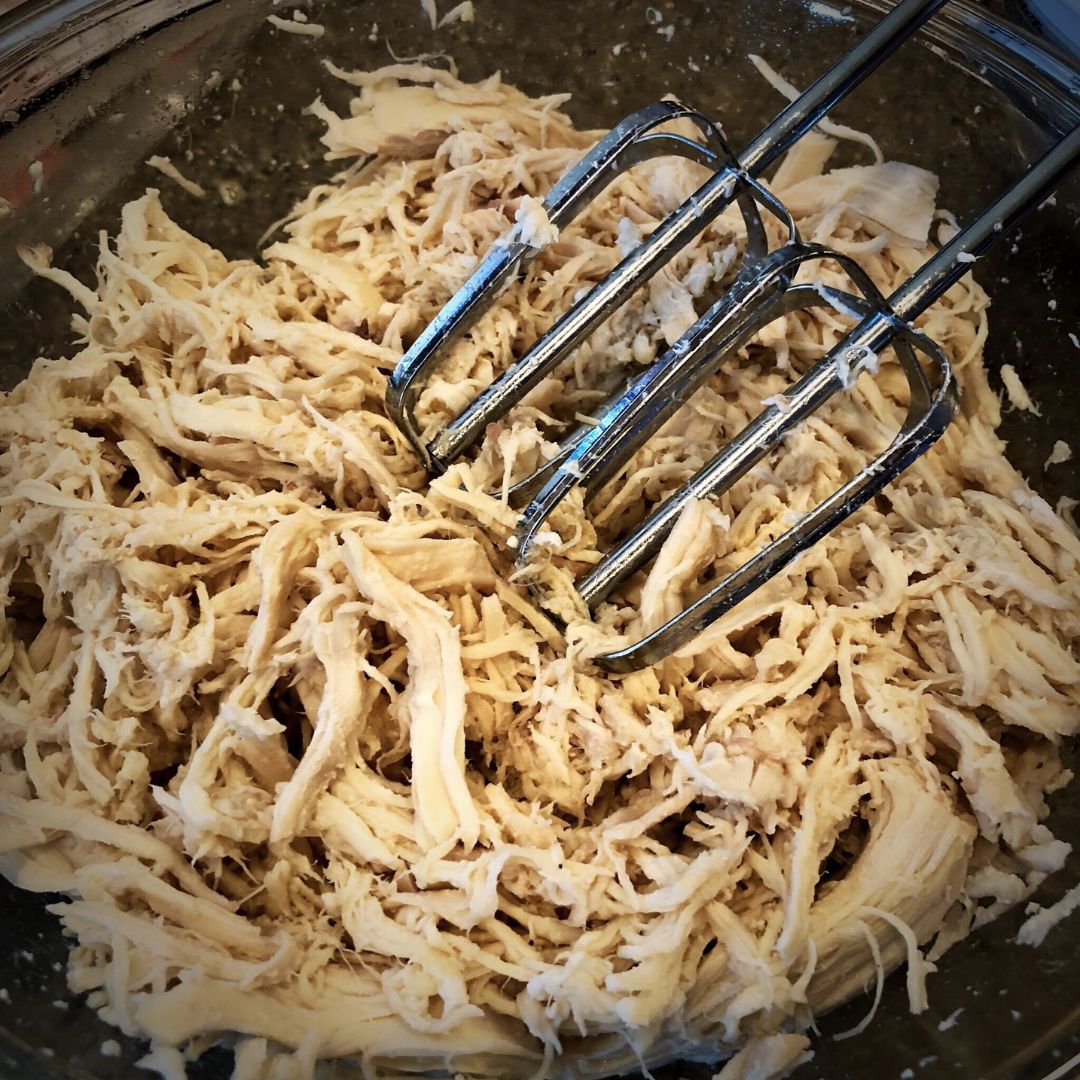
Check the chicken's internal temperature with a food thermometer during cooking. Once it's cooked, clean tools and a stable bowl are the starting point for shredding. Allow enough cooling to handle it safely, without leaving the meat out for an extended period.
Two forks suit a small portion. For more chicken, a mixer may help if its manufacturer permits that use. Follow the instructions and keep hands and utensils away from moving beaters. The mixer breaks the cooked meat into smaller pieces; it does none of the cooking.
Add a Fully Cooked Egg to Noodles
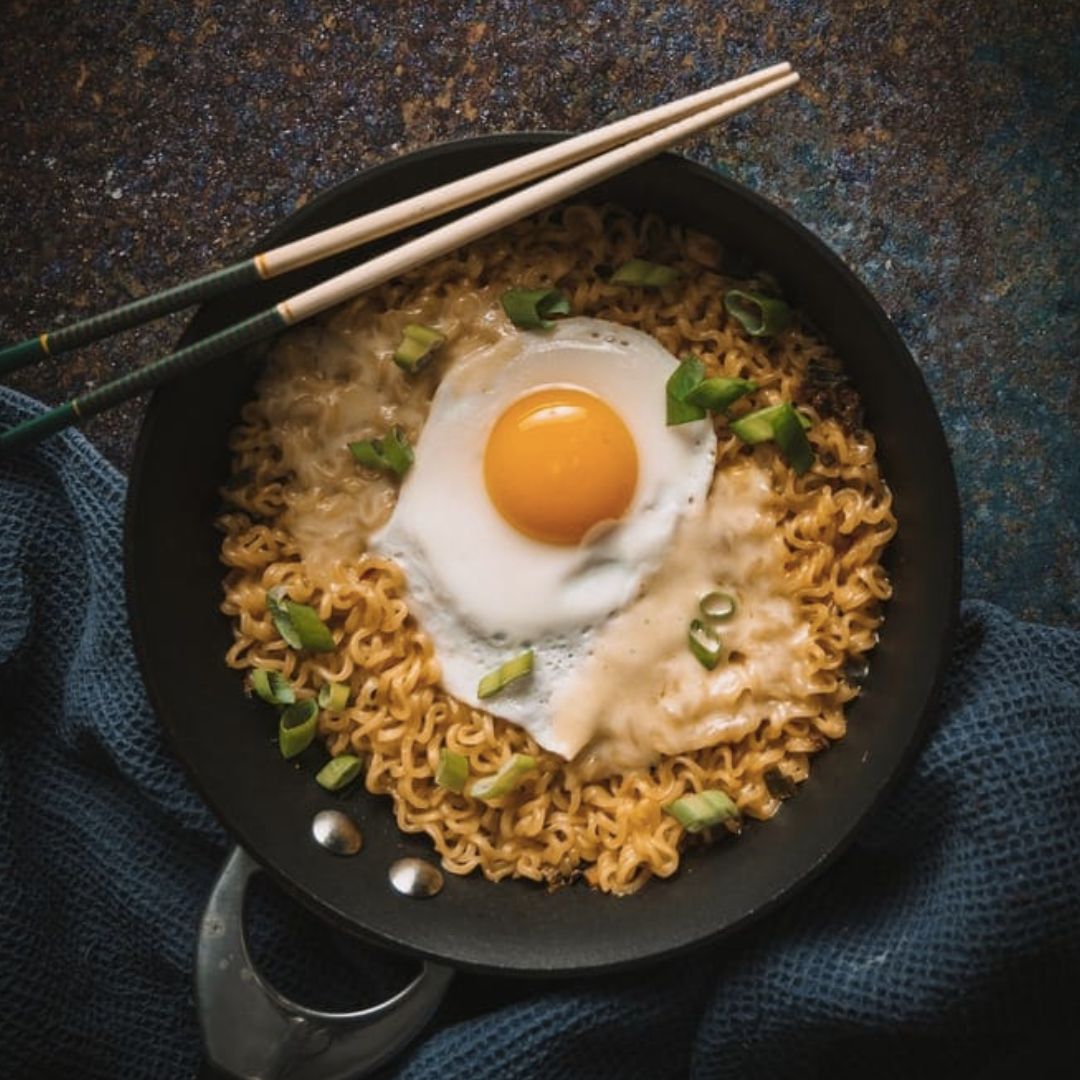
Cook an egg separately until its white and yolk are firm, then put it in your prepared noodles. It's an easy way to add something to the bowl without relying on noodle water to cook a raw egg.
Vegetables need suitable preparation too, and the noodles still need the method and time on their package. A softened noodle tells you about the noodle. It doesn't establish that every other ingredient has cooked properly. That depends on the food, its temperature and how you're cooking it.
Match the Hot-Water Method to the Noodles
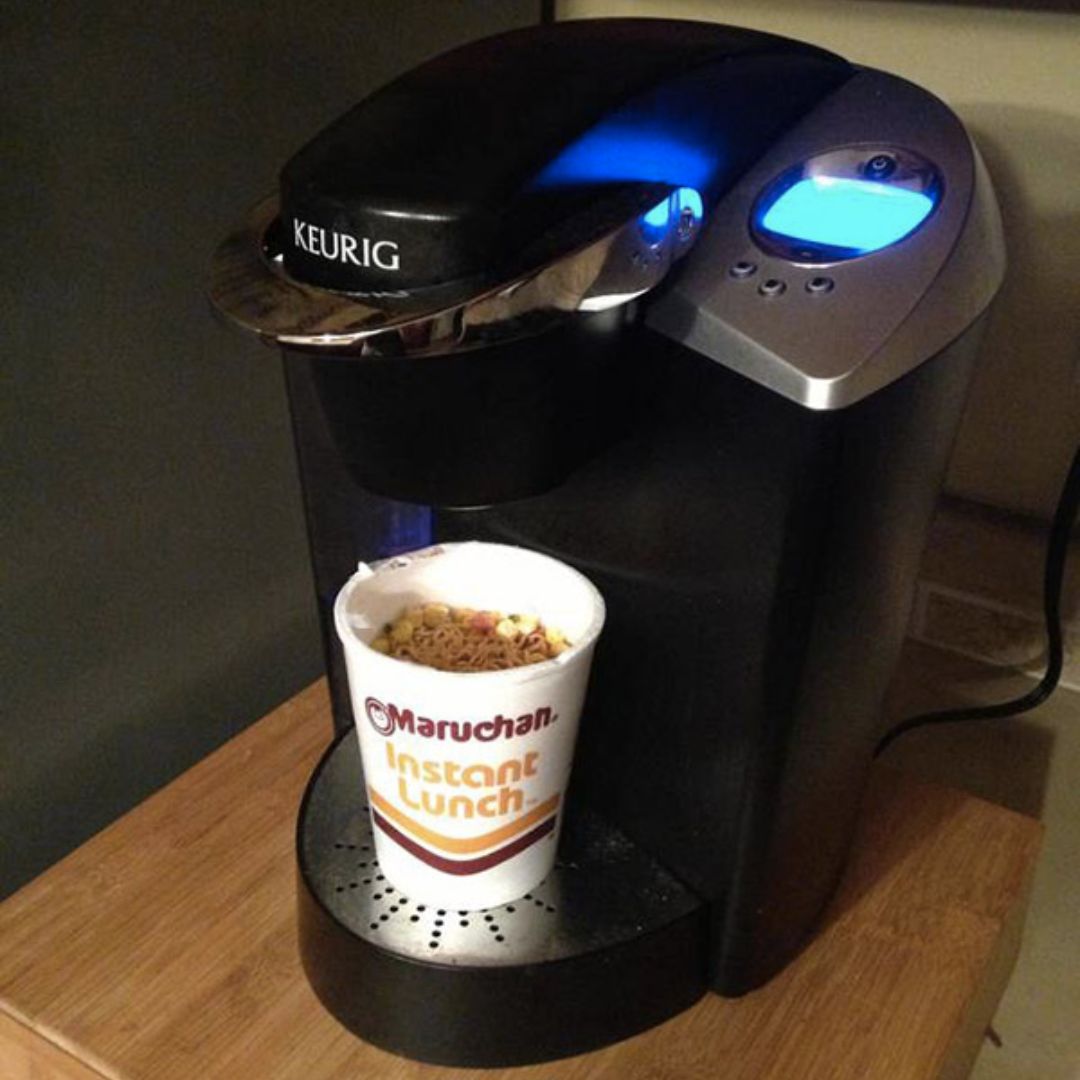
Some noodle cups require boiling water and a specified standing time; others need a different cooking method. Read the package before choosing equipment. A coffee maker's hot-water output shouldn't be assumed to satisfy every noodle instruction.
Use an appliance according to its own manual as well as the food directions. Don't put food into a machine's water reservoir. In a hotel room, a kettle or another suitable cooking method may be necessary, or choose food that doesn't need equipment the room lacks.