Care Doctor
Could Dinosaurs Have Shaped How Mammals Age? A Look at the Longevity-Bottleneck Hypothesis
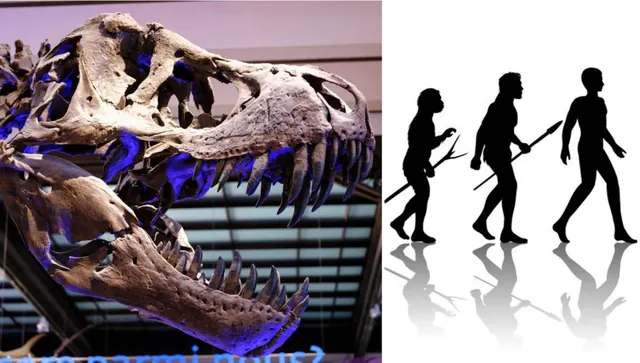
Dinosaurs disappeared long before humans existed, but could their dominance have left a mark on how mammals age? In 2023, University of Birmingham researcher João Pedro de Magalhães proposed an explanation he called the longevity-bottleneck hypothesis.
His argument concerns evolutionary pressures on early mammals. It does not show that a dinosaur determined anyone’s lifespan, or that researchers have found a treatment that reverses ageing.
A question about different animals

Some reptiles and amphibians show very slow age-related decline. Mammals follow many different patterns too, but even long-lived mammals experience ageing. De Magalhães used those differences to ask how the history of our wider animal group might have shaped the biological options available to it.
Life under large predators
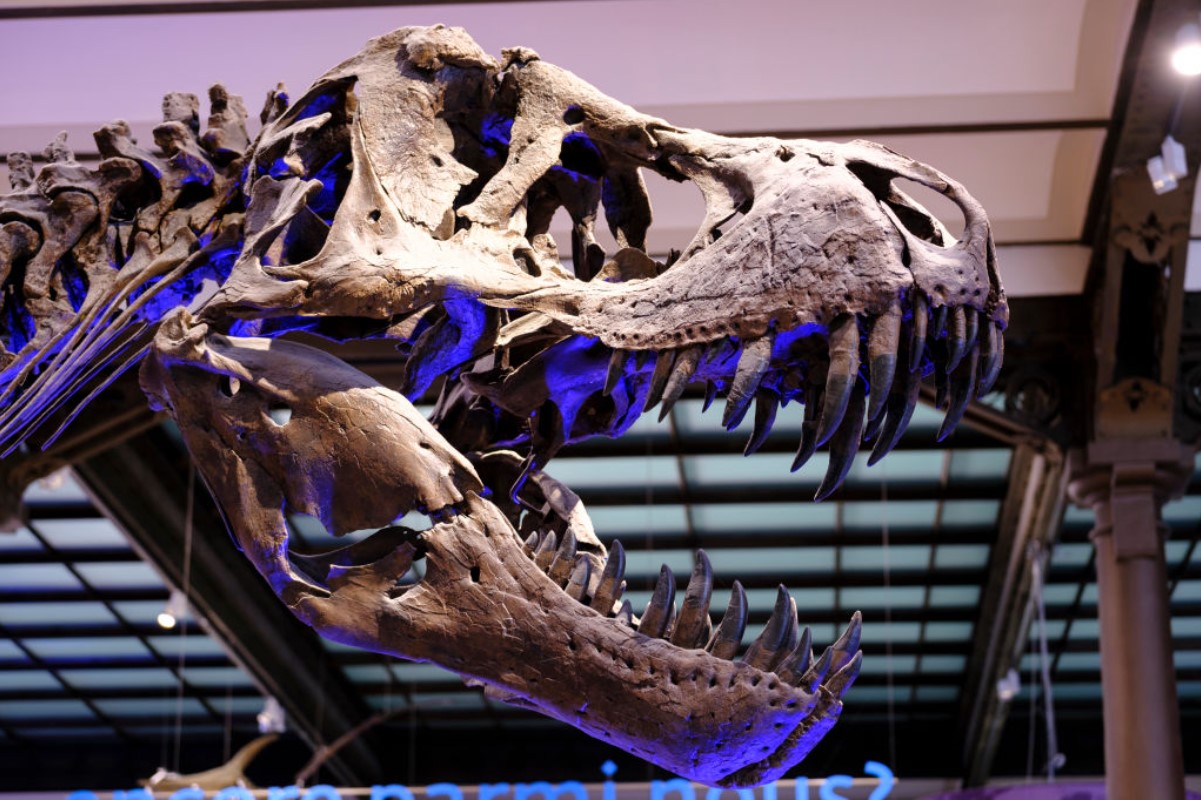
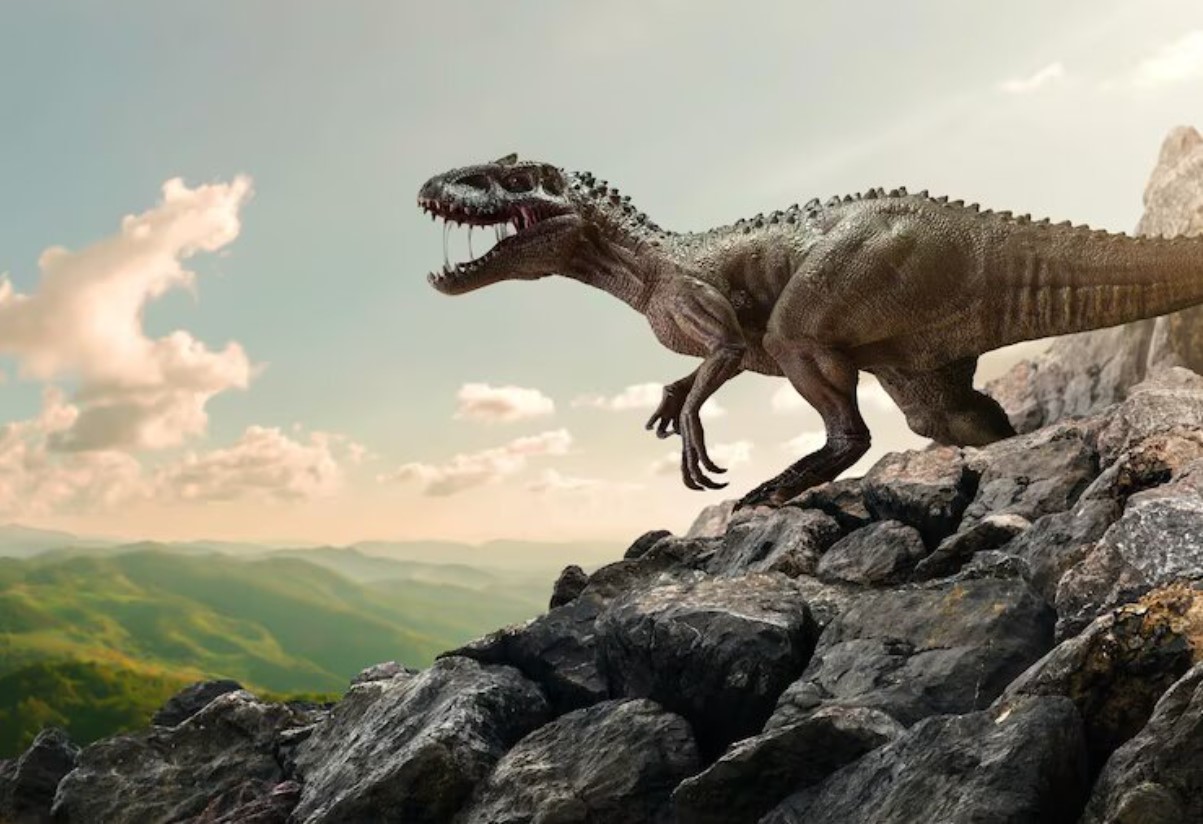
The proposal looks back more than 100 million years, when dinosaurs dominated many environments. Early mammals were generally small, and many were active at night. In that setting, reproducing before being killed could matter more to evolutionary success than retaining traits that become useful much later in life.
Selection does not involve a choice
The original archive account described mammals as actively refocusing their efforts. Evolution does not work through animals deciding which genes to keep. Across generations, traits that help organisms leave descendants can spread. The hypothesis asks if that pressure favored rapid reproduction while some long-term maintenance mechanisms were lost or weakened.
What the bottleneck means

The published BioEssays paper proposes that this early history could have constrained later mammal evolution. A bottleneck here means a narrowing of possibilities, not a single gene that sets an expiry date. Humans and other mammals could still evolve long lives within those inherited limits.
Examples, rather than a clinical test
The paper discusses differences in repair and regenerative abilities across animal groups. Those comparisons help explain the idea being proposed. They do not establish that every reptile lives longer than every mammal, and they do not mean a person can recover a missing ability by copying another animal’s habits.
Long-lived mammals still exist
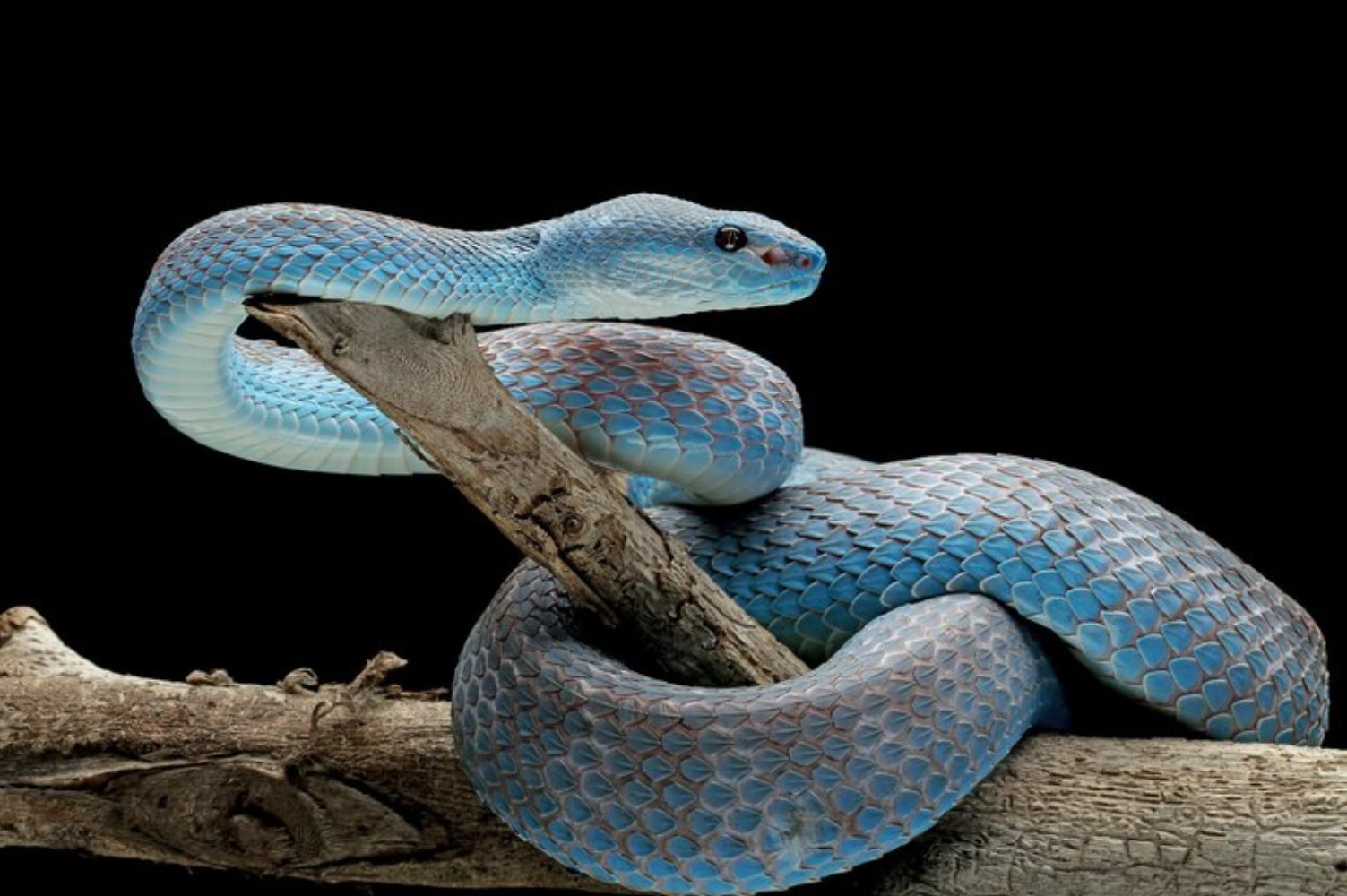
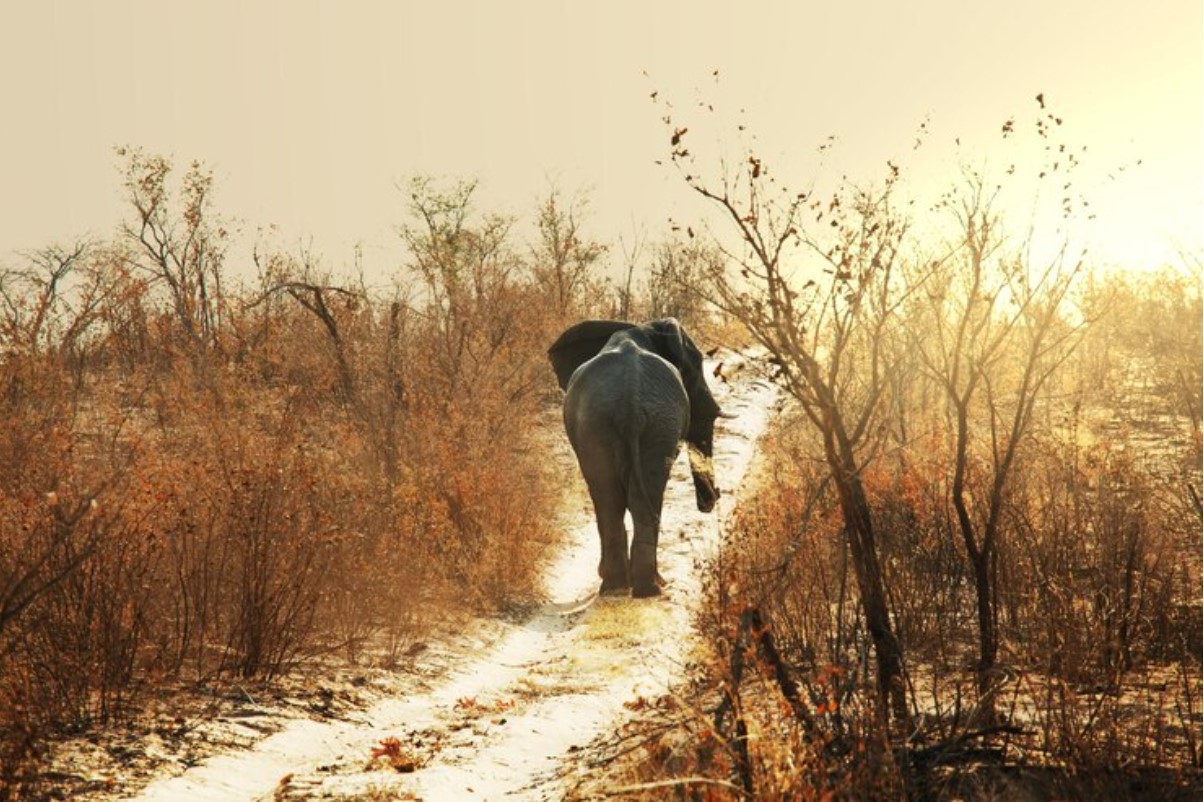
People, elephants and some whales can live for many decades. Their existence is part of the question, rather than an exception to hide. Any useful explanation of mammal ageing has to account for that range. Body size, environment and evolutionary history cannot be reduced to one simple ranking of animals.
A paper presented as a hypothesis
BioEssays published the work in its Ideas & Speculations category. That description matters when reading a headline about dinosaurs and human longevity. The author set out an explanation that could be investigated, drawing on existing observations. He did not report an experiment that proved dinosaurs shortened human lives.
The limits of an evolutionary story
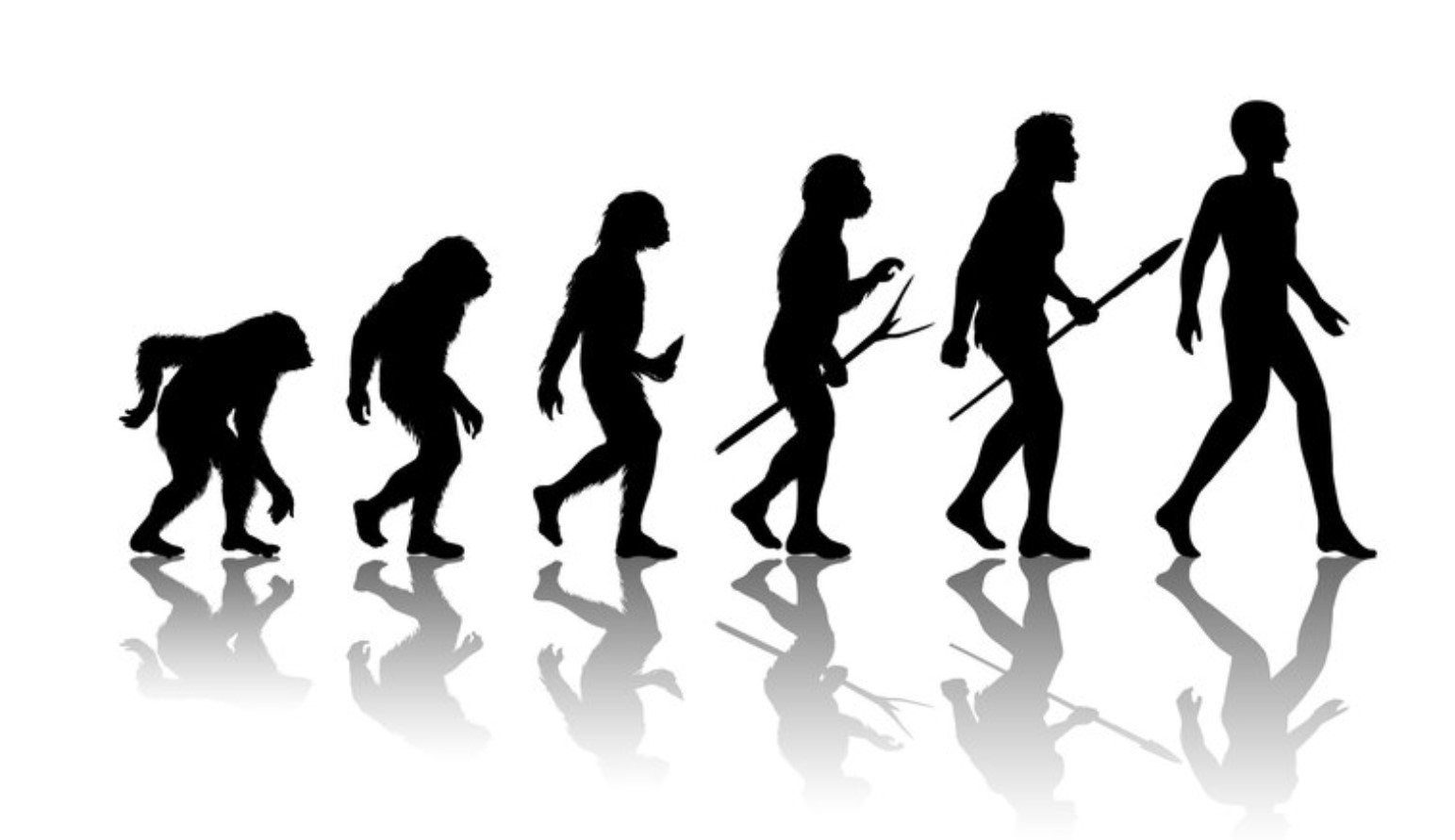
Explaining why a trait might have evolved is different from demonstrating each step in that history. A convincing account needs evidence that can distinguish it from other explanations. The proposal offers questions about genes, repair mechanisms and animal comparisons; those questions remain open to testing.
Ageing and disease are related questions
The University of Birmingham’s explanation also raised possible directions for studying disease differences between animal groups. Those suggestions should not be read as an established account of why a particular person develops cancer. A broad evolutionary idea cannot supply that kind of individual medical explanation.
What it means for a reader
There is no diet, supplement or procedure to follow in this paper. Its subject is the deep history of mammals, not a clinical recommendation. If you came across the stronger claim that humans would definitely live much longer without dinosaurs, the evidence does not establish that counterfactual.
Keeping the dates attached

The hypothesis was introduced in 2023. Revisiting it now means keeping that date and its speculative status together. It is an interesting way to ask why animals age differently, with a much narrower claim than a discovery that explains, or promises to change, how long you will live.