Care Doctor
The 2024 Texas Injection Case and What FDA Guidance Says About Body Contouring
In April 2024, reports from a Harris County courtroom described allegations against Consuelo Dal Bo and her daughter, Isabella, involving cosmetic injections offered without a medical license. The case drew attention to the uncertainty surrounding the substances investigators said were being used.
This account concerns those reported allegations and the safety guidance relevant to them. It does not present an arrest as a conviction or claim to establish a final court outcome.
What the undercover account described

FOX 26’s April 5 courtroom report described a proposed $6,000 injection procedure involving an undercover officer. Investigators alleged that the women arrived with supplies and were preparing to carry it out. The report attributed the description of a brown liquid to court documents; its appearance did not establish its chemical contents.
Separate people and allegations

Consuelo and Isabella were identified as mother and daughter. Accounts of the investigation included allegations of practicing medicine without a license, as well as a controlled-substance allegation involving Consuelo. Those details should remain attributed to the 2024 proceedings, rather than being rewritten as findings against either woman.
What Consuelo said publicly

Speaking to FOX 26 outside court, Consuelo described having attended medical school in Mexico and having worked for a doctor. Those were her statements. They did not establish a Texas medical license or verify the training claimed. She also disputed the account of her daughter’s involvement, saying Isabella helped with driving and luggage.
The later April hearing
KPRC’s April 16 court report said a Harris County judge ordered the women not to perform procedures or possess the substances at issue. The report quoted a prosecutor describing an investigation at that time. A hearing report records a stage in a case; it is not a substitute for a verdict.
Fillers are approved for particular uses

FDA guidance distinguishes approved dermal-filler uses from body-contouring injections. Some fillers are approved for specific areas of the face or hands. That does not make a product approved for enlarging the buttocks or other body areas. The product, injection site and intended use all matter.
Silicone is not an approved shortcut
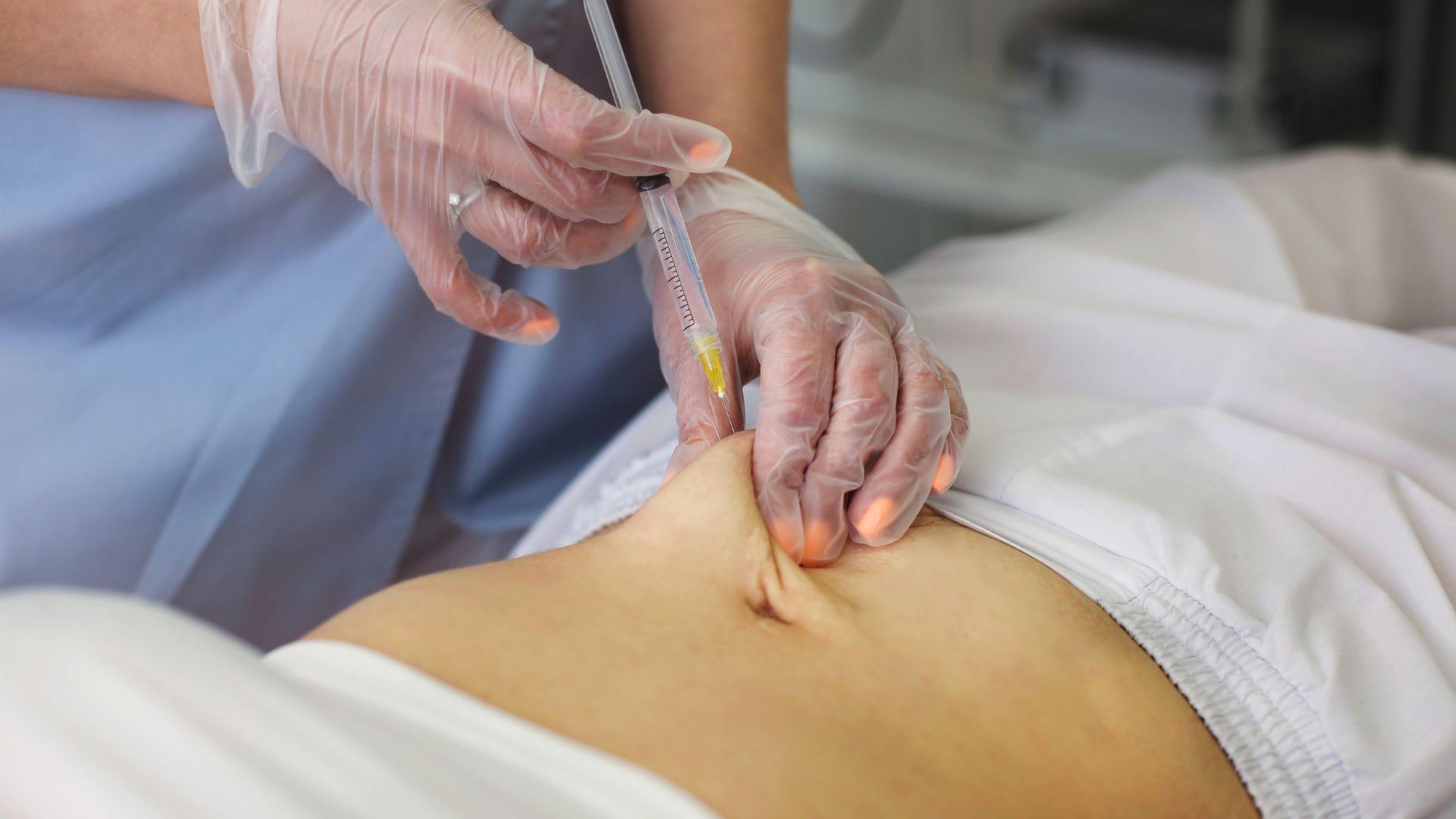
The FDA says injectable silicone is not approved for aesthetic procedures. Its guidance warns that injections can cause severe injury, including embolism, tissue damage and infection. That warning explains a general risk; it does not prove that silicone was the substance in this particular investigation.
Training claims need checking
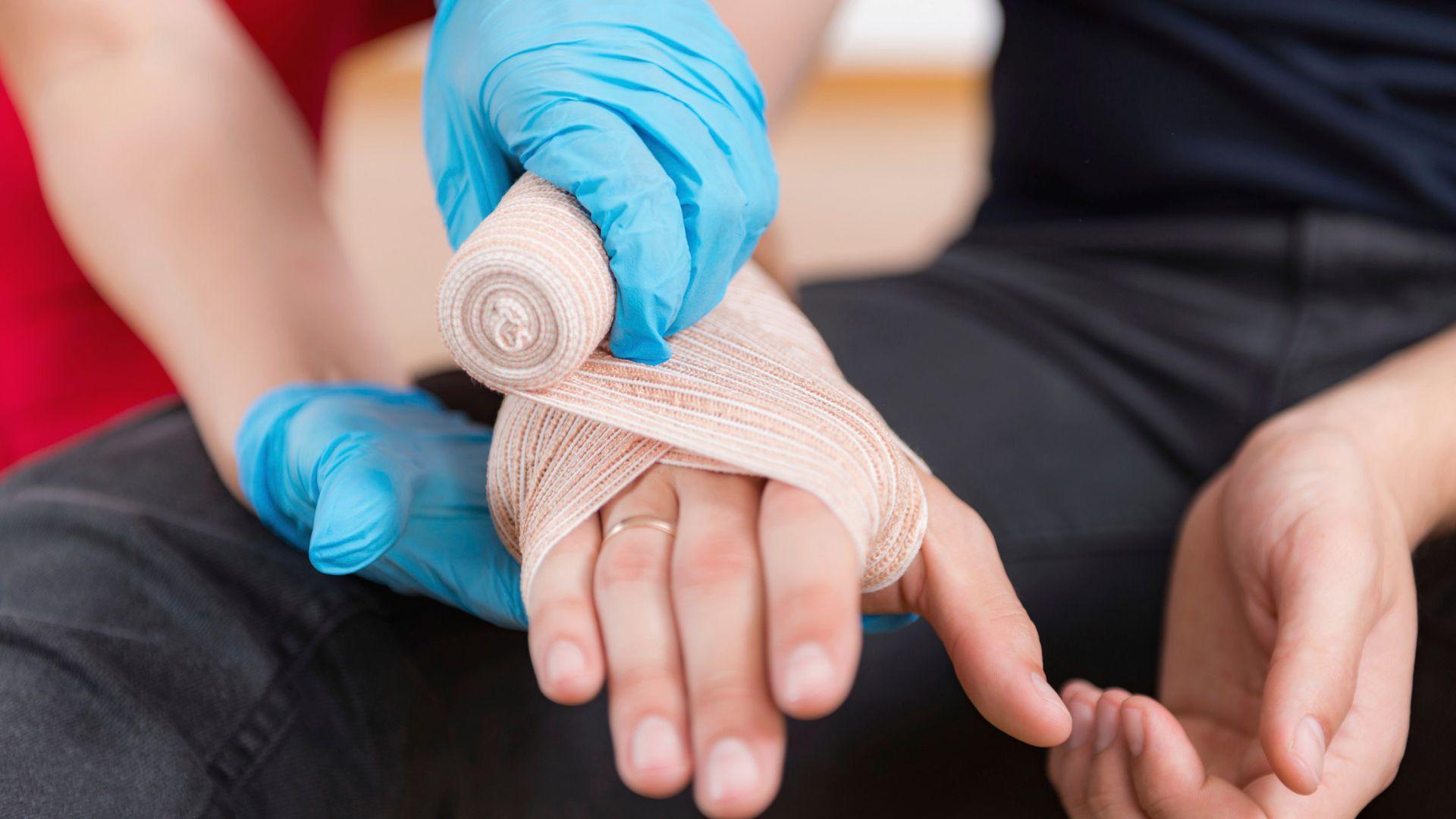
A claimed medical background, a professional-looking room or photographs of earlier clients cannot establish that a proposed injection is appropriate. The FDA advises choosing a licensed healthcare professional with relevant training. It also advises discussing the specific product, its approved uses and the risks before a procedure.
Pictures cannot identify the substance

The images accompanying this article are illustrative archive photographs. They do not show the defendants, the undercover encounter or laboratory testing. A stock photograph of a syringe or treatment room is not evidence about what was offered in the Texas case.
Reading a dated case carefully
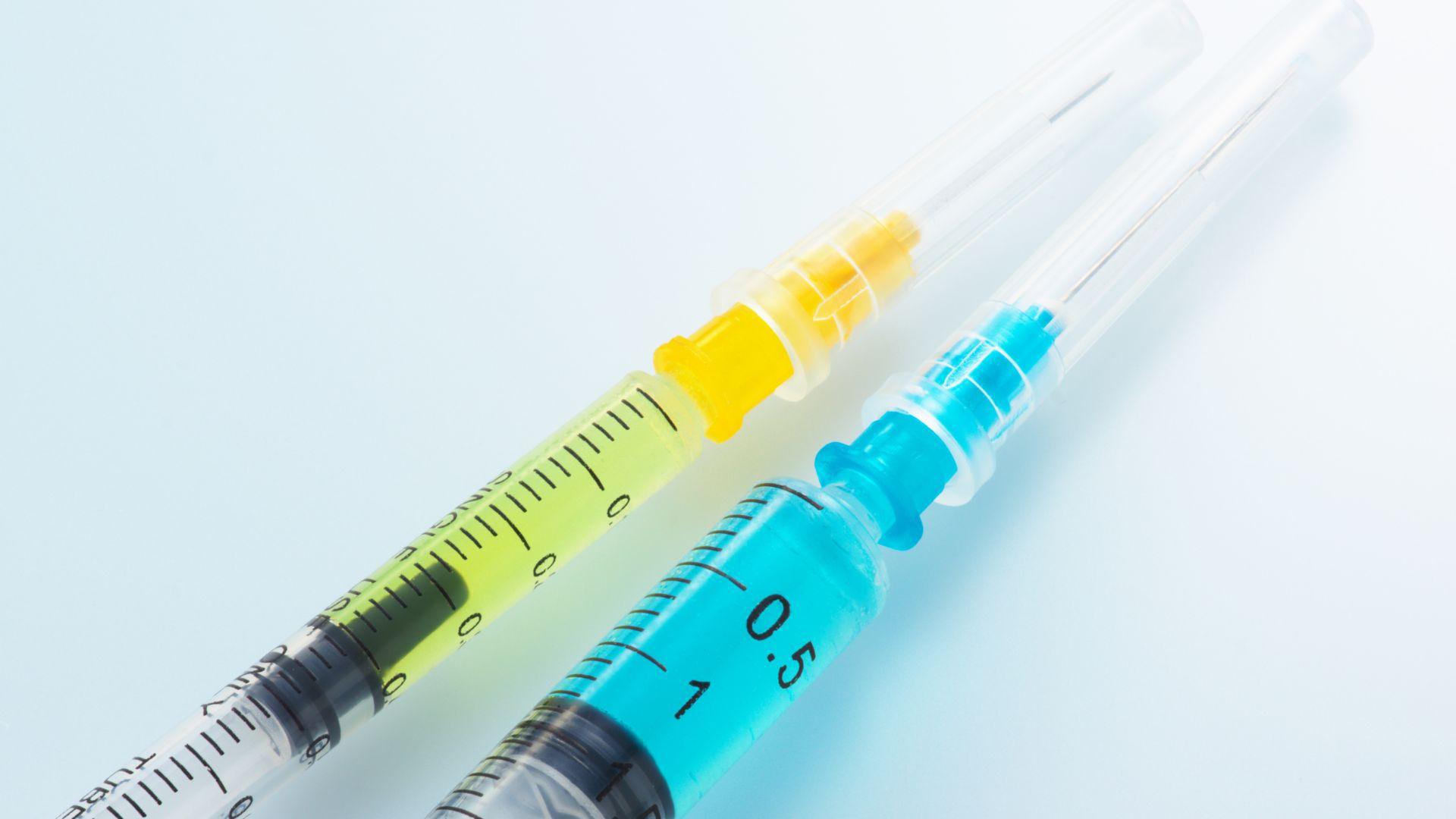
The useful distinction is between what was alleged in 2024 and what the regulator says about products and uses. Neither should be stretched to fill gaps in the other. This retrospective makes no claim about a current case status, and it does not infer guilt from an accusation or a general FDA warning.
Questions before a cosmetic procedure

If you are considering fillers, ask about the clinician’s license, the exact product and the proposed injection site. Review the risks and alternatives with a qualified healthcare professional. A service being advertised, or described as cheaper, does not make an unapproved body-contouring injection an approved treatment.