Care Doctor
A Texas Hospital Tried Life-Size Hologram Visits. What Does the Display Change?

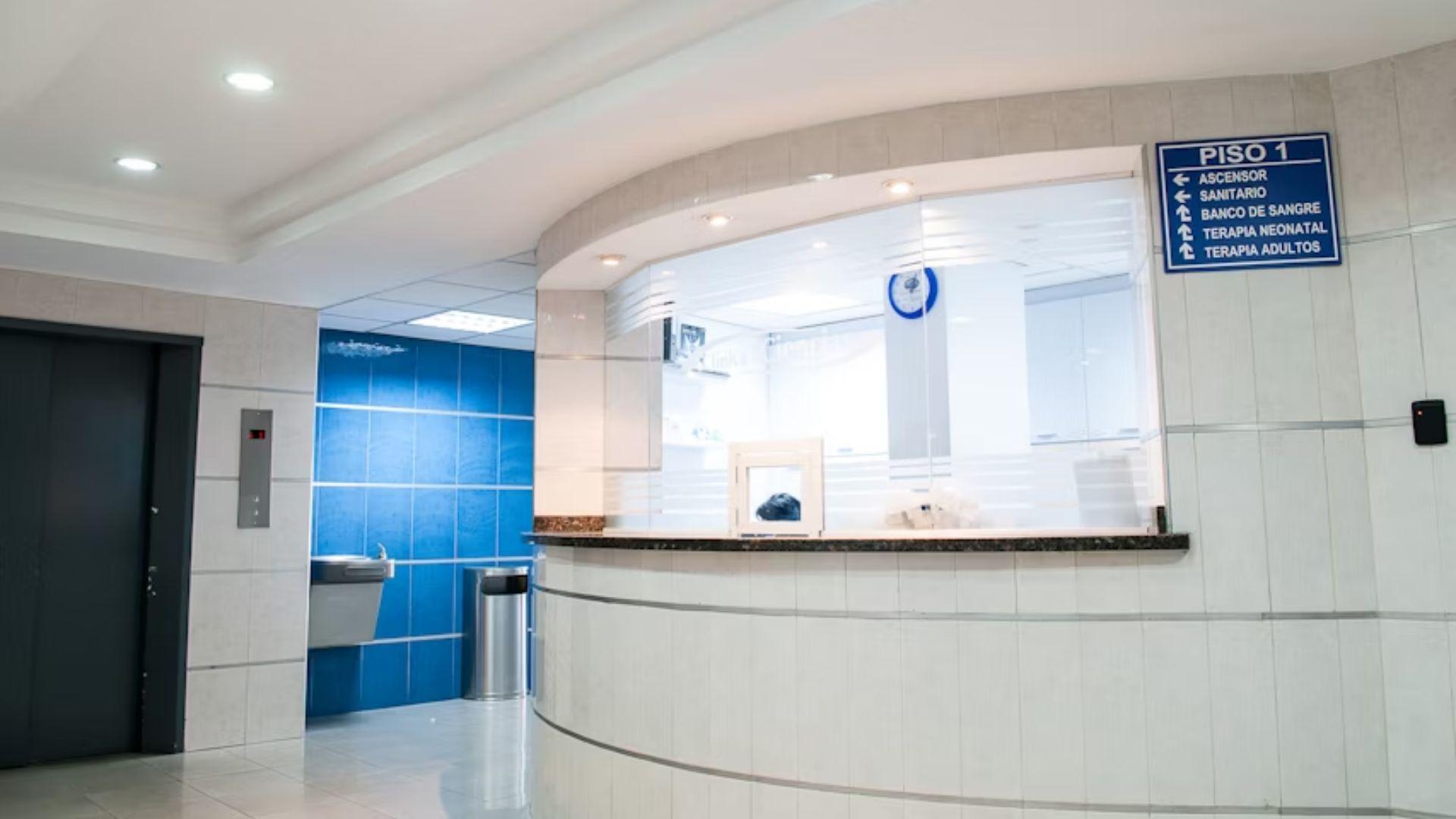
A doctor appears at life size inside a display cabinet, while the actual person speaks from somewhere else. That was the idea behind Crescent Regional Hospital's 2024 partnership with Holoconnects in Lancaster, Texas.
The announcement described remote consultations with a human clinician. The remote clinician was still a human, not an autonomous AI doctor.
What Crescent Announced in 2024

Holoconnects' May 28 announcement said the hospital had installed a full-size, 86-inch Holobox display and a video studio. It also described plans for smaller displays at hospital and clinic locations.
The partners called it the first US hospital deployment of its kind. That was their claim in a launch announcement, not an independently audited inventory of every hospital's equipment. The planned installations were separate from the first installed unit.
The Hologram Is a Display Effect
Behind the glass is a display system, not a person. Holoconnects describes a transparent LCD paired with a specially designed light box to create an impression of depth.
The clinician stays at the transmitting location while the patient sees the image in the cabinet. The product's hologram label describes that visual effect; it doesn't mean the doctor has physically arrived.
A Live Link Supports Conversation

Holoconnects describes a live connection from a recording studio to the display, with audio allowing the speaker and audience to respond to each other. It also sells prerecorded-content uses.
Prerecorded presentations differ from appointments: a live consultation lets the patient ask questions and receive responses.
Why the Hospital Wanted It

In the partnership announcement, hospital chief executive Raji Kumar described hopes for more specialist access, shorter waits and less physician travel. The release listed consultations, virtual rounds and patient education as possible uses.
The announcement wasn't a comparative clinical study showing better diagnoses, recovery or results than standard video.
A Bigger Image Still Has Clinical Limits
HHS guidance asks care teams to explain when telehealth is suitable and when an in-person appointment may be needed. A life-size image doesn't remove that decision.
The display presents the remote clinician. It doesn't perform every part of a hands-on examination. The team must still work out what can be assessed through the connection and what additional evaluation the patient needs.
Travel Savings Depend on the Setup
Where will the patient sit, and where will the doctor be? Those locations determine which journeys a remote appointment might avoid.
A clinician may be able to speak from another site, while the patient still travels to the clinic containing the display. That arrangement differs from a home video call. The equipment's presence doesn't establish that both people have avoided the same trip.
Connection and Privacy Still Matter

HHS's telehealth guidance includes explaining technology, appointment costs, privacy and who else will attend. Those details remain part of the visit even when the display looks impressive.
A patient may need help understanding how to use the system or who can hear the conversation. A new visual format doesn't answer those questions automatically; the clinic has to explain how its actual service works.
The Cost Question Needs a Fair Comparison

The relevant comparison includes equipment, premises, connections, support and staff time, alongside any travel avoided. An old equipment quote cannot establish what a hospital pays today or what a patient's appointment will cost.
Patient experience also deserves measurement. Satisfaction with the display, clinical quality and financial value are different outcomes. Evidence about one should not quietly be presented as proof of the others.
Look Beyond the Launch Demonstration
The 2024 installation showed how a hospital could present a remote clinician at life size. The next questions concern how the service works for patients: access, communication, appropriate examinations and outcomes.
Assessing actual visits would tell us more than treating a launch promise or a skeptical reaction as a completed study.