Care Doctor
Nitrate, Nitrite and Nitrosamines on a Food Label
A food label lists a word you half recognize. Nitrite, perhaps, or nitrate, which sounds nearly identical and turns up in articles about vegetables. A third word, nitrosamines, appears in news about processed food. It is easy to read all three as one warning. It is more useful to read them as three names for three different things, each tied to a different safety question.
EFSA used these three names to answer different questions. One concerns why an ingredient is added to a food. Another concerns nitrate already present in some vegetables. A third concerns compounds that can form during food preparation and processing. A label can tell you which ingredient it names, but it cannot tell you how much of a substance you get from everything you eat.
Three names, three different things
Nitrate and nitrite are close relatives. Both are built from nitrogen and oxygen, and nitrite carries one fewer oxygen atom than nitrate. The similar spelling invites a quick assumption that they behave and appear alike. Their typical food contexts differ, which is the first thing worth separating.
Nitrosamines are a different group altogether. EFSA's 2023 assessment addresses them as compounds that can form during food preparation and processing. That wording is about formation, which is a different idea from an ingredient added on purpose.
EFSA looked at nitrate and nitrite as added ingredients, nitrate that occurs naturally in vegetables, and nitrosamines that can form during processing or cooking. Added nitrate and nitrite are tied to roles such as curing meat. Natural nitrate is tied to vegetables. Nitrosamines are tied to preparation and processing steps. Those pairings are starting points for reading, not rules about any one food.
So the first label skill is simple. Ask which of the three words you are looking at.
Nitrate and nitrite as added ingredients
EFSA's 2017 assessment covers nitrate and nitrite when they are added to food as additives. The agency explains their roles in curing meat, among other uses. In that setting, the names on a label point to a technical job the ingredient does, and the assessment concerns the use of the additives.
Total exposure is a separate question from additive use. Total exposure means everything taken in from every source, and an additive listed on a label is one source among several. EFSA's 2017 assessment is about the additives, so reading it as a verdict on a whole diet asks it a question it was not built to answer.
On a label, the word is a name, not a measurement.
Nitrate in vegetables is a separate story
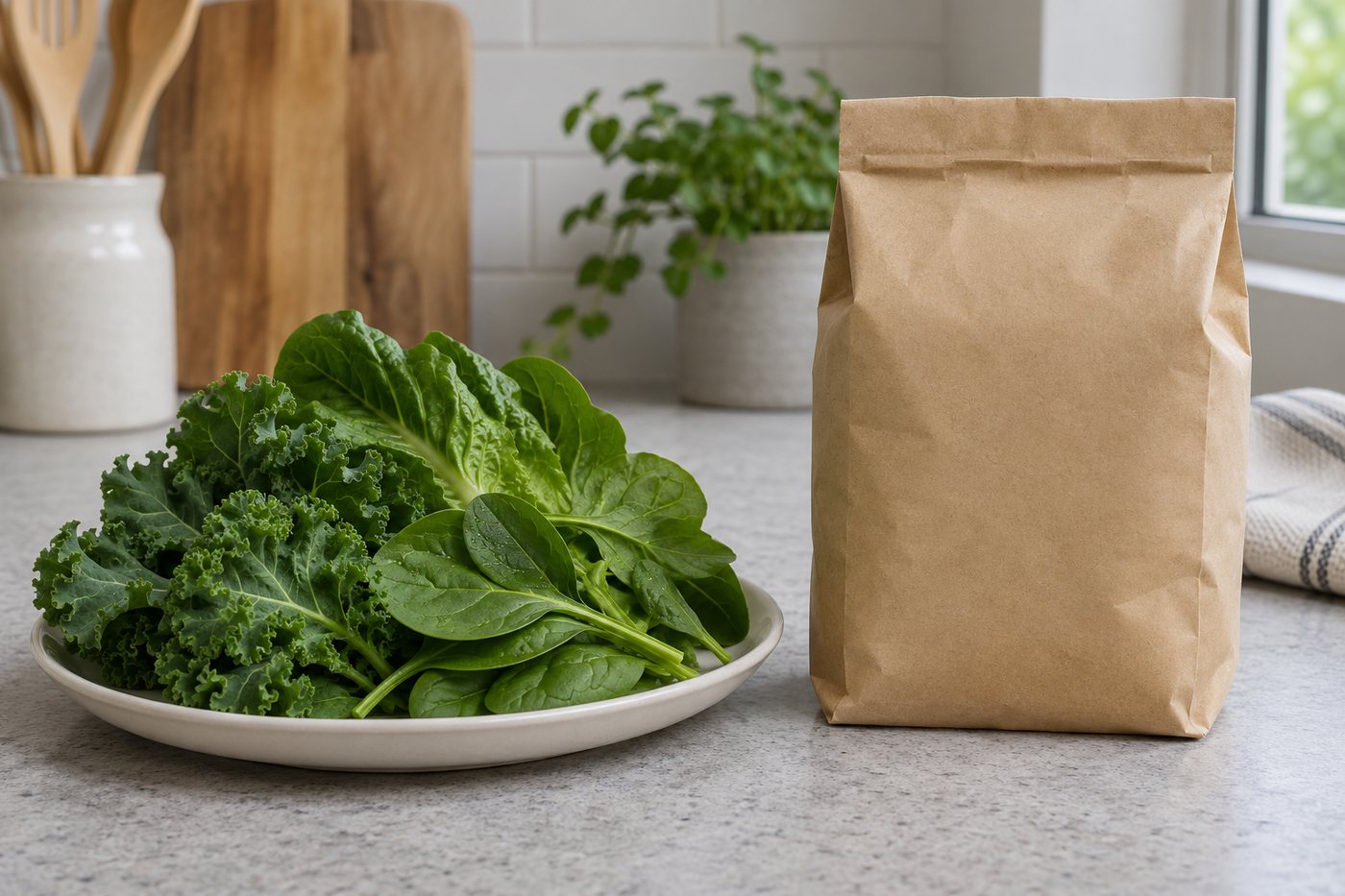
Nitrate also occurs naturally in vegetables, and EFSA has assessed that separately. Its vegetable nitrate assessment considered the potential risks and the benefits of a balanced diet high in vegetables and fruit. That pairing is the point: the question was not only about the chemical, but about the chemical inside a food pattern with benefits the assessment also considered.
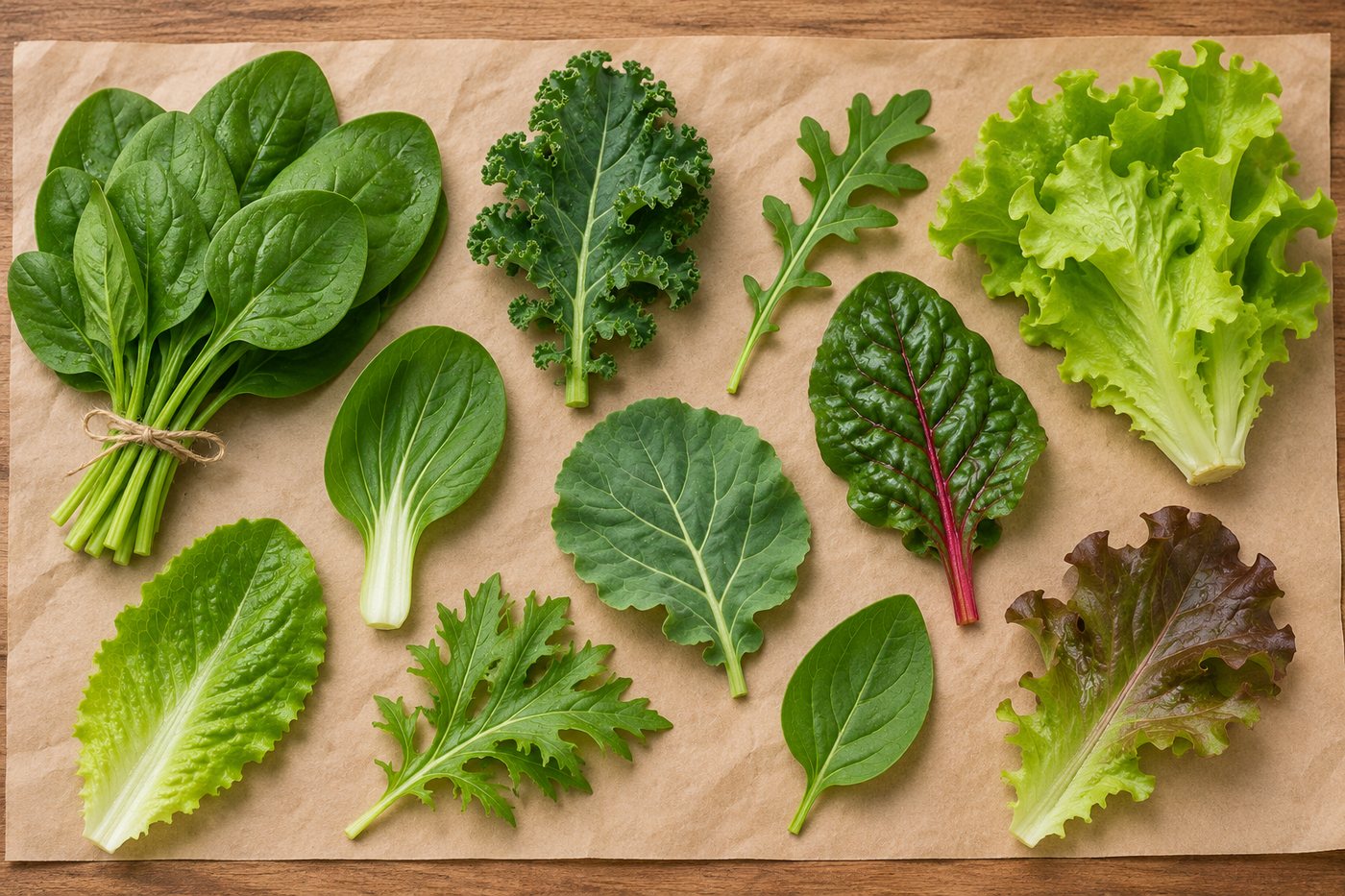
It also explains that nitrate concentration varies among vegetables. That detail means the word nitrate, applied to vegetables as a group, does not give one figure. Two vegetables can differ in how much nitrate they contain, so the name tells you the substance and leaves the amount open.
Nitrosamines ask a different question
EFSA's 2023 nitrosamine assessment concerns a group of compounds that can form during food preparation and processing. Because the subject is formation, the question shifts from which ingredient is present to what happens to food on its way to the plate. That is a process question, and a label entry cannot answer it alone.
Attribution matters here. Any risk finding in the 2023 assessment belongs to nitrosamines as that assessment defined them. It should not be carried back to nitrate in vegetables, or to the additive uses assessed in 2017, as if the three had been judged together.
What a chemical name cannot tell you
Put the three assessments side by side and the difference is plain. One covers nitrate and nitrite as added ingredients, with curing meat as a named role. One covers nitrate that occurs in vegetables, considered alongside the benefits of a balanced diet high in vegetables and fruit. One covers nitrosamines, which can form during preparation and processing. Each asks something other than the other two, so none of them can substitute for another.
Here is where a label word runs out. A name identifies a substance. It does not report how much of that substance a serving holds, whether it was added or occurs naturally, or whether a compound formed later in cooking. Each distinction shows up in the assessments above: additive use in 2017, vegetable concentration that varies, and formation during preparation and processing.
A name is a start, not an amount.
A practical objection is fair. Sorting three words into three questions costs time, and a long list of questions can crowd out the one that matters. Keep it to one distinction. Decide whether your concern is about an additive, a vegetable, or food that was cooked or processed, and carry only that.
Bringing one clear question to a clinician
A clinician, such as a doctor or dietitian, can discuss a person's health in a way a food safety assessment cannot. Your own circumstances, including any condition or medication, belong in that conversation, with someone qualified to hear them.
What helps is a question that names its subject. Compare two versions of a question. One asks, in effect, whether nitrite is harmful. That sends the conversation in several directions at once, because a nitrite additive on a label, nitrate in vegetables and nitrosamines from processing are three different topics. The other names its subject: the label lists a nitrite additive, and you want to understand its role and how it fits with the rest of what you eat.
This approach has a limit. If your question is really about a symptom you are noticing, a food label is a weak starting point. Describe the symptom, when it happens, and what you ate, and let the clinician decide whether any food name matters.
A bounded next step is a short note. Write down the exact word from the label, the kind of food it came from, and one sentence on what you want to know. If you read an assessment, add its year, since EFSA's 2017 and 2023 assessments address different questions. Skip this if the concern is a symptom or anything urgent, where the symptom comes first.
The useful thing to carry into the appointment is the separation itself. When a label names nitrate or nitrite, you are looking at an ingredient with a stated job. When a news item names nitrosamines, you are looking at a group of compounds tied to how food is prepared and processed. When an article names vegetable nitrate, you are looking at a natural component whose concentration varies. Each one earns its own question, and a question that arrives alone is easier to answer.