Care Doctor
Seven Steps to Start a Vegetable Garden You Can Manage
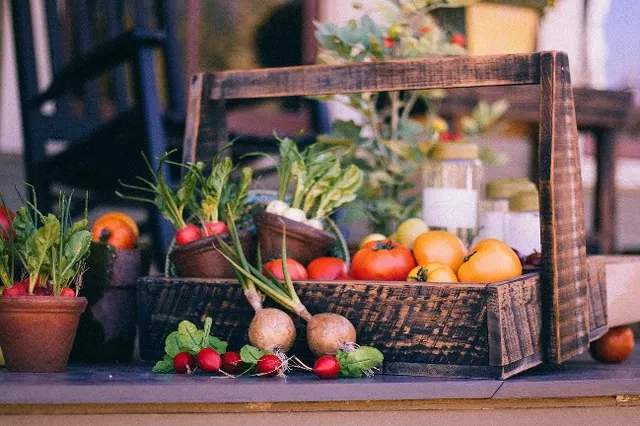
You don't need a large yard to grow something for the kitchen. A few suitable containers or a small garden bed can give you a place to start. The useful question is what you can realistically look after, from planting through harvest.
Choose vegetables you actually enjoy eating, then check what they'll need in your area. A packet of tomato seeds and a packet of lettuce seeds won't necessarily suit the same planting date. Local growing advice is more useful than a promise that any crop will be easy.
1. Match the garden to your space
Walk around the area before buying plants. Notice where sunlight falls and whether you can reach a water supply without a struggle. Leave room to get to the plants, too. NC State Extension describes containers, raised beds and in-ground gardens as possible options. Start with an area you can maintain and expand when you're ready. A large first planting also means more watering, weeding and harvesting to keep up with.
2. Choose crops for your conditions
Pick a few vegetables that suit both your meals and your climate. Lettuce and broccoli are cool-season crops; tomatoes and peppers need warmer conditions. Check a local planting calendar rather than assuming that the season on a seed packet applies everywhere. Sun requirements vary, too. Fruiting crops generally need more direct sun than leafy greens. Watch the proposed spot through the day instead of judging it from one sunny moment.
3. Find out what the soil needs
Good drainage matters: a patch that stays waterlogged is a poor starting point. A laboratory soil test can guide decisions about nutrients and acidity. Ask about lead testing for soil where you plan to grow food; a basic nutrient test may not include it. University of Maryland Extension recommends testing before planting and using the results to guide soil preparation. Follow local advice about unsuitable soil rather than trying to fix it by adding fertilizer.
4. Plant with enough room
Read the seed packet or plant label for depth and spacing. Some crops can be sown directly; others are commonly started indoors or bought as young plants. Check which approach suits your chosen crop. Avoid squeezing in extra seedlings just because there's bare soil between them. Plants need space as they grow. Seedlings raised indoors also need a gradual introduction to outdoor conditions before they're transplanted.
5. Water according to the plants
Skip the fixed rule that every vegetable garden needs water two or three times a week. Rain, heat, soil and container size all affect how quickly the growing area dries. Newly sown seeds need different care from established plants. Check the soil and follow crop-specific guidance. Water around the base where possible, keeping the root zone moist without leaving it waterlogged. Containers often need checking more frequently than garden beds.
6. Make small checks regularly
Look over the plants as you water. Deal with small weeds before they become established, and identify a pest or disease before choosing a treatment. Ask your local extension service for help if the problem is unclear. Some crops need support or additional feeding. Use the crop's requirements, soil-test recommendations and product directions to decide what to do, rather than treating every plant in the same way.
7. Harvest and handle the food carefully
Check when each variety is ready to pick; size, color and the part you harvest differ between crops. Once the food comes indoors, clean hands and utensils still matter. The FDA recommends washing produce under running water before preparing or eating it, including homegrown vegetables. Don't use soap or detergent on the food. Washing reduces bacteria but doesn't eliminate them. Refrigerate perishable produce appropriately, and keep it separate from raw meat and its juices.