Care Doctor
The Thanksgiving Leftovers Clock Starts Before the Dishes Are Done
The two-hour limit has a shorter version
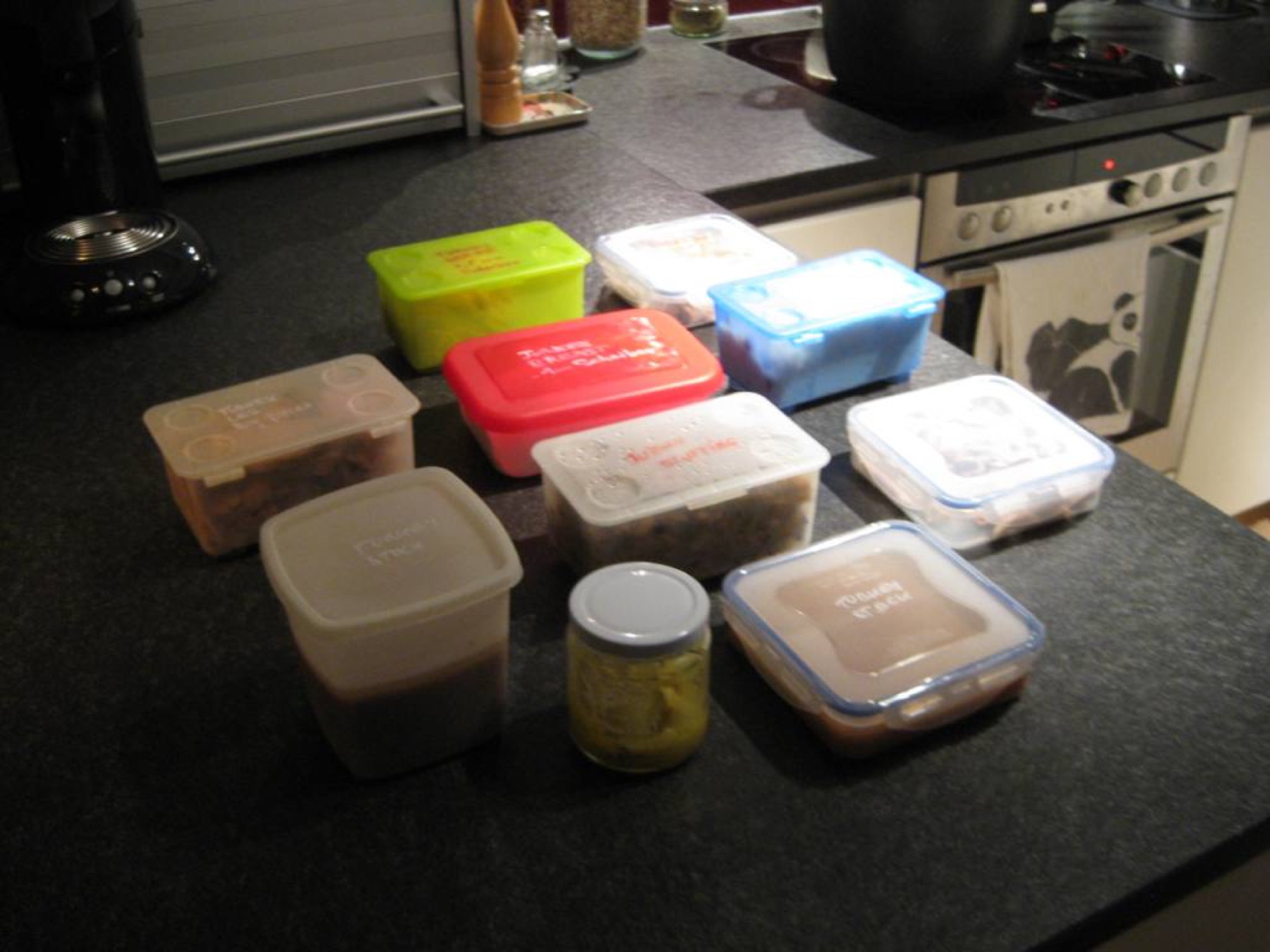
FoodSafety.gov gives two hours as the limit for leaving perishable food out before it goes into the refrigerator. It also gives a shorter limit: one hour when the temperature is above 90°F. That second number is easy to overlook, and it applies to any setting that runs hot, such as a crowded kitchen or an outdoor table in warm weather. A table that looks ordinary can be running on the shorter clock.
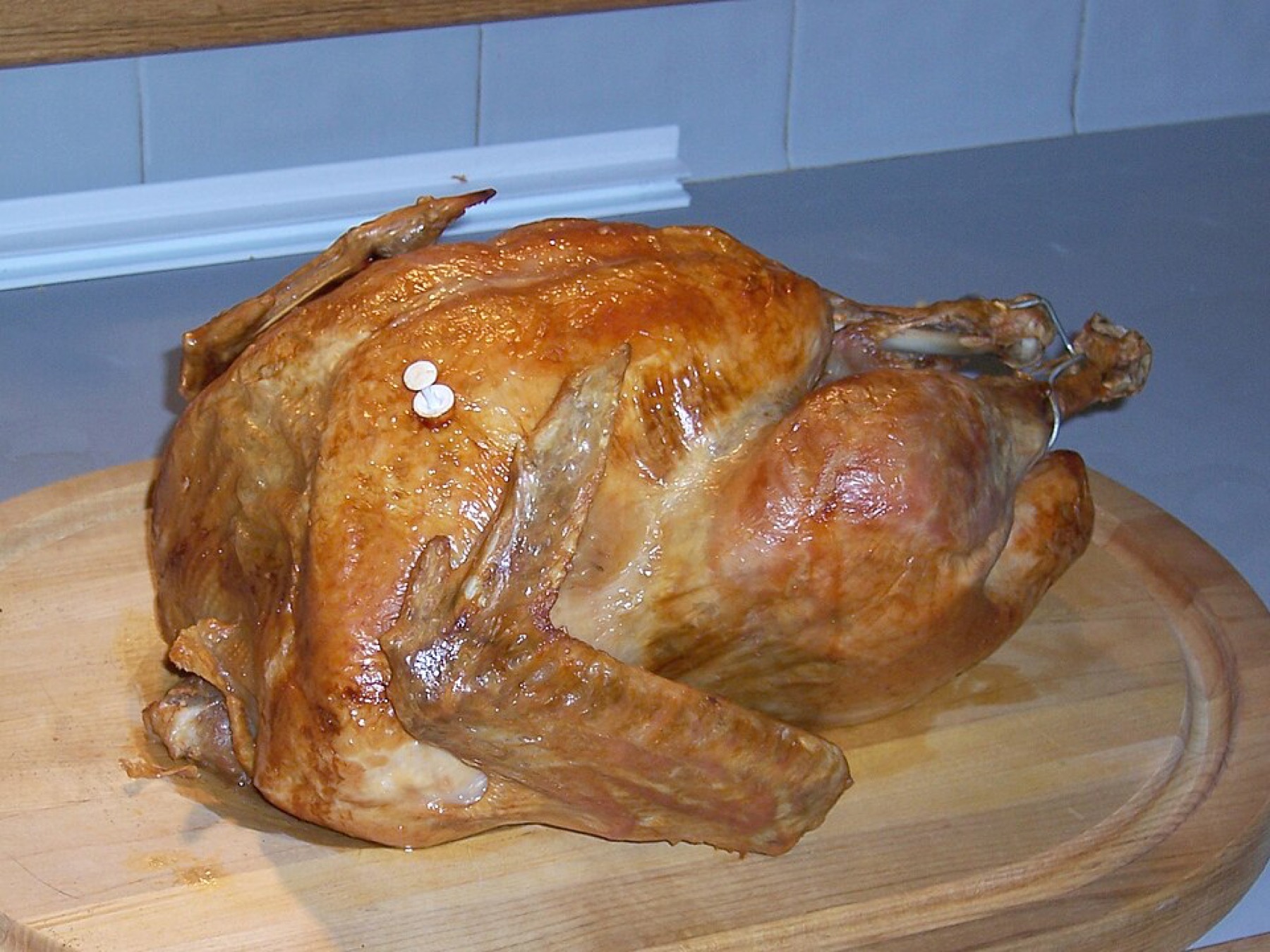
The same guidance names the destination. FoodSafety.gov's 4 Steps to Food Safety page says perishables belong in a refrigerator at 40°F or colder and that shallow containers support rapid cooling. USDA, in a FoodSafety.gov post on Thanksgiving leftovers, recommends smaller, shallow containers and prompt storage after the meal. Those figures set the room-temperature and refrigerator limits.
A hypothetical clock for a 2:00 p.m. dinner
Assume that the food goes onto the table at 2:00 p.m. and the room stays below 90°F. Under the FoodSafety.gov two-hour limit, every perishable dish should be in the refrigerator by 4:00 p.m. If the room is above 90°F, the one-hour limit moves that deadline to 3:00 p.m.
Working backward turns the limit into a schedule. In this version, serving ends at 3:15 p.m. and packing starts then, which leaves 45 minutes before the two-hour mark. USDA's Thanksgiving leftovers guidance recommends smaller, shallow containers, so the leftovers are divided into those as they are packed. Each container goes into the refrigerator as it is filled, so the 4:00 p.m. deadline is met dish by dish and not all at once.
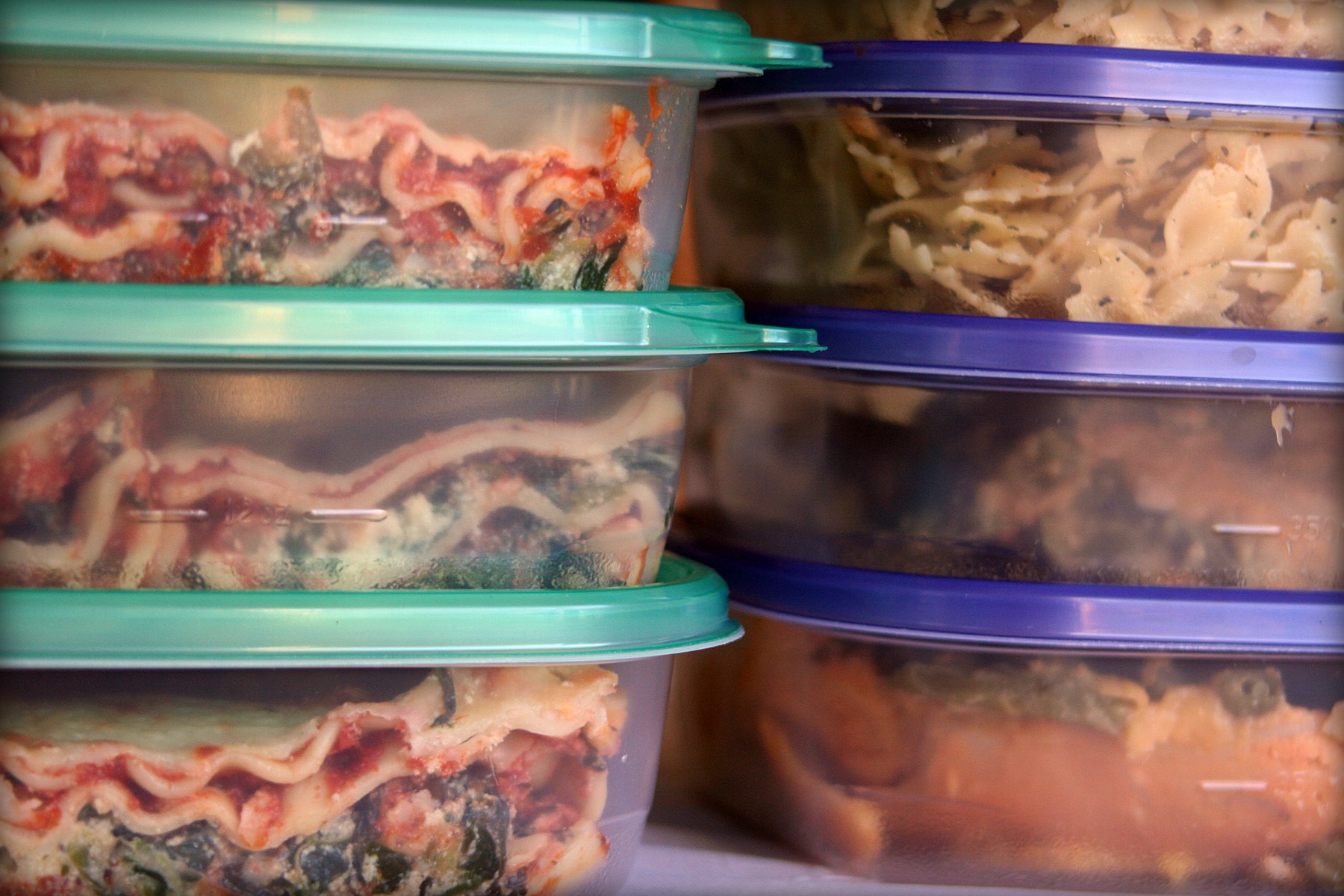
USDA's guidance gives three to four days for Thanksgiving leftovers in the refrigerator. If dinner is on Thursday, November 26, 2026, three days later is Sunday, November 29, and four days later is Monday, November 30. Four days is the outer end of a range. A host who wants one simple rule can treat Sunday as the day to eat or freeze what is left, which is a planning choice and not a separate USDA instruction.
The full clock, in order: 2:00 p.m., food goes out. 3:00 p.m., the deadline if the room is above 90°F. 3:15 p.m., serving ends and packing starts. 4:00 p.m., the two-hour deadline. Sunday, November 29, a decision day for eating or freezing what is left. Monday, November 30, the outer end of the refrigerated range.
Leftovers that leave with guests
Set out a stack of containers for anyone who wants to take food home. Imagine a guest asks at 3:45 p.m., near the 4:00 p.m. deadline for dishes that went out at 2:00. If a particular dish has stayed on the table the whole time, get it into the refrigerator by the same two-hour limit FoodSafety.gov gives for the rest of the meal. A container already in the refrigerator is a separate case.
Pack the portions for guests early, in the small, shallow containers USDA recommends, and chill them with the rest. When a guest comes back for a portion, tell them when it was packed and what day you plan to use what's left. If there is no way to keep it cold on a long trip, leave it in the refrigerator. Another day within USDA’s three-to-four-day refrigerated range may be a better time to share it.
Each container should carry the day it was packed and the day to eat or freeze it. USDA's three-to-four-day range for refrigerated Thanksgiving leftovers is what makes a date on the lid useful, because a guest who reads Sunday has the same plan as the host. The label is a habit, not a USDA requirement.
Freezing and reheating
Freezing is the exit for anything that will not be eaten inside the refrigerated window. USDA's Thanksgiving guidance describes freezing leftovers for later. On the hypothetical clock, Sunday is the last easy decision point: whatever has no meal planned for it that week goes into the freezer instead of waiting for Monday. The point of the decision day is to make the choice once, on purpose, rather than on Monday while looking at a container.
Reheating is the last step. FoodSafety.gov says leftovers should be reheated to 165°F. That is a temperature, and a thermometer reports a temperature in a way that steam, color or a hot edge does not. A dish that is steaming at the edges and cool in the middle has not shown that it reached 165°F. The target applies to leftovers in general, so portions from the refrigerator and from the freezer are held to the same number.
Where the schedule breaks, and what to watch for
The schedule fails when the party does not end. Guests who keep picking at dishes past 4:00 p.m. have turned the two-hour limit into a suggestion, because the clock runs on the food and not on the mood of the room. It also fails on a hot day. Above 90°F, the one-hour limit puts the deadline at 3:00 p.m., so the 3:15 p.m. packing start in the example is already late and the whole schedule would have to move up. Under the hotter scenario, pack and refrigerate the dishes before the earlier deadline, even if some guests are still eating. You can put out smaller portions and leave the rest refrigerated for later.
No leftover schedule guarantees that no one gets sick. The CDC lists signs of food poisoning that include bloody diarrhea, symptoms that last longer than three days, a high fever, vomiting that prevents a person from keeping liquids down, and dehydration. CDC says these are reasons to seek medical care. The list does not identify a cause, and it does not diagnose anyone.
A one-card plan and its limits
Before dinner, write three things on a card: when the food has to go into the refrigerator, when you need to start packing it, and which day you plan to eat or freeze it. The 40°F refrigerator setting, shallow containers and 165°F reheating target come from FoodSafety.gov and USDA. Leave room to change the packing time if the meal starts earlier.
Put the card somewhere you will see it while serving. Get the containers out before the table fills up, and leave room in the refrigerator for them to go in as they are packed. When guests ask to take some food home, you can see the packing and refrigerating times at a glance. A container headed home goes on the same schedule as one you plan to keep. If there is no way to keep it cold during a long trip, leave that portion in the refrigerator for another time.