Care Doctor
How to Ventilate a Bathroom That Stays Damp
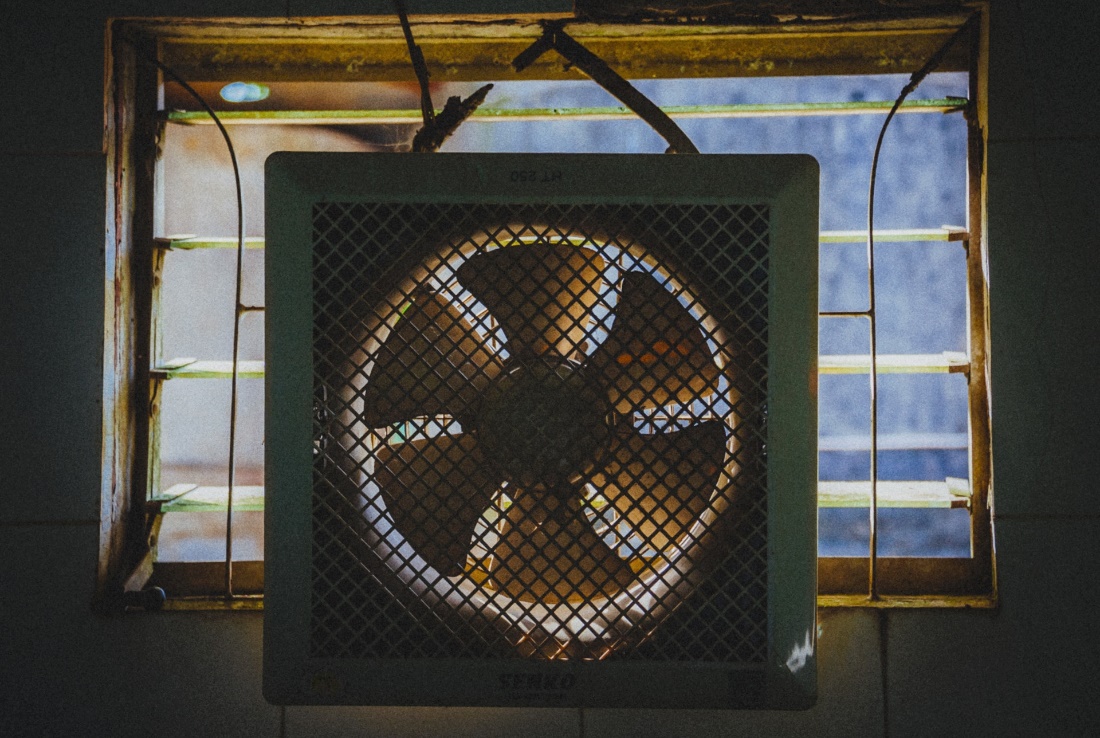
Look beyond a clear mirror when checking whether a bathroom has dried. A lingering damp smell or peeling ceiling paint can suggest that moisture remains.
Watch when surfaces get wet and how long they take to dry. Repeated dampness can encourage mold and damage finishes, so masking the smell is not enough. Ventilation can help with drying. It cannot repair a pipe leak or stop water getting into a wall, and those problems need attention in their own right.
Check where the exhaust fan sends air
Where does the duct end? Bathroom exhaust needs an outdoor outlet, rather than an attic or other enclosed space. That distinction appears in the Environmental Protection Agency’s guidance. Listening to the motor cannot confirm that damp air is leaving the house.
Have a qualified professional check an uncertain route or poor performance. They can consider room size, ductwork and local installation requirements. A larger fan alone may leave a blockage or bad route unresolved.
Keep the fan on during a shower and for enough time afterwards to clear moisture. A timer can make this easier. Rooms and systems vary, however, so pay attention to dampness that persists. No single number of minutes guarantees the same result everywhere.
Know what a dehumidifier can do
Do not treat a dehumidifier as a fix for a leaking pipe or a poor exhaust route. It removes moisture from air, but it does not carry air outdoors as ventilation does.
If one suits your situation, use the manufacturer’s placement, cleaning and emptying instructions. A bathroom also means water near electrical equipment. A portable appliance should not be put beside a bath or shower simply to catch the steam.
Persistent dampness deserves investigation. Ask for advice when ordinary ventilation is not enough. The solution may be a repair to plumbing or the building, not the purchase of a different appliance.
Use windows when conditions allow
A window can help exchange air if the conditions suit it. Think about privacy, security and the weather: bringing in outdoor air will not always make a room drier.
There are other small steps after a shower. Wipe puddles, squeegee the walls and hang towels so they can dry. Reducing the water left in the room can help with the amount of moisture to remove. It is still separate from fixing a ventilation fault.
Keep equipment and surfaces maintained
A dusty grille is easy to see. A blocked duct may not be, so ask a professional about parts you cannot reach safely. Clean the fan cover according to its instructions, with the power safely off.
Look for dripping taps, damaged seals and leaks at pipe connections too. Repair leaks promptly and dry the materials affected. Paint may cover a patch of mold, but it does not remove the moisture that keeps bringing it back.
Follow up when dampness keeps returning
Describe repeated dampness to the person responsible for the building. A landlord or professional can use photographs and dates to understand when stains, condensation or a musty smell return.
A humidity meter can add information about patterns. It cannot establish what is happening inside a wall, or prove that a clean-looking room is dry.
Health symptoms need attention too. Mold may cause allergic reactions and aggravate asthma; speak with a clinician if exposure seems to be affecting you. That goes alongside addressing the building’s moisture problem. Different causes and household circumstances may require different responses.