Care Doctor
The U.S. Lost Measles Elimination Status. What Does That Mean for Your Family?
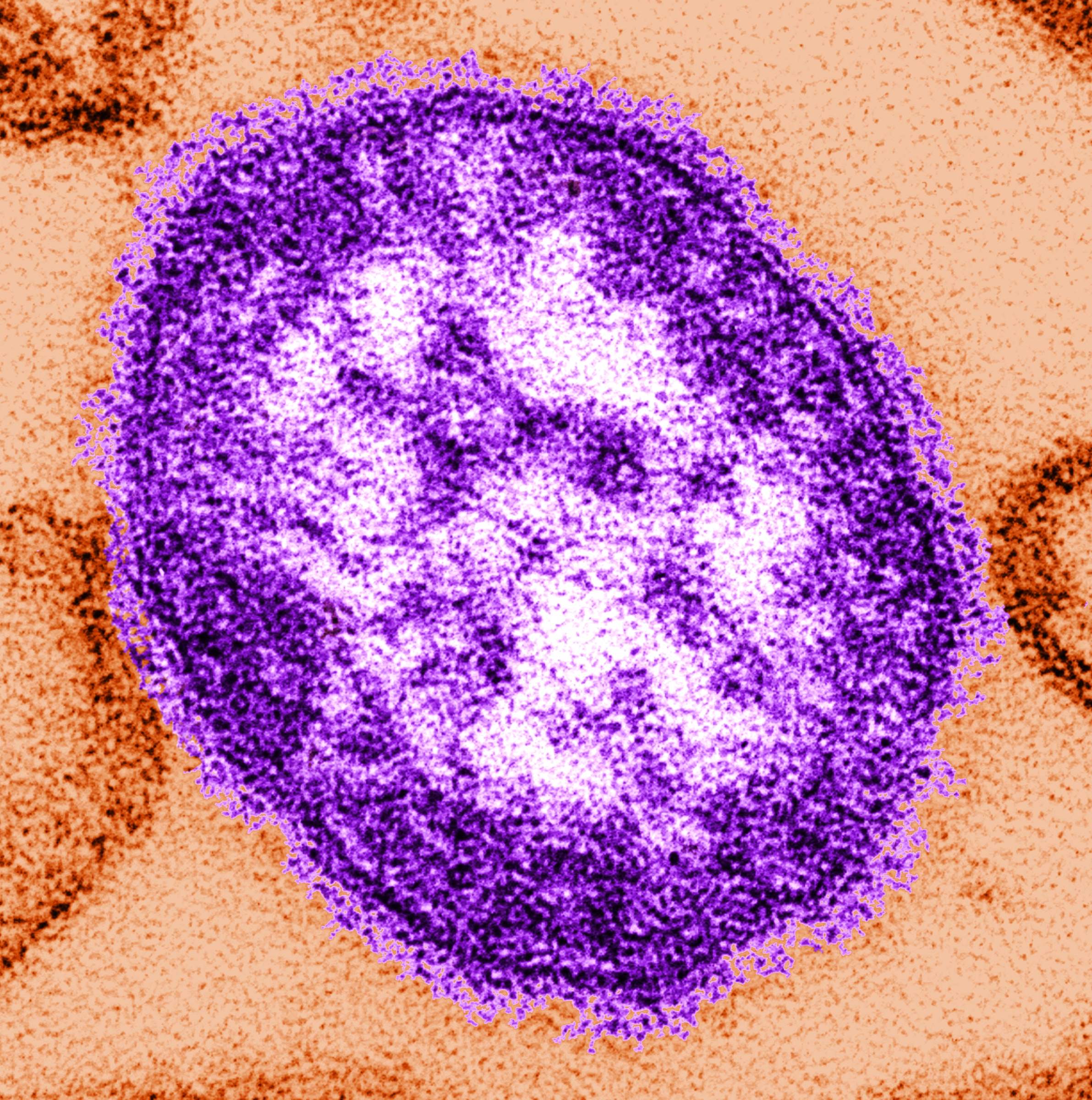
The United States lost its measles elimination status, the Pan American Health Organization announced on November 17. The country had held the designation since 2000. Bolivia and Mexico also lost their status after the same regional review.
If you received a notice that you or your child may have been exposed, call your health care provider right away, even if everyone feels well. Mention the exposure before going in. The office can arrange a visit if you need one while protecting other patients from exposure. A possible exposure is a reason to call before you spend time looking for a vaccine record.
What elimination status measures
Even while the U.S. held elimination status, a traveler could bring measles into the country and start an outbreak. If health officials contained that outbreak and the chain of infections ended, the country could keep the designation. The question before the regional commission was whether the virus had kept spreading inside the country.
The commission met November 10–13. Under its rule, measles is considered endemic again when the same genotype and lineage of the virus circulate in a country without interruption for 12 months or more. The commission concluded that sustained spread had resumed in the U.S., Bolivia, and Mexico. PAHO Director Dr. Jarbas Barbosa accepted its recommendation to withdraw their status.
The case count tells you how many infections health authorities have confirmed. The commission uses a separate measure to decide whether to withdraw the designation. Its question is how long that chain of infections kept going. An isolated outbreak can end well before the commission's 12-month threshold.
What the case counts tell you
The CDC's November 13 update reported 5,412 confirmed U.S. cases in 2026 through November 12. PAHO reported 58,213 confirmed cases and 82 deaths across the Americas through November 13. Its written release cited 12,806 cases in the region over the same period in 2025. Those regional totals cover a much larger area than the CDC count. Check the date and geography when you compare a newer tally with either figure.
For news about cases near you, look to your state or local health department. The CDC's case page links to health departments that publish local updates and explains why national and state figures can differ. States report on their own schedules, while the CDC's national tally counts confirmed cases that jurisdictions have reported to the agency.
Why vaccination coverage matters close to home
Measles spreads through the air. An infected person can pass it to others before the rash appears, and the virus can remain in the air after the person leaves. Those are two reasons a health department may send an alert to people who were in a shared space around the time someone with measles was there.
PAHO calls for at least 95% two-dose coverage in every community. A national average can hide neighborhoods where fewer people are protected and an outbreak has more room to spread. Closing those gaps also helps protect babies who are too young for routine vaccination and people who cannot receive the vaccine for medical reasons.
If your health department sends an exposure notice, have it handy when you call your clinician. Read out the date and location listed on it. Mention any symptoms and when they started. The clinic can use that information and your vaccination history to decide how to evaluate you and whether there are steps you can take after exposure.
Where to look for your family’s MMR records
The CDC recommends MMR as the best protection against measles. To find your record, start with the office that gave the shots. If your family moved, the immunization registry in the state where the vaccines were given is another place to check. A school may have a copy of a child's record. For an adult, a childhood vaccination card or a record held by a previous clinician may help. Keep a copy where you can find it if a clinic or health department asks.
The CDC's routine childhood schedule calls for the first MMR dose at 12 to 15 months and the second at 4 to 6 years. Recommendations for adults depend on their evidence of immunity and their risk of exposure. International travel and some outbreak situations can also change what's recommended for children, including infants who are too young for the routine first dose. If a record is missing or the schedule is unclear, ask your clinician what counts as evidence of protection for you or your child.
A childhood record from your current state may be incomplete if you moved. Check with the previous clinic or registry before treating a blank entry as a missed shot. If you have a trip coming up, tell the clinician where you're going and when you leave. If your question is about a local outbreak, mention any instructions your health department has issued.
What symptoms to report when you call
Measles often starts with fever, a cough, a runny nose, and red or watery eyes. A rash usually follows several days later, beginning near the hairline and spreading down the body. The CDC says the first symptoms usually appear about one to two weeks after infection. After a possible exposure, ask your clinician how long to watch for symptoms. A clinician may ask when the fever started, when the rash appeared, and where it began. If you think measles might be involved, call the doctor's office or hospital and describe the symptoms and any known exposure.
The CDC identifies young children, adults over 20, people who are pregnant, and people with weakened immune systems as more likely to have complications. Those complications can include pneumonia. Tell the clinician if anyone in one of those groups may have been exposed. If someone with suspected measles has trouble breathing or shows other emergency warning signs, seek emergency care immediately. Have someone alert the hospital ahead of arrival if possible.
What happens next
The CDC and its partners said they would work to expand vaccine access, help health departments find cases sooner, and support local outbreak responses. PAHO called for stronger surveillance alongside vaccination efforts. The work of regaining elimination status depends on interrupting sustained transmission, which health officials have to be able to document.
If your concern is a possible exposure, call today. If you're looking ahead to a trip or trying to sort out an incomplete record, bring the dates you have to your clinician and ask whether the usual guidance applies to you.