Care Doctor
Learning to Cook: Five Everyday Reasons to Start
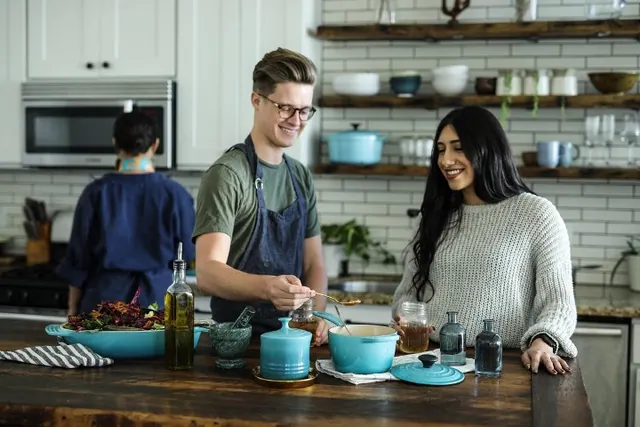
You don't have to become the person who makes everything from scratch to get something useful out of cooking. Being able to put together a few meals gives you another option when you're hungry, busy or watching what you spend. It's a skill for anyone, regardless of gender, and you can build it a dish at a time.
1. Have a few meals you can make yourself
Leaving home, sharing a kitchen or settling into a new routine is easier when dinner doesn't always depend on someone else cooking. Start with meals that fit the equipment, time and ingredients you have. That might be a simple soup, pasta with vegetables or a sandwich you can assemble confidently. USDA's meal-planning tips suggest checking your fridge, freezer and cupboards before deciding what to make. You don't need a long menu. A small collection of meals you can repeat is a useful place to begin.
2. Find a hobby you can practise in small steps
Cooking gives you something concrete to try: chop an onion, follow a recipe, taste the result and decide what you'd change next time. Choose clear instructions and read them through before starting, especially the cooking time and equipment list. Trying one unfamiliar technique is enough; you don't have to learn several in the same dinner. If a dish disappoints you, look at what happened rather than treating it as a verdict on your ability. Repeating a straightforward recipe can be more useful than constantly attempting something elaborate.
3. Make your food budget easier to plan
Home cooking can help you use ingredients across several meals, but it doesn't guarantee savings on every dish. Buying a cupboard full of things for one recipe can leave you with food you won't use. Australia's Eat for Health guidance recommends planning meals, making a list and using food you already have. Compare what you need to buy with what you'll actually eat. Plan a use for the remaining vegetables or another portion before shopping, rather than counting leftovers as savings while leaving them forgotten in the fridge.
4. Know the ingredients and learn safe handling
Preparing a meal lets you see what goes into it and adjust ingredients to your needs and preferences. It doesn't automatically make a dish nutritious or safely prepared. FDA food-handling guidance groups the basics into cleaning, separating raw foods from ready-to-eat foods, cooking properly and chilling promptly. Wash your hands with soap and water for at least 20 seconds before handling food. Use a food thermometer when cooking meat, and follow the appropriate temperature for that food. Learning these habits belongs alongside learning the recipe.
5. Share the work as well as the meal
Cooking for other people can be a way to spend time together without turning dinner into a performance. Ask about food allergies and dietary needs before choosing the menu. Someone can prepare vegetables, set the table or help with the washing-up while you cook. Children can join in with tasks suited to their age and supervision. Seeing different adults share the work also avoids treating cooking as one person's automatic job. Make something manageable, share it, and leave the impressive-looking dinner for another day if you want.