Care Doctor
Childhood Safety Since the 1960s: What Changed, and What Nostalgia Misses
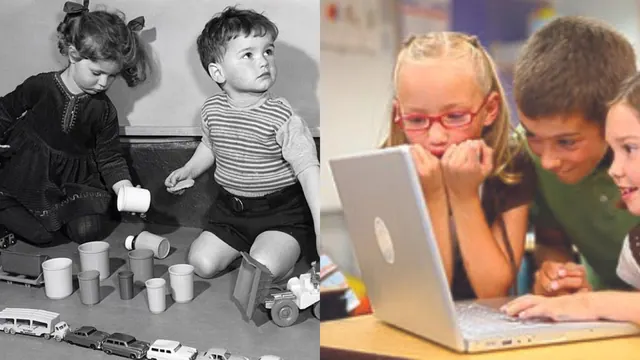
A garden hose, a back seat with no child restraint, an afternoon playing outside. These images turn up in stories about growing up decades ago. But a memory of getting through childhood doesn't tell you how risky a practice was. Some safety advice has changed with evidence; other supposed differences between generations are broad claims that deserve more skepticism.
Drinking straight from the hose
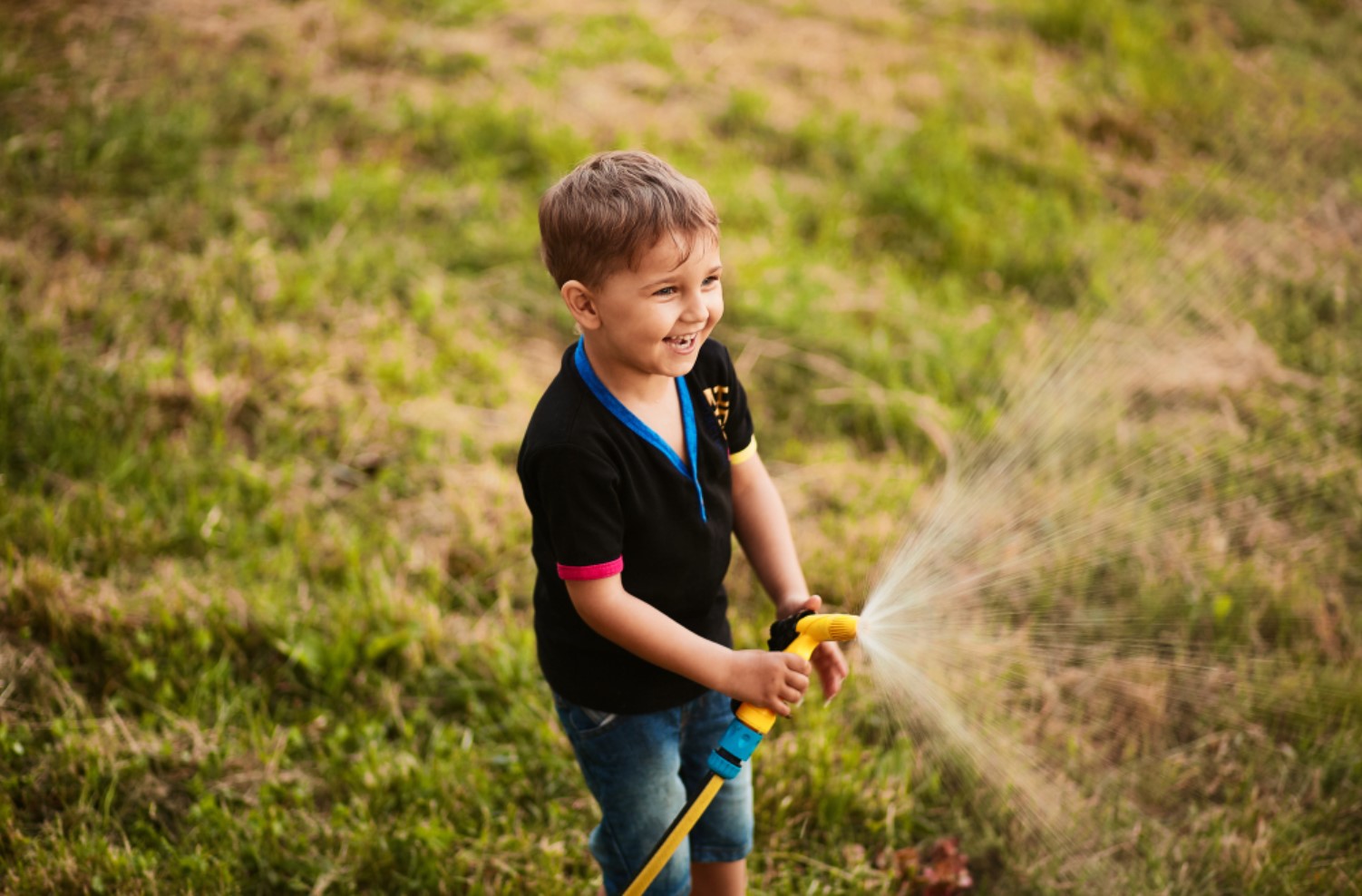
Drinking from a hose makes a familiar childhood story. It doesn't establish that every hose is suitable for drinking water. EPA educational guidance warns that standard garden hoses can introduce chemicals or germs. Fill a glass from a safe drinking-water source instead. Filtering isn't what separates one generation from another.
Sun protection needs more than nostalgia
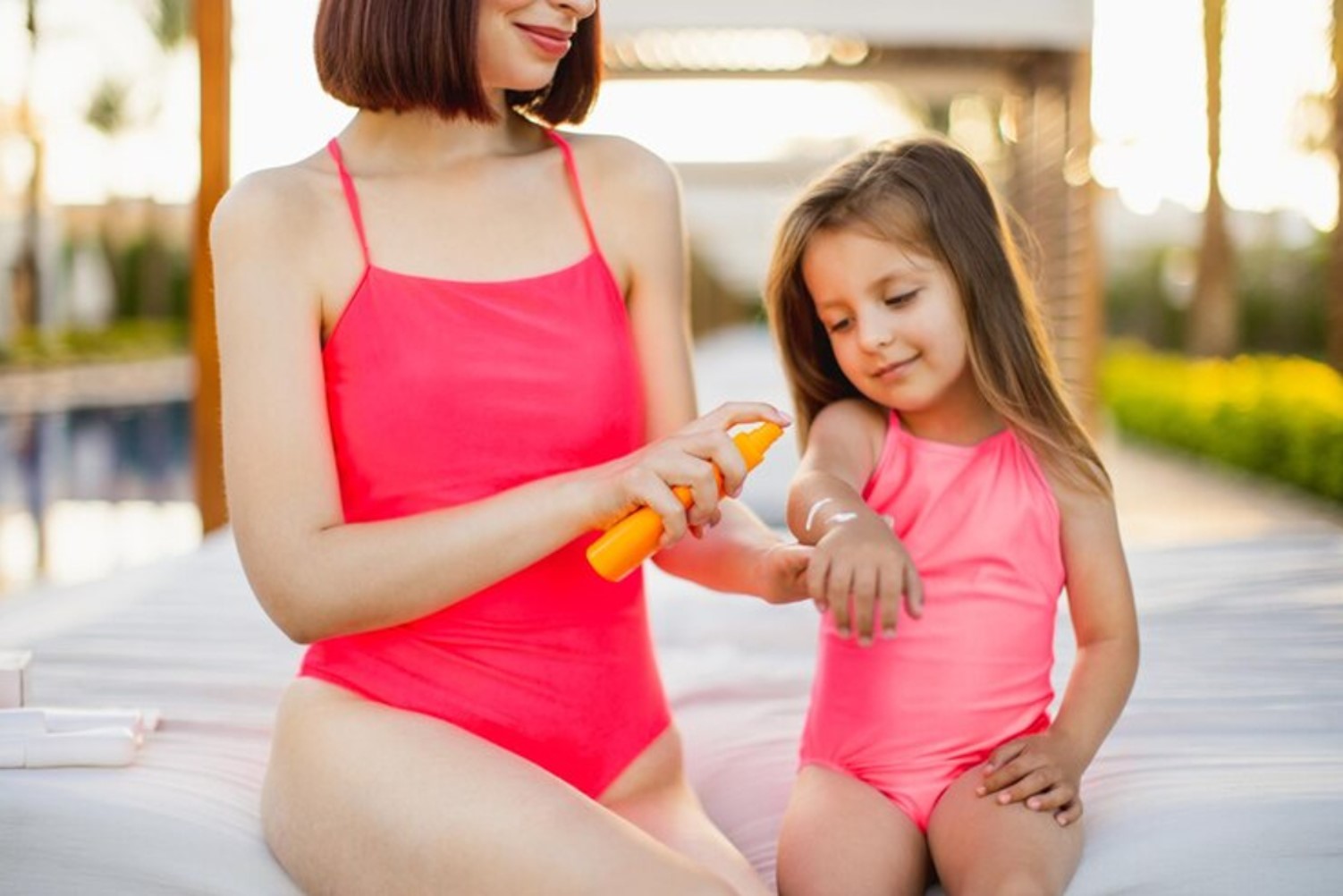
The claim that nobody used sun protection in the 1960s is too sweeping. For today's parents, the useful question is how to protect the child in front of you. FDA guidance recommends shade and protective clothing for infants younger than six months, keeping them out of direct sunlight, and checking with their pediatrician before applying sunscreen.
A car seat that fits
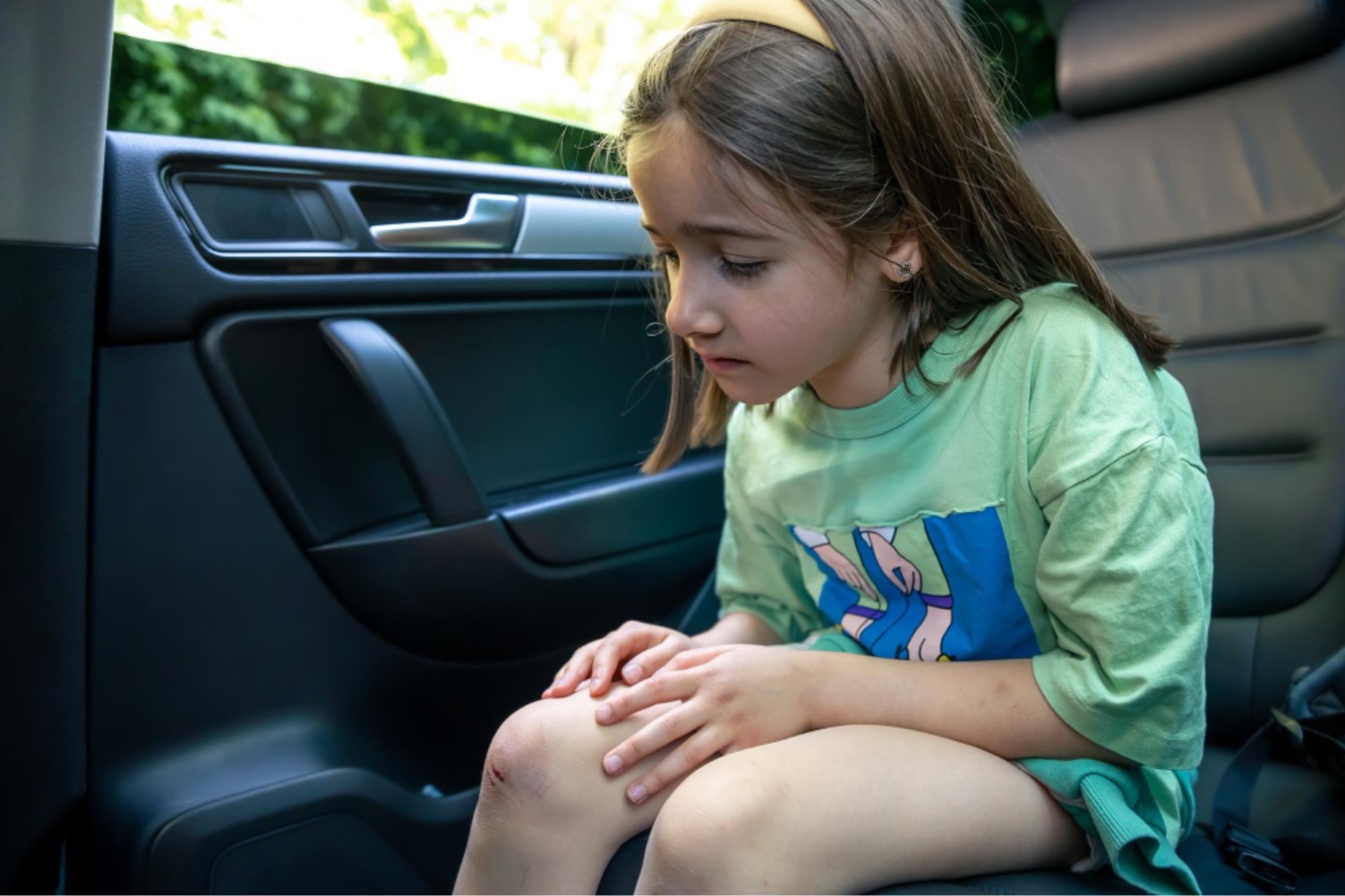
An old photograph of an unrestrained child isn't a reason to repeat the arrangement. NHTSA's car-seat guidance bases the choice on a child's age and size and the seat's fit in the vehicle. Keep children rear-facing until they reach the manufacturer's height or weight limit. Follow the seat and vehicle instructions; an improvised harness isn't a substitute.
Toy guns and family rules
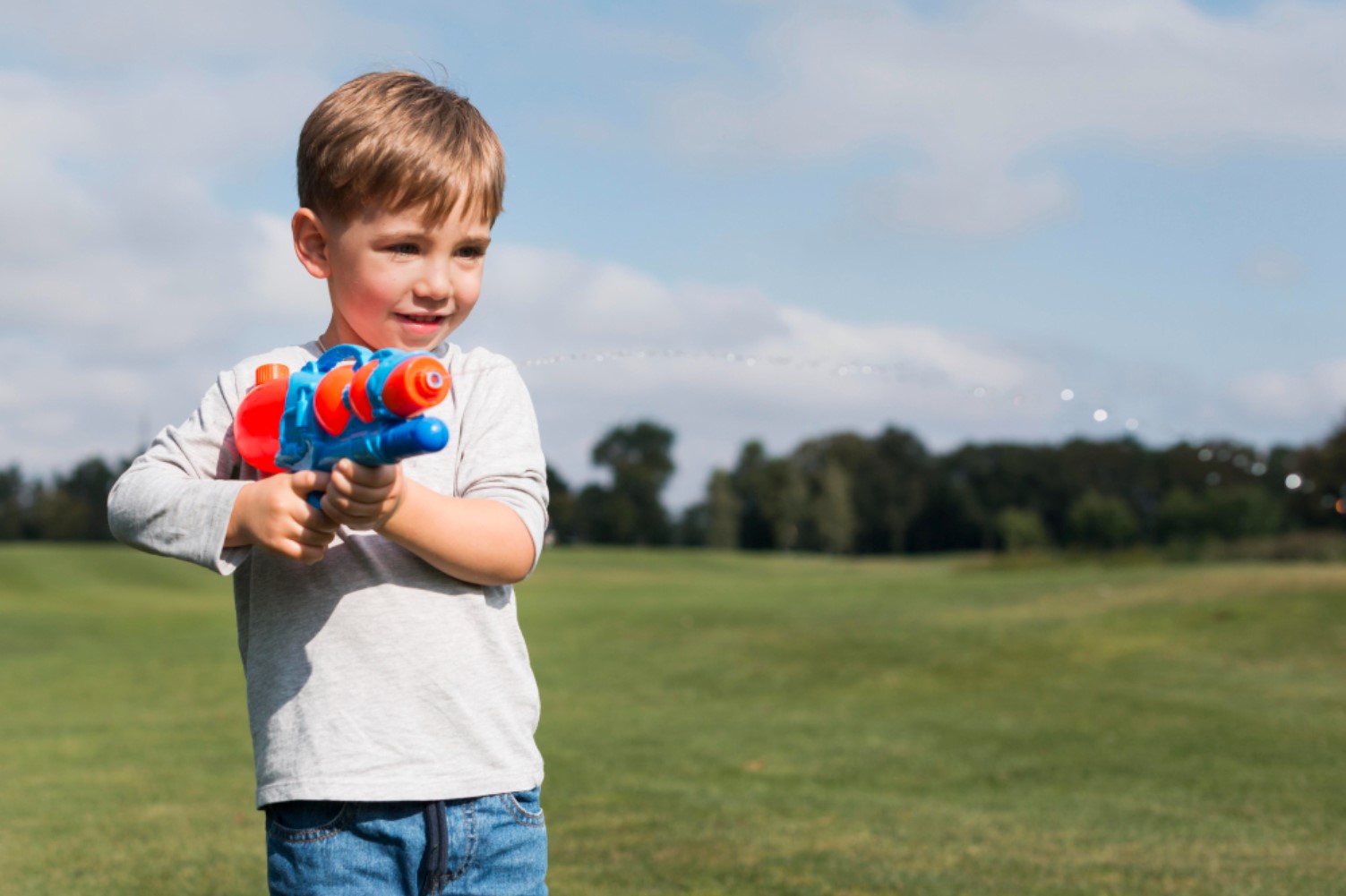
A brightly colored water pistol can bring back summer memories. That doesn't tell us what all parents allowed then or allow now. Families can set different rules about pretend weapons. A photograph of a toy also can't establish its safety, the age it suits or how a child will use it.
Old cribs need more than a fresh coat

An inherited crib may look charming, but its paint and design need scrutiny. CPSC's 1977 lead-paint ban covered toys and furniture coated with lead-containing paint and took effect in 1978. Stronger crib standards followed in 2011. Don't assume an old crib meets current requirements because it looks sturdy, or that repainting fixes every hazard.
Walking to school takes practice

The distance a grandparent walked doesn't settle when your child is ready to go alone. The American Academy of Pediatrics advises considering pedestrian skills and traffic, practicing the route and safe crossings, and arranging adult accompaniment when needed. A child's readiness and the actual route matter more than a generational label.
Smoke around children
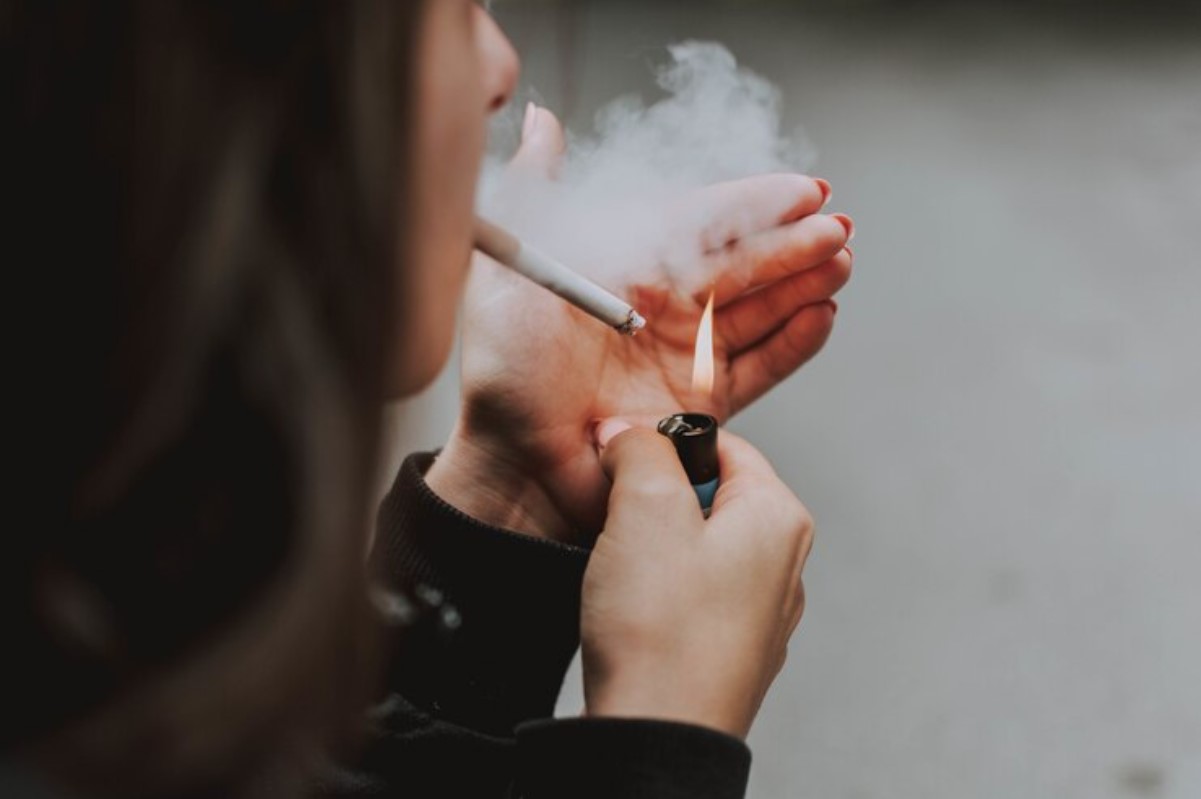
Secondhand smoke is a documented health risk. CDC says there is no safe level of exposure and identifies respiratory infections, ear infections and asthma attacks among the harms to children. Remembering adults smoking indoors doesn't make that exposure harmless. Keeping a child's home and car smoke-free addresses a risk that nostalgia can't measure.
Outdoor play and supervision
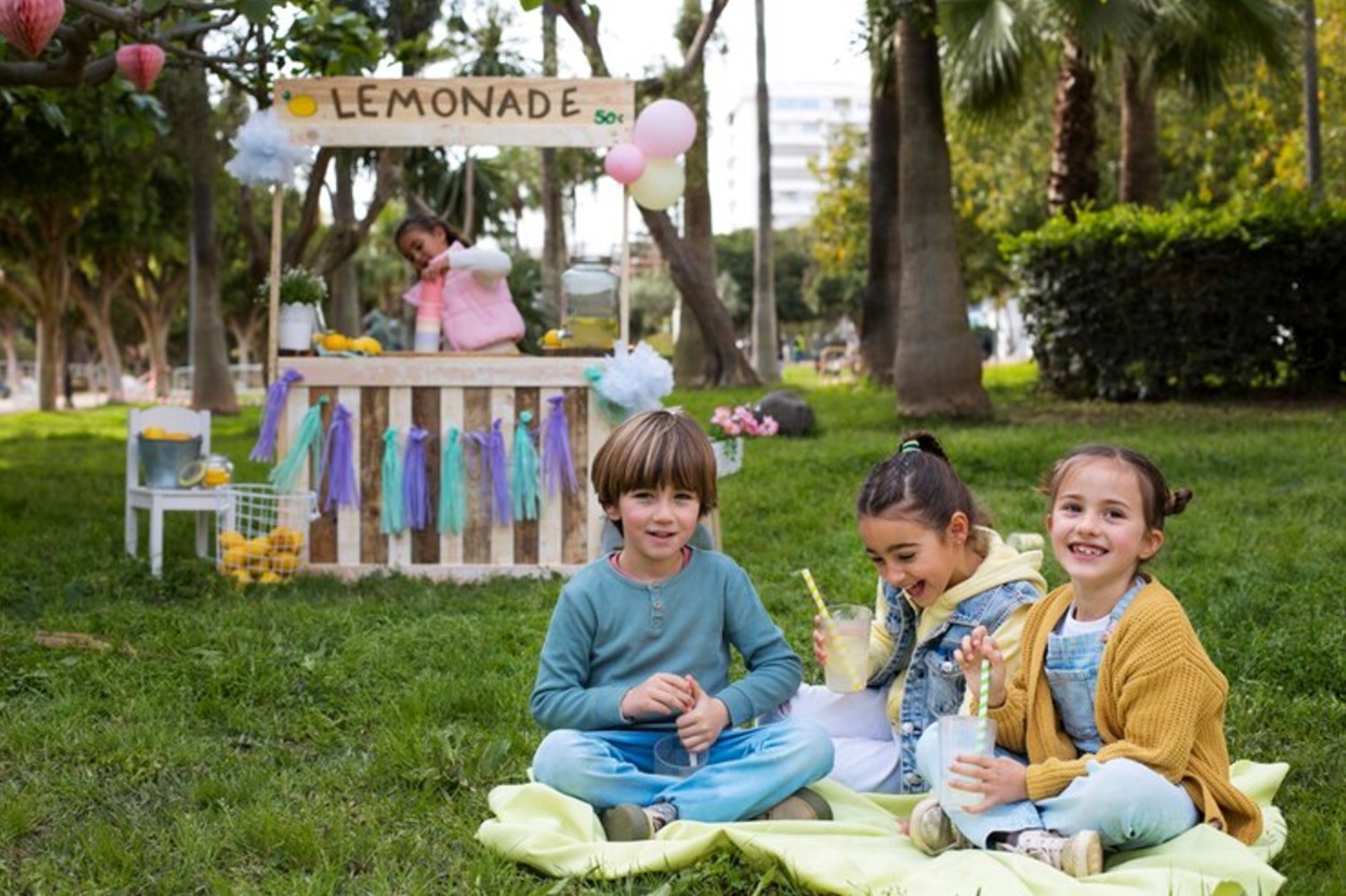
Playing outside and having an adult nearby aren't mutually exclusive. A photograph of children in a field can't tell you who was watching from outside the frame. Decide supervision around the child's age, abilities and surroundings. Don't treat a story about roaming freely as proof that every setting offers the same risks.
What a trophy can tell you

A participation trophy doesn't reveal a child's resilience or a parent's approach to disappointment. Nor does one family's memory establish when these awards began. Claims that an entire generation needed prizes, while another never received them, turn individual experiences into a history the evidence here doesn't support.
Peanut advice has changed
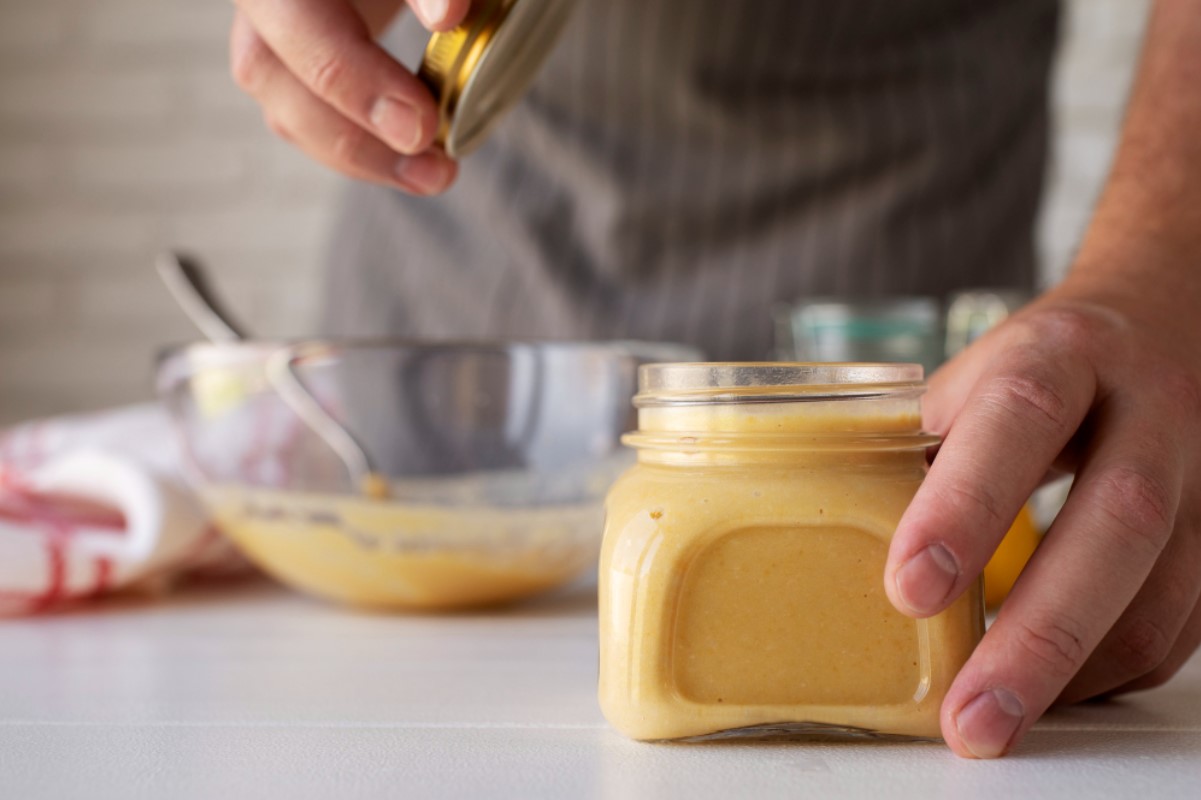
Peanut allergy wasn't nonexistent in earlier decades. NIH's explanation of its 2017 prevention guidelines describes introducing peanut-containing foods during infancy, with advice tailored to allergy risk. Talk to your child's clinician about timing and preparation, especially with severe eczema or egg allergy. Whole nuts and spoonfuls of thick nut butter can cause choking. Allergy prevention guidance isn't permission to give peanuts to a child with a known peanut allergy or to try treating an allergy at home.
Keep the memory, check the advice

You can enjoy a family story without using it as a safety rule. Ask what the story actually shows: one household's routine, a photograph, or evidence about harm. For equipment and feeding decisions, check current guidance for your child's circumstances. A familiar practice still deserves that check.