Stress
Supplements Studied for Anxiety Symptoms: Ashwagandha and Valerian
A plain-language look at what the research actually shows about two widely used herbal supplements and how to use them safely.
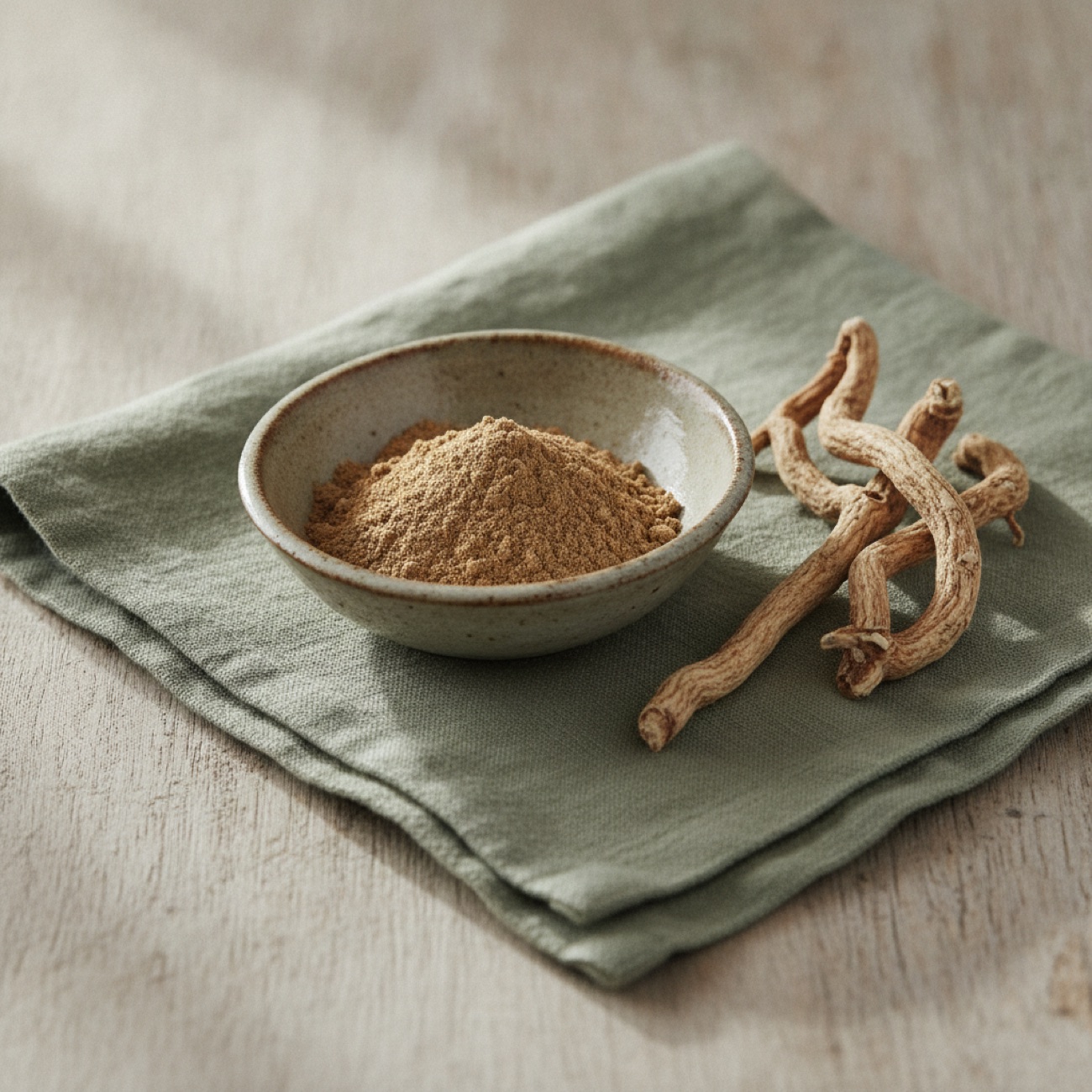
Ashwagandha and valerian are two of the most commonly purchased herbal supplements marketed for stress and sleep concerns. Research on both is still developing, and neither has been proven to treat anxiety or any other medical condition.
What Are These Supplements?
Ashwagandha
Ashwagandha (Withania somnifera) is a plant used for centuries in Ayurvedic practice. It is marketed today as an adaptogen, a traditional-use concept describing a substance said to help the body resist and adapt to physical, chemical, and biological stress. According to the NIH Office of Dietary Supplements (ODS), adaptogen is not an established nutrient function recognized by nutrition science. The plant is rich in phytochemicals, chiefly steroidal lactones called withanolides along with alkaloids, which researchers believe may drive many of its proposed effects.
Valerian
Valerian (Valeriana officinalis) is a flowering plant whose root is most commonly used. It is marketed as a mild sedative and sleep aid for nervous tension and insomnia. The ODS notes that clinical evidence of efficacy for sleep disorders is inconclusive. Valerian constituents have shown sedative effects in animal and laboratory studies, but there is no scientific agreement on how valerian works in humans. One proposed mechanism is that it may increase the availability of the inhibitory neurotransmitter GABA in the synaptic cleft, though whether this contributes to sedation in humans is not yet known.
Supplements are not intended to diagnose, treat, cure, or prevent any disease, and these statements have not been evaluated by the FDA.
What Does the Evidence Show?
Ashwagandha and Stress or Anxiety
The ODS assigns the following evidence grades based on available clinical research:
- Limited evidence: Ashwagandha extracts may reduce perceived stress and anxiety and lower serum cortisol levels.
- Limited evidence: Ashwagandha extracts may improve sleep quality, efficiency, total sleep time, and sleep latency, particularly in people with insomnia.
- Insufficient evidence: Ashwagandha acts as an adaptogen that helps the body resist stress.
- Insufficient evidence: Ashwagandha improves cognitive function.
A grade of limited means some positive findings exist but the body of research is not large or consistent enough to draw firm conclusions. Insufficient means available evidence is too sparse or inconsistent to support the claim at this time.
Valerian and Sleep or Anxiety
The ODS assigns the following evidence grades for valerian:
- Insufficient evidence: Valerian improves insomnia or sleep disorders.
- Limited evidence: Valerian constituents have sedative effects, based largely on animal and in vitro data.
- Insufficient evidence: Valerian increases GABA availability in the human synapse.
- Insufficient evidence: Valerian helps with gastrointestinal spasms, epileptic seizures, or ADHD.
The overall picture for valerian is that laboratory findings are more consistent than human clinical findings. The ODS concludes that evidence of efficacy for sleep disorders in humans remains inconclusive.
Safety Considerations
Ashwagandha Safety
The ODS reports that no established adult target intake or upper limit has been set for ashwagandha. The supplement appears well tolerated for up to about three months of use, but long-term safety data are not available. Common side effects are usually mild and include loose stools, nausea, drowsiness, and stomach upset. A small number of more serious reports exist, including adverse effects on liver function and effects on thyroid function. Some experts advise against use during pregnancy because of limited but concerning reports.
Valerian Safety
No established adult target intake or upper limit has been set for valerian either. The ODS reports few adverse events in clinical trials, but notes that long-term safety data are not available. Women who are pregnant or nursing should not take valerian without medical advice because possible risks to the fetus or infant have not been evaluated. Children younger than three years old should not take valerian because possible risks in this age group have not been evaluated.
Drug and Supplement Interactions
Ashwagandha Interactions
Based on ODS data, people taking the following types of medications should talk to a doctor or pharmacist before using ashwagandha:
- Thyroid hormone medications: Ashwagandha may affect thyroid function. Small increases in T4 have been reported, as well as lowered TSH and increased T3 and T4 in people with subclinical hypothyroidism. Cases of thyrotoxicosis have also been reported in connection with its use.
- Antidiabetes medications: A potential interaction exists because ashwagandha may affect blood glucose levels.
- Antihypertensive medications: A potential interaction exists because ashwagandha may affect blood pressure.
- Immunosuppressants: A potential interaction exists because ashwagandha may stimulate immune activity.
Valerian Interactions
People taking any of the following should speak with a clinician before using valerian:
- Benzodiazepines such as alprazolam, diazepam, lorazepam, and triazolam: possible additive sedative effects.
- Barbiturates and CNS depressants such as phenobarbital, morphine, and propofol: possible additive sedative effects.
- Alcohol and other sedative drugs: theoretical possibility of additive sedative effects.
- Other supplements with sedative properties such as St. John's wort, kava, and melatonin: possible additive therapeutic and adverse effects.
Practical Guidance
Neither ashwagandha nor valerian has an established recommended intake for adults. Product doses vary widely across brands, and no standard clinical dose has been universally agreed upon. Always consult a clinician or pharmacist before starting either supplement, especially if you take prescription medications, have a chronic health condition, or are pregnant or nursing. Do not combine these supplements with prescription medications without professional guidance, given the interaction risks outlined above.
If you are experiencing significant anxiety or sleep difficulties, speaking with a healthcare provider is the most reliable first step. A clinician can help you weigh evidence-based options, including whether a supplement might be appropriate alongside or instead of other approaches.
Sources
All evidence grades and safety data in this guide are drawn from the NIH Office of Dietary Supplements fact sheets for ashwagandha and valerian, available at ods.od.nih.gov.
Sources
- S1.gov verifiedNIH Office of Dietary Supplements (ODS)Ashwagandha: Is it helpful for stress, anxiety, or sleep? - Health Professional Fact Sheetods.od.nih.gov/factsheets/Ashwagandha-HealthProfessi
- S2.gov verifiedNIH Office of Dietary Supplements (ODS)Ashwagandha: Is it helpful for stress, anxiety, or sleep? - Consumer Fact Sheetods.od.nih.gov/factsheets/Ashwagandha-Consumer/
- S3.gov verifiedNIH Office of Dietary Supplements (ODS)Valerian - Fact Sheet for Health Professionalsods.od.nih.gov/factsheets/Valerian-HealthProfessiona
- S4.gov verifiedNIH Office of Dietary Supplements (ODS)Valerian - Consumer Fact Sheetods.od.nih.gov/factsheets/Valerian-Consumer/