Creatine forms
Creatine Monohydrate vs HCl vs Buffered: Dose, Cost, and Bloating Compared
A plain-language breakdown of the three most common creatine forms, grounded in NIH Office of Dietary Supplements evidence.
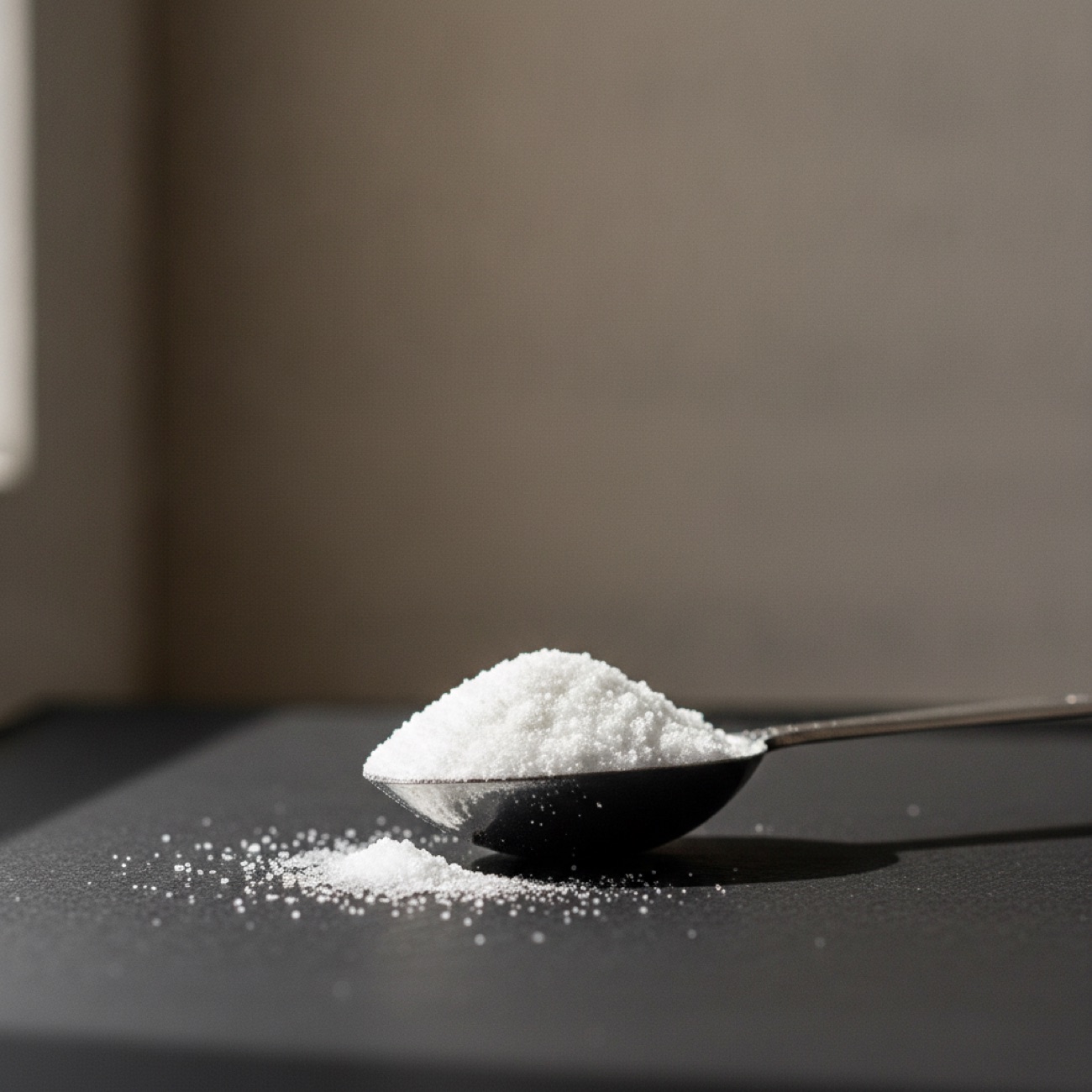
Creatine monohydrate remains the most studied form, and the NIH Office of Dietary Supplements (ODS) rates its effect on short-term, high-intensity exercise performance as supported by strong evidence. Creatine HCl and buffered creatine are marketed as gentler on the stomach and effective at lower doses, but the independent research behind those claims is far thinner.
What Creatine Actually Does
According to the NIH ODS, creatine helps regenerate adenosine triphosphate (ATP), the immediate energy source for short-term, predominantly anaerobic muscle activity. It does this by supplying phosphate through phosphocreatine. The ODS also notes that creatine increases muscle stores of phosphocreatine used to generate ATP at the start of intense exercise, and speeds re-synthesis of phosphocreatine after exercise. In practical terms, this is why creatine is studied in the context of activities like weight lifting and sprinting rather than long-distance running.
These statements have not been evaluated by the FDA, and creatine supplements are not intended to diagnose, treat, cure, or prevent any disease.
Evidence Grades at a Glance
- Strong: Creatine helps supply muscles with energy for short-term, predominantly anaerobic activity by regenerating ATP through phosphocreatine (NIH ODS).
- Strong: Creatine supplementation increases strength and power and improves performance in repeated short bursts of high-intensity, intermittent exercise such as sprinting and weight lifting (NIH ODS).
- Moderate: Creatine over weeks or months aids training adaptations to increased workloads during structured resistance training (NIH ODS).
- Insufficient: Creatine improves endurance-sport performance such as distance running or swimming (NIH ODS).
All evidence grades above are drawn directly from the NIH ODS Exercise and Athletic Performance fact sheet. No adult Dietary Reference Intake or tolerable upper intake level for creatine has been established by the ODS.
The Three Forms Compared
Creatine Monohydrate
Creatine monohydrate is creatine bonded to a single water molecule. It is the form used in the vast majority of published clinical trials, which is why the ODS evidence grades above apply specifically to it. Typical research protocols use either a loading phase of roughly 20 grams per day divided into four doses for five to seven days, followed by a maintenance dose of around 3 to 5 grams per day, or a no-loading approach starting directly at 3 to 5 grams per day. These are population-level figures from research literature, not a personal recommendation. Consult a clinician or pharmacist to determine the right dose for your situation.
Cost is generally the lowest of the three forms, often running between 3 and 6 cents per gram at retail. The main complaint associated with monohydrate is water retention, which the NIH ODS lists as the most common effect of creatine supplementation. Some people also report gastrointestinal discomfort, particularly during a loading phase when large single doses are taken.
Creatine HCl (Hydrochloride)
Creatine HCl is creatine bonded to a hydrochloride group, which increases its solubility in water. Manufacturers argue that better solubility means the compound dissolves more completely in the gut, requiring a smaller dose and causing less stomach upset. Typical label doses run between 750 milligrams and 2 grams per day, considerably lower than monohydrate protocols.
The solubility claim has laboratory support, but the leap from higher solubility to equivalent muscle saturation at lower doses has not been confirmed in large, independent human trials to the same degree as monohydrate. The bloating and gastrointestinal advantages are largely anecdotal or come from small studies. Cost per gram of pure creatine is substantially higher than monohydrate, often three to five times more at retail, though the smaller dose partially offsets that gap. If you are sensitive to gastrointestinal effects from monohydrate, HCl is a reasonable option to discuss with a clinician, but you should not expect the same depth of research backing.
Buffered Creatine (Kre-Alkalyn)
Buffered creatine is monohydrate processed to a higher pH, typically around 12, with the goal of reducing conversion of creatine to the waste product creatinine in the stomach before it reaches muscle tissue. The marketing claim is that this makes each gram more effective, again allowing a smaller dose.
A notable head-to-head trial published in the Journal of the International Society of Sports Nutrition found no significant difference in muscle creatine saturation, body composition, or exercise performance between buffered and standard monohydrate when doses were equated. The study also found no meaningful difference in side effects. Buffered creatine costs more than monohydrate and its proposed mechanism has not been validated in multiple large independent trials. It remains an option, but the evidence does not currently justify the premium for most people.
Bloating and Side Effects: What the ODS Says
The NIH ODS states that creatine is considered safe for short-term use by healthy adults, and that evidence shows use for several years is also safe. The most common reported effect is weight gain from water retention. Anecdotal effects noted by the ODS include nausea, diarrhea, gastrointestinal distress, muscle cramps, muscle stiffness with reduced range of motion, and heat intolerance. The ODS notes that adequate hydration may help minimize these uncommon risks.
Creatine is metabolized to creatinine and excreted by the kidneys. While the ODS Exercise and Athletic Performance fact sheet does not list specific well-established drug interactions for creatine, general clinical guidance suggests caution when combining it with nephrotoxic medications or when kidney function is already impaired. Talk to a doctor before combining creatine with any medication.
How to Choose
- Best evidence base: Monohydrate. The strong and moderate ODS evidence grades all come from monohydrate research.
- Potential for less GI upset: HCl or buffered forms are sometimes better tolerated, though this is not confirmed by large trials. Splitting monohydrate into smaller doses throughout the day can also reduce stomach discomfort.
- Cost efficiency: Monohydrate wins clearly. HCl and buffered forms cost more per dose and lack equivalent research support.
- Endurance athletes: The ODS rates evidence for endurance-sport performance as insufficient for any creatine form. Creatine is not well supported for activities like distance running or swimming.
Bottom Line
For most healthy adults doing resistance training or high-intensity interval work, creatine monohydrate offers the strongest research foundation at the lowest cost, consistent with NIH ODS guidance. HCl and buffered forms may suit people who experience persistent gastrointestinal issues with monohydrate, but they carry a higher price and a thinner evidence base. No adult upper intake limit for creatine has been set by the ODS. Always consult a clinician or pharmacist before starting any supplement, and speak with a doctor if you take medications or have a health condition.
Sources
- S1.gov verifiedNIH Office of Dietary Supplements (ODS)Dietary Supplements for Exercise and Athletic Performance - Health Professional Fact Sheet (Creatine section)ods.od.nih.gov/factsheets/ExerciseAndAthleticPerform
- S2.gov verifiedNIH Office of Dietary Supplements (ODS)Dietary Supplements for Exercise and Athletic Performance - Consumer Fact Sheetods.od.nih.gov/factsheets/ExerciseAndAthleticPerform