Myths
Do Antioxidant Pills Prevent Disease?
Evidence from large clinical trials is weaker than many labels suggest, and some high-dose supplements carry real risks.
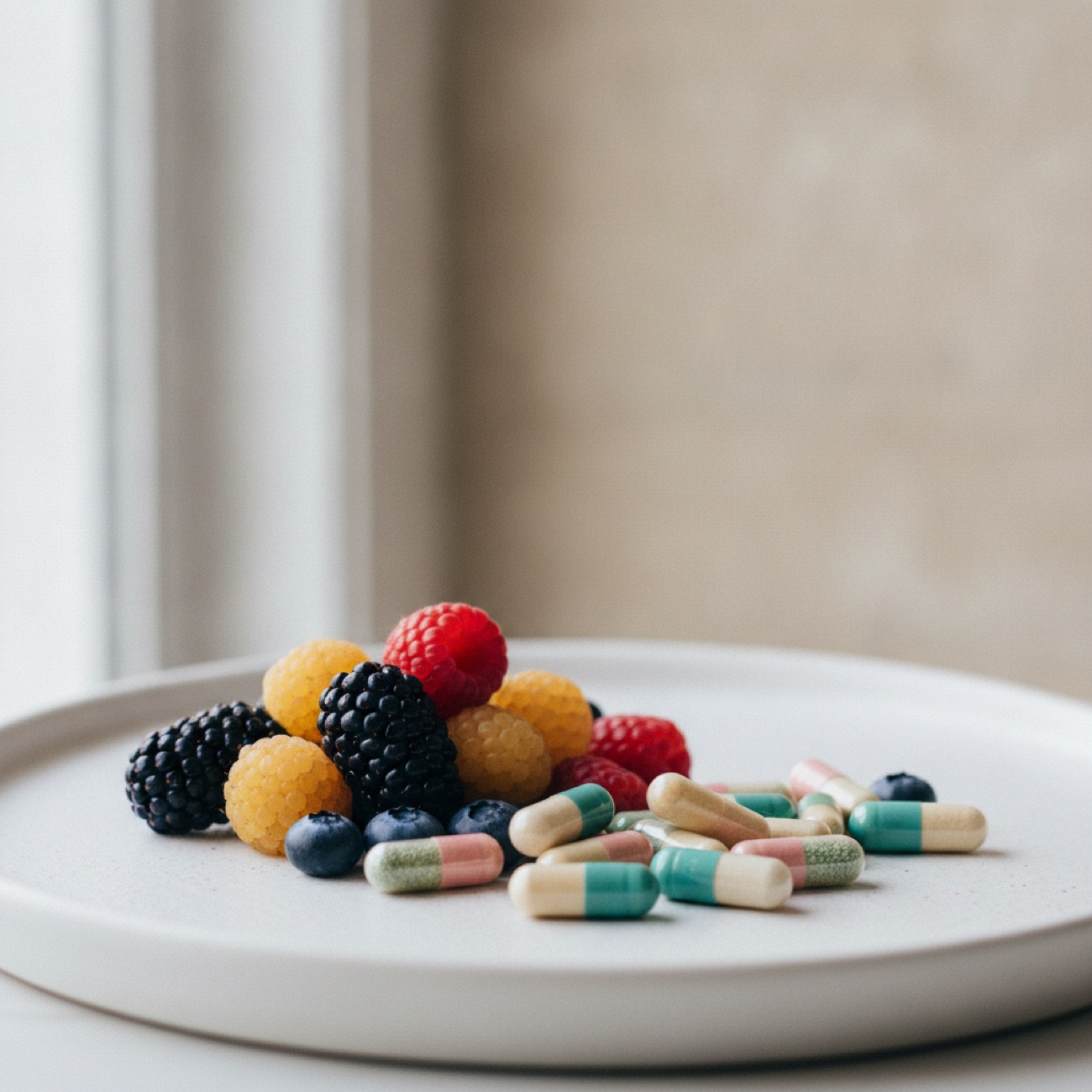
Short answer: Antioxidants perform genuine and well-documented roles in the body, and certain formulas do show benefit for specific eye conditions. However, for most of the disease-prevention claims you see on packaging, including cancer and heart disease, the clinical evidence is currently rated insufficient by the NIH. High doses of some antioxidants can also cause harm.
What Antioxidants Actually Do in the Body
Your cells continuously produce reactive oxygen species, often called free radicals, as a byproduct of normal metabolism. In manageable amounts these molecules serve useful signaling purposes, but in excess they can damage DNA, proteins, and cell membranes, a state known as oxidative stress.
According to the NIH Office of Dietary Supplements (ODS), antioxidants help regulate oxidative stress pathways, neutralize reactive oxygen species generated during normal cell activity, and support the body's preventive and repair mechanisms against oxidative cell damage. The evidence that antioxidants perform these physiological functions is rated strong by the ODS.
Vitamin E is one of the best-studied dietary antioxidants. The ODS describes it as a fat-soluble antioxidant that stops the production of reactive oxygen species formed when fat undergoes oxidation, thereby protecting cell membranes from free-radical damage. It also contributes to normal immune function and is involved in cell signaling and gene expression, though much of that last point comes from laboratory cell studies rather than human trials.
Where the Evidence Is Stronger
The clearest clinical benefit for antioxidant supplements involves a specific eye condition. For people who already have intermediate or advanced age-related macular degeneration (AMD), a combination of antioxidants and zinc, studied in the large AREDS and AREDS2 trials run by the National Eye Institute, can slow progression to advanced disease. The ODS rates this evidence moderate.
There is also moderate evidence that antioxidant supplements may slow the progression of cataracts, though the data are not as consistent across studies.
Correcting a confirmed vitamin E deficiency, which occurs mainly in people with fat-malabsorption disorders or rare genetic conditions, reliably prevents neurological symptoms. The ODS rates this evidence strong.
Where the Evidence Falls Short
Many people take antioxidant pills hoping to prevent cancer, heart disease, or cognitive decline. The current ODS evidence ratings for these outcomes are sobering:
- Cancer prevention: Insufficient evidence that antioxidant supplements prevent cancer.
- Cardiovascular disease prevention: Insufficient evidence that antioxidant supplements prevent cardiovascular disease or reduce its morbidity and mortality. This applies specifically to vitamin E supplements as well.
- Dementia and cognitive function: Limited evidence that antioxidant supplements preserve cognitive function or prevent dementia. Vitamin E supplements specifically receive an insufficient rating for maintaining cognitive performance or slowing Alzheimer's disease.
- AMD prevention in healthy eyes: Insufficient evidence that antioxidant supplements prevent AMD in people who do not already have it.
An evidence rating of insufficient does not mean a supplement definitely does not work. It means that well-designed clinical trials have not yet produced reliable proof that it does. Observational studies often look promising, but controlled trials have repeatedly failed to confirm the effect.
Safety: Not Automatically Harmless
Because antioxidants come from food and sound natural, many people assume high doses are safe. The ODS is clear that antioxidant supplements are not automatically safe.
The adult Recommended Dietary Allowance for vitamin E is 15 mg per day, according to the ODS. The Tolerable Upper Intake Level for supplemental alpha-tocopherol is 1,000 mg per day for adults, a limit set because of the risk of hemorrhage. High-dose vitamin E can increase bleeding risk, particularly in people with low vitamin K intake or those taking blood-thinning medications.
Beta-carotene supplements carry a specific and serious warning. Large trials found that beta-carotene raises lung cancer risk and cardiovascular death risk, especially in people who smoke or have been exposed to asbestos. The US Preventive Services Task Force recommends against using beta-carotene supplements for disease prevention.
High-dose vitamin C can cause gastrointestinal upset and may worsen iron overload in people with conditions that cause excess iron absorption.
No adult target or upper limit has been established for antioxidant supplements as a general category, which reflects how varied these compounds are rather than an indication that unlimited intake is safe.
As required by US law, supplements are not intended to diagnose, treat, cure, or prevent any disease, and these statements have not been evaluated by the FDA.
Drug and Treatment Interactions
Antioxidant supplements can interfere with medications in clinically meaningful ways. Always talk to a doctor or pharmacist before combining supplements with any medication.
- Anticoagulants and antiplatelet drugs (such as warfarin): Vitamin E can inhibit platelet aggregation and antagonize vitamin K-dependent clotting factors. The ODS notes the threshold for a clinically significant interaction is unknown but probably exceeds 400 IU per day.
- Chemotherapy and radiation therapy: Vitamin C may interact with these cancer treatments. A 2019 and 2020 study found that antioxidant supplements taken during chemotherapy were linked with higher risks of breast cancer recurrence and death. Oncologists generally advise against antioxidant supplements during cancer treatment because antioxidants may reduce the effectiveness of treatments that work by generating reactive oxygen species.
- Statin plus niacin regimens: In one study, a combination of vitamin E, vitamin C, selenium, and beta-carotene reduced the cholesterol-lowering effect of a two-drug lipid-lowering regimen of niacin plus a statin. The same antioxidant combination blunted the rise in protective HDL cholesterol in people on that regimen.
Getting Antioxidants From Food
Vitamin E from food is considered safe with no established adverse effects, according to the ODS. Fruits, vegetables, nuts, seeds, and whole grains provide a wide range of antioxidant compounds alongside fiber, minerals, and other nutrients that supplements cannot fully replicate. Dietary patterns rich in these foods are consistently associated with better health outcomes in observational research, even when isolated supplement trials disappoint.
Bottom Line
Antioxidants play real and important roles in normal physiology, and the AREDS and AREDS2 formulas have genuine clinical support for people with intermediate or advanced AMD. For most other disease-prevention goals, however, the clinical trial evidence is insufficient or limited. Some high-dose supplements carry documented risks. Consult a clinician or pharmacist to determine whether any antioxidant supplement is appropriate for your individual health situation, especially if you take prescription medications or are undergoing cancer treatment.
Sources: NIH Office of Dietary Supplements (ODS) Vitamin E fact sheet, ODS Vitamin C fact sheet, NIH National Center for Complementary and Integrative Health antioxidant supplements overview, National Eye Institute AREDS and AREDS2 information, and the National Academies Dietary Reference Intakes for Vitamin C, Vitamin E, Selenium, and Carotenoids.
Sources
- S1.gov verifiedNational Center for Complementary and Integrative Health (NCCIH), NIHAntioxidant Supplements: What You Need To Knowwww.nccih.nih.gov/health/antioxidant-supplements-wha
- S2.gov verifiedNIH Office of Dietary Supplements (ODS)Dietary Supplement Fact Sheets (Antioxidants listing, links to NCCIH fact sheet)ods.od.nih.gov/factsheets/list-all/
- S3.gov verifiedNIH Office of Dietary Supplements (ODS)Vitamin E - Health Professional Fact Sheetods.od.nih.gov/factsheets/VitaminE-HealthProfessiona
- S4.gov verifiedNIH Office of Dietary Supplements (ODS)Vitamin C - Health Professional Fact Sheetods.od.nih.gov/factsheets/VitaminC-HealthProfessiona
- S5.gov verifiedUS Preventive Services Task ForceVitamin, Mineral, and Multivitamin Supplementation to Prevent Cardiovascular Disease and Cancer: Recommendation Statement (JAMA 2022)www.nccih.nih.gov/health/antioxidant-supplements-wha