Myths
Does Ashwagandha Lower Stress and Cortisol?
Early research suggests ashwagandha extracts may reduce perceived stress and lower serum cortisol, but the evidence is still limited and long-term safety data are lacking.
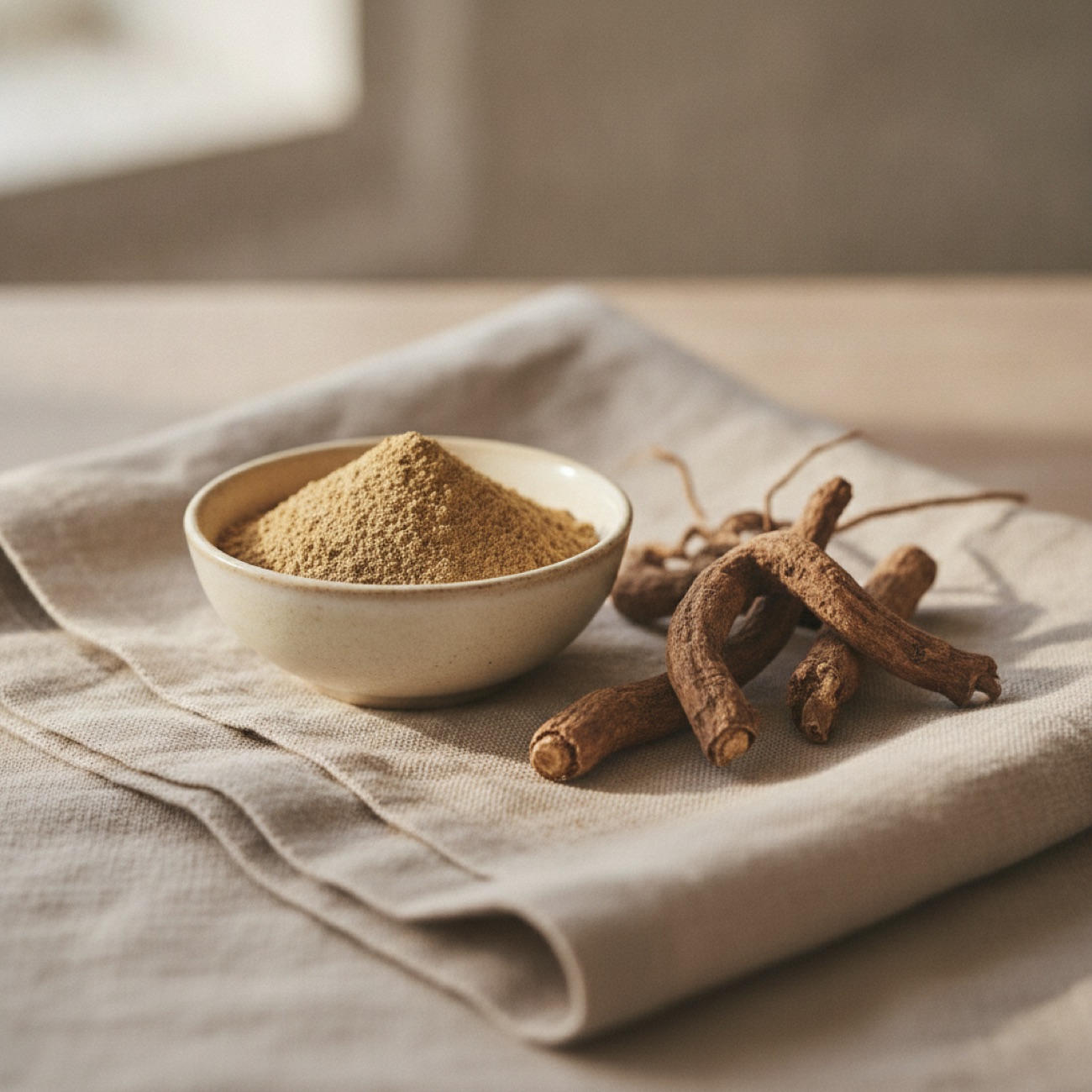
Short answer: Some clinical trials show ashwagandha extracts may reduce feelings of stress and modestly lower serum cortisol levels. However, the NIH Office of Dietary Supplements grades this evidence as limited, meaning more and larger studies are needed before strong conclusions can be drawn.
What Is Ashwagandha?
Ashwagandha (Withania somnifera) is a shrub native to India, the Middle East, and parts of Africa. It has been used in Ayurvedic practice for centuries and is now one of the most widely sold botanical supplements in the United States. It is commonly marketed as an adaptogen, a traditional-use concept describing a substance said to help the body resist and adapt to physical, chemical, and biological stress. According to the NIH Office of Dietary Supplements, adaptogen is not an established nutrient function recognized by regulatory science.
The plant is rich in phytochemicals, chiefly steroidal lactones called withanolides, along with alkaloids. Researchers believe these compounds drive many of the proposed effects seen in laboratory and clinical studies.
What Does the Research Actually Show?
Stress and Cortisol: Limited Evidence
Several randomized controlled trials have tested standardized ashwagandha root or root-and-leaf extracts in adults reporting high perceived stress. Participants taking ashwagandha generally scored lower on validated stress questionnaires and, in some trials, showed reductions in serum cortisol compared with placebo. The NIH Office of Dietary Supplements summarizes this body of work with the following evidence grade: ashwagandha extracts may reduce perceived stress and anxiety and lower serum cortisol (Limited evidence). A limited grade means the findings are promising but the number of trials is small, sample sizes are modest, and study designs vary enough that firm conclusions are premature.
Sleep Quality: Limited Evidence
A related area of research involves sleep. The NIH Office of Dietary Supplements notes that ashwagandha extracts may improve sleep quality, efficiency, total sleep time, and sleep latency, particularly in people with insomnia (Limited evidence). Because poor sleep and elevated stress often occur together, some researchers believe improved sleep may be part of how ashwagandha influences stress markers, though that relationship has not been firmly established.
Adaptogen and Cognitive Claims: Insufficient Evidence
Two other commonly promoted benefits carry a weaker evidence grade. The claim that ashwagandha acts as an adaptogen that helps the body resist stress is rated Insufficient by the NIH Office of Dietary Supplements. Similarly, claims that ashwagandha improves cognitive function are also graded Insufficient, meaning available research does not yet provide a reliable basis for conclusions in either direction.
These evidence grades matter. Limited evidence can support cautious, informed personal decisions made with a clinician. Insufficient evidence means a claim should not drive health decisions on its own.
Dosing: No Established Target
Unlike vitamins and minerals, ashwagandha has no Recommended Dietary Allowance, Adequate Intake, or Tolerable Upper Intake Level established by the Dietary Reference Intake process, according to the NIH Office of Dietary Supplements. Clinical trials have used a wide range of extract doses and formulations, making it impossible to name a single standard amount. Because no universal target exists, readers should consult a clinician or pharmacist to determine whether ashwagandha is appropriate for them and, if so, what dose and product type to consider.
Safety and Side Effects
Ashwagandha appears to be well tolerated for up to approximately three months of use in healthy adults, based on available trial data reviewed by the NIH Office of Dietary Supplements. Common side effects are generally mild and include:
- Loose stools or diarrhea
- Nausea or stomach upset
- Drowsiness
More serious effects have been reported in a smaller number of cases, including adverse effects on liver function. These reports are rare but are a reason to use caution and to stop use and contact a clinician if any unusual symptoms develop. The long-term safety of ashwagandha beyond roughly three months is not known, which is an important gap given how many people take it continuously.
Some experts advise against use during pregnancy because of reports suggesting potential risk. Anyone who is pregnant, breastfeeding, or planning to become pregnant should speak with a doctor before using ashwagandha.
Drug Interactions to Know
Ashwagandha has several potential interactions with medications that are important to discuss with a doctor or pharmacist before starting use:
- Thyroid hormone medications: Ashwagandha may affect thyroid function. Small increases in T4 have been reported, and studies in people with subclinical hypothyroidism have shown lowered TSH and increased T3 and T4. Cases of thyrotoxicosis have also been reported. This creates a meaningful interaction risk with levothyroxine and related medications.
- Antidiabetes medications: Ashwagandha may affect blood glucose levels, which could alter the effectiveness or safety of diabetes drugs.
- Antihypertensive medications: A potential interaction exists because ashwagandha may affect blood pressure.
- Immunosuppressants: Ashwagandha may stimulate immune activity, which could work against medications designed to suppress the immune system, such as those used after organ transplant.
This list is not exhaustive. Always talk to a doctor before combining any supplement with prescription or over-the-counter medications.
Regulatory Context
Ashwagandha supplements are not intended to diagnose, treat, cure, or prevent any disease, and these statements have not been evaluated by the FDA. Supplements are regulated differently from prescription drugs and do not require proof of efficacy before reaching store shelves. Product quality can vary, so looking for products that have been third-party tested for purity and potency is a reasonable step.
Bottom Line
The available evidence, as assessed by the NIH Office of Dietary Supplements, suggests ashwagandha extracts may modestly reduce perceived stress and lower serum cortisol in some adults. That evidence is graded limited, not strong, and long-term safety data are still lacking. Ashwagandha is generally well tolerated for short-term use, but it carries real interaction risks with thyroid, diabetes, blood pressure, and immune-suppressing medications. If you are considering ashwagandha, the most practical step is a conversation with your clinician or pharmacist, who can weigh your individual health history and any medications you take before you start.
Sources
- S1.gov verifiedNIH Office of Dietary Supplements (ODS)Ashwagandha: Is it helpful for stress, anxiety, or sleep? - Health Professional Fact Sheetods.od.nih.gov/factsheets/Ashwagandha-HealthProfessi
- S2.gov verifiedNIH Office of Dietary Supplements (ODS)Ashwagandha: Is it helpful for stress, anxiety, or sleep? - Consumer Fact Sheetods.od.nih.gov/factsheets/Ashwagandha-Consumer/