Myths
Does Echinacea Prevent the Common Cold?
A plain-language look at what NIH research actually says about echinacea, colds, and immune health.
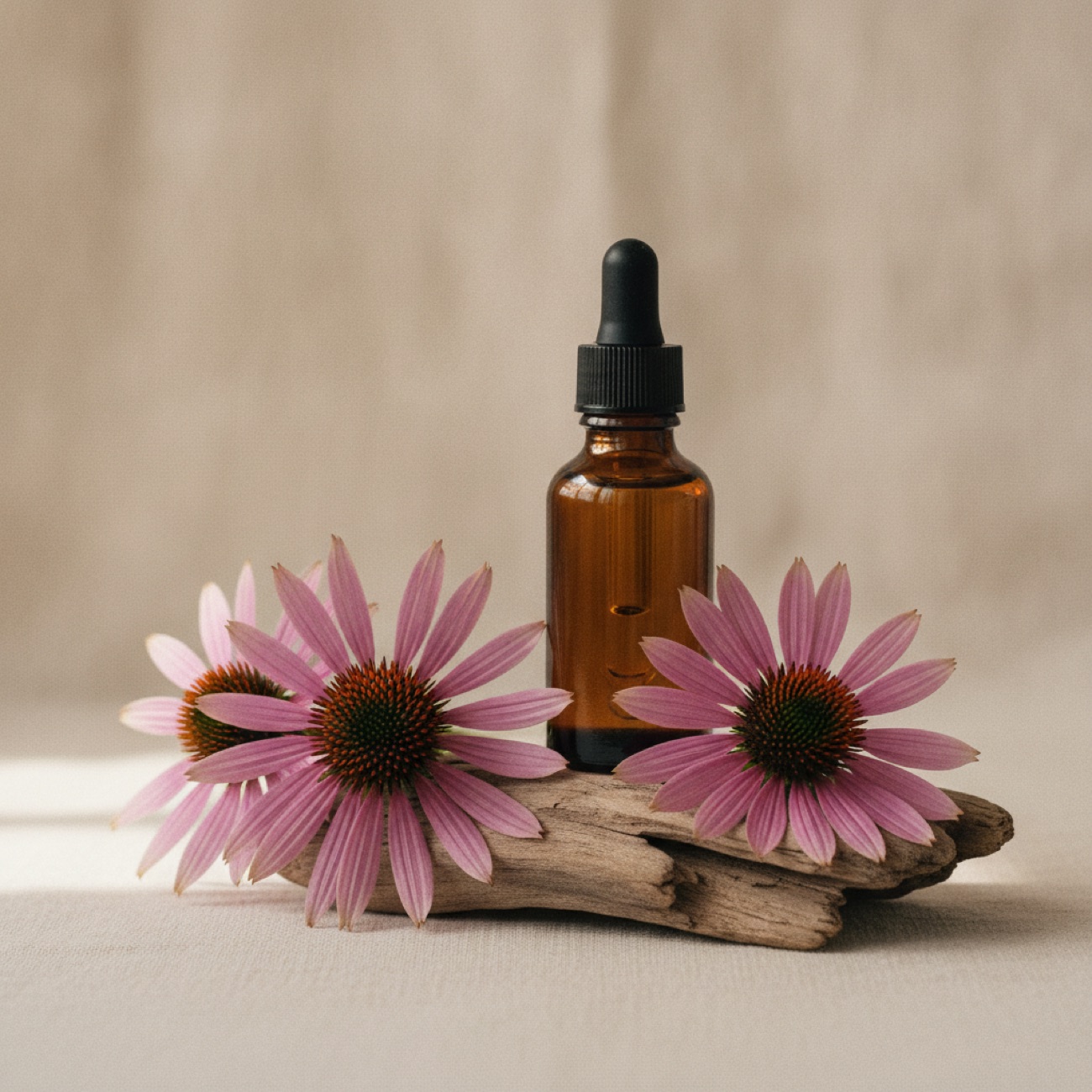
Research suggests echinacea may slightly reduce the chance of catching a cold, but the evidence is limited and far from conclusive. For most other claims, including shortening a cold or treating flu, the evidence is currently rated insufficient by the NIH.
What Is Echinacea?
Echinacea is a group of flowering plants in the daisy family. It is one of the most widely used botanical supplements in the United States and is sold as capsules, tablets, teas, and liquid extracts. The species most studied for health purposes are Echinacea purpurea and Echinacea angustifolia.
Unlike vitamins or minerals, echinacea is not an essential nutrient. It has no required role in normal human physiology, and the NIH Office of Dietary Supplements (ODS) has not established an adult target intake or an upper limit for it. Supplements containing echinacea are not intended to diagnose, treat, cure, or prevent any disease, and these statements have not been evaluated by the FDA.
What Does Laboratory Research Suggest?
Much of what researchers think they know about echinacea comes from laboratory studies rather than human clinical trials. According to the ODS, in vitro research suggests echinacea may have antioxidant and antibacterial activity, and may stimulate monocytes and natural killer cells, which are part of the body's immune response. Laboratory studies also suggest echinacea may inhibit some viruses from binding to host cells. The ODS notes clearly that these findings are based largely on in vitro data, meaning they come from cell cultures in a lab setting, and that results in a lab do not always translate to the same effects in people.
What Does the Human Evidence Show?
The NIH rates the strength of evidence for echinacea across several claims. Here is a plain summary of where things stand.
Preventing a Cold
The evidence that taking echinacea may slightly reduce the chance of catching a cold is rated limited. Some clinical trials have shown a modest benefit, but results across studies are inconsistent. A small potential reduction in cold incidence is not the same as reliable prevention, and researchers have not established a standard dose, preparation, or species that produces a dependable effect.
Shortening or Easing a Cold
The evidence that echinacea shortens the duration of a cold once you have one is rated insufficient. The evidence that it reduces the severity of cold symptoms is also rated insufficient. This means there is not yet enough good-quality human data to draw a firm conclusion either way.
Influenza and COVID-19
The evidence that echinacea helps prevent or treat influenza is rated insufficient. The evidence that echinacea prevents or treats COVID-19 is also rated insufficient, according to ODS COVID-19 supplement resources.
Children and Respiratory Infections
The evidence that echinacea reduces respiratory infections or complications in children is rated insufficient. Some pediatric studies have raised questions about tolerability as well, so parents should speak with a pediatrician before giving echinacea to a child.
Antioxidant and Immune Activity
The evidence for antioxidant, antibacterial, and immune-stimulating actions is rated limited, reflecting the largely laboratory-based nature of the supporting data noted above.
Is Echinacea Safe?
The NIH describes echinacea as likely safe for most adults when taken for short periods as extracts of E. purpurea, and some combinations of E. purpurea and E. angustifolia. Long-term safety data are limited, and the ODS does not provide guidance on extended use.
Common side effects reported in NIH sources include:
- Abdominal pain
- Nausea
- Diarrhea
- Sleeplessness
- Skin rashes
Some people have allergic reactions that may be severe. Because echinacea belongs to the same plant family as ragweed and daisies, people with known allergies to those plants should be cautious and speak with a clinician before trying echinacea.
Drug Interactions to Know About
The NIH advises anyone taking any medication to talk with a health care provider before using echinacea, because some herbs and medicines can interact in harmful ways. Specific interactions flagged by the ODS and NCCIH include the following.
Immunosuppressant Medications
Because echinacea may have immunostimulatory activity, the ODS notes it might reduce the effectiveness of immunosuppressant drugs. The NCCIH also cites theoretical reasons to be concerned about this combination. People who have had organ transplants or who take immunosuppressants for autoimmune conditions should not use echinacea without explicit guidance from their doctor.
Drugs Metabolized by the Liver
The NCCIH reports conflicting evidence about whether echinacea interacts with drugs metabolized by cytochrome P450 liver enzymes. The ODS notes echinacea might increase cytochrome P450 activity, which could reduce the blood levels of some medications processed by these enzymes. A pharmacist can help identify whether any of your current medications fall into this category.
Caffeine
The NCCIH cites theoretical reasons to suspect echinacea might interact with caffeine. The practical significance of this is not well established, but it is worth mentioning to a clinician if you consume caffeine regularly through coffee, tea, or other sources.
Practical Takeaways
Here is a brief summary of the key points from NIH sources:
- Echinacea is not an essential nutrient and has no established daily requirement or upper limit.
- Limited evidence suggests it may slightly reduce the chance of catching a cold, but the effect is modest and inconsistent across studies.
- Evidence for shortening colds, reducing symptom severity, treating flu, or addressing COVID-19 is currently insufficient.
- It is likely safe for most adults for short-term use, but allergic reactions can occur, especially in people sensitive to ragweed or daisies.
- Interactions with immunosuppressants and liver-metabolized drugs are a real concern.
Should You Take Echinacea?
That is a personal decision best made with a clinician or pharmacist who knows your full health picture. The NIH evidence does not support strong conclusions about echinacea's ability to prevent or treat colds, and the gap between laboratory findings and real-world human outcomes remains significant. If you are considering echinacea, discuss it with your doctor first, particularly if you take any medications, have allergies to related plants, or have an immune condition. For personal dosing guidance, always consult a qualified health care provider rather than relying on general reference information.
Sources: NCCIH Echinacea fact sheet; ODS COVID-19 supplement fact sheet; ODS Immune Function Consumer and Health Professional fact sheets; NCCIH Common Cold and Complementary Health Approaches science digest.
Sources
- S1.gov verifiedNIH NCCIHEchinacea: Usefulness and Safetywww.nccih.nih.gov/health/echinacea
- S2.gov verifiedNIH Office of Dietary Supplements (ODS)Dietary Supplements in the Time of COVID-19 - Health Professional Fact Sheet (Echinacea section)ods.od.nih.gov/factsheets/COVID19-HealthProfessional
- S3.gov verifiedNIH Office of Dietary Supplements (ODS)Dietary Supplements for Immune Function and Infectious Diseases - Consumer Fact Sheet (Echinacea section)ods.od.nih.gov/factsheets/ImmuneFunction-Consumer/
- S4.gov verifiedNIH Office of Dietary Supplements (ODS)Dietary Supplements for Immune Function and Infectious Diseases - Health Professional Fact Sheetods.od.nih.gov/factsheets/ImmuneFunction-HealthProfe
- S5.gov verifiedNIH NCCIHThe Common Cold and Complementary Health Approaches: What the Science Sayswww.nccih.nih.gov/health/providers/digest/the-common