Myths
Does Elderberry Shorten Colds and Flu?
A plain-language look at what the research actually shows, where the evidence falls short, and what to watch out for before you try elderberry.
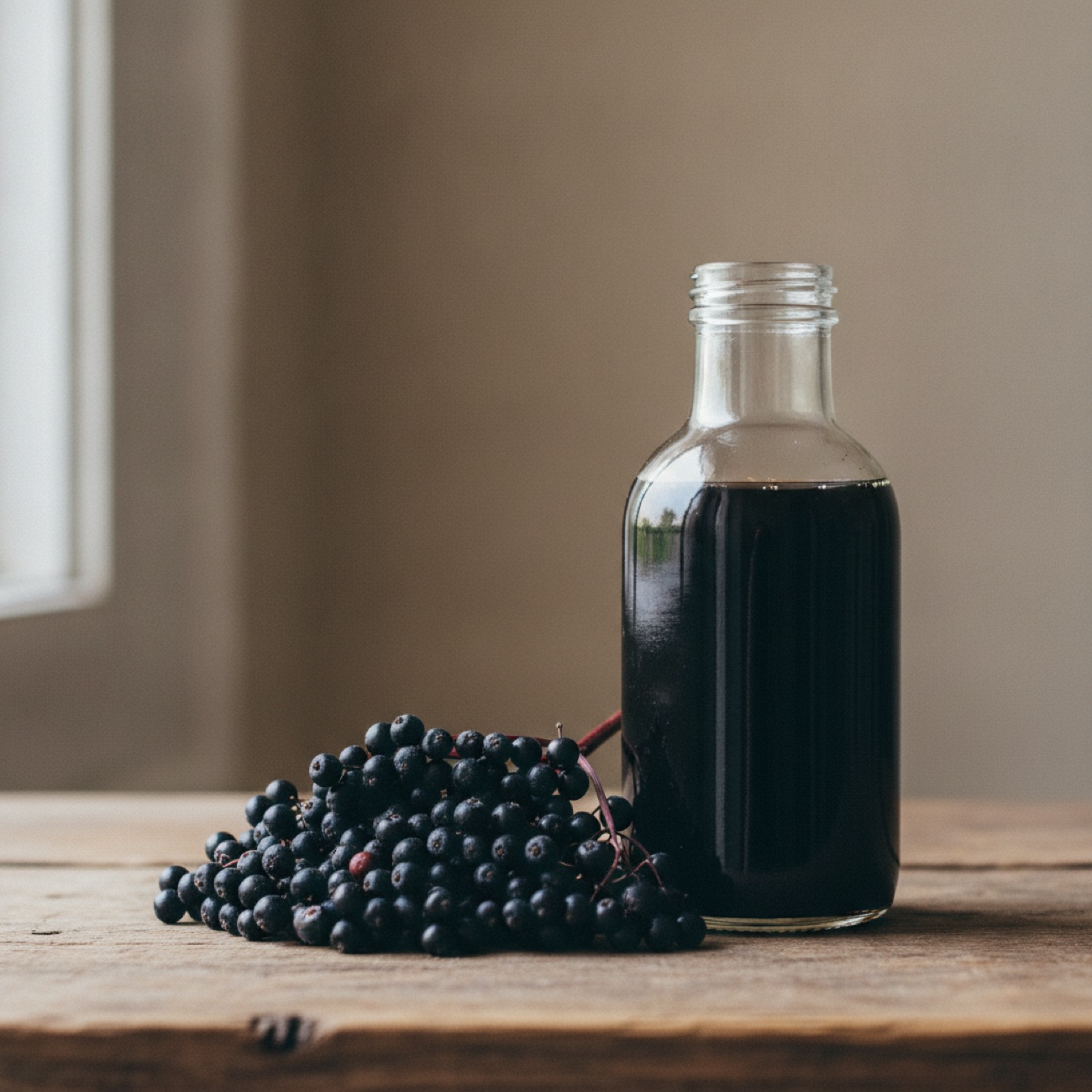
Elderberry supplements are widely marketed for cold and flu relief, but the clinical evidence behind those claims is still limited. Here is what current NIH-reviewed research says, along with the safety information you need to make an informed decision.
What Is Elderberry?
Elderberry most commonly refers to the fruit of Sambucus nigra, a flowering plant native to Europe and North America. The ripe berries and flowers have a long history of traditional use. Today, elderberry is sold as syrups, gummies, capsules, lozenges, and teas, often promoted for immune support during cold and flu season.
The berries contain anthocyanins, flavonols, and phenolic acids. According to the NIH Office of Dietary Supplements (ODS), laboratory studies suggest these compounds may have antioxidant activity, and preliminary laboratory and animal research suggests some constituents might have anti-inflammatory effects and could inhibit certain viruses from binding to host cells. It is important to note that laboratory findings do not automatically translate into the same effects in humans.
Supplements are not intended to diagnose, treat, cure, or prevent any disease, and these statements have not been evaluated by the FDA.
What Does the Research Actually Show?
The ODS uses a tiered evidence grading system. Here is how elderberry stacks up across the outcomes people most often ask about.
Cold and Flu Duration and Severity: Limited Evidence
The ODS grades the evidence that elderberry supplementation may reduce the severity and duration of the common cold and the duration of influenza as Limited. A limited grade means some human trials exist and their results lean in a positive direction, but the studies are too few, too small, or too inconsistent to draw firm conclusions. Researchers have not yet established a standard dose, a standard preparation, or a clear picture of which populations benefit most.
Preventing Colds: Insufficient Evidence
The idea that elderberry reduces the risk of catching a cold in the first place is graded as Insufficient by the ODS. There is simply not enough well-designed human research to support or refute this claim at this time.
COVID-19: Insufficient Evidence
Despite early online speculation, the ODS states that the evidence for elderberry being beneficial for COVID-19 is Insufficient. The ODS COVID-19 fact sheet does not recommend elderberry as a preventive or treatment strategy for COVID-19.
Other Health Uses: Insufficient Evidence
The ODS also grades evidence for elderberry being helpful for health purposes other than upper respiratory symptoms as Insufficient. Claims related to general immune enhancement, cardiovascular health, or other conditions are not supported by adequate human clinical data.
Safety: What You Must Know Before Trying Elderberry
This is the section that deserves the most attention, because not all elderberry products or preparations are the same.
Raw and Unripe Berries Are Toxic
The evidence on this point is graded Strong by the ODS. Raw or unripe elderberries and the non-fruit parts of the elder tree, including the bark, leaves, and seeds, contain cyanogenic glycosides, compounds that produce cyanide. Consuming them can cause nausea, vomiting, diarrhea, dehydration, and in serious cases, cyanide poisoning. Cooking or proper commercial processing destroys this toxin. Elderberry flowers and properly cooked or processed ripe fruit appear to be safe for most adults.
This means homemade preparations using raw berries, leaves, or bark carry real risk. If you choose to use elderberry, select commercially prepared products that use properly processed fruit.
People With Diabetes Should Use Caution
According to the ODS, elderberry might affect insulin and glucose metabolism. People with diabetes and those taking glucose-lowering medications are advised to use elderberry with caution and to speak with a clinician before adding it to their routine.
Drug Interactions
The ODS and the National Center for Complementary and Integrative Health (NCCIH) identify three main interaction categories to be aware of.
- Immunosuppressant medications: Because of elderberry's potential immunostimulatory activity, it might reduce the effectiveness of medications that suppress the immune system. If you take immunosuppressants for an organ transplant, an autoimmune condition, or any other reason, talk to your doctor before using elderberry.
- Diabetes medications and blood glucose control: As noted above, elderberry may influence insulin and glucose metabolism. Combining it with diabetes medications could affect blood sugar levels in unpredictable ways. Always consult a pharmacist or physician before combining the two.
- Diuretic drugs: The NCCIH notes that elder flower may have diuretic effects. Using it alongside prescription or over-the-counter drugs that increase urination could potentially amplify that effect. Use caution and check with a healthcare provider.
This is not a complete list of every possible interaction. Always talk to a doctor or pharmacist before combining any supplement with prescription or over-the-counter medications.
Dosing: No Established Target
The NIH ODS has not established an adult daily target or an upper limit for elderberry intake. This reflects the early state of the research rather than a suggestion that any amount is appropriate. Because no standard dose has been confirmed safe and effective in clinical trials, you should consult a clinician or pharmacist to discuss whether elderberry is appropriate for you and, if so, what form and amount might make sense given your health history and any medications you take.
Who Should Be Especially Cautious
- People taking immunosuppressant medications
- People with diabetes or those on glucose-lowering drugs
- People taking diuretic medications
- Pregnant or breastfeeding individuals (insufficient safety data exists for these groups)
- Anyone preparing elderberry at home from raw plant material
The Bottom Line
Elderberry contains compounds that show interesting activity in laboratory settings, and a small body of human research suggests it may modestly reduce cold and flu duration and severity. However, the ODS grades this evidence as Limited, meaning it is not yet strong enough to make firm recommendations. Evidence for preventing colds, for COVID-19 benefits, and for other health uses is graded Insufficient. The safety concern around raw and unripe berries is graded Strong, meaning it is well established and should not be ignored. If you are considering elderberry, choose commercially processed products, review the interaction list with your pharmacist, and speak with your doctor before starting, particularly if you manage a chronic condition or take regular medications.
For the primary sources used in this guide, see the NCCIH elderberry page, the NCCIH European Elder fact sheet, the ODS COVID-19 health professional fact sheet, and the ODS Dietary Supplements in the Time of COVID-19 consumer fact sheet.
Sources
- S1.gov verifiedNIH National Center for Complementary and Integrative Health (NCCIH)Elderberry: Usefulness and Safetywww.nccih.nih.gov/health/elderberry
- S2.gov verifiedNIH Office of Dietary Supplements (ODS)Dietary Supplements in the Time of COVID-19 - Health Professional Fact Sheet (Elderberry section)ods.od.nih.gov/factsheets/COVID19-HealthProfessional
- S3.gov verifiedNIH Office of Dietary Supplements (ODS)Dietary Supplements in the Time of COVID-19 - Consumer (Elderberry section)ods.od.nih.gov/factsheets/DietarySupplementsInTheTim
- S4.gov verifiedNIH National Center for Complementary and Integrative Health (NCCIH)European Elder (Sambucus nigra) fact sheetwww.nccih.nih.gov/health/european-elder